Playa Pozo Negro – Where the Lava Meets the Sea
There are beaches on Fuerteventura you don’t look for. You find them. And when you do, you wonder how they managed to stay hidden for so long. Playa Pozo Negro on the east coast of Fuerteventura is one such place – dark, raw, silent. A beach that carries stories deep within every stone.
A Volcano Shaped This Beach
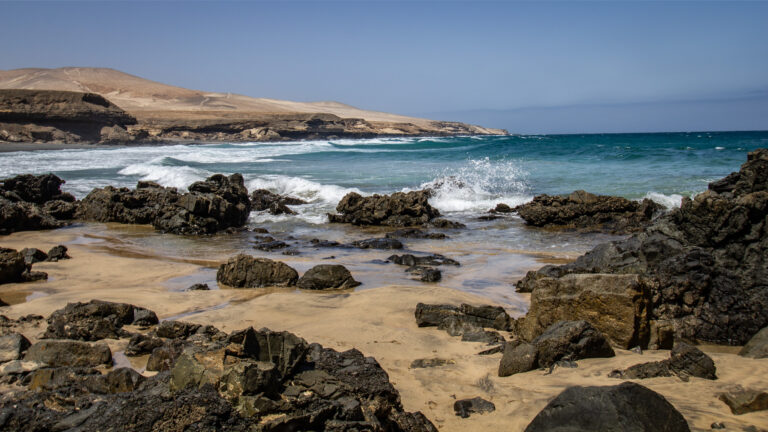
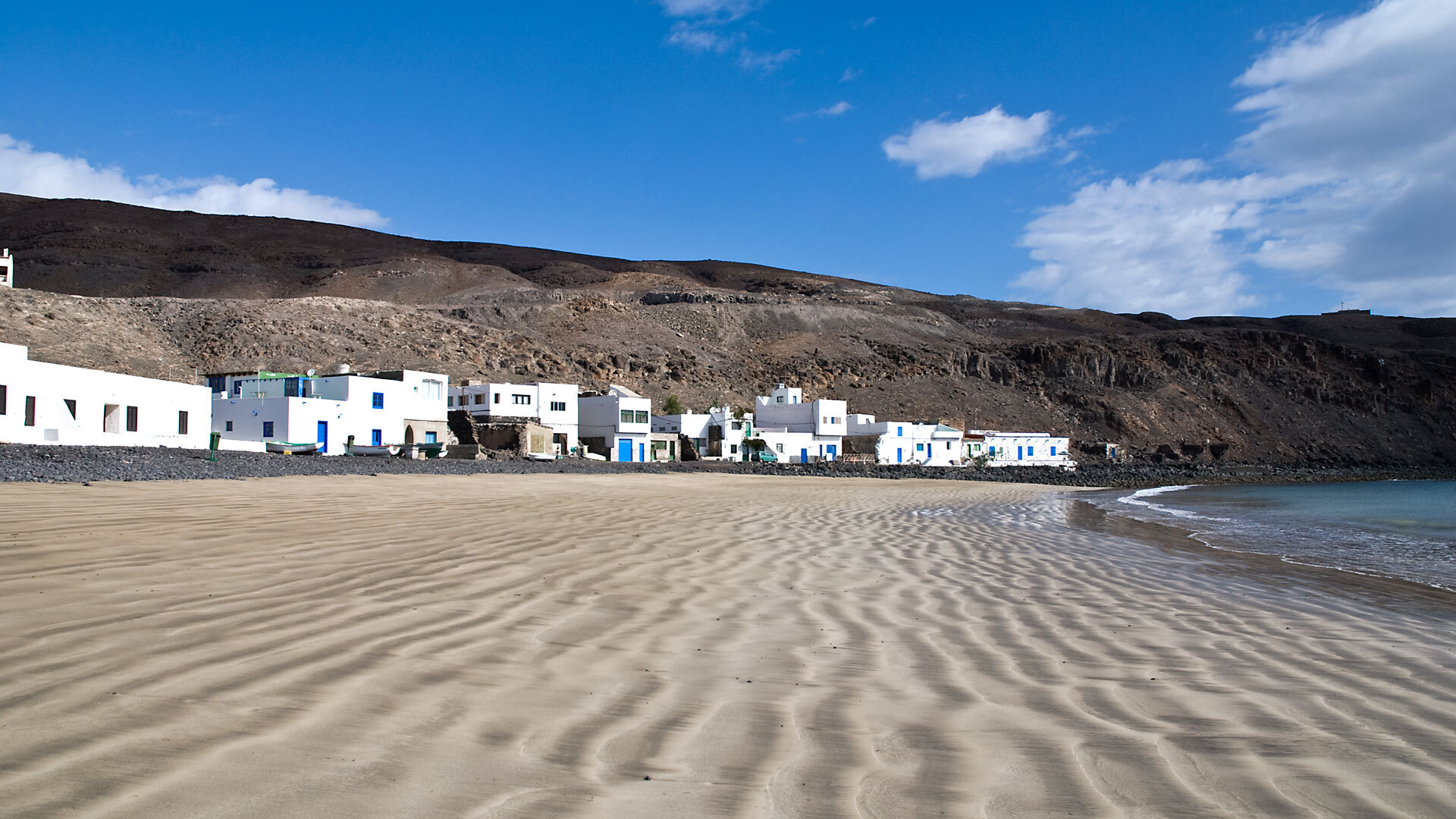
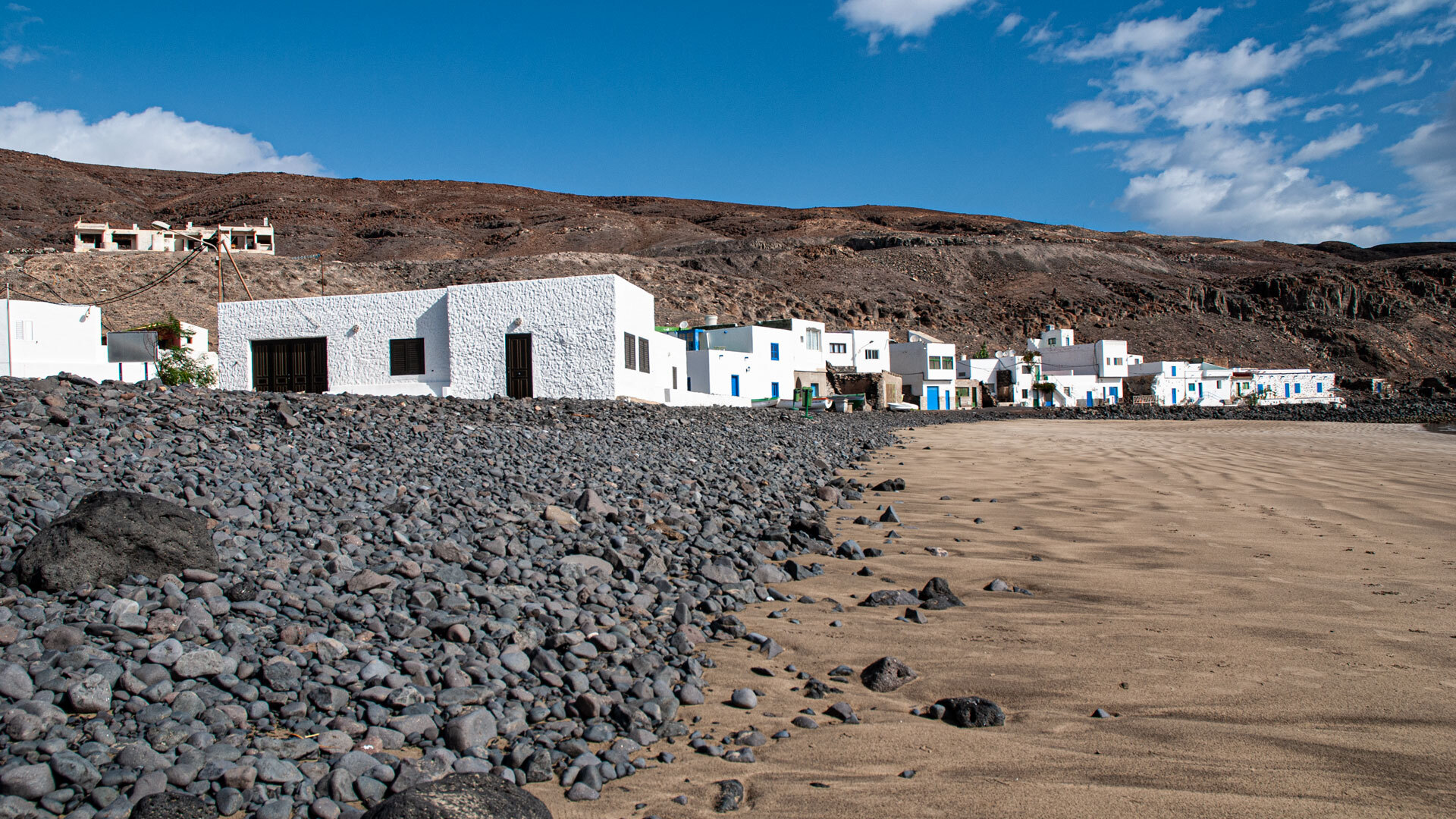
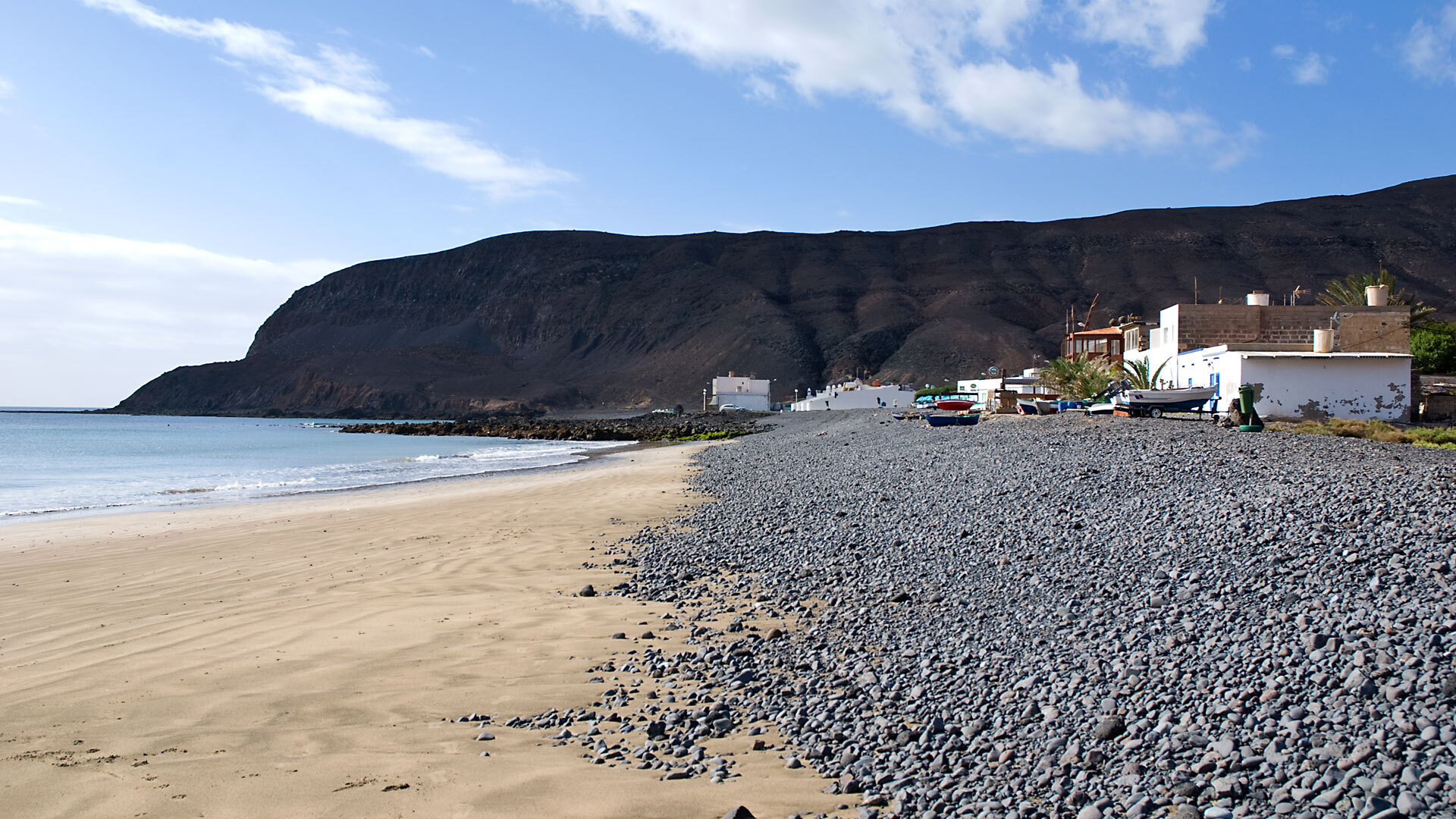
When people think of beaches, they picture golden sand, sun loungers, parasols. Pozo Negro shatters that image – and replaces it with something more real. The bay, roughly 300 metres long and 12 metres wide, sits right next to the small fishing village of the same name, roughly halfway between Caleta de Fuste and Gran Tarajal. A dark pebble beach, shaped by fire.
Not so long ago, a lava flow carved its way from the hilly hinterland down to the coast, burying what was once a white beach beneath it. What remains is a volcanic beach of archaic beauty. Look closely and you can see the before and the after: at both ends of the bay, two white strips of the original sand still peek through today – like witnesses to another era, framed by black volcanic rock.
This Pozo Negro beach on Fuerteventura is no picture-postcard idyll. It is something more real.
A Silence You Can Hear
Playa Pozo Negro is one of the least visited beaches on the island. No beach kiosk, no hire loungers, no noise. Those who come here are looking for peace – and find it.
It is mostly locals who claim this place as their own. Some still make their living from fishing, as their forebears did. Colourful boats rest on the shore, nets dry in the sun. The fishing village of Pozo Negro breathes a way of life that has long since given way to tourism elsewhere on the island.
The calm sea makes the bay generally suitable for swimming – a pleasant contrast to Fuerteventura’s wild west coast. You slip into the water, look back at the dark shoreline, the lava fields, the white houses of the village. A moment of stillness that stays with you.
Practical Information for Your Visit
Those visiting Pozo Negro volcanic beach should be prepared for a few peculiarities. The gravel and stone surface makes sunbathing less comfortable than on a sandy beach. It is therefore advisable to bring your own sun loungers or beach mats – nothing is available for hire here.
You will search in vain for toilet facilities or beach bars. The nearest place for a bite to eat is the immediately adjacent village of Pozo Negro itself – small, but welcoming. If you are hungry, you are in good hands there and can enjoy fresh fish, as befits a real fishing village.
A Hidden Gem for Those Seeking Peace and Nature Lovers
Pozo Negro beach is no family paradise with water slides, and no party beach with live music. It is a hidden gem for all those who want to experience Fuerteventura off the beaten track. For hikers, photographers, nature watchers, and all who simply want to arrive – without noise, without bustle.
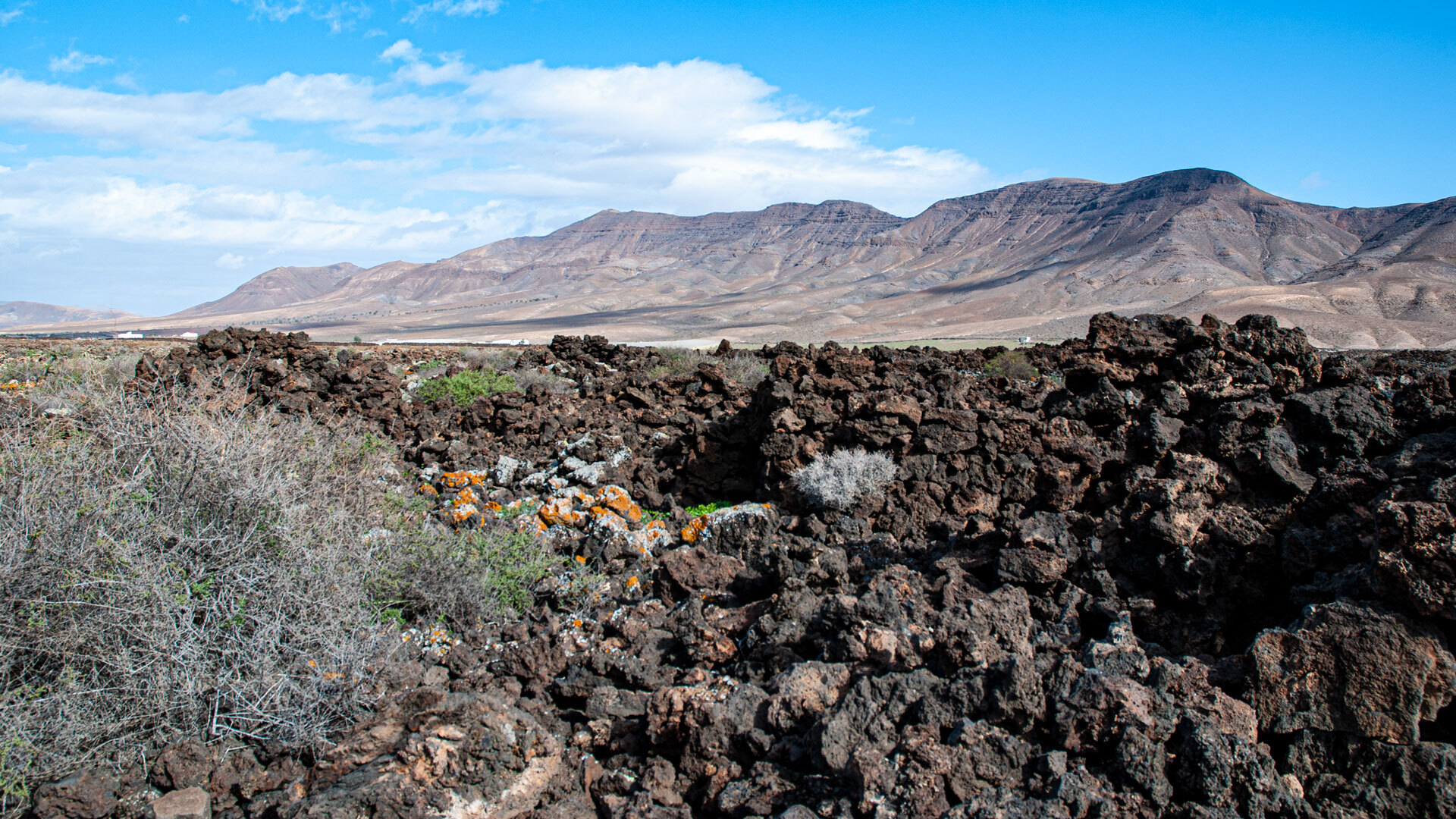
The east coast of Fuerteventura reveals itself here at its most primordial. Black rock, white light, the green of the Atlantic. A landscape you do not forget.
Walk to the Archaeological Site of La Atalayita
Those who want more than stillness and water will find in the village of Pozo Negro the ideal starting point for one of the most rewarding walks in this region. Roughly 3 kilometres away lies the ancient Canarian settlement of La Atalayita – one of the best-preserved archaeological sites on Fuerteventura.
On the way there, the landscape drifts past like a journey through time. Bare hills, stone walls, the sweeping view over the sea. And then, suddenly: the ruins.
La Atalayita was once a settlement of the Majos – the pre-Spanish indigenous people of Fuerteventura. The Majos lived on this island before Spanish conquistadors arrived in the early 15th century and changed their world for ever. The ruined site gives a sense of how these people lived, what structures they built, what community they formed.
Particularly remarkable are the so-called Casa Honda – cave-like dwellings half dug into the rock, showing a remarkable adaptation to the harsh island climate. Several historic buildings can still be visited, some well preserved, others visible only as outlines in the stone. Every stone has a story to tell.
For all those interested in the history of Fuerteventura, the pre-Spanish culture of the Canary Islands, and archaeological walks, this detour is simply unmissable.
Getting to Playa Pozo Negro
Pozo Negro is easily reached by car. From the main road FV-20, you turn onto the FV-420, which leads directly to Pozo Negro on the east coast – and ends there. A road that goes nowhere else, only here. As though it were built especially for this place.
Your own vehicle is practically essential, as the village has almost no public transport connections. Those setting off from Caleta de Fuste or Gran Tarajal should allow around 20 to 30 minutes’ drive.
Conclusion: A Beach from Another Era
Playa Pozo Negro is not a beach for everyone. But for the right people, it is exactly the right place. For all those who want not merely to consume Fuerteventura, but to feel it. Who find the volcanic beach and the black coast more beautiful than any manicured sandy shore. Who are prepared to forgo comfort in order to gain something far rarer: authenticity.
A place where the lava meets the sea. And you yourself become, for a moment, part of this ancient, untouched world.