
Fuerteventura:
The Complete Travel Guide for Your Adventure on the Sun Island
There are islands you visit. And there are islands that touch you. Fuerteventura belongs to the second kind.
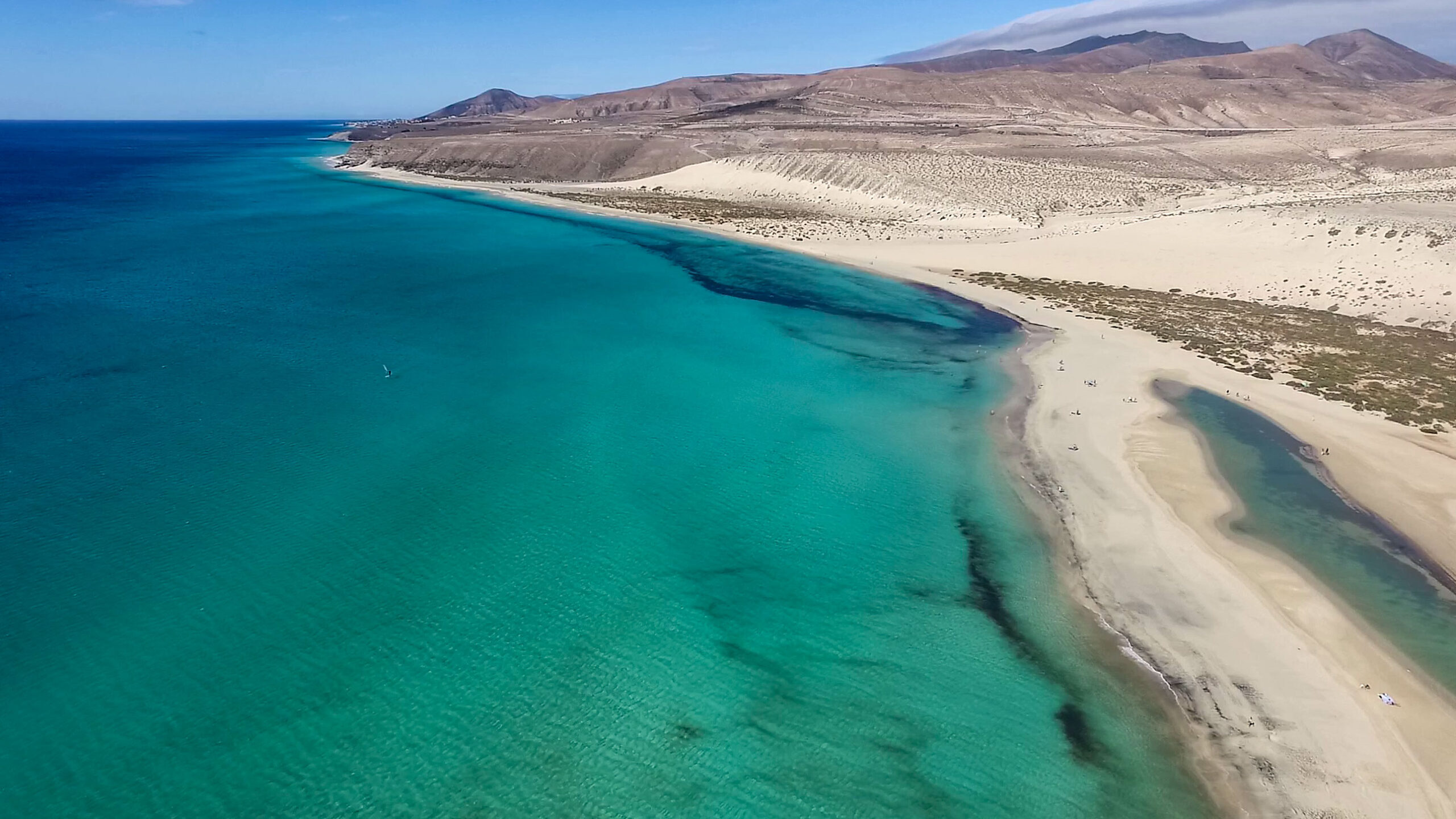
Fuerteventura is one of the most extraordinary islands in Europe – and this travel guide is your comprehensive go-to resource for everything the second-largest Canary Island has to offer. Miles of white sandy beaches, black volcanic craters, turquoise Atlantic water and a climate with almost 3,000 hours of sunshine per year make Fuerteventura one of the most sought-after travel destinations worldwide. Yet the island is far more than a beach destination: it is a UNESCO Biosphere Reserve, an eldorado for windsurfers and kitesurfers, hiking paradise for nature lovers and a journey back to the origins of the Canary Islands.
On this page you’ll find everything you need for your holiday on Fuerteventura all in one place: the most beautiful beaches from north to south, the most spectacular excursion destinations – from volcanic craters and lava tunnels to remote lighthouses –, the best hiking routes, authentic cuisine, interesting places and essential travel tips. Each section links to detailed individual articles that dive deep into each topic.
Whether you’re travelling to Fuerteventura for the first time or rediscovering the island after years – this travel guide shows you what really matters. Welcome to the Sun Island.
Fuerteventura at a Glance – Facts You Should Know
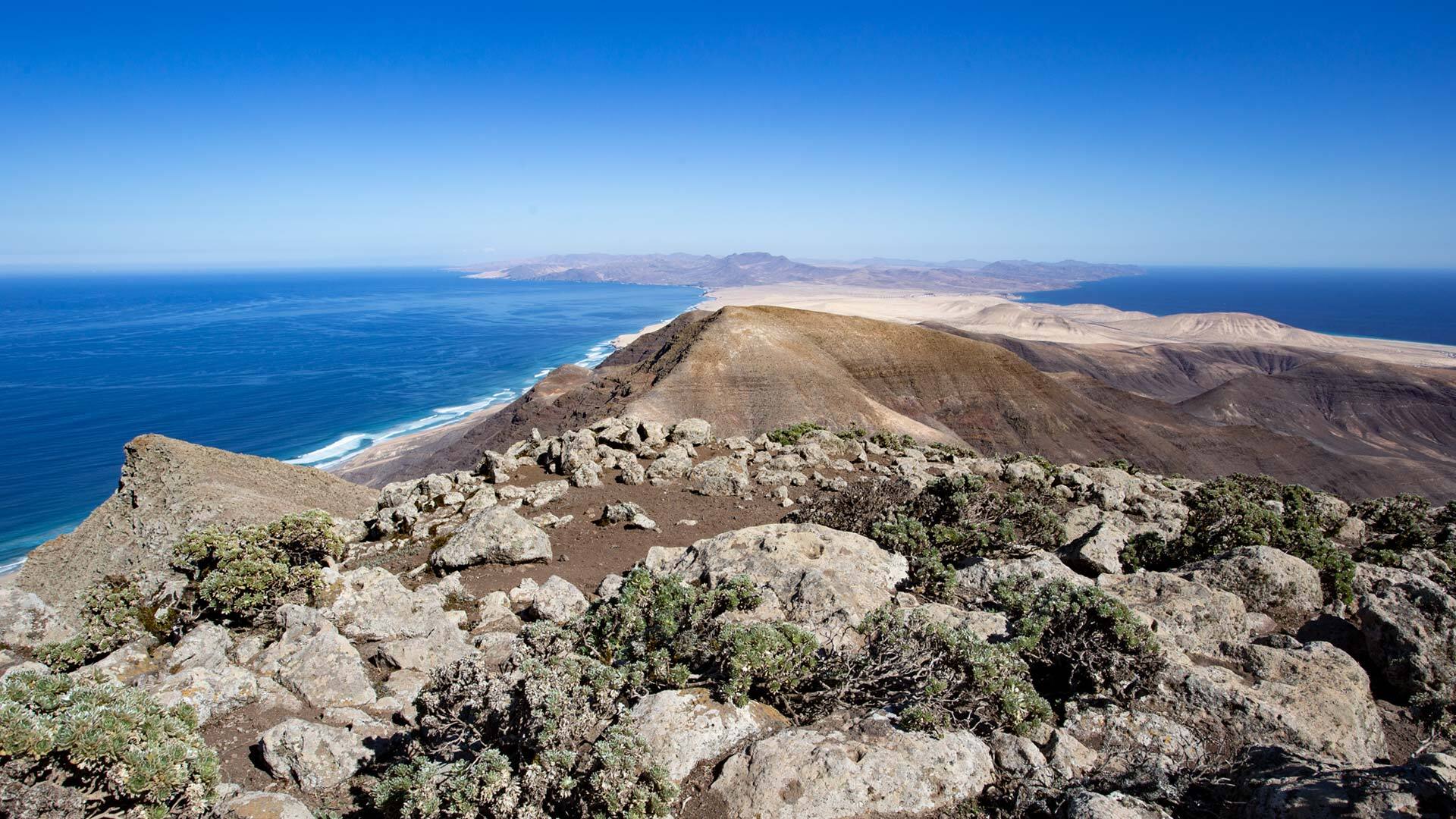
Fuerteventura lies in the Atlantic Ocean, just 97 kilometres from the coast of West Africa. The island, at 1,659 km², is the second-largest of the Canary Islands and at the same time one of the geologically oldest – around 20 million years old. With almost 3,000 hours of sunshine per year, an annual average of 22 °C and little rain, Fuerteventura is a true year-round destination. More than 150 beaches, 500 kilometres of hiking trails and UNESCO Biosphere Reserve status since 2009 make the island one of the most versatile holiday destinations in Europe. Direct flights from Germany take around four hours.
Beaches on Fuerteventura
With more than 150 beaches and the finest natural sand of all the Canary Islands ist Fuerteventura the undisputed queen of Atlantic beaches. From deserted natural beaches on the wild west coast to wide family-friendly beaches in the north and south – here you’ll find the most important beaches on the island.
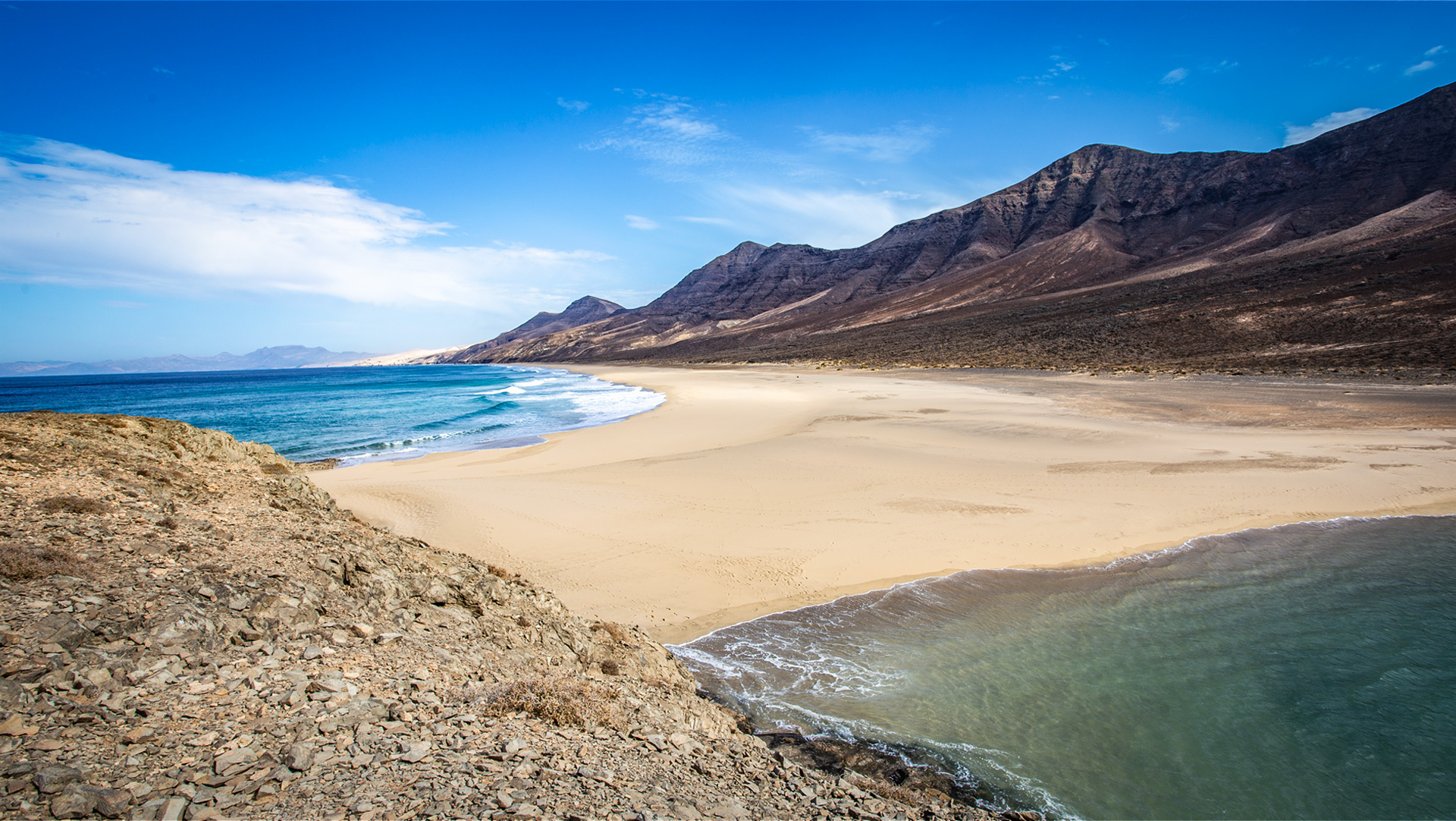
Once you’ve seen Playa de Cofete, you’ll never forget it. Over twelve kilometres of natural beach on the inaccessible west coast of the Jandía peninsula, framed by a black mountain ridge and the raging Atlantic. No road, no tourism, no infrastructure – just open space. The beach is not a safe swimming spot due to strong currents, but an absolute nature experience. Accessible by 4WD or jeep tour from Morro Jable. Cofete is the wildest stretch of Fuerteventura and one of the most impressive coastal landscapes in Europe.
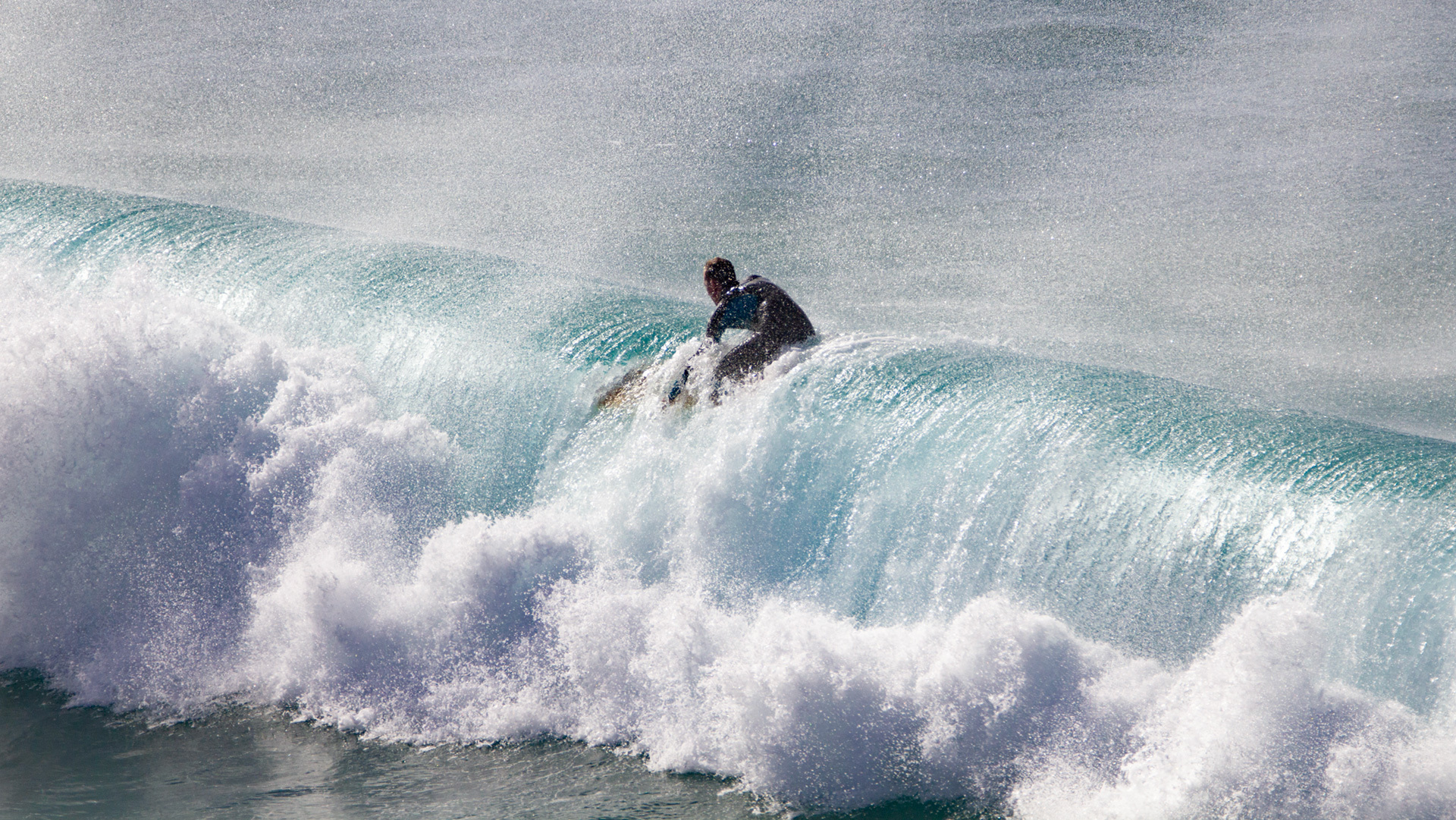
Fuerteventura is a paradise for water sports enthusiasts: kitesurfers, windsurfers, snorkellers and divers will find ideal conditions here. Playa de Sotavento is recognised worldwide as one of the best kitesurfing spots, while the dune beaches of Corralejo offer calm shallow water for families. Where water is not just wet, but a promise – find out here.
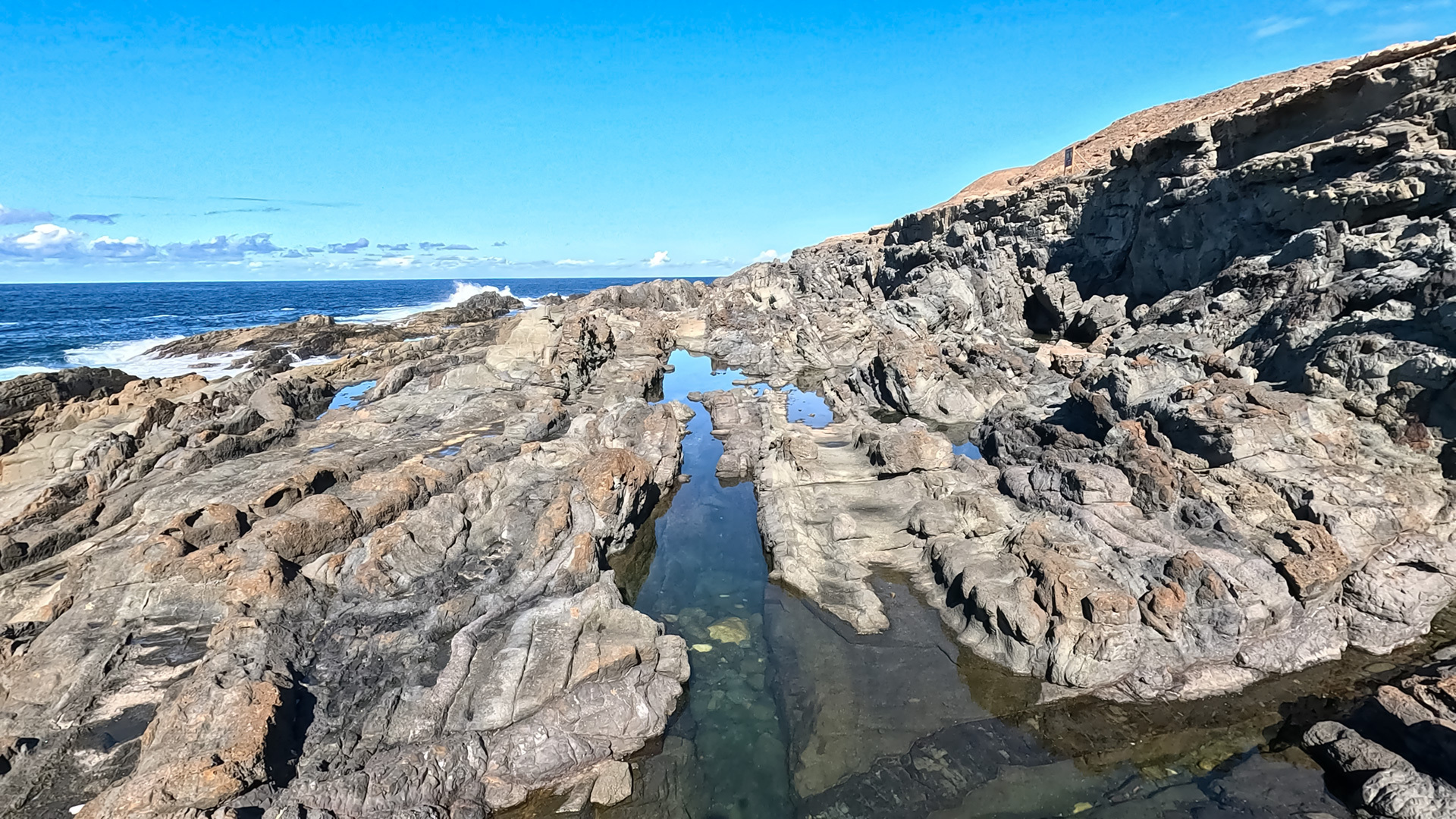
There are places that don’t impose themselves. Playa del Valle on the west coast is one such place: a wild, remote beach far from the noise of tourist centres, surrounded by nature that has remained entirely itself here. Black lava sand, crashing waves, absolute silence – for all those who seek Fuerteventura in its most primordial form.
Excursions on Fuerteventura – Volcanoes, Museums & Sights
If you only know Fuerteventura from the beach, you don’t really know the island. The greatest treasures lie in the interior, on the mountain ridges and along the cliffs: volcanic craters, lava tunnels, mysterious manor houses, museums and viewpoints with views all the way to Africa.
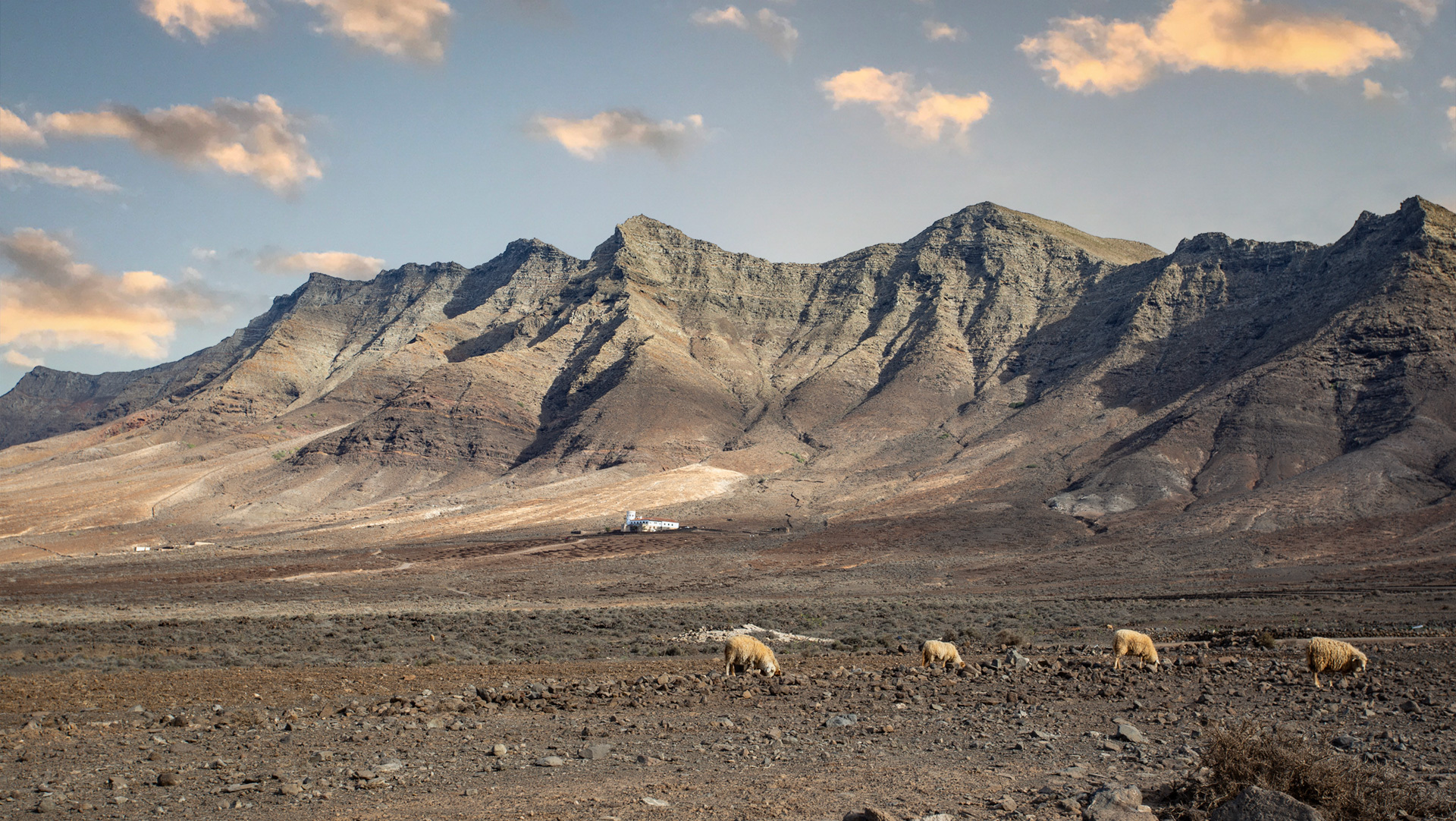
In the middle of the wilderness of the Jandía peninsula, at the end of a dusty track, stands Villa Winter – an abandoned manor house that raises more questions than it answers. Who was Gustav Winter? What about the tunnels beneath the house? The villa is one of the most enigmatic buildings on Canary Islands – and an excursion destination that stays in the memory.
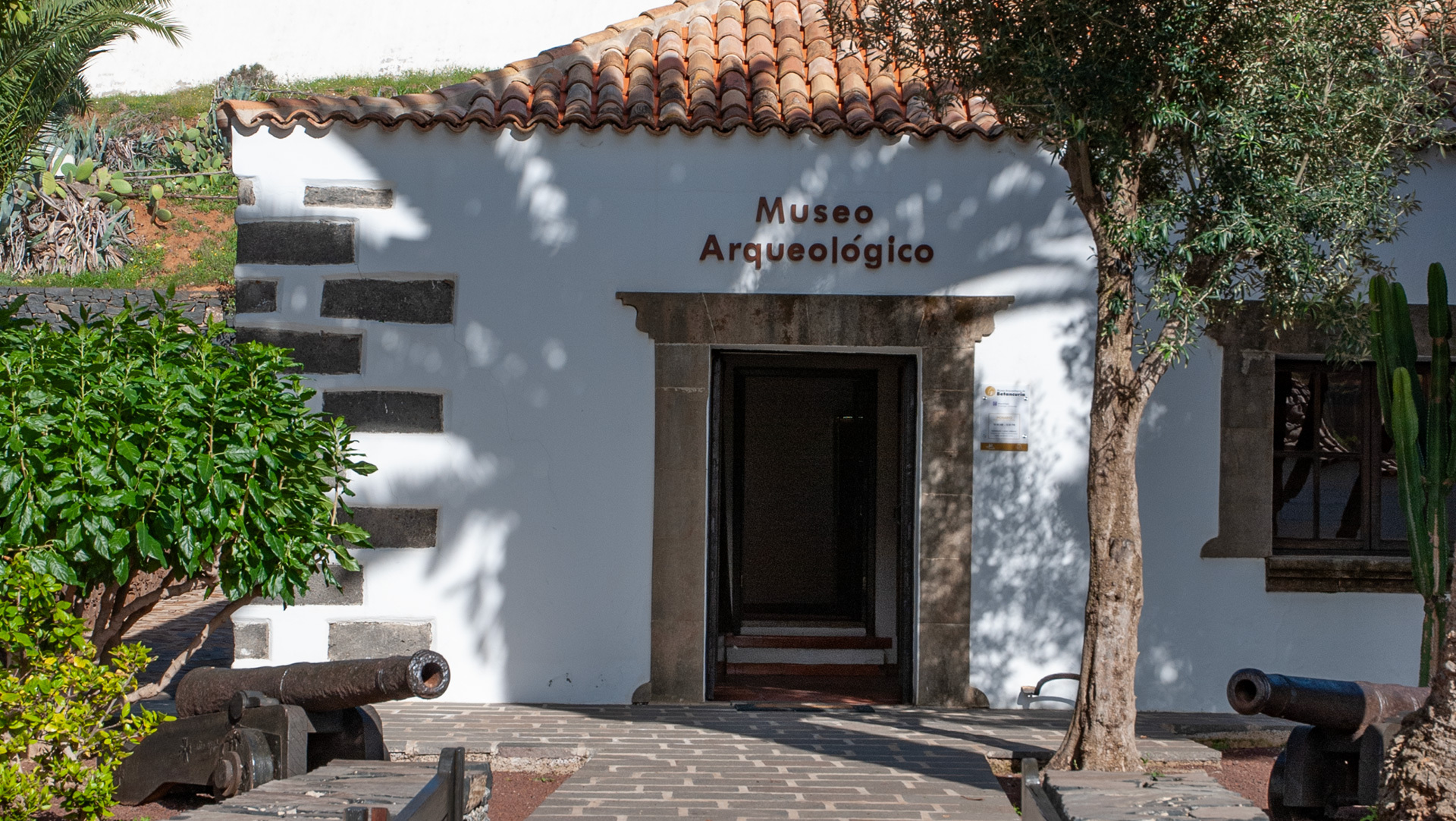
In historic Betancuria, the Archaeological Museum tells the story of Fuerteventura’s indigenous people – the Majos – through remarkable original finds. Ceramics, tools, inscriptions: anyone wanting to understand what the island looked like before the Conquista cannot miss this small, fine museum.
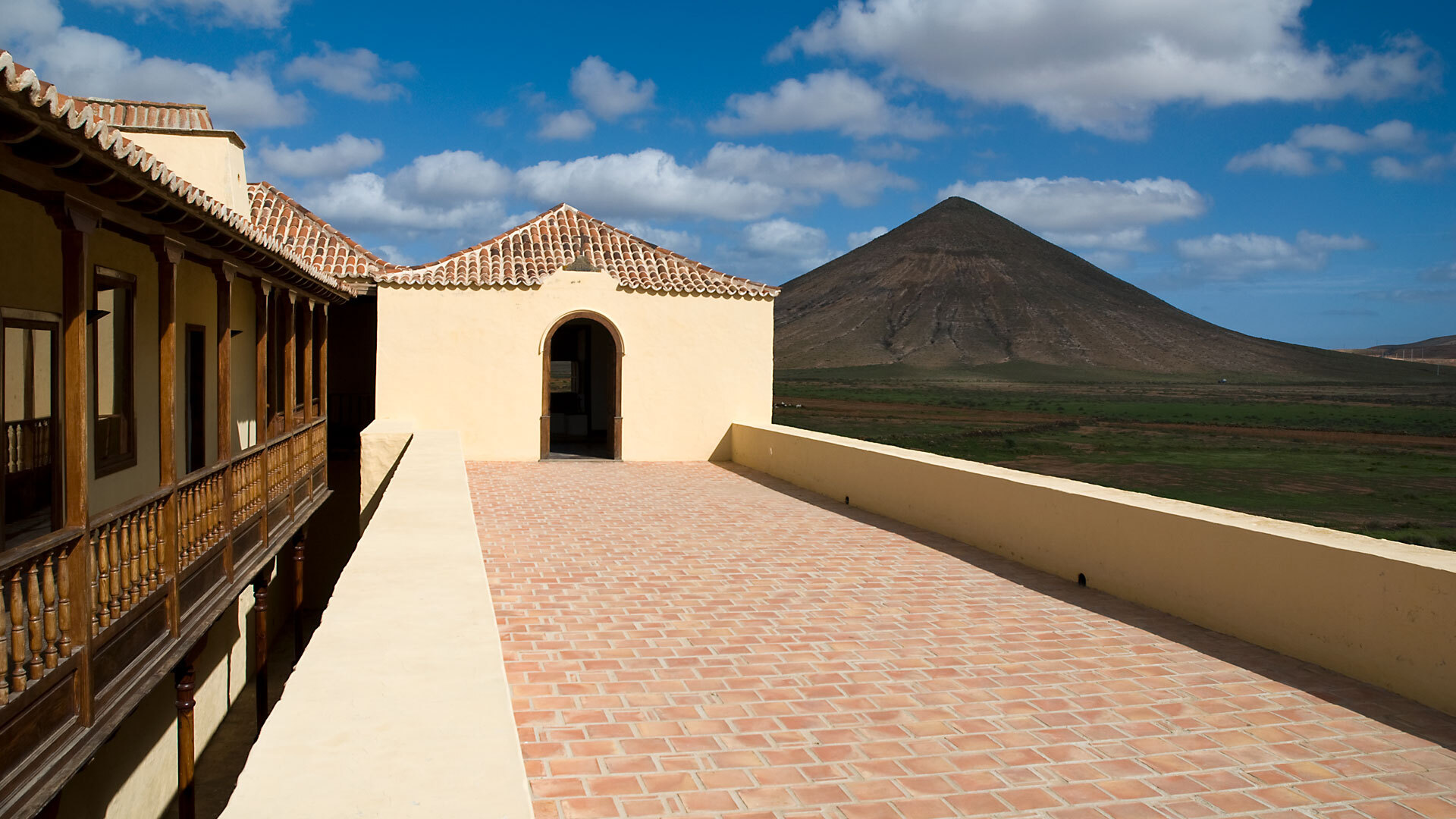
In La Oliva stands one of the most imposing colonial buildings on Canary Islands: the 18th-century Casa de los Coroneles. The expansive manor house with its towers, arcades and large inner courtyard was once the seat of the island’s most powerful military family. Today restored and accessible as a museum – a must-visit in the north.
All Excursion Destinations on Fuerteventura – From Volcanoes to Museums
Lighthouses, natural monuments, historic sites, lava tunnels: Fuerteventura has far more to offer than beach. Our excursion overview gathers all the island’s sights worth seeing – with directions, opening times and on-site tips.
Hiking on Fuerteventura – Routes for Every Level
Around 500 kilometres of marked hiking trails criss-cross the island from north to south. Fuerteventura offers hikes through volcanic landscapes, along remote coastlines, over mountain passes with Atlantic panoramas and through quiet barrancos. Whether beginner or experienced mountain hiker – there’s the right route here for everyone.
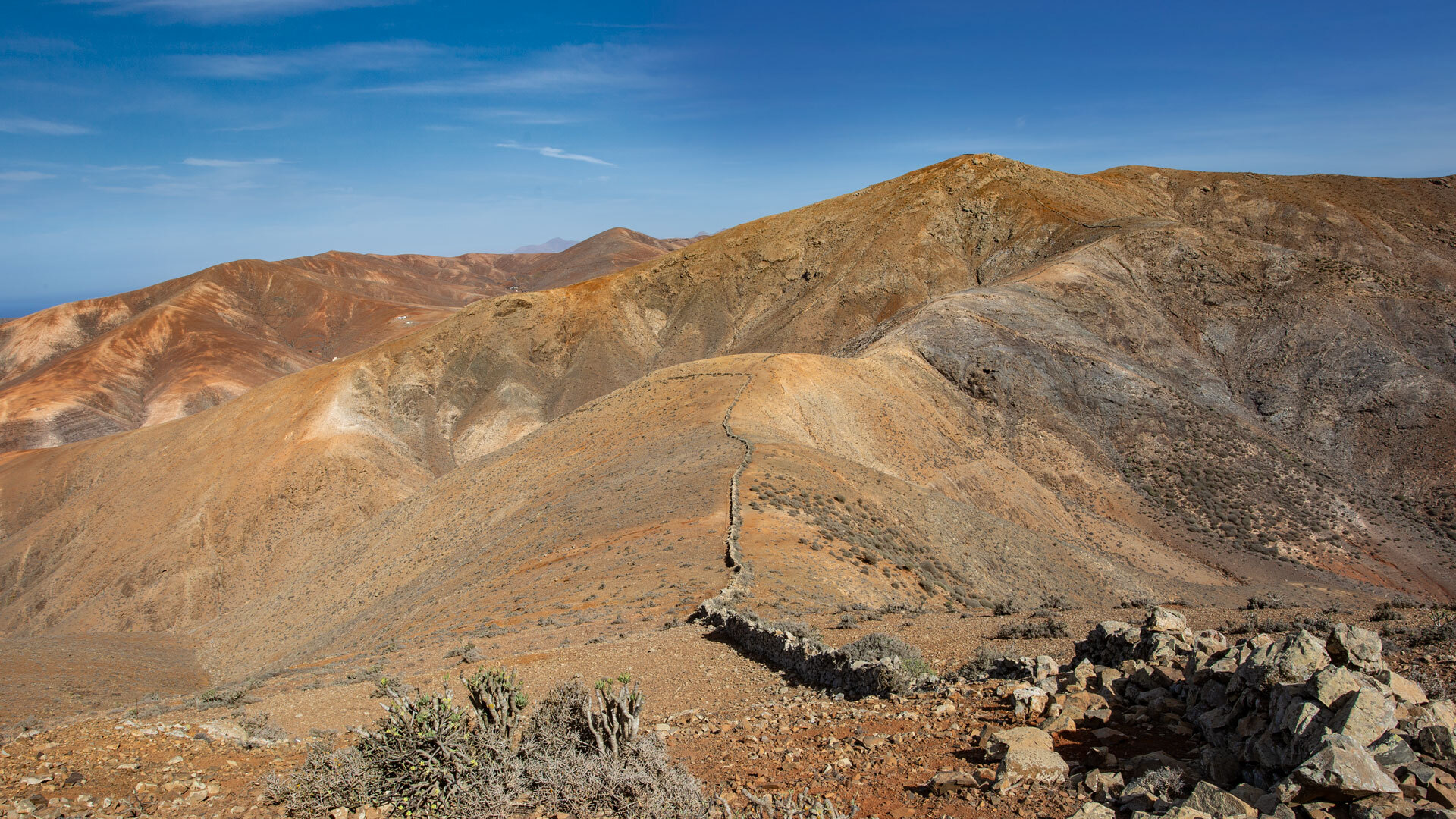
The Betancuria Landscape Park in the island interior is the green heart of Fuerteventura – and its wildest part. Deep barrancos, reddish rock formations, wide plateaus and solitary paths where you won’t meet anyone for hours. The hikes hikes here are among the most impressive on the entire island.
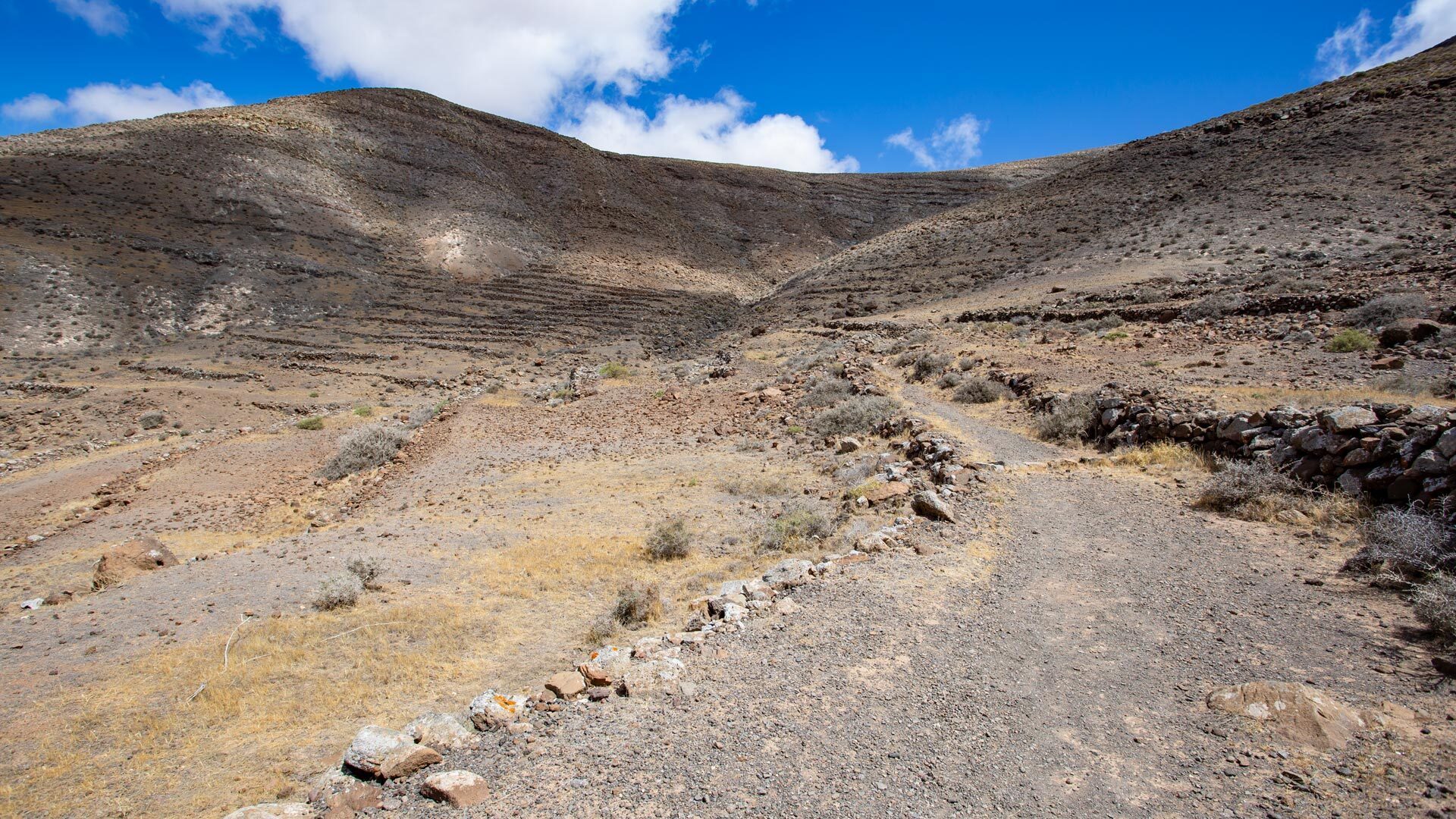
The north of the island belongs to hikers seeking silence: volcanic craters, lava fields and gentle hills from which you can see the sea on both sides. The tours around Lajares, Corralejo and La Oliva are breathtaking – and yet barely visited.
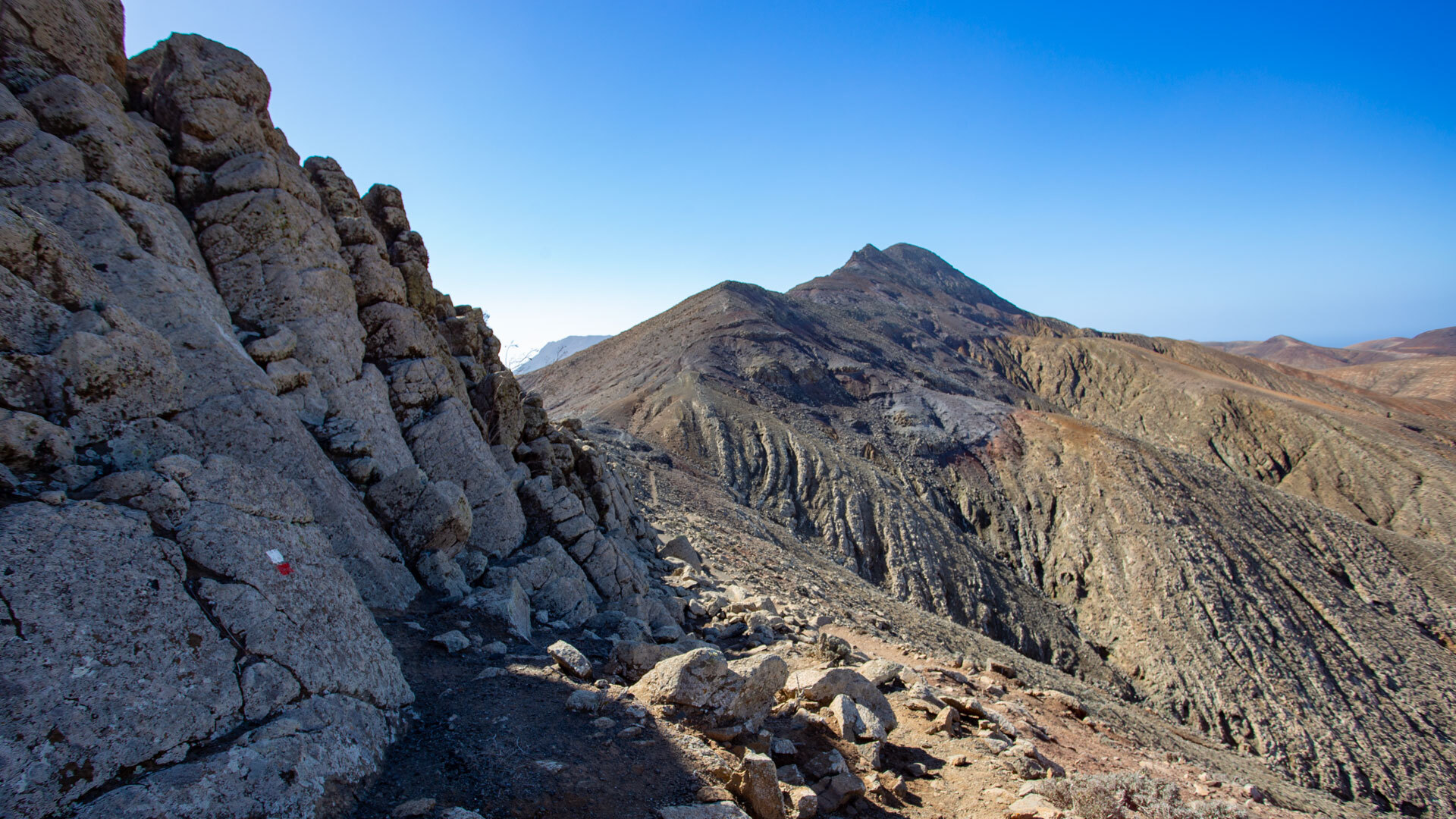
The north of the island belongs to hikers seeking silence: volcanic craters, lava fields and gentle hills from which you can see the sea on both sides. The tours around Lajares, Corralejo and La Oliva are breathtaking – and yet barely visited.
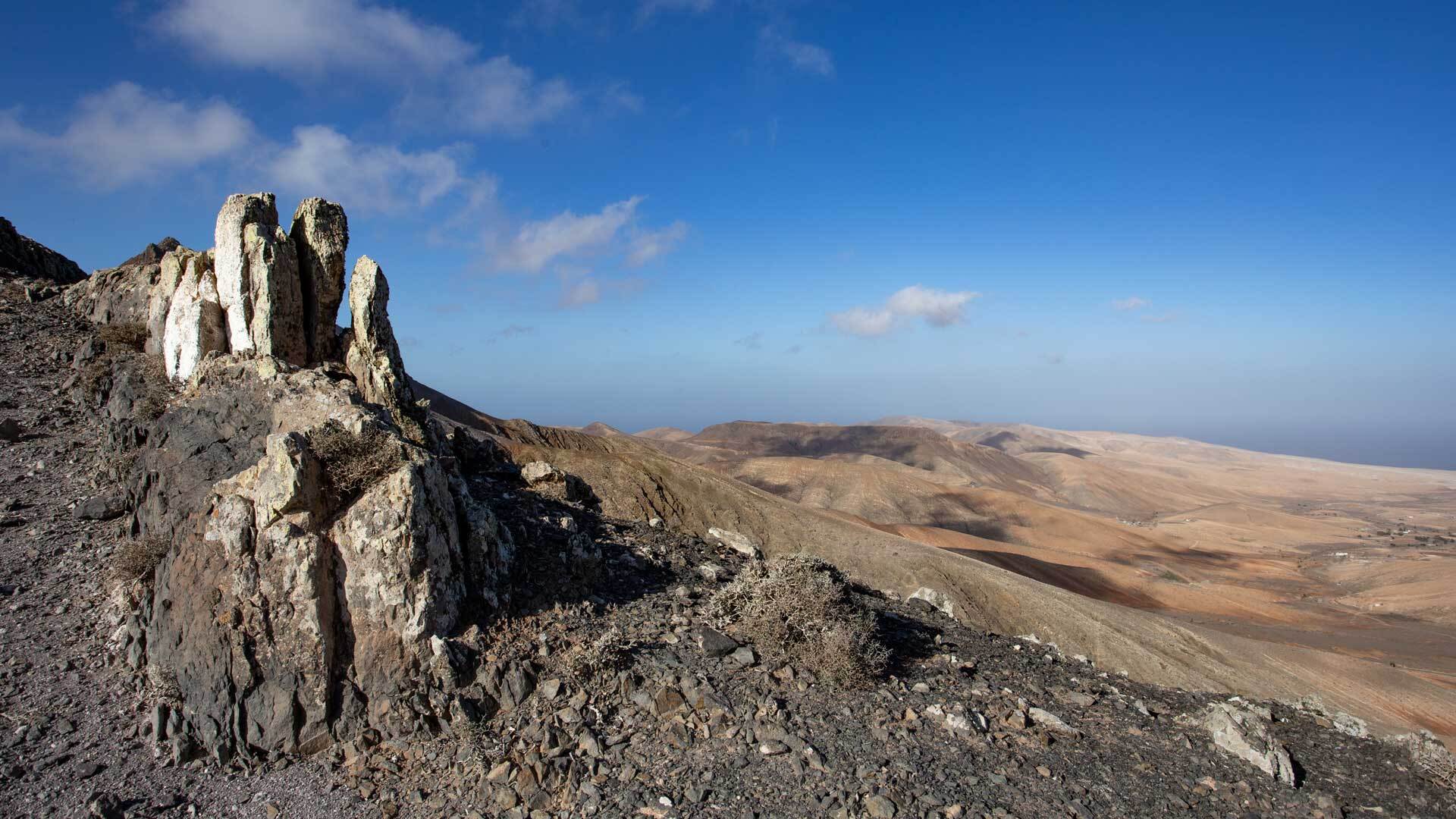
All Hiking Routes on Fuerteventura – Easy to Challenging
Whether beginner or expert: our complete hiking overview covers all recommended tours – with details on length, elevation gain, difficulty level and how to get there.
Food & Drink on Fuerteventura – Cuisine, Classics & Culinary Tips
Fuerteventura’s cuisine is hearty, honest and deeply rooted in the Canarian tradition. Papas arrugadas with mojo, grilled fish straight from the boat, the famous Majorero goat’s cheese – to truly taste the island, you must know its cuisine.
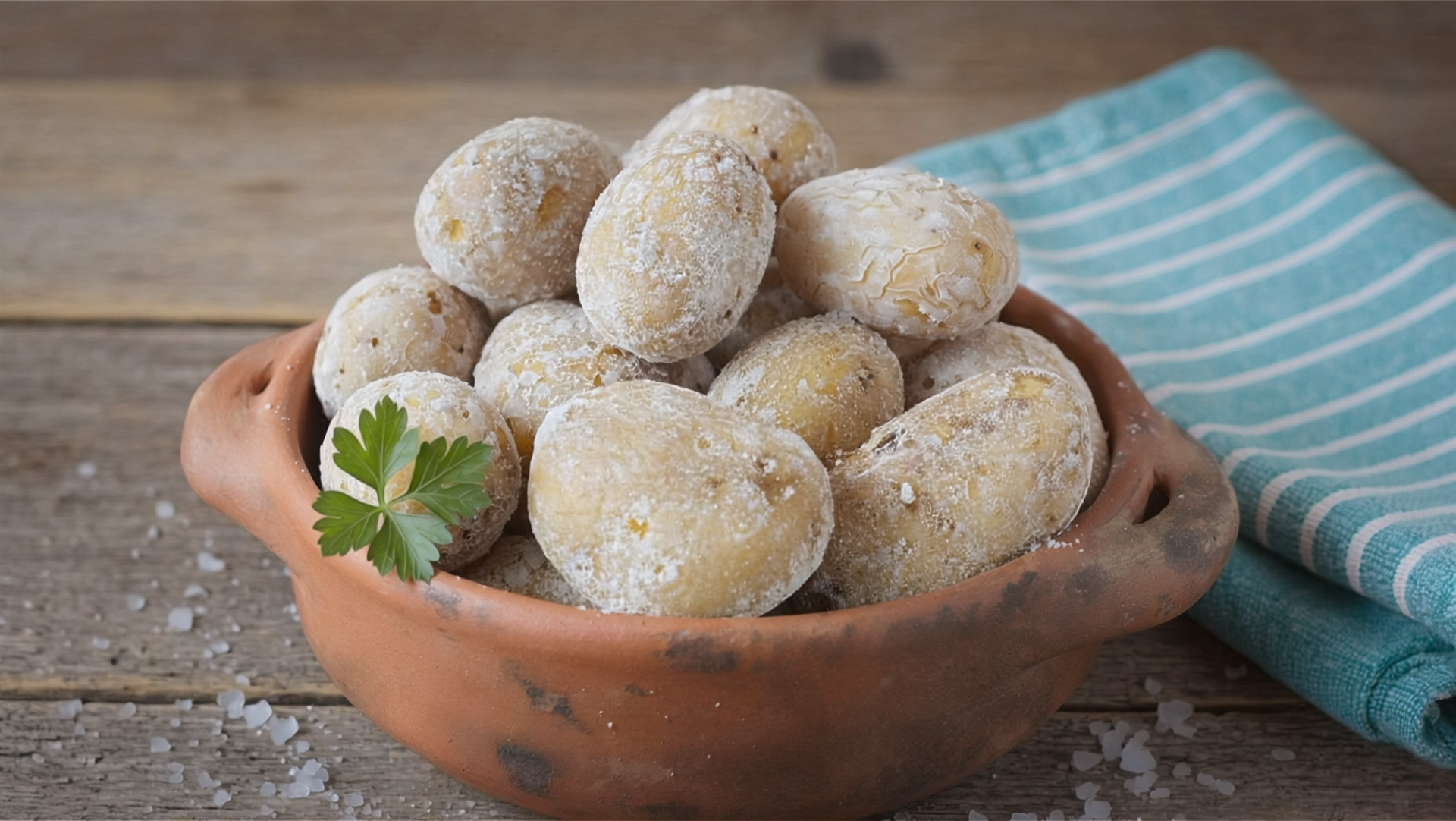
Small, wrinkled salt potatoes with two mojo sauces – red and green – are the national dish of the Canary Islands. Simple to prepare, irresistible in flavour. On Fuerteventura you can get them everywhere: as a tapa, as a side dish, as a main course. Once you’ve tried them, you’ll always want more.
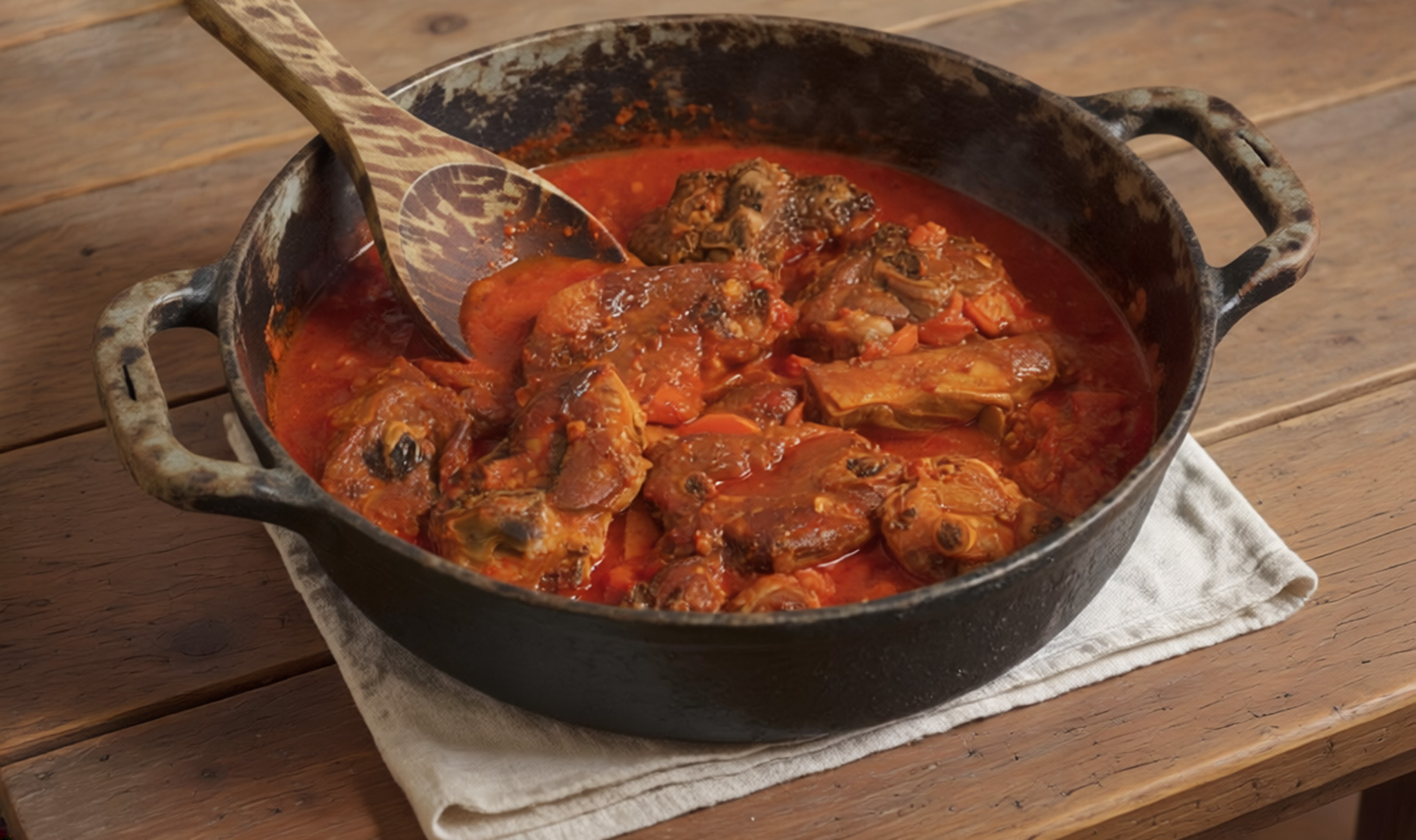
Cabrito al horno (oven-roasted kid), Conejo en salmorejo (rabbit in marinade) or Ropa vieja – Fuerteventura’s meat cuisine is rustic enjoyment with a long tradition. In the village restaurants of the island interior, the guachinches, you taste how the island really eats.
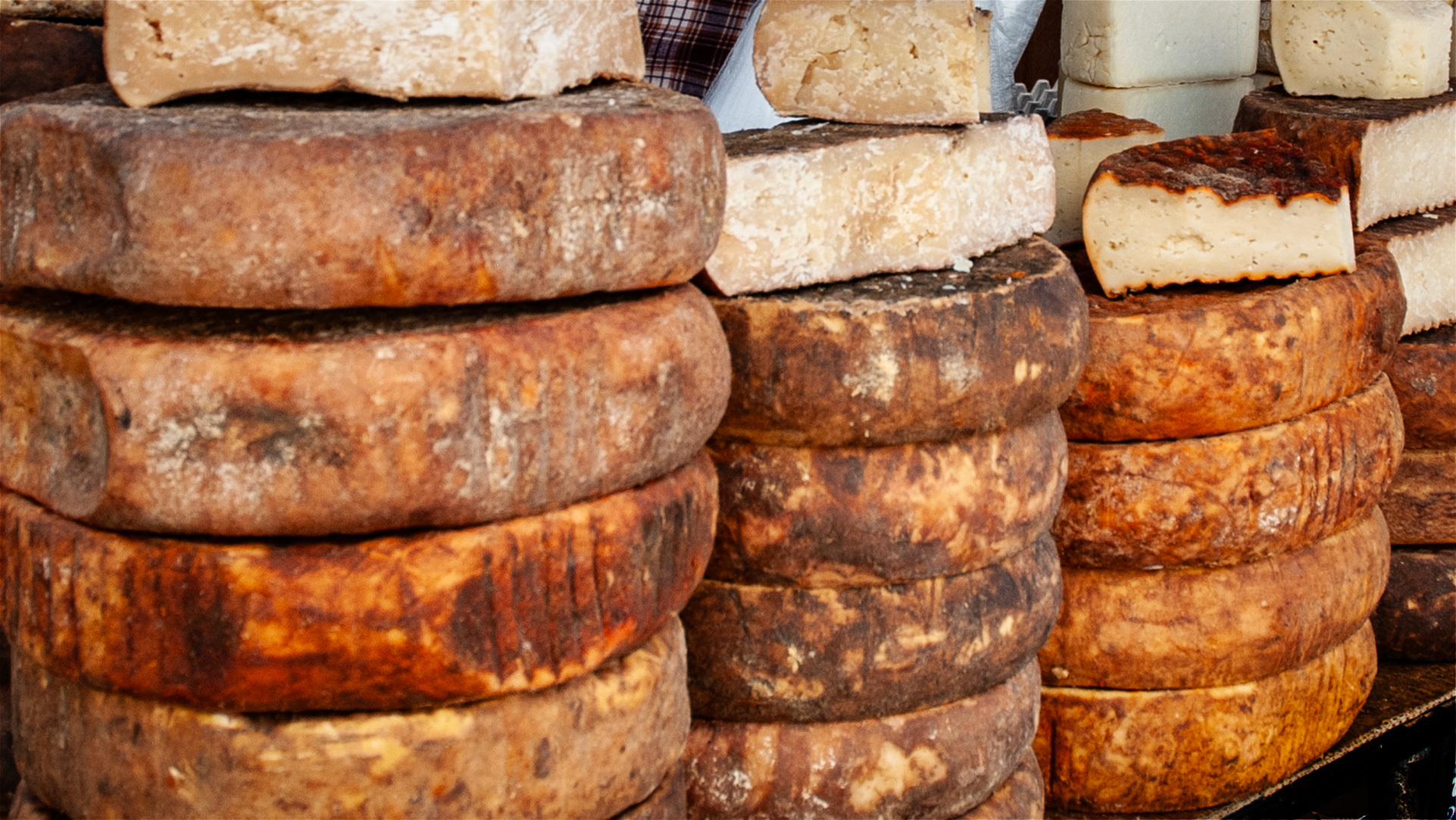
Majorero is the only cheese of the Canary Islands with a European Protected Designation of Origin (P.D.O.) – and one of the best goat’s cheeses in Europe. Made from the milk of the endemic Majorera goat, aged to different stages, refined with paprika or gofio: a flavour you’ll want to take home.
Food & Drink on Fuerteventura – The Complete Culinary Overview
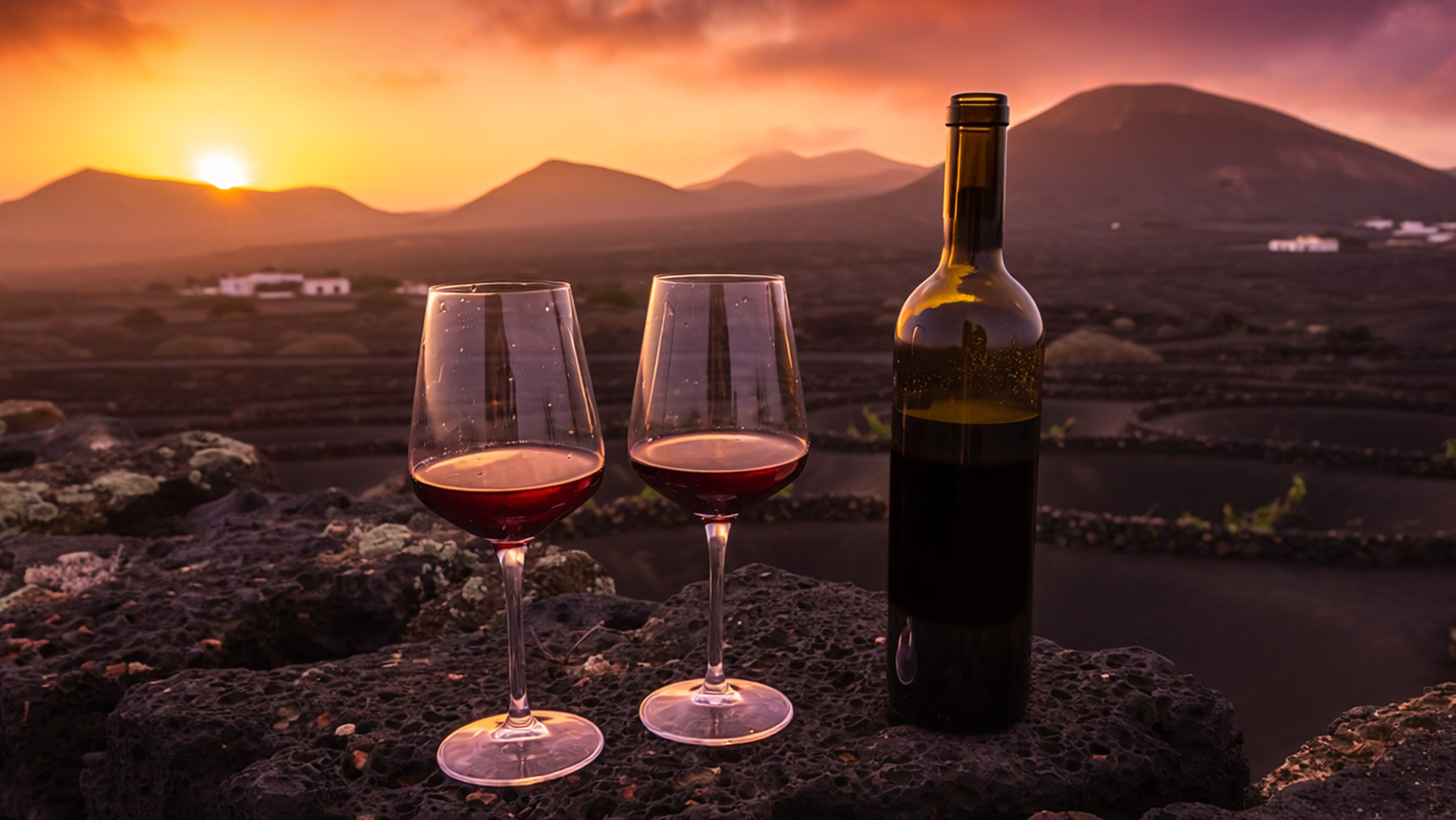
From fresh fish at harbour restaurants to a glass of Canarian wine at sunset: the island’s culinary variety is greater than many expect. Our overview guides you through the most important dishes, ingredients and local tips.
Island & Nature – Geology, Landscape & Biosphere
Since 2009, Fuerteventura has held the UNESCO Biosphere Reserve certificate – a recognition for the unique flora and fauna as well as the delicate balance between people and nature. The island is geologically fascinating, ecologically valuable and scenically extraordinary.
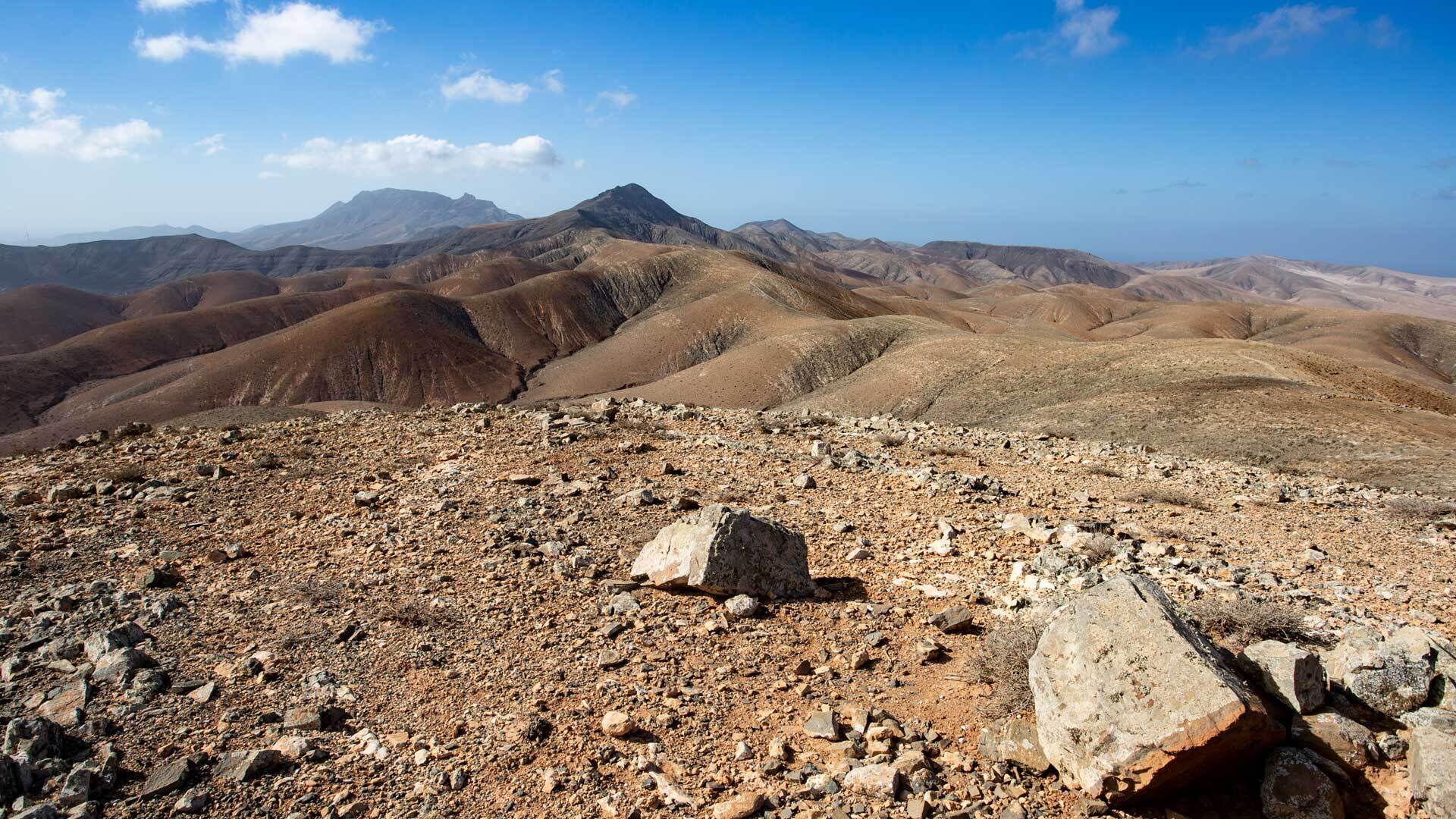
Fuerteventura is around 20 million years old – making it the oldest of the Canary Islands. Its surface is one vast geological map: lava fields, barrancos, sand plains and extinct volcanoes tell the story of an island that once rose from the ocean floor and has barely changed since. An overview of formation, geology and geography.
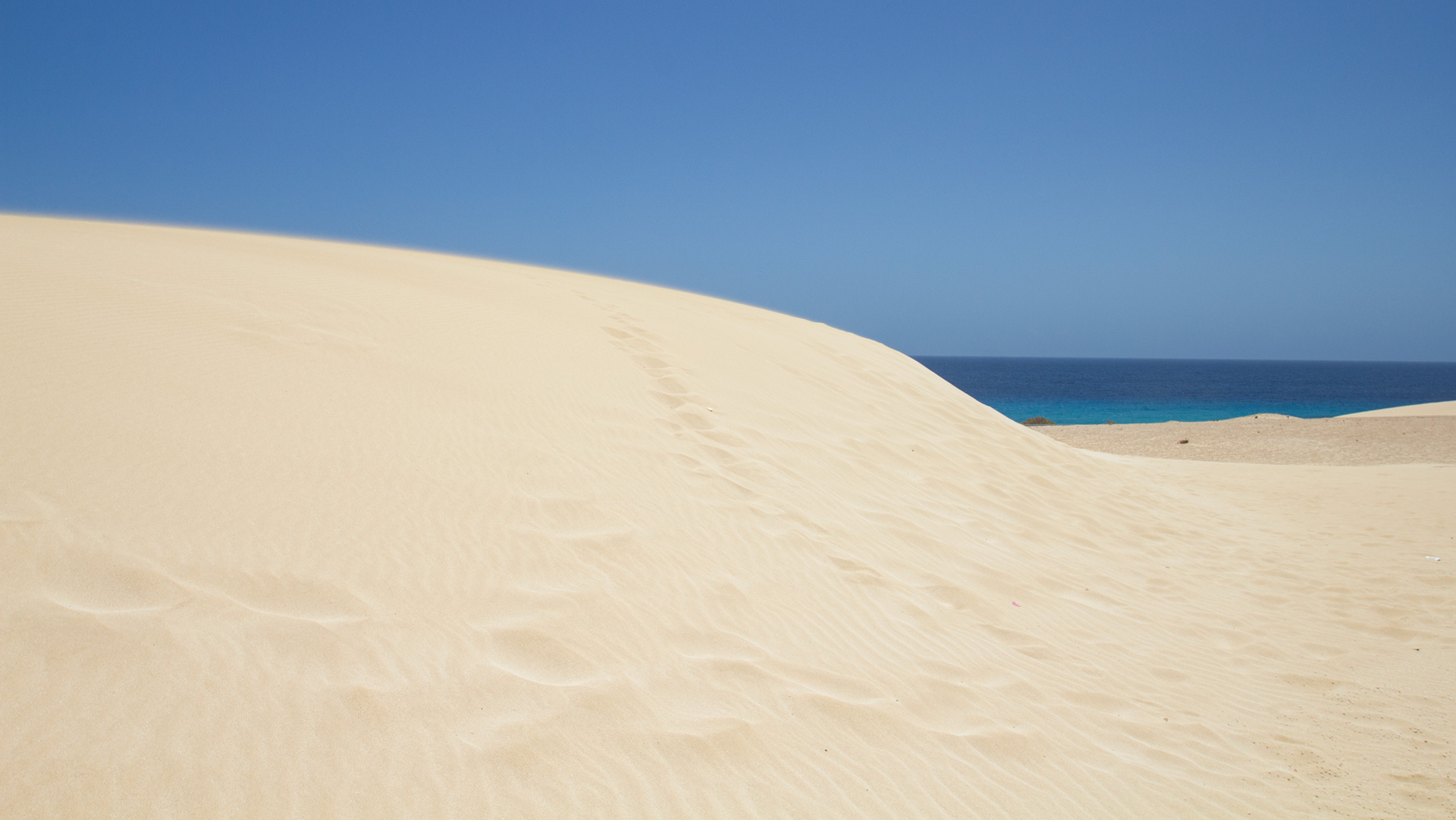
The Istmo de la Pared is the natural boundary between the main part of the island and the Jandía peninsula – a narrow sandy isthmus, with calm Atlantic bays on one side and rugged cliffs on the other. A natural wonder that must be seen with one’s own eyes.
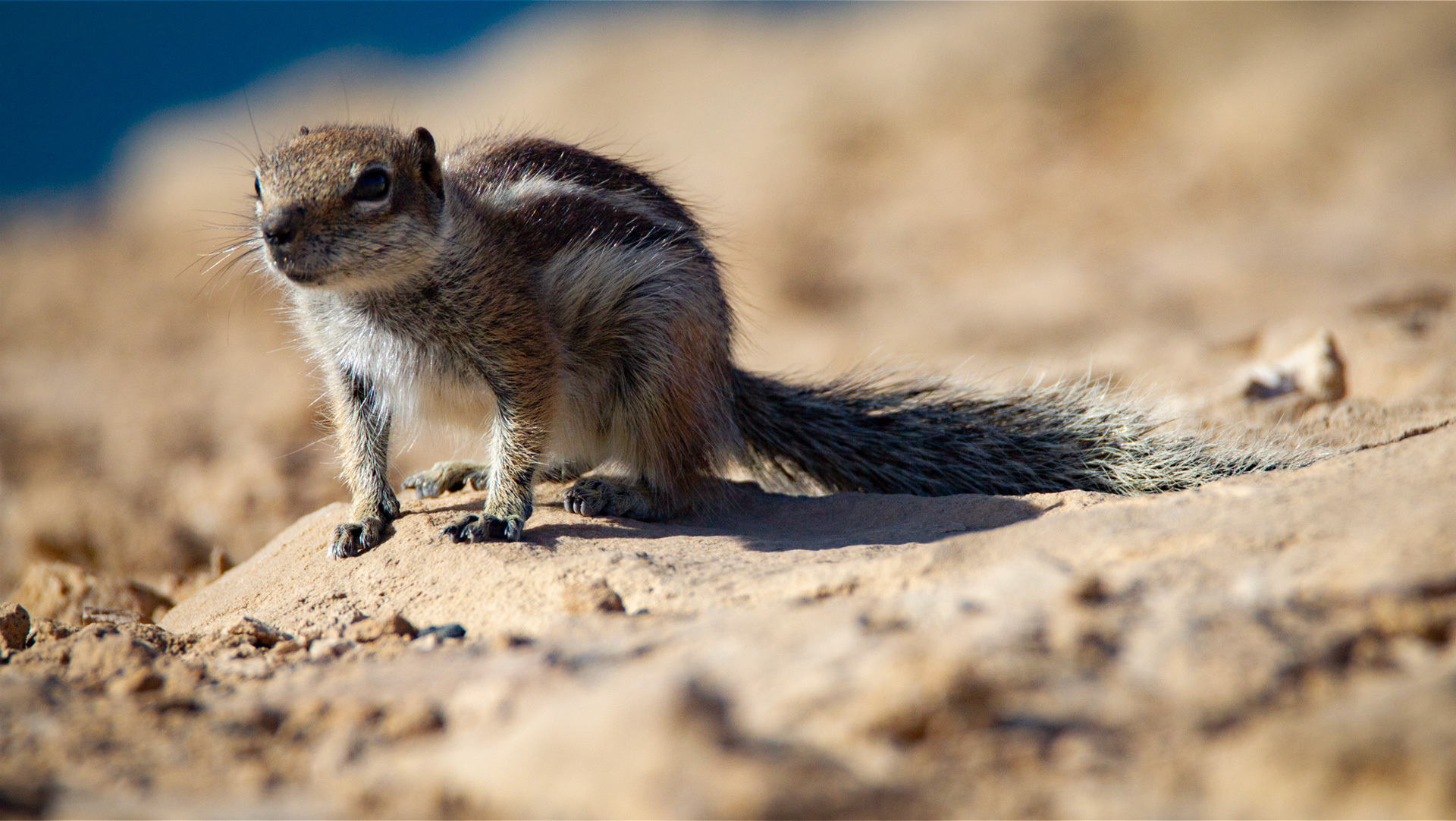
Despite the arid climate, Fuerteventura is full of life: tabaibas, cardones and salt plants colonise the barren plain. Sea turtles lay eggs on remote beaches beaches. Endemic bird species such as the Fuerteventurastonechat are found only here. An overview of the island’s most remarkable wildlife.
Magazine – Stories, Road Trips & Excursion Destinations
Fuerteventura is more than a destination – it’s a mood. In the GO Fuerteventura magazine you’ll find features, road trip ideas, excursion destinations and inspiring stories from and about the island.
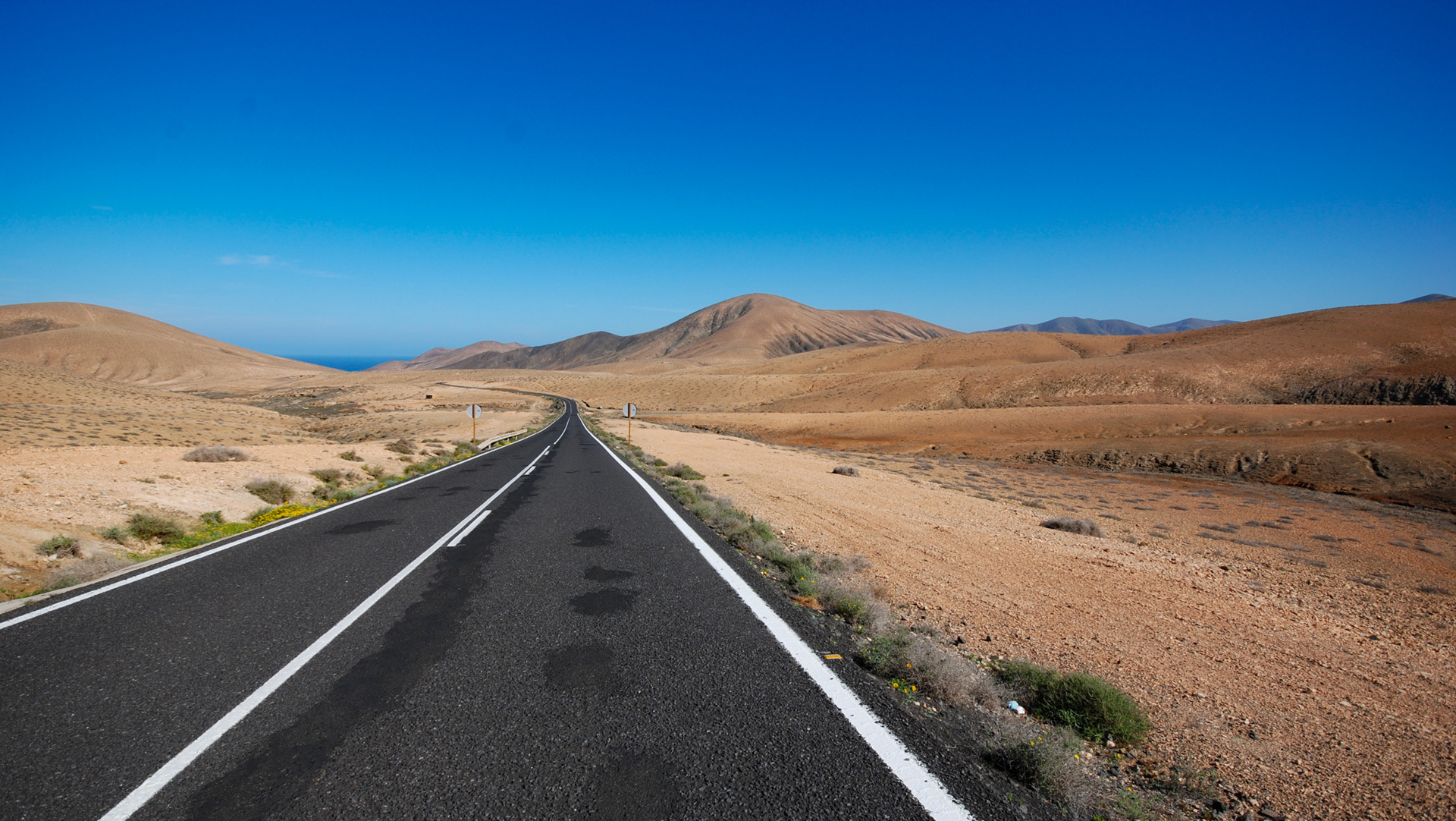
No sat nav, no travel plan – just a hire car, an island and the freedom to simply set off. Fuerteventura is perfectly suited like few other islands for spontaneous discovery tours: wide tracks leading to nowhere, remote beaches at the end of a gravel road, small bars in villages that appear on no map.
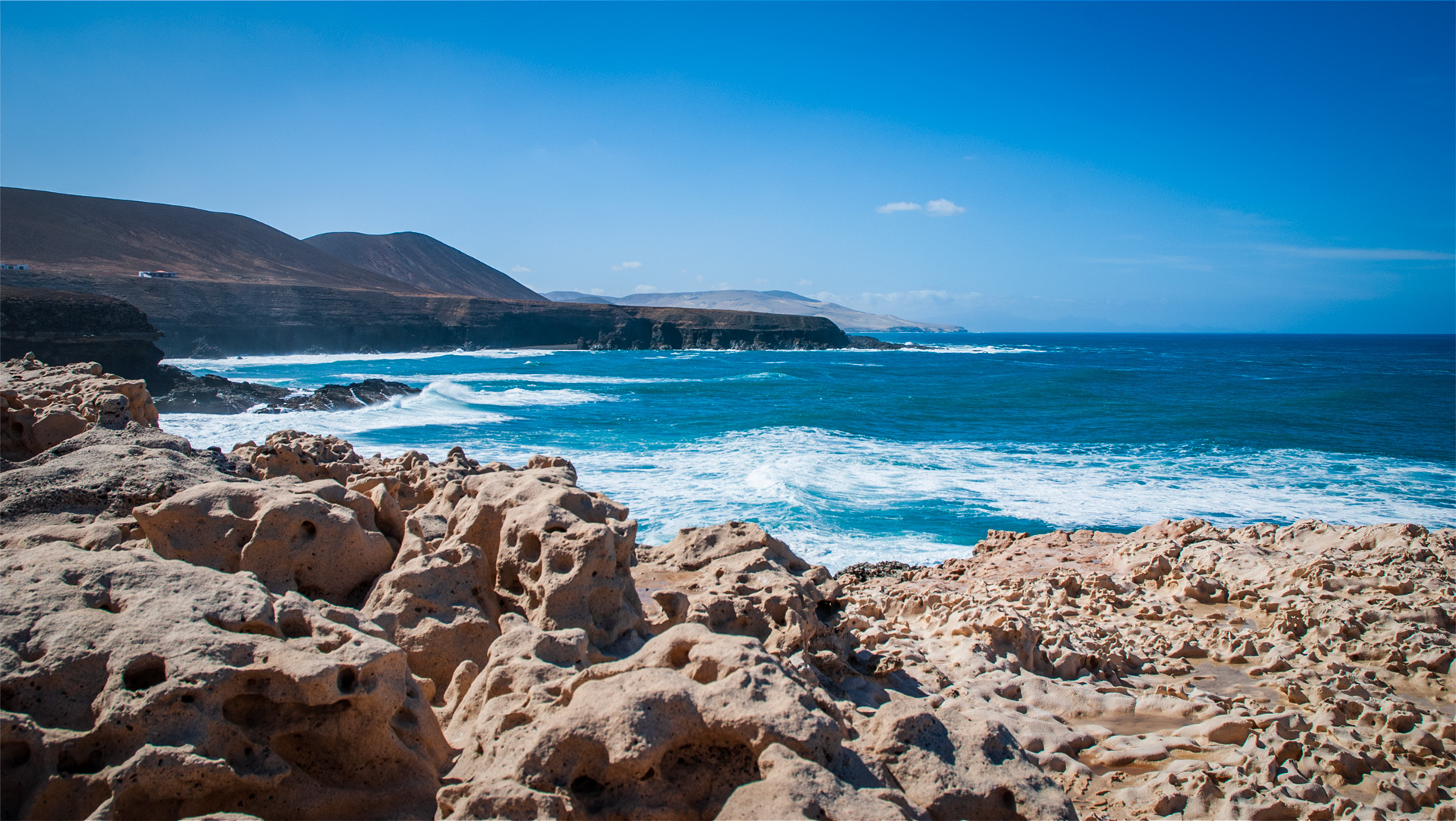
From Betancuria to Cofete, from Faro de la Entallada to Cueva del Llano: these 13 sights show just how diverse Fuerteventura really is. A curated list of the most beautiful and interesting places on the island – for those who want more than just beach.
Travel Tips for Your Holiday on Fuerteventura
Vom hire car from getting there to Spanish etiquette and weather: here you’ll find all the practical information you need for a relaxed and well-prepared holiday on Fuerteventura holiday.
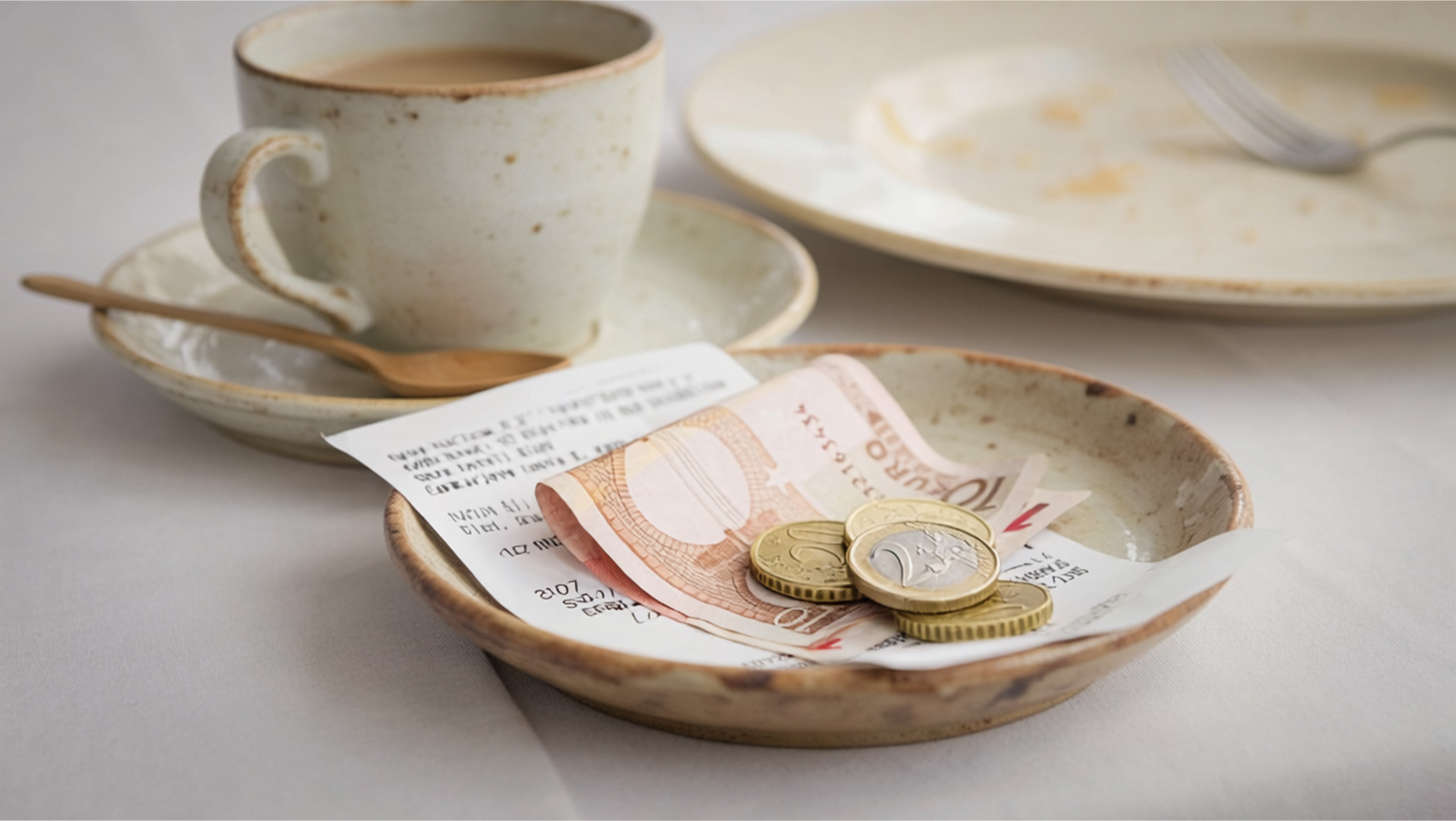
Anyone in Spain and on the Canary Islands who is well-received knows a few unwritten rules: the lunch break is sacred, greetings are warm and extended, and anyone who eats too early dines alone. A friendly etiquette guide for all those who want to experience more of Fuerteventura than just the hotel resort.
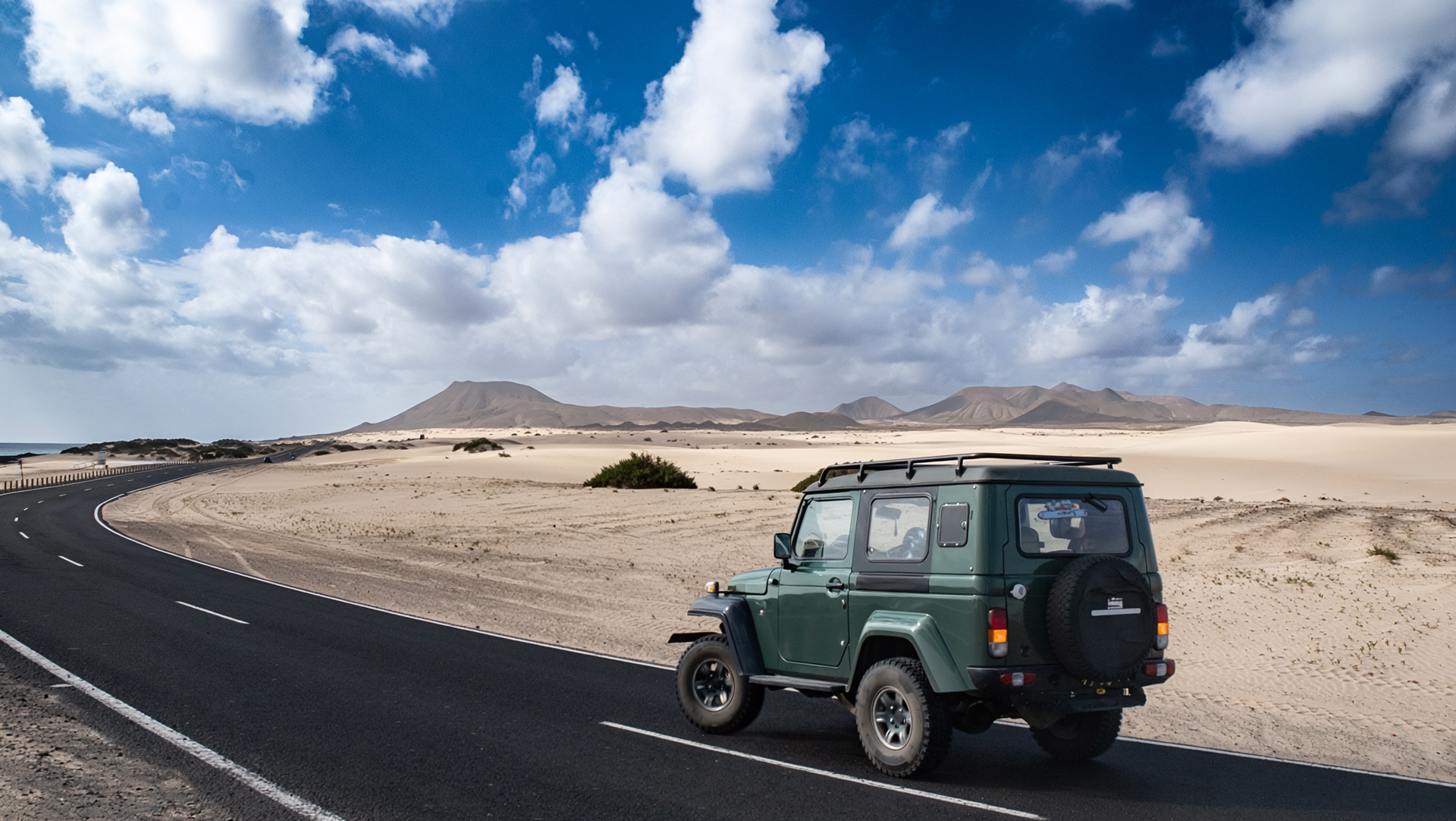
Ein hire car is on Fuerteventura not a luxury but a necessity. Many of the most beautiful beaches, volcanoes and viewpoints are unreachable without your own vehicle. Which category is worthwhile? What does a car cost in the off-season? Do I need four-wheel drive for Cofete? All answers here.
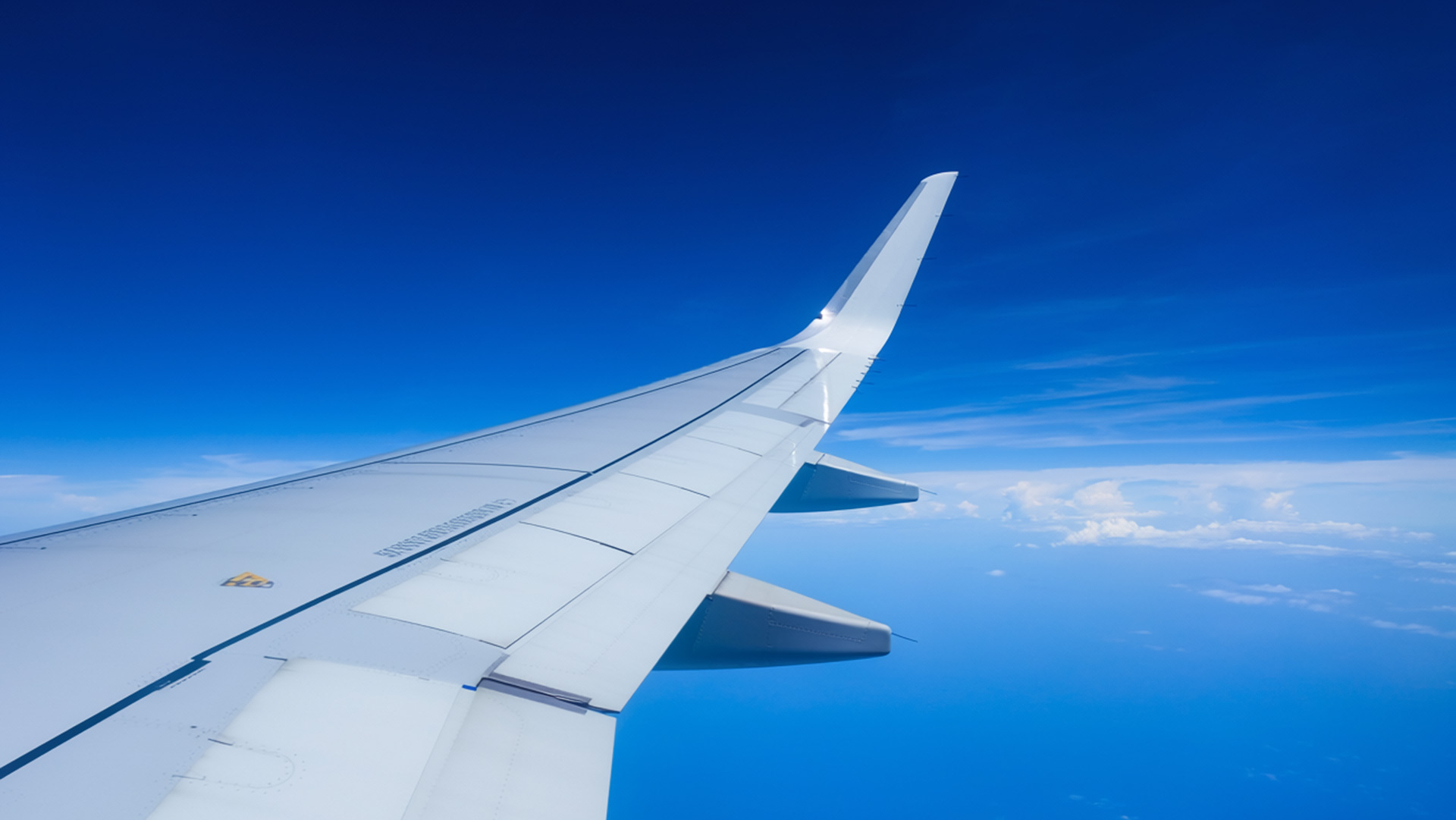
Puerto del Rosario Airport (FUE) is served directly from almost all major German airports – flight time around four hours. Which airlines fly, when the cheapest times are and what you should do first after landing: your journey begins at the point of booking.
All Travel Tips for Fuerteventura – Practical & Up to Date
Entry requirements, currency, language, health, safety, best time to travel: our travel tips answer all the questions that arise before your first Fuerteventura holiday – compact, up to date and first-hand.
Frequently Asked Questions about Fuerteventura (FAQ)
Fuerteventura is suitable year-round. For beach and swimming, May to October is ideal. For hiking, November to March is recommended. The strongest winds occur in summer – perfect for surfers and kitesurfers.
From most German airports, the direct flight to Fuerteventura (FUE Airport) takes around 4 to 4.5 hours.
The most spectacular natural beach is Playa de Cofete. For families, the Grandes Playas de Corralejo or the beaches around Morro Jable are recommended. For surfers, Sotavento is the top choice.
Absolutely: papas arrugadas with mojo rojo and verde, fresh fish at a harbour restaurant and the local goat’s cheese Queso Majorero – ideally direct from the producer.
Yes, very much so. Over 500 km of marked hiking trails, the long-distance trail GR 131 and areas such as Jandía Natural Park or Betancuria Landscape Park make the island a hiking paradise.
Yes – a hire car is highly recommended. Many of the most beautiful beaches, volcanoes and viewpoints are barely accessible by public transport.