Fuerteventura – The Oldest Canary Island and Its Eternal Spring
There are places that leave you speechless at first sight. Fuerteventura is one such place. Anyone who steps off a plane for the first time and sees the vast, golden-brown landscape spread before them – the bare volcanic peaks, the glittering sea, the relentless wind – understands immediately: something is different here. The earth still breathes here.
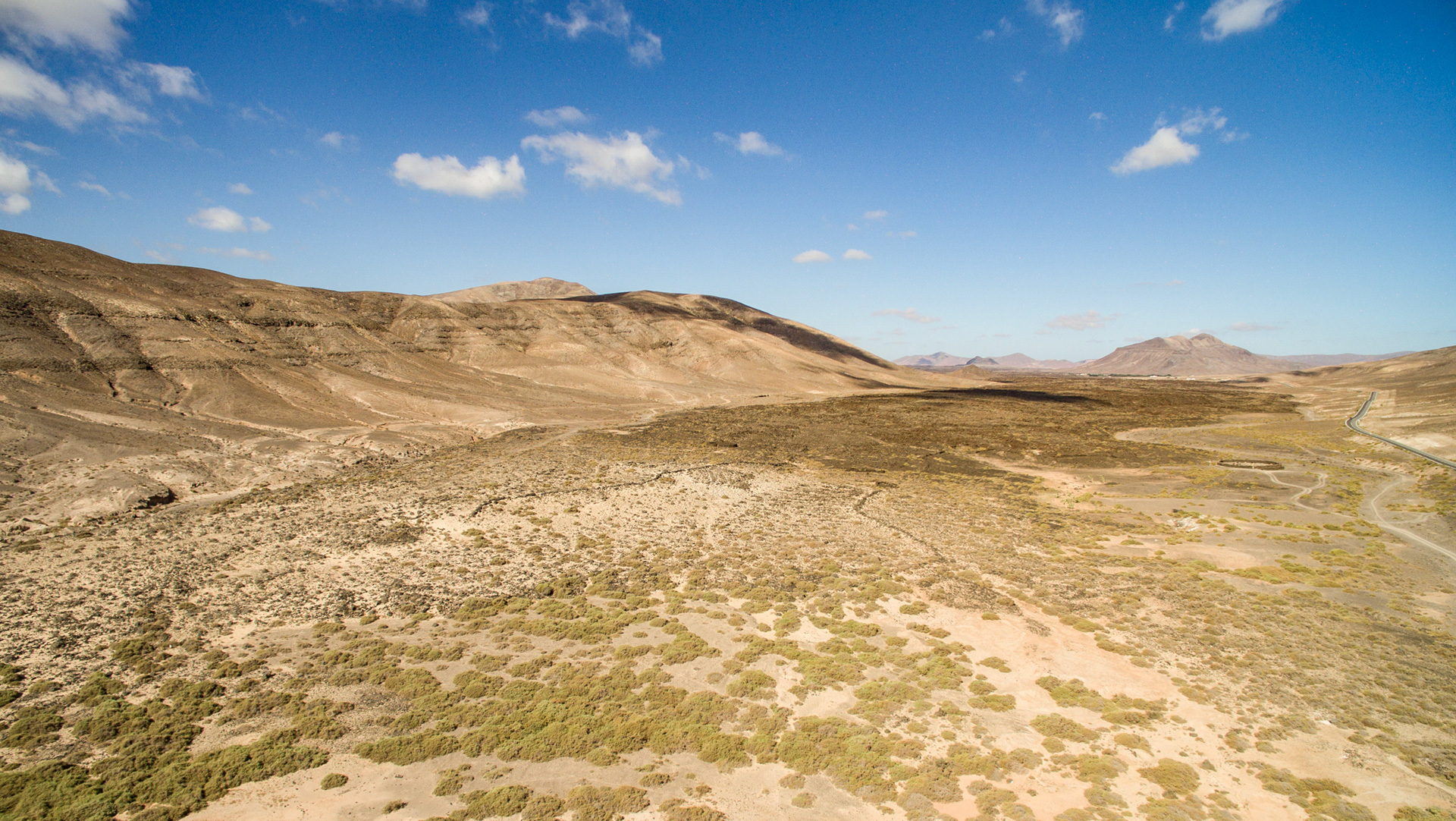
Fuerteventura is the second-largest and at the same time the oldest island of the Canary Archipelago. It lies around 120 kilometres off the African coast – closer to the Sahara than to any European metropolis. And yet for decades it has been one of the most popular holiday destinations for visitors from Germany, Austria, and all across Europe. Not in spite of its barrenness. But because of it.
Volcanic Origins: An Island That Knows Time
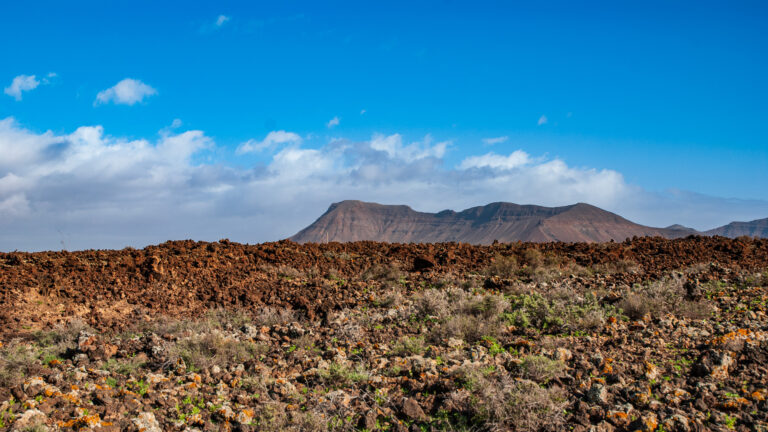
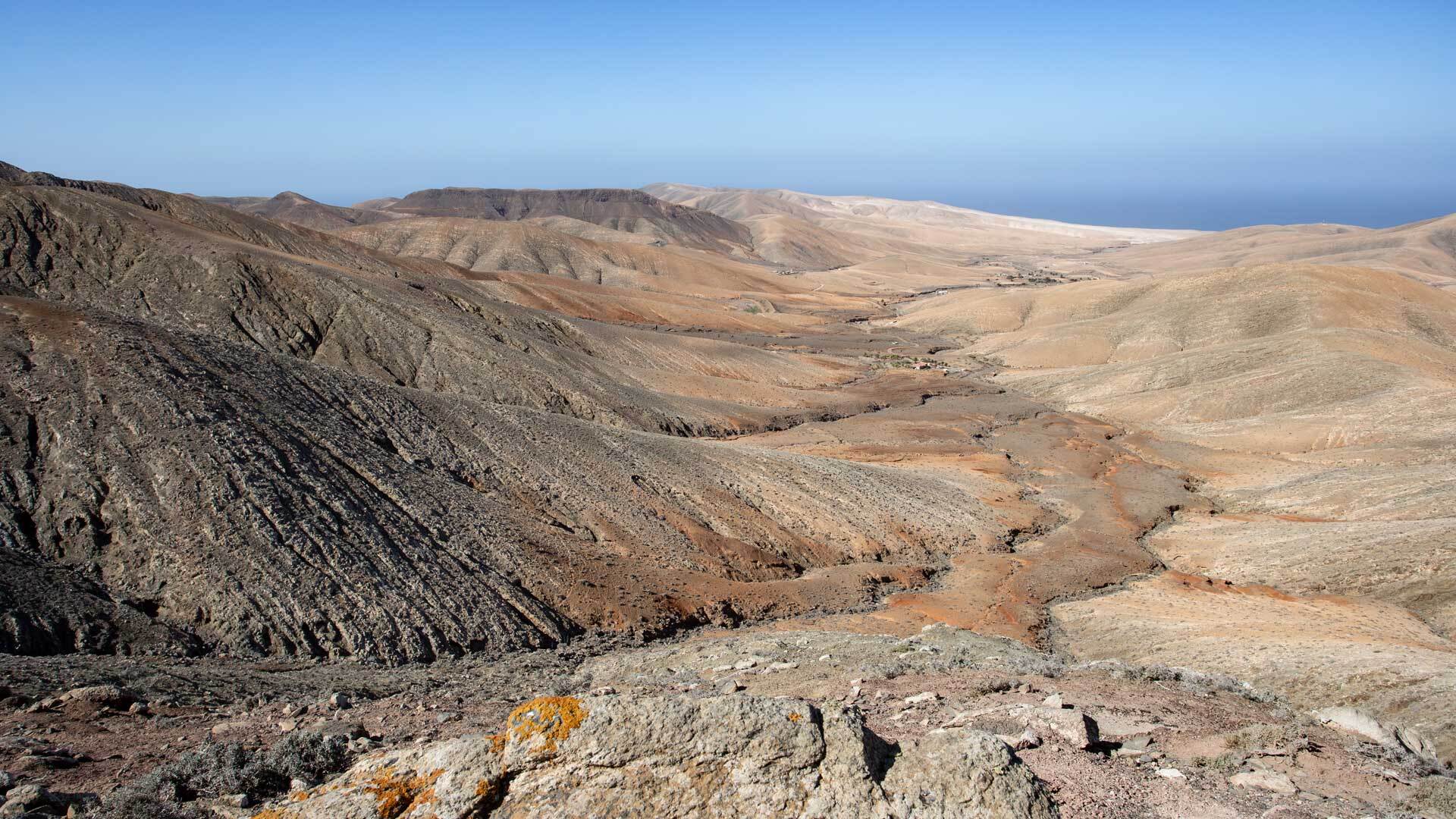
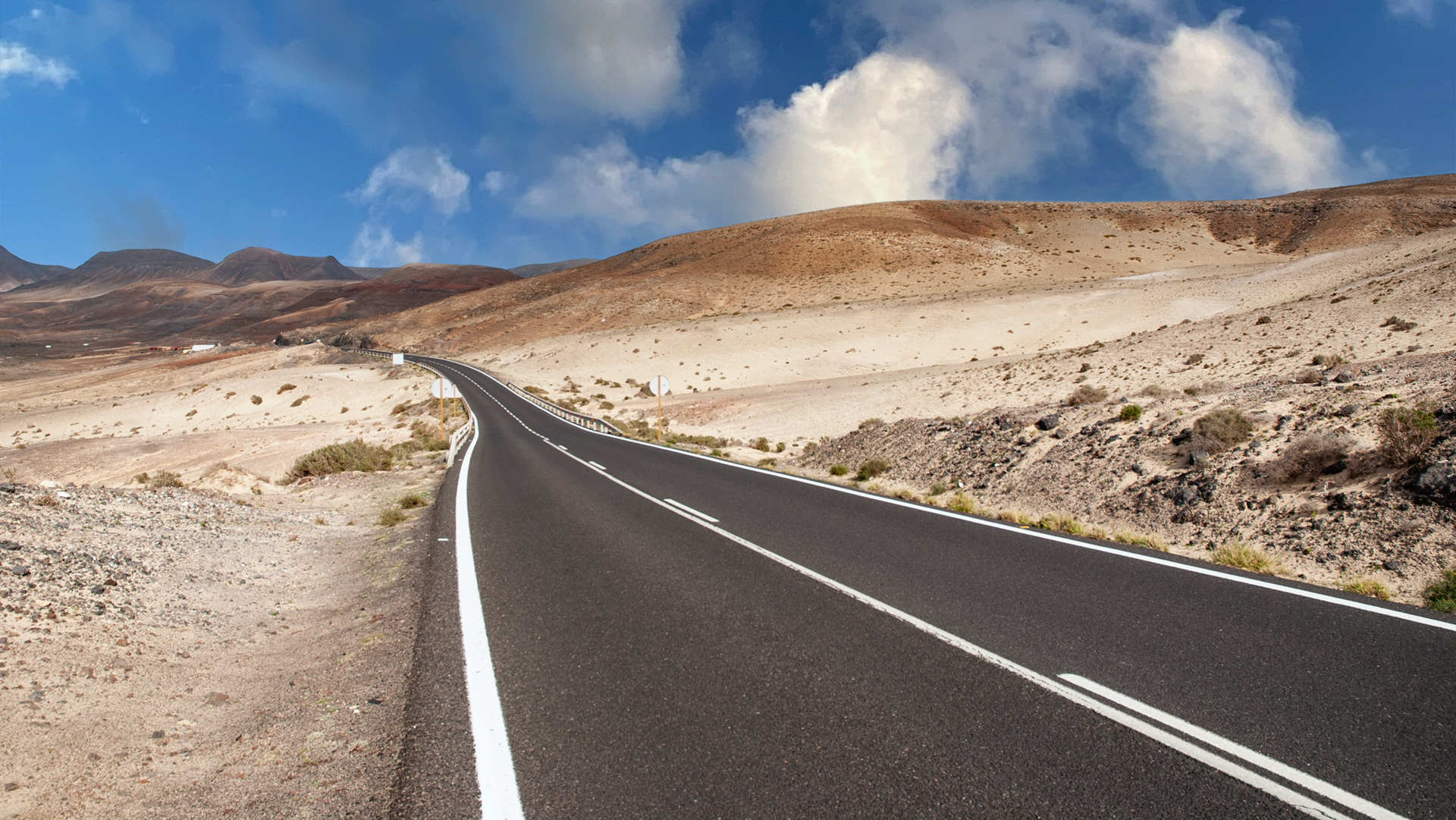
All the Canary Islands were formed through volcanic activity – but Fuerteventura bears its age more visibly than any other. Erosion has worked on it for millions of years, wearing down the sharp edges of the volcanoes, shaping the plains, hollowing out the rocks. The result is a landscape of quiet, almost meditative power.
The island is divided into two natural parts: the northern Maxorata and the southern Jandía, connected by the narrow isthmus of Istmo de la Pared. Crossing this isthmus, you feel as though you are riding from one world into another – from the lively, wind-lashed northern coast into the gentle, sweeping beach landscapes of the south.
Geology here is no dry school subject. It can be seen, felt, smelt: the black lava ground beneath your feet, the ancient craters on the horizon, the red rock that seems to glow in the evening light.
Climate: Why Fuerteventura Is Called the “Hawaii of Europe”
There is good reason why Fuerteventura is called the “Island of Eternal Spring” or even the “Hawaii of Europe”. Temperatures range throughout the year between a pleasant 20 °C in winter and around 28 °C in summer. Rain is a rarity – an event the locals are still talking about days later.
Responsible for this is the north-east trade wind, which blows steadily across the island. It keeps the dry, hot air of the nearby Sahara at bay, ensures low humidity, and makes even the hottest summer days bearable. This wind has also made Fuerteventura one of the best places in the world for windsurfing and kitesurfing.
150 Kilometres of Beach: The Beaches of Fuerteventura
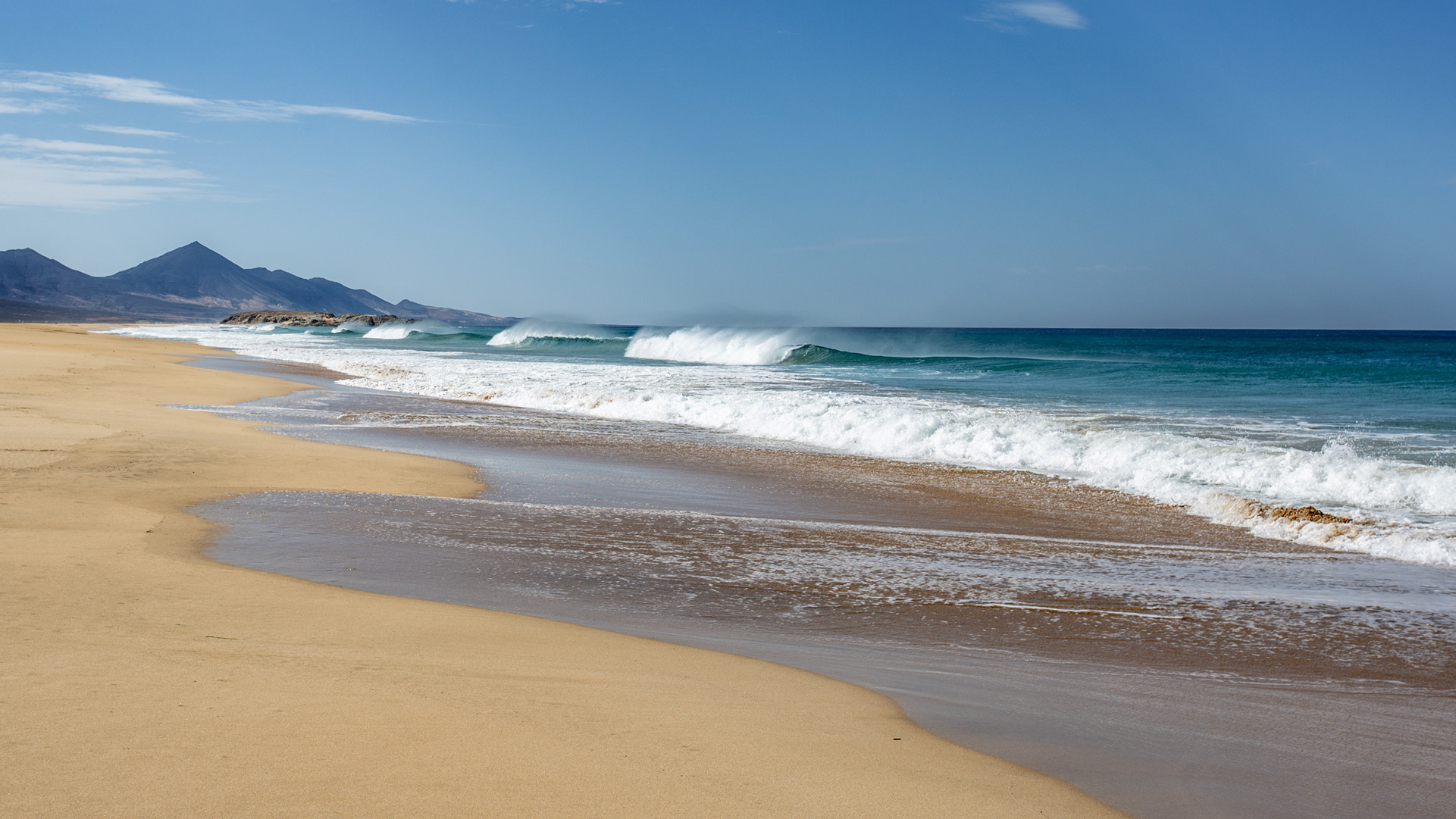
When speaking of beaches on Fuerteventura, one speaks in superlatives. Over 150 kilometres of sandy beach surround the island – white, expansive, sometimes deserted. These are beaches where you can walk for hours without seeing the end.
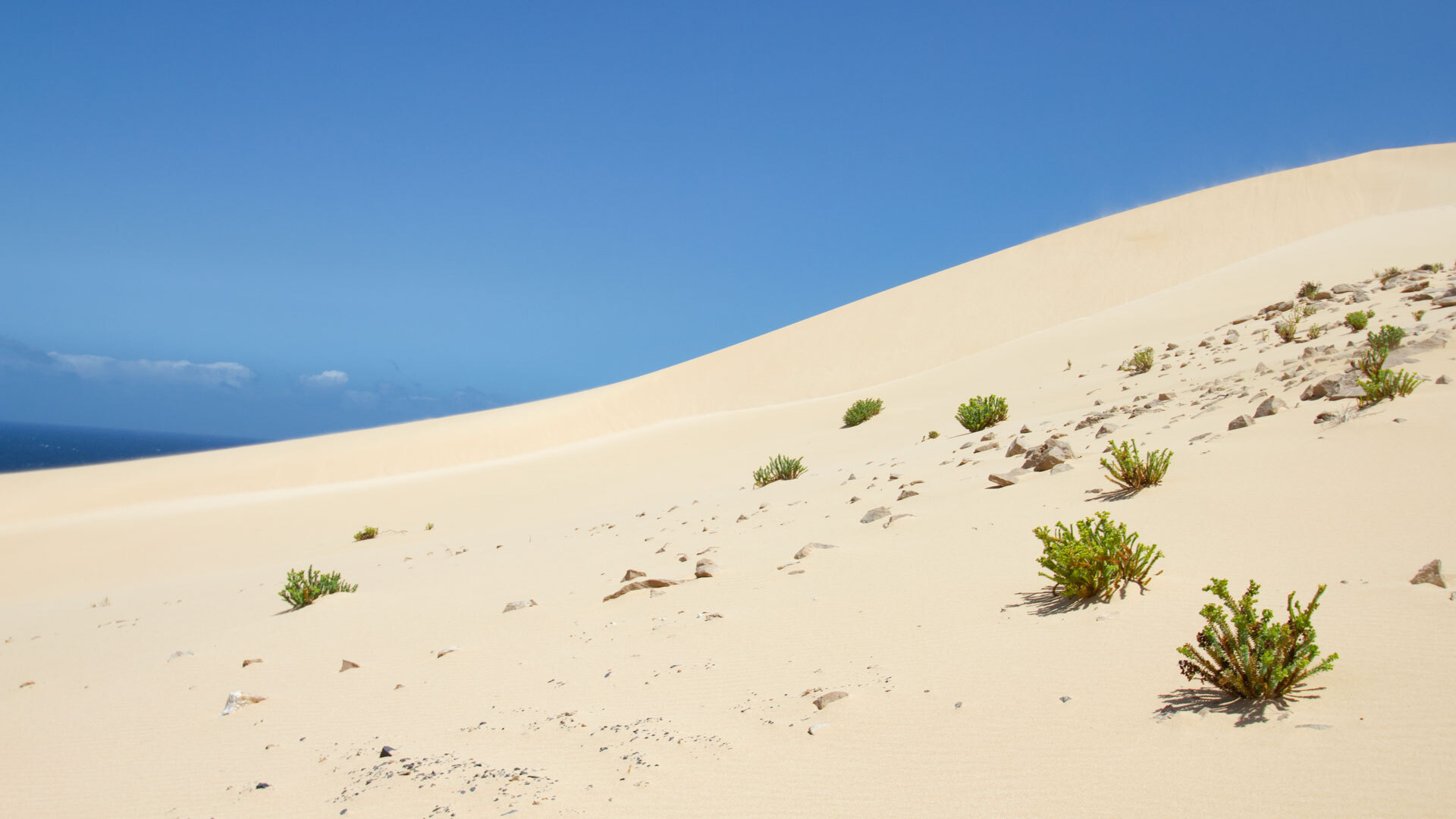
The most well-known beaches are found in the north and south. The shifting dunes of Corralejo in the north are a natural spectacle of a special kind: kilometres of sand dunes that lean against the sea like a desert. The turquoise of the water beyond appears almost unreal.
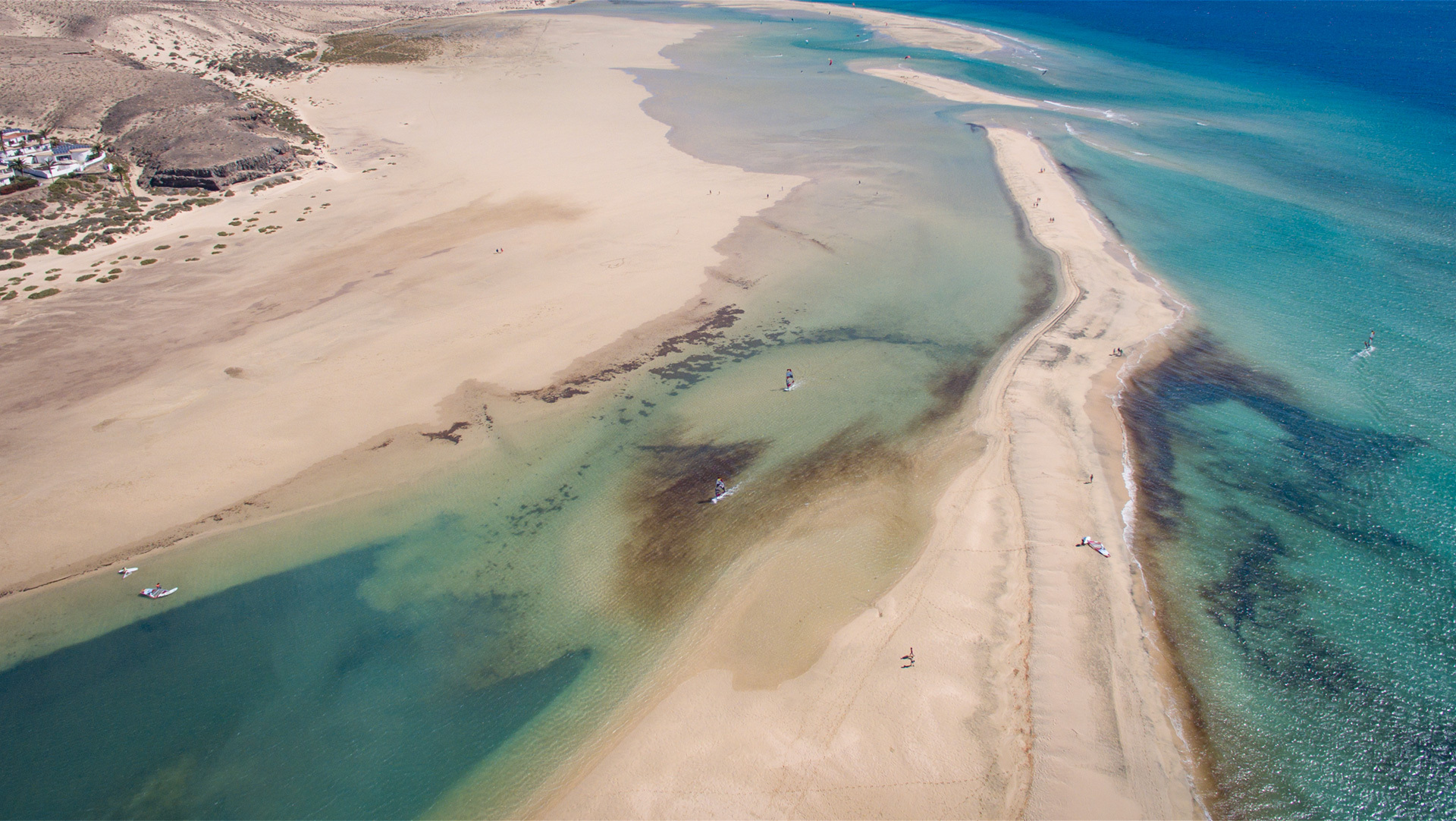
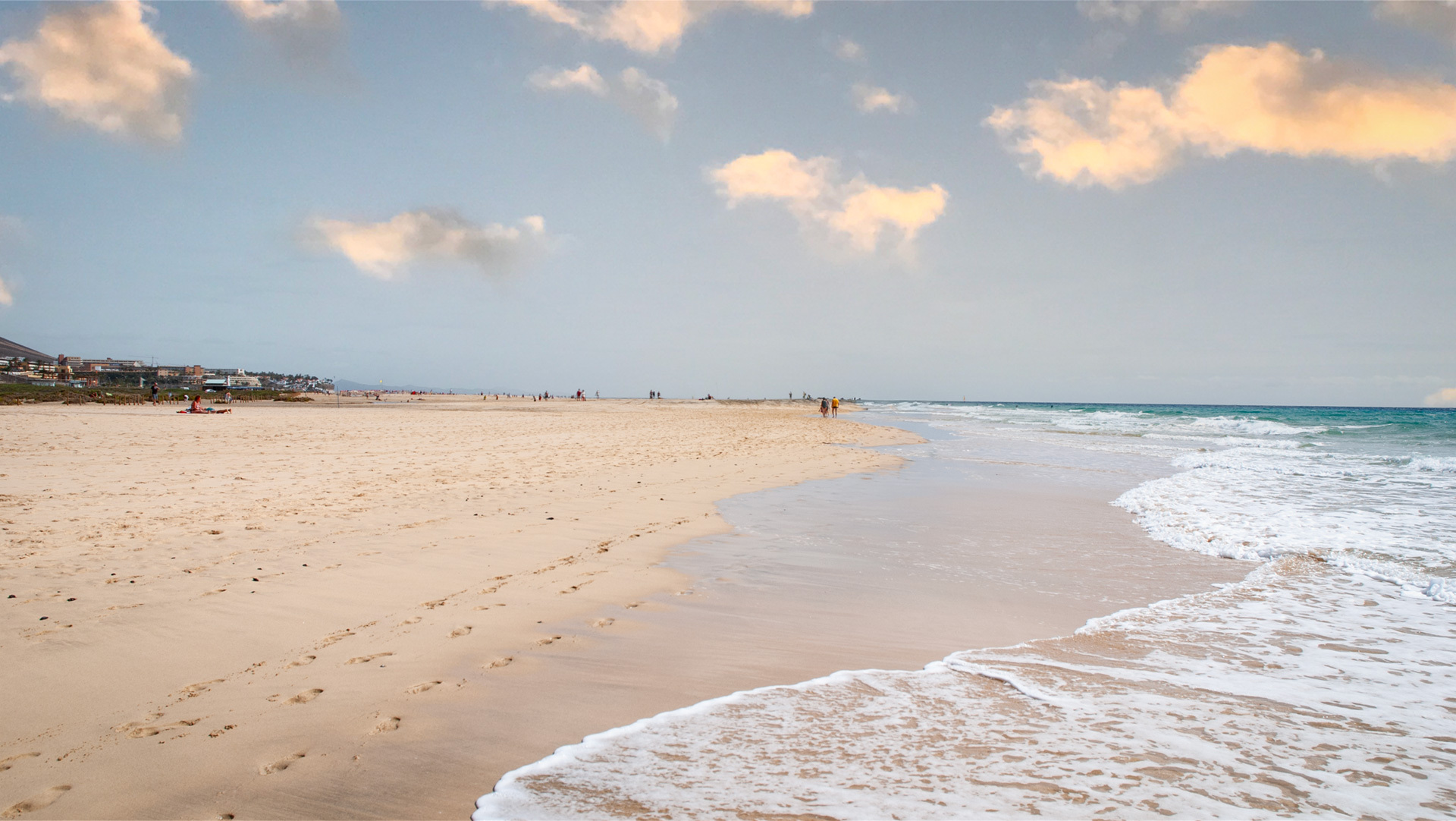
In the south, the Sotavento Lagoon beckons – shallow, turquoise water that transforms into a vast natural swimming pool at low tide. This is where the legendary PWA Windsurfing World Cup takes place every year. The beaches around Costa Calma, Jandía, and Morro Jable are the mecca for sun-worshippers, families, and all those who simply want to arrive and unwind.
The Regions of the Island: From the Lively North to the Quiet South
The North: Corralejo and El Cotillo
The north of Fuerteventura is dynamic, colourful, and young. Corralejo is the heart of it – a place that hovers somewhere between a relaxed surfer village and a lively holiday resort. From here, the ferry departs to Isla de Lobos, a small, almost deserted island of quiet beauty, belonging to the municipality of La Oliva.
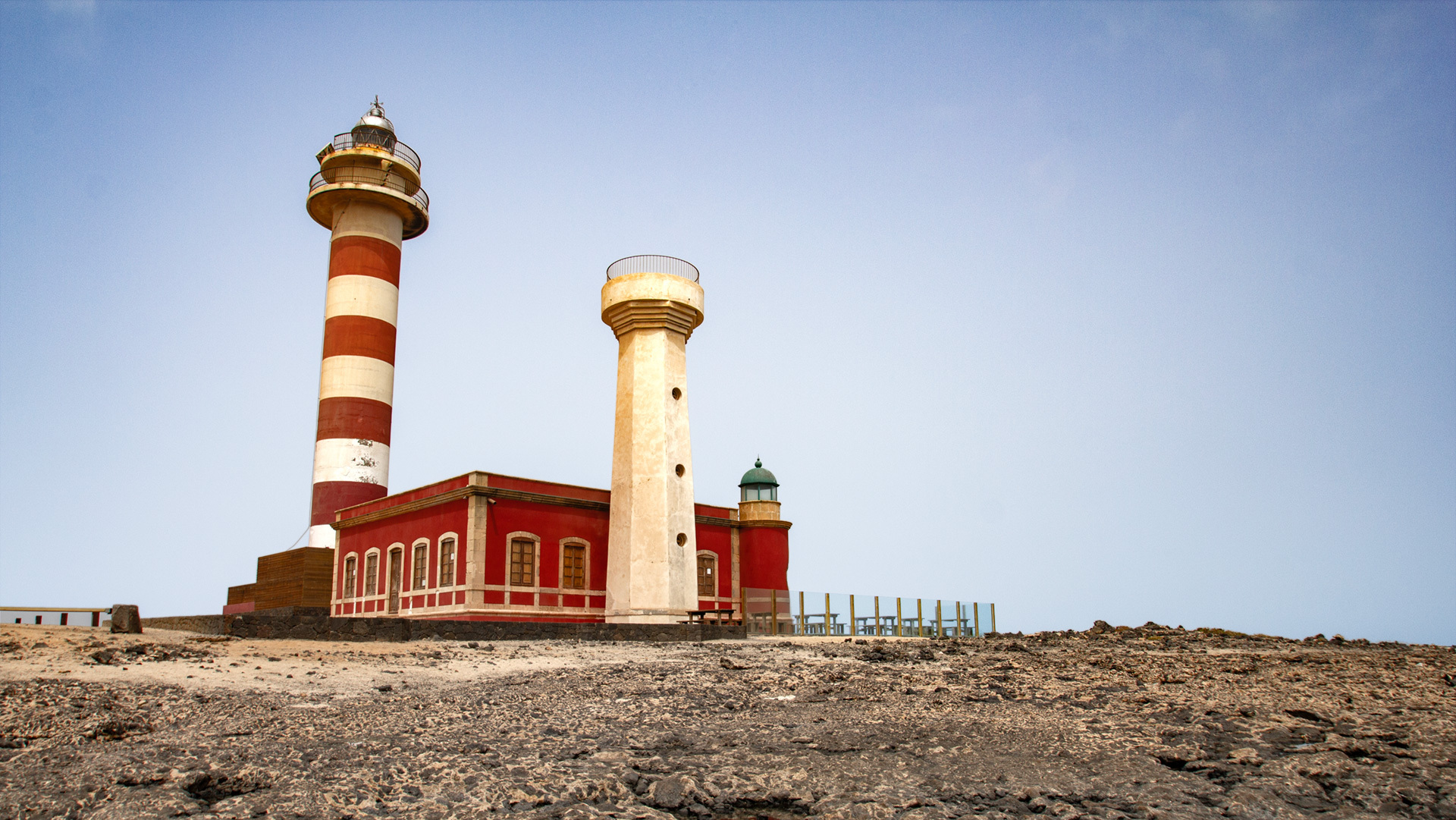
Further to the west lies El Cotillo, rougher, windier, more unspoilt. Here surfers from all over the world come together. The North Shore is considered one of the best surf spots in Europe.
The Centre: Puerto del Rosario and Betancuria
The cultural heart of the island beats in the centre. Puerto del Rosario, the capital, is also home to the international Fuerteventura Airport – from here, scheduled and charter flights depart and arrive from all across Europe. Regional air connections and ferries additionally link the island to the other Canary Islands.
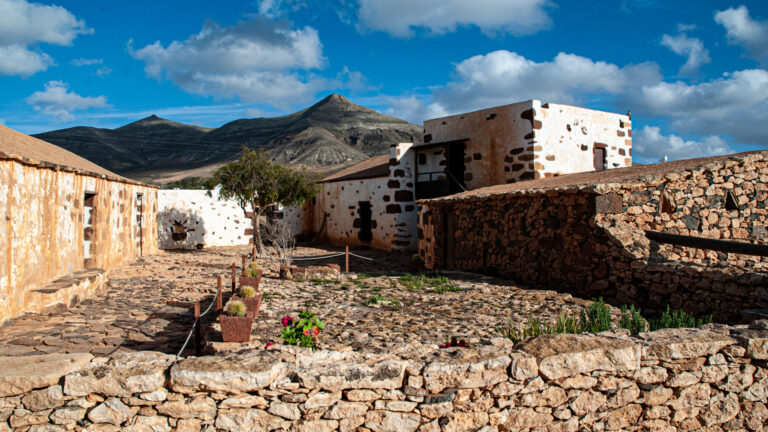
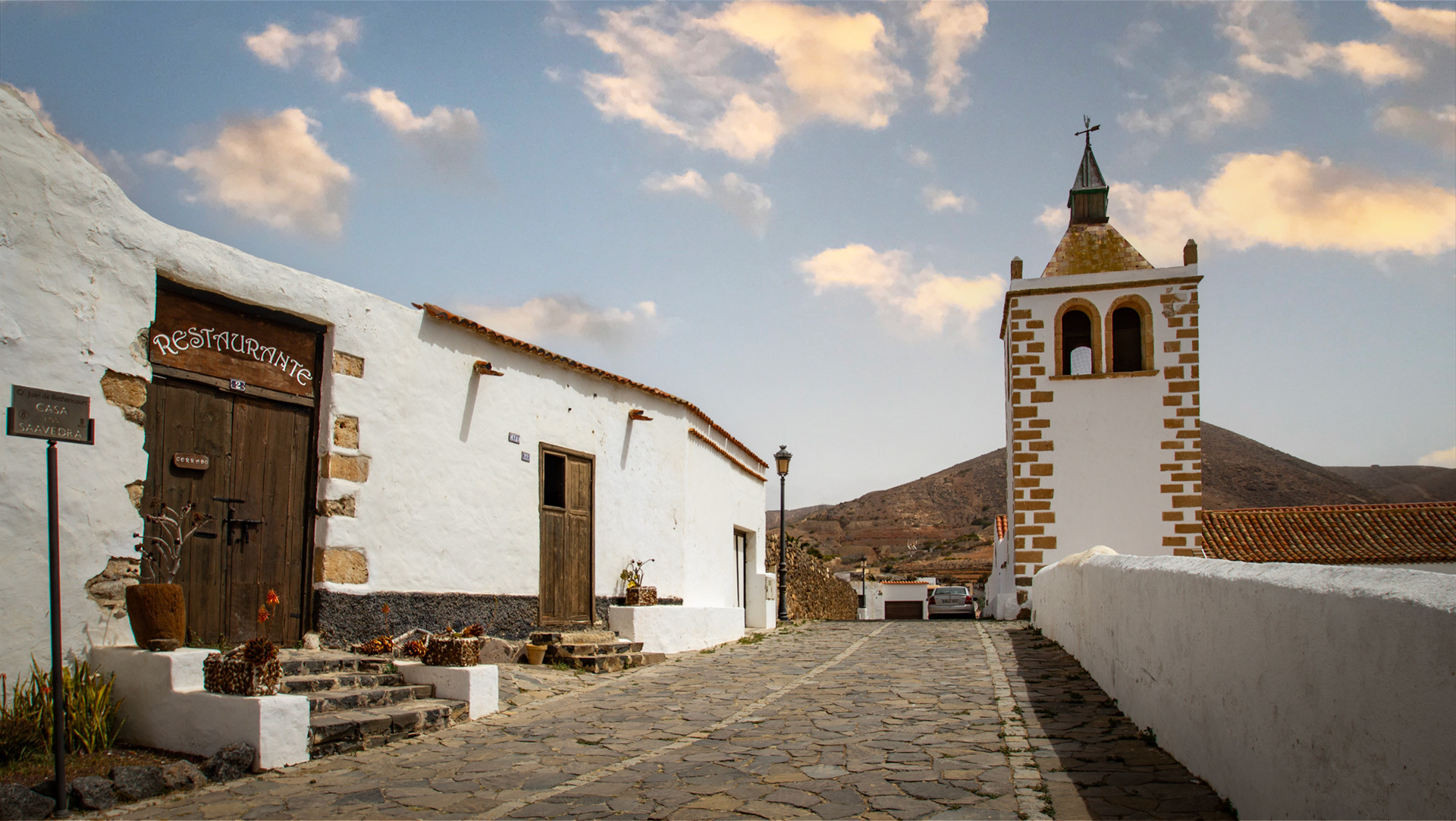
The historical jewel of the island, however, is Betancuria – a small, sleepy inland village that was once the island’s capital. Whitewashed houses, an old church, silence. Those who know Fuerteventura only as a beach destination miss an entirely different side of it here.
The South: Jandía, Morro Jable, and Costa Calma
Morro Jable and the Playa de Jandía together form the largest holiday centre on the island. The beaches here are wide, bright, and well-maintained. Costa Calma is family-friendly and quieter, whilst Jandía itself is a nature reserve of white sand and blue water.
For the adventurous, a detour to Cofete is well worth it – a solitary beach at the end of a long dirt track, watched over by the mysterious Villa Winter, whose past continues to be the subject of speculation to this day. The journey there is the experience.
Fauna and Flora: Life in the Barrenness
Anyone who thinks nothing can thrive in this dryness is mistaken. Fuerteventura surprises with a quiet vitality all of its own.
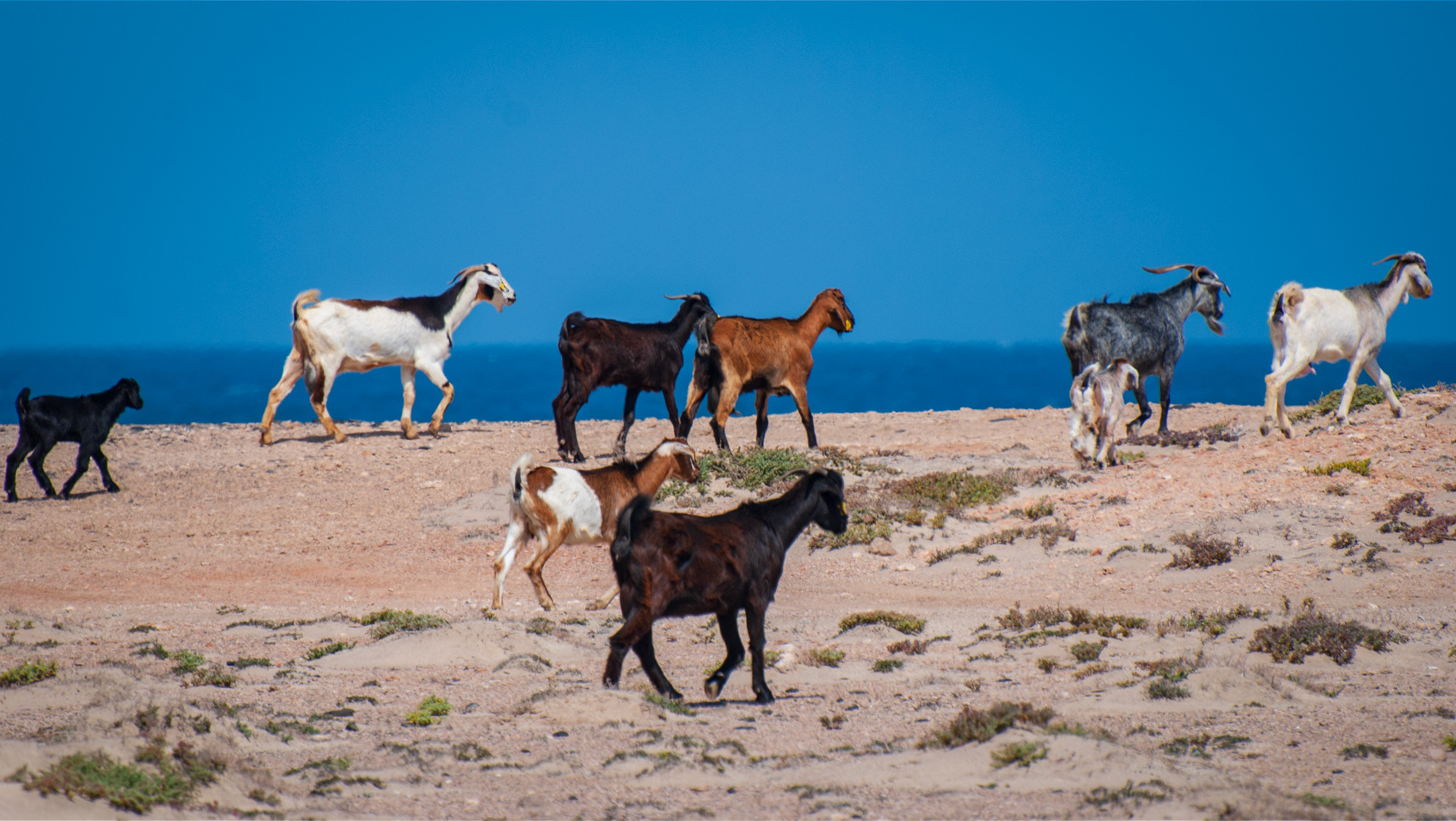
Over 50 different species of bird are native to the island. Lizards and geckos dart through the rocks. Larger wildlife is scarce – but there are all the more goats. It is said that on Fuerteventura there are more goats than inhabitants. And this is by no means merely an anecdote: Queso Majorero, the island’s goat’s cheese, has won multiple awards and is known worldwide. Anyone who has tried it once – slightly salty, creamy, unmistakable – never forgets it.
The plant life is adapted to extremes. Succulents define the inland landscape, whilst salt-resistant plants line the coastline. Palm trees appear where you least expect them. And then there is Aloe Vera: Fuerteventura is considered one of the best places in the world to cultivate the medicinal plant. The climate, the minerals in the soil, the light – everything comes together here.
History: Conquerors, Pirates, and the Light of Antiquity
The Canary Islands are mentioned even in antiquity – by Herodotus among others. Yet for a long time they remain on the margins of world history, untouched and forgotten. This changes in the 15th century, when conquerors take possession of the island. Later come pirates, traders, settlers.
History has left its mark: in the old cathedrals, in the names of the villages, in the DNA of the people who live here. The inhabitants are spread across the municipalities of Puerto del Rosario, Antigua, Betancuria, La Oliva, Pájara, and Tuíneje. Although Fuerteventura is the second-largest island in the Canaries, it accounts for only around 5 per cent of the total population of the region. It is sparsely populated – and that is precisely its gift.
Getting Around: Exploring by Hire Car
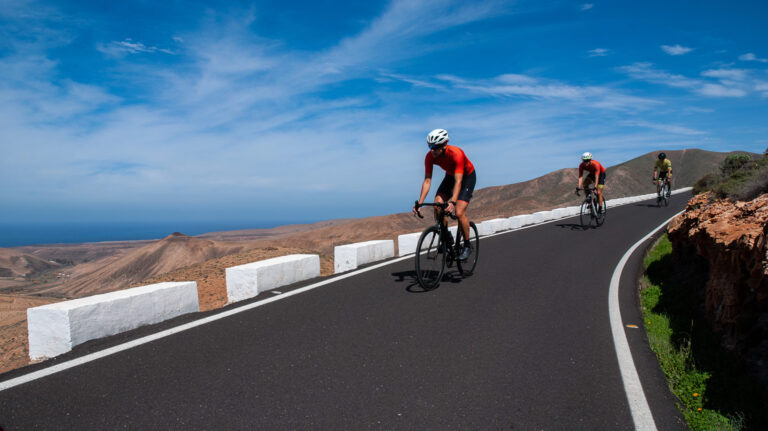
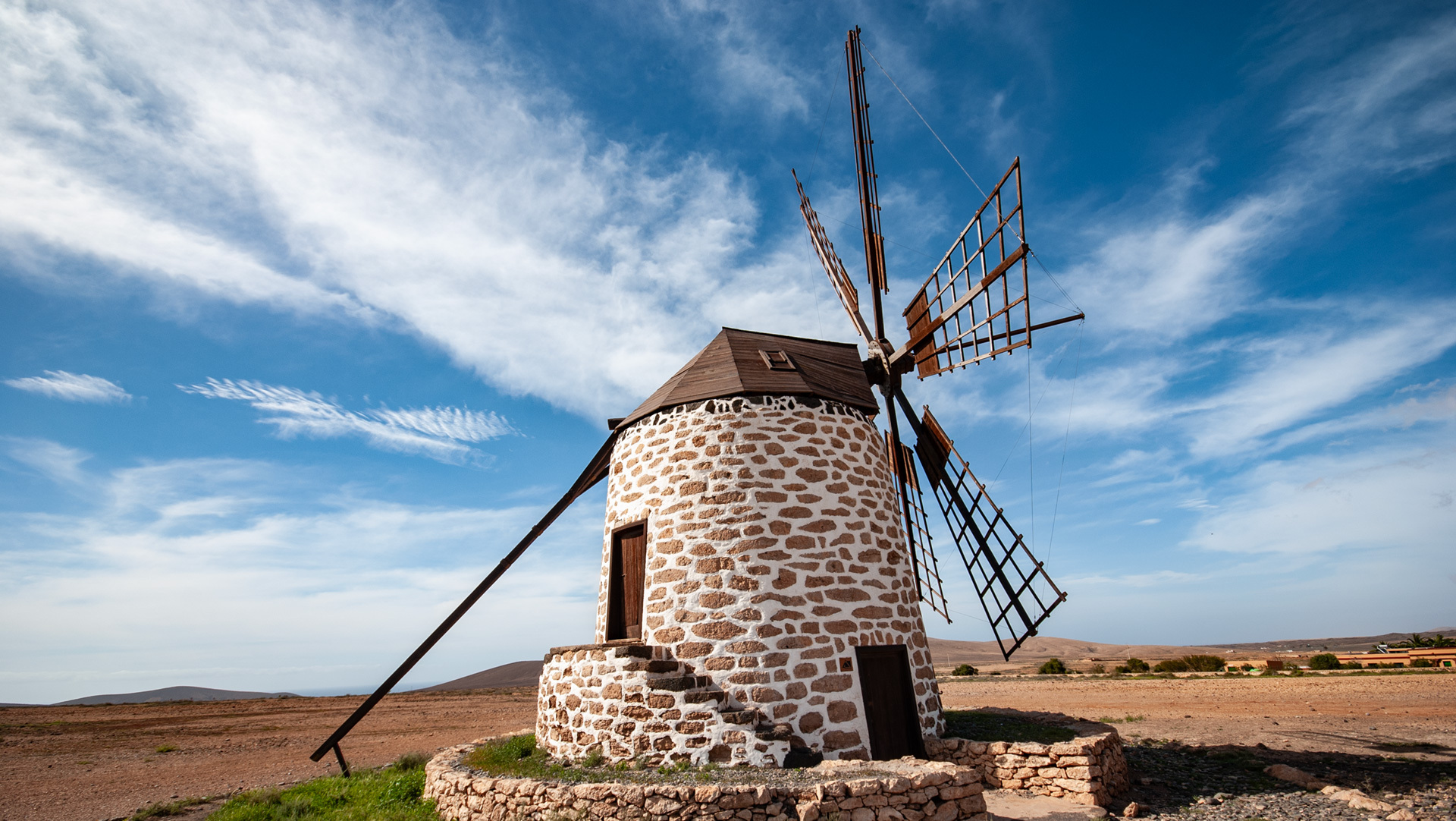
Anyone who truly wants to get to know Fuerteventura needs a hire car. The road network is well developed, and around every bend a new perspective awaits: a hidden cove, a solitary mountain village, a viewpoint looking out over the sea. Taxis and buses supplement the options, but the freedom to explore at your own pace is part of the experience.
Many of the most beautiful spots – such as the beach at Cofete or the high plateau above Betancuria – can only be reached via dirt tracks. A four-wheel-drive vehicle does no harm. But above all, it does no harm simply to set off without a precise destination.
Conclusion: Fuerteventura Is More Than Beach and Sunshine
A Fuerteventura holiday means more than just a sun lounger and sun cream. It means experiencing one of the most unspoilt islands in Europe. An island that is older than most landscapes one knows. That is quieter than expected. That is wilder where you let it be.
It means walking barefoot in the morning across the still-cool sand of the shifting dunes of Corralejo. Tasting fresh Queso Majorero at midday at a market in Betancuria. Watching in the evening as the setting sun turns the black lava stone to gold.
Fuerteventura – the island of eternal spring. You must see it at least once.