Cycling on Fuerteventura: Why This Island Magically Attracts Bikers
There are places best understood by bicycle. Fuerteventura is one of them. Those who rise from a sun lounger, take a bike, and ride off discover a different island – wilder, quieter, infinitely broader. An island you will never see through a car window.
And the best part: you don’t have to fight for it. Fuerteventura was made for cyclists – by chance, by geography, by a climate that allows a ride on almost every day of the year.
The Secret: Little Traffic, Vast Open Space
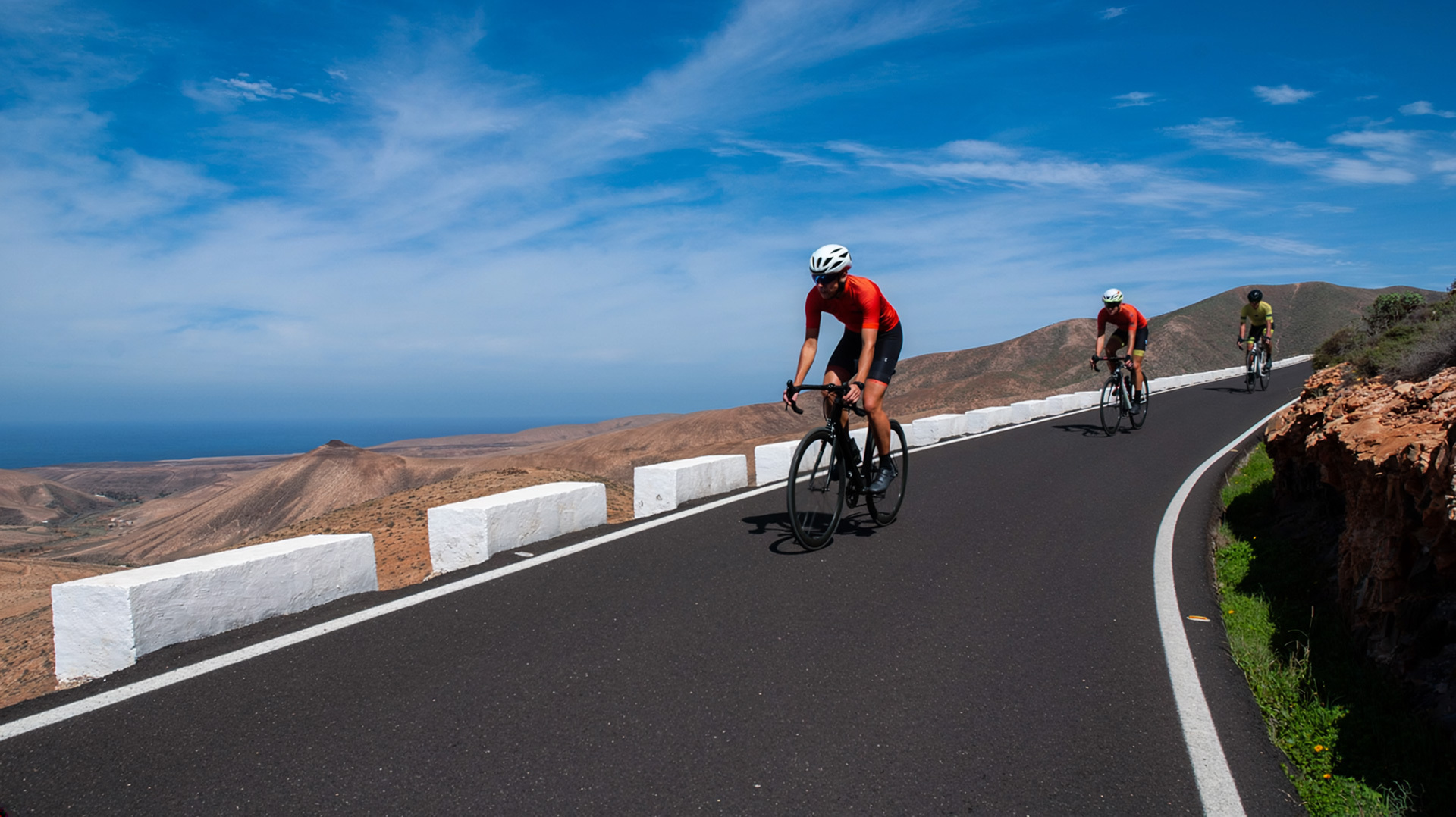
What makes Fuerteventura so special for cycling tours is not only the landscape. It is the quiet on the roads. As the second-largest yet most sparsely populated island in the Canaries after El Hierro, there is simply little traffic here – even on well-maintained minor roads you encounter more desert than cars.
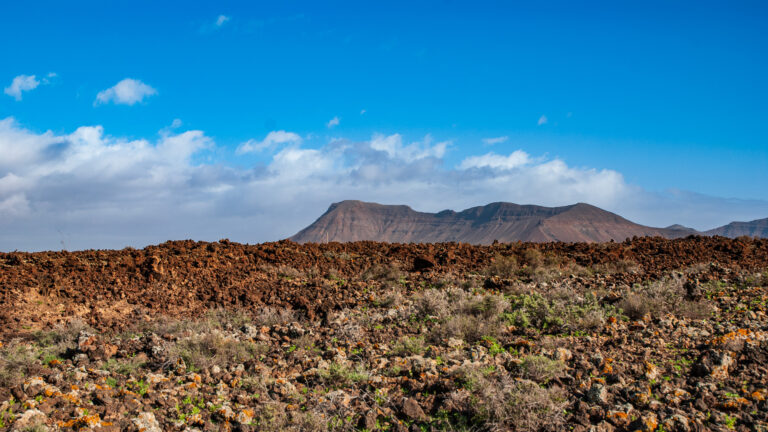
Those who wish can avoid busy main roads entirely. On Fuerteventura, this is perfectly achievable. A network of small tarmac roads and gravel tracks weaves across the island, far from the coastal resorts and tourist centres. Once you know these routes, you will want no other. Lava fields to the left. Dunes to the right. Above you, a cloudless sky and a silence you can almost hear.
This is why more and more cyclists – from the ambitious road cyclist to the passionate MTB rider – have Fuerteventura on their radar not as a beach holiday, but as a serious cycling destination.
The Best Time to Visit: February to May
Cycling on Fuerteventura is possible all year round – but those who want the best conditions should travel from February to May or in October and November. Temperatures are moderate, the summer heat still distant, and the light is soft and golden. No sweating on the climbs, no headwind stealing your breath.
One thing always applies: sun protection is essential. You underestimate the Canarian sun only once – even when the wind feels cool, your skin burns faster than you think.
Leisure Cyclists, Road Cyclists, MTB – Everyone Finds Their Route
Fuerteventura is not a one-size-fits-all island for cyclists. It is a menu from which everyone chooses what suits them.
Leisure cyclists and families find gentle coastal roads in the flat north, leading from bay to bay – the sea always in view, the wind mostly at your back. Road cyclists appreciate the long, steady stretches through the island’s interior, where you settle into a rhythm that makes hours disappear. And MTB riders know: the best of Fuerteventura lies where the tarmac ends.
What many don’t expect: Fuerteventura has real mountain passes. The island is not a flat sandbox – those who venture into the higher terrain face gradients that mean business. Gravel tracks lead over narrow ridges from which you can see both coastlines simultaneously. The wind whistles at the top. The sea glitters below. In between: the bike, your own strength, and the quiet promise that it gets easier on the way down.
Mountain Passes and Trails: The MTB Territory of Jandía
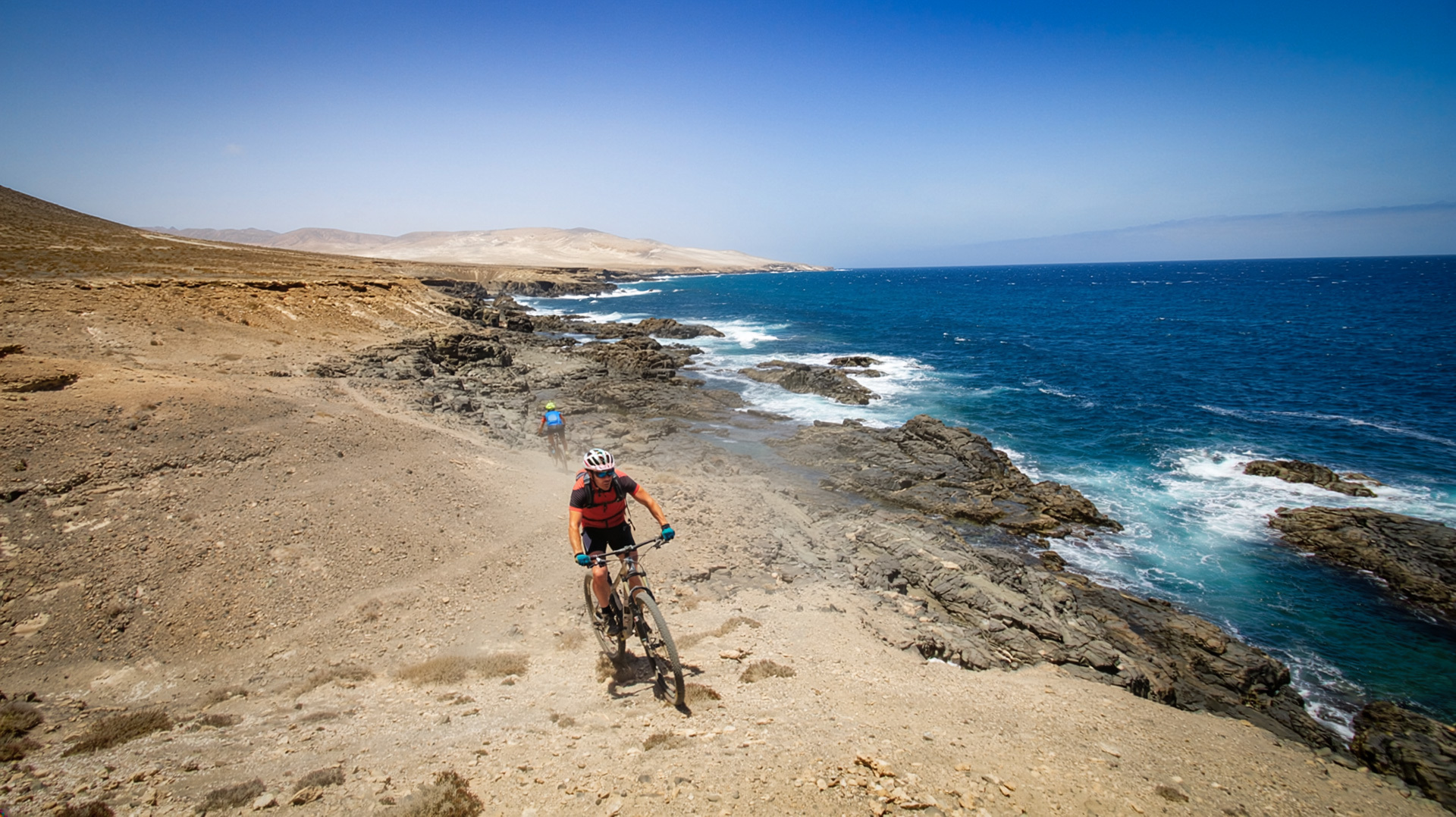
Those looking for MTB routes on Fuerteventura that truly challenge head south – to the Jandía peninsula. This is where the mountains rise, where the terrain begins that makes bikers dream.
Demanding gravel paths wind over mountain passes that open up views on both sides of the peninsula: to the east the calm, turquoise waters of the Sotavento lagoon, to the west the waves of the open Atlantic. It is a backdrop that makes you stop – if your legs allow.
The absolute highlight is the Pico de la Zarza: 807 metres, the highest peak on the island, reachable via steep, partly technically demanding paths that can push every biker to their limits. Those who reach the top look out over an island that suddenly feels small. And then comes the downhill – the free, exhilarating descent, where wind and gravity take over and the grin on your face can no longer be suppressed.
That is exactly why MTB riders come to Fuerteventura. Not despite the remoteness. Because of it.
Corralejo: Northern Hub for Cycling Tours
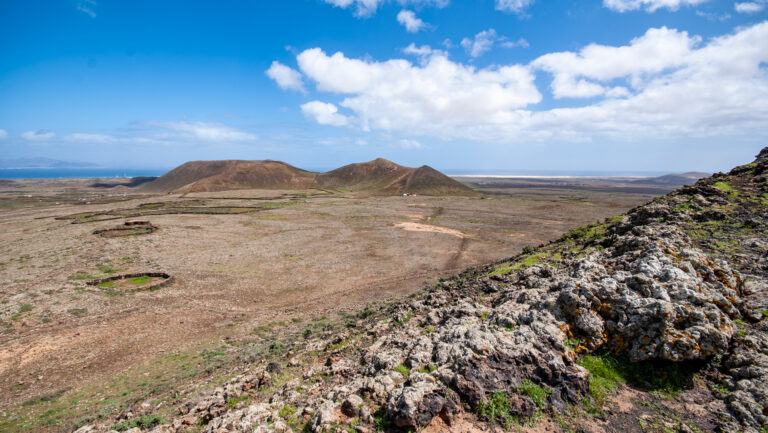
In the north, Corralejo is the top destination for cyclists on Fuerteventura. The lively coastal town is ideally situated: to the south begin the white dunes of the natural park, to the west the coastal road to El Cotillo beckons, and inland await volcanic cones and gravel tracks that wind off into nowhere.
The routes around Corralejo are varied, traffic is sparse, and the views are spectacular. It is no coincidence that many guided cycling tours on Fuerteventura start here – and that cyclists from across Europe choose this town as their base for training weeks.
Renting a Bicycle on Fuerteventura: What to Look Out For
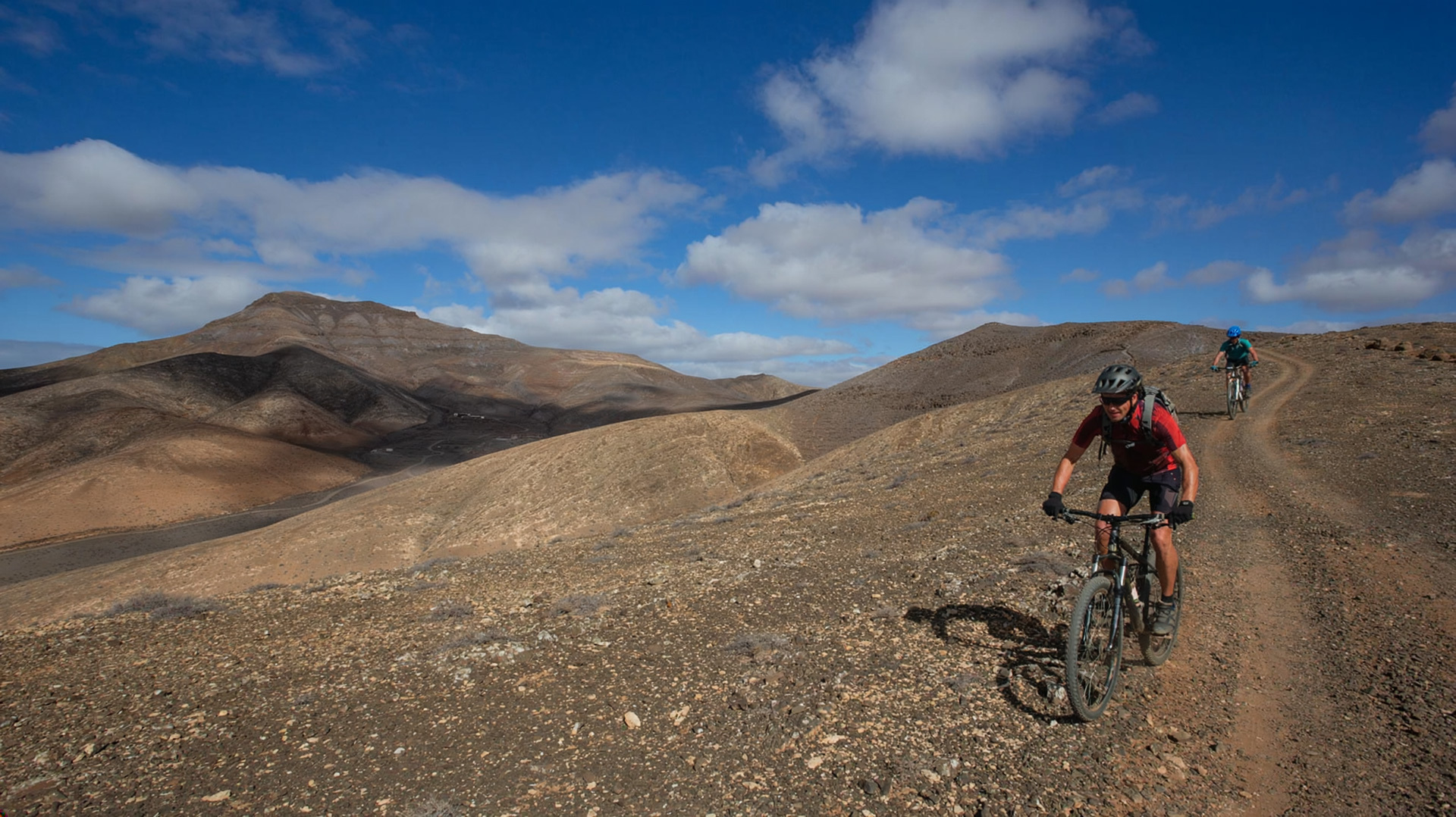
Those who do not bring their own bike will find numerous bicycle hire shops on the island. Specialist bike stations, car hire companies, and some hotels offer bikes – from simple touring bicycles from around €15 per day up to high-quality mountain bikes for correspondingly more.
Prices vary considerably depending on the type of bicycle: a city bike starts at around €14–15 per day, a mountain bike ranges between €11 and €15, with a weekly hire often dropping to around €74. Those who want to explore the island on an e-bike pay between €25 and €35 per day. A high-quality carbon road bike costs €28 to €48 per day – ambitious road cyclists know this surcharge pays off on long routes.
More important than the price, however, is the condition of the bike: always check the brakes, gears, and tyre pressure before every ride. An outdated, poorly maintained bicycle turns even the most beautiful tour into an ordeal. If in doubt: switch provider.
Here is an overview of recommended bicycle hire shops on Fuerteventura:
| Provider | Location | WhatsApp / Phone | |
|---|---|---|---|
| Electric-legs | Corralejo | info@electric-legs.com | +34 609 75 18 12 |
| Easy Riders | Corralejo | easyridersfuerteventura@gmail.com | +34 637 40 82 33 |
| ProAction Bike Rent | Corralejo | info@proactionbikerent.com | +34 928 53 52 68 |
| Volcano Bike | Jandía / Costa Calma | kontakt@volcano-bike.com | +34 639 73 87 43 |
Those who prefer their own bike can bring it as hold luggage – for an additional fee and by prior arrangement with the airline. Unfortunately, bicycles are not permitted on scheduled bus services on Fuerteventura.
And: Helmets are required, just like everywhere else in Spain. No helmet, no riding—it’s that simple.
Guided Tours or on Your Own?
Both have their appeal. Guided cycling tours on Fuerteventura offer local knowledge, curated routes, and the security of a group – ideal for those visiting the island for the first time or wanting to discover specific trails. Day tour prices range up to €60 depending on the provider, duration, and difficulty level.
Those who prefer to explore the island at their own pace will find plenty of guidance in well-organised map apps and local route recommendations. And for those seeking sporting competition: a cycling race on Fuerteventura is a fixture in the island’s annual events calendar – an event that attracts riders from across Europe.
Conclusion: Fuerteventura is perfect for cycling
Exploring Fuerteventura by bike isn’t just an alternative to a vacation—it is the vacation. Challenging mountain passes. Thrilling trails. Roads where you can ride for kilometers without seeing a single car. And everywhere you look, the sea, the light, the wind..
Once you’ve driven through this island like that, you won’t go back to your beach chair. At least not without taking a break.