Museums on Fuerteventura – where Stone, Salt and History Come Alive
There are islands you travel with your body – sun on your skin, sand between your toes, saltwater on your lips. And then there are layers beneath. Layers of time, of labour, of forgotten lives. Those who visit the museums on Fuerteventura dive into exactly that depth – and discover an island that has far more to tell than any beach bar ever could.
Fuerteventura and Its Cultural Treasures – an Overview
Fuerteventura attractions are more varied than one might initially assume. The island’s museums focus primarily on three major themes: geology, history, and sociology. Sounds dry? It isn’t. What awaits visitors here are not sterile display cases under white neon light, but walk-through worlds – caves, mills, villages, ruins.
You slip into the lives of earlier generations, watch people at traditional work, and perhaps take home a piece of the island at the end. The museum landscape of Fuerteventura is small but fine – and every single building carries a piece of the soul of this ancient volcanic island within it.
Salt Museum Fuerteventura – where the Sea Leaves Its Mark
Museo de la Sal in Las Salinas
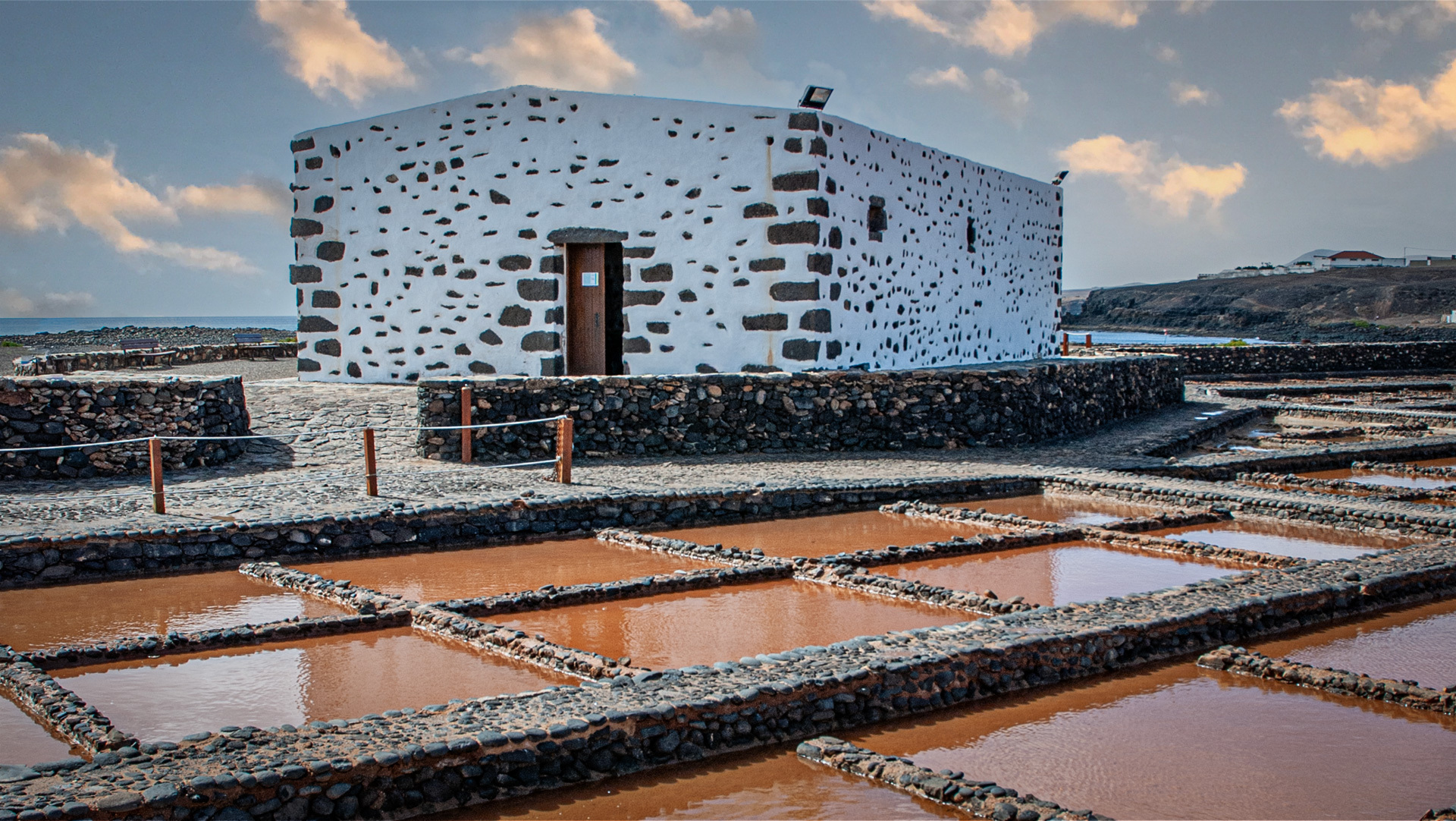
In the small village of Las Salinas, nestled within the municipality of Antigua, lies the Salt Museum Fuerteventura – right on the Atlantic coast. Anyone who comes here immediately feels it: the salt here does not belong on a shelf. It belongs in the air, in the ground, in the history of this island.
The Museo de la Sal provides information about the extraction of salt, its cultural significance, and its millennia-old role as a trading commodity and preservative. The salt pans surrounding the museum are the last still-functioning salt extraction facility on Fuerteventura – a living monument that is far more than just an exhibition venue.
Here you understand why salt was once as precious as gold.
Ecomuseo La Alcogida – a Village Awakens from Sleep
Open-Air Museum Tefía
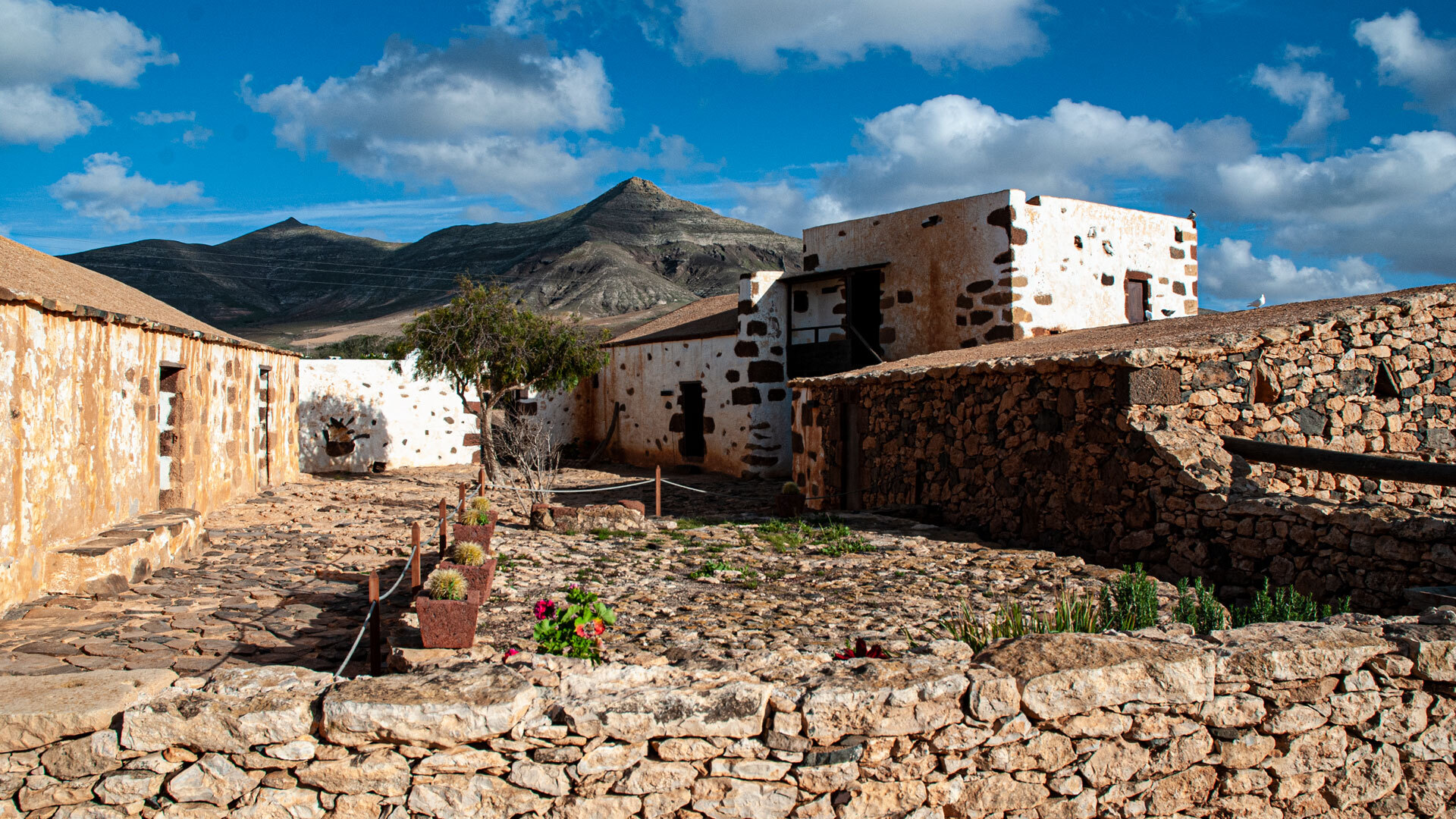
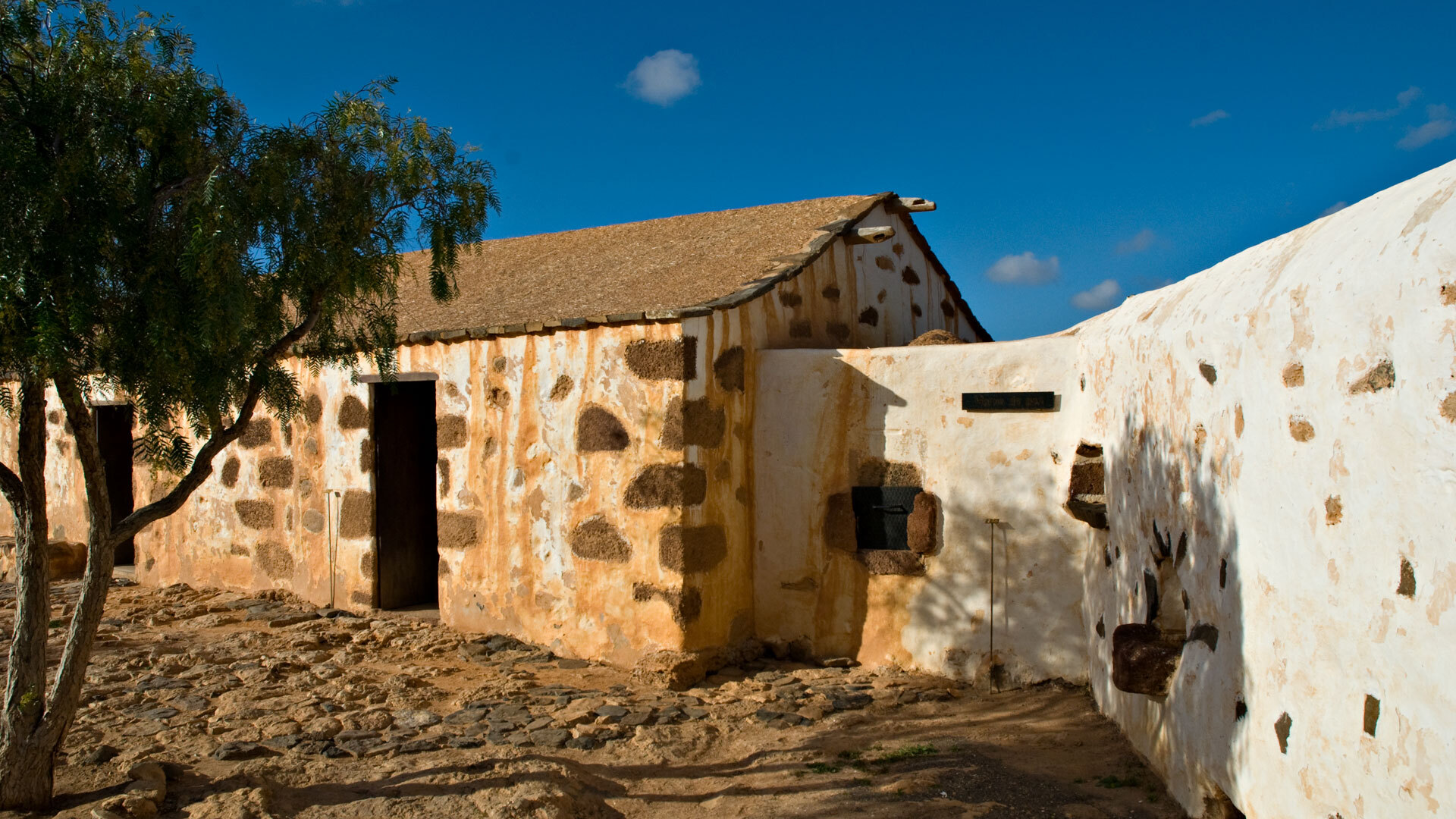
To the south-west of La Oliva lies Tefía – and in Tefía lies one of the most touching Fuerteventura attractions of all. The Ecomuseo La Alcogida is an open-air museum that emerged from what was once an abandoned part of the village. It was not restored to be turned into a museum. It was brought back to life.
Seven farmhouses form the heart of the site. Within them, you encounter the original life of Fuerteventura’s rural population – with everything that went with it: labour, hardship, community, pride. In some places you can watch craftspeople and farm women at their traditional work and purchase what they have made.
The open-air museum Fuerteventura in Tefía is not a place to walk through quickly. It is a place to linger – and to understand.
Mill Museum Tiscamanita – the Wind as Witness to Bygone Times
Centro de Interpretación Los Molinos
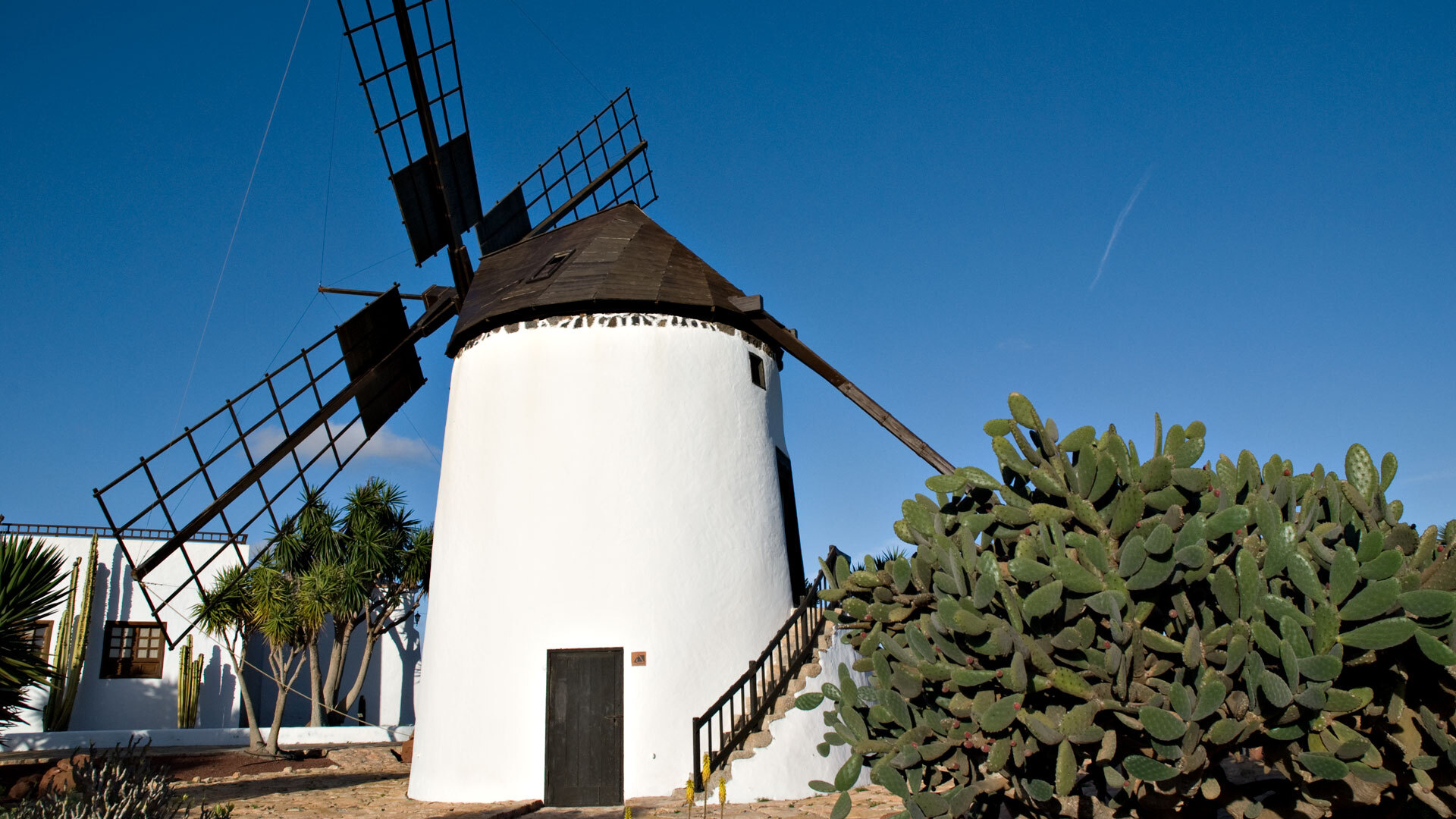
To the north of Tuineje, in the village of Tiscamanita, history revolves around the wind. The mill museum Fuerteventura, the Centro de Interpretación Los Molinos, has an unmistakable centrepiece: an imposing mill with two storeys and four sails that still looks as though it could begin grinding at any moment.
Windmills have shaped the silhouette of the island for centuries. Here you learn what role they played in the daily life of the population – and what it feels like to live on an island where the wind does not merely blow, but truly acts.
Cueva del Llano – Descending into the Belly of the Island
Volcanic Tunnel Villaverde
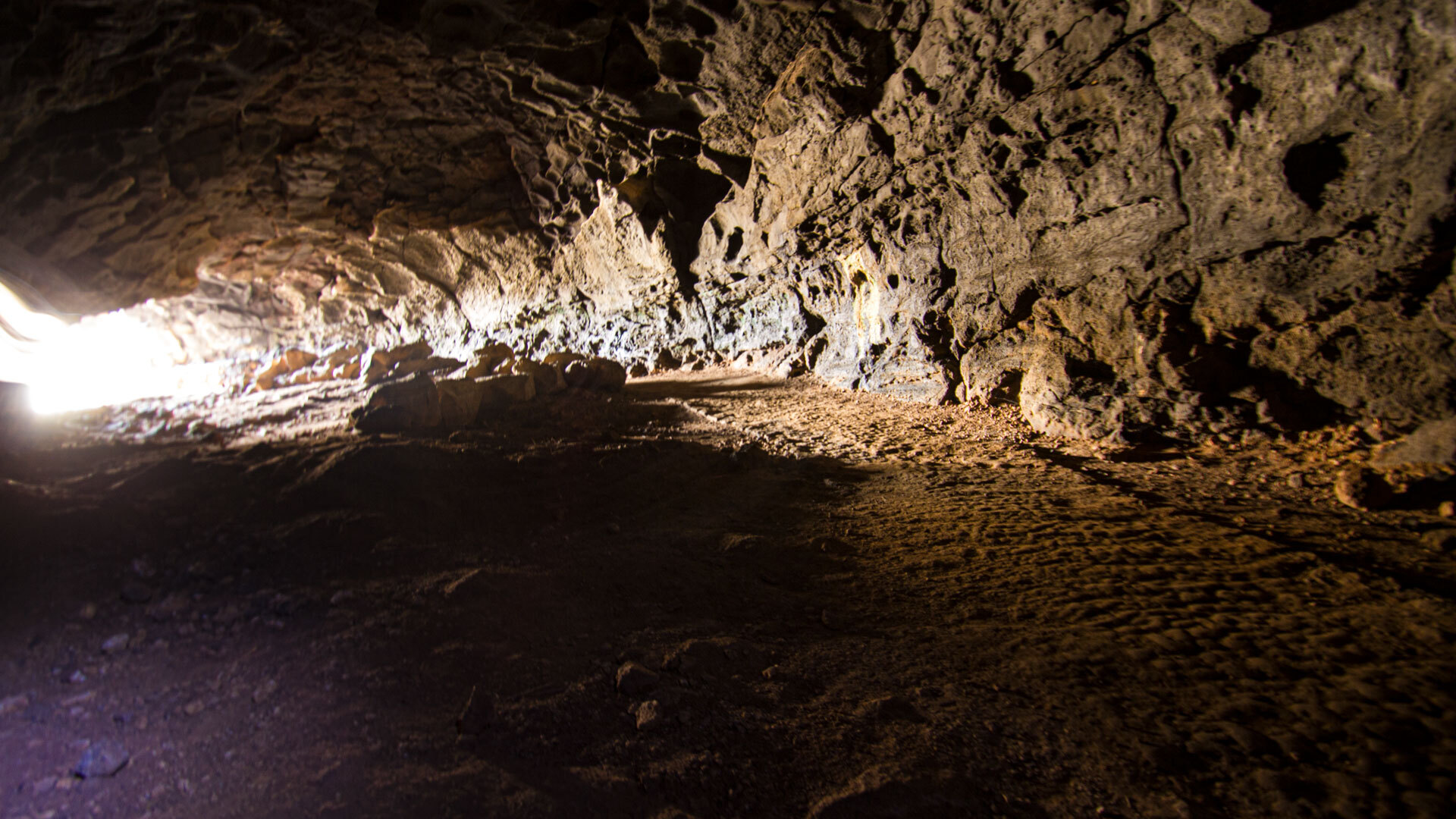
At the edge of Villaverde, the earth opens up. The volcanic tunnel Cueva del Llano is one of Fuerteventura’s most fascinating geological testaments – a cave system approximately 600 metres long, of which 400 metres are accessible to visitors.
The accompanying visitor centre explains how lava flows created these underground tunnels – and what unique creatures have made their home in this permanent darkness. Those who enter the volcanic tunnel Fuerteventura move through millions of years of Earth’s history. The silence beneath the island is of an entirely different nature to that of the beach.
La Atalayita – the Ruins of the Majos
Excavation Site near Pozo Negro
About three kilometres west of the coastal village of Pozo Negro lies one of Fuerteventura’s most significant archaeological sites: La Atalayita. The ruined complex is one of the few systematically excavated settlements of the island’s indigenous people – the so-called Majos.
The entire site covers around 40,000 square metres and consists of 115 different structures. Walls laid by hand. Thresholds crossed by bare feet. Rooms where people loved, quarrelled, slept, and dreamt.
Those who stand here and listen into the wind feel it: this island is old. Older than any holiday resort, older than any road.
Museo Arqueológico de Betancuria – History You Can Touch
Archaeological Museum Betancuria
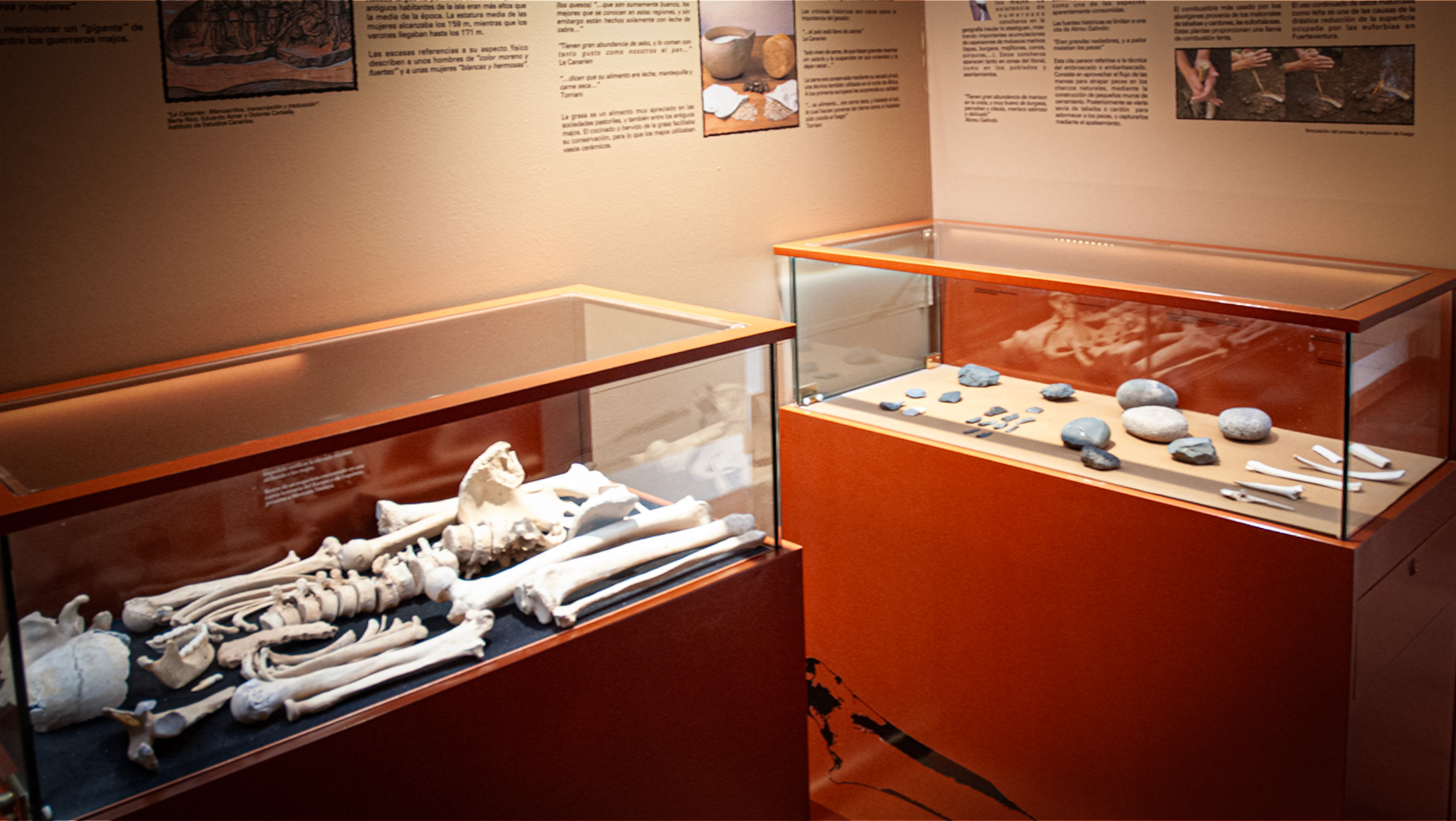
In Betancuria, the oldest town on the island, stands the Museo Arqueológico de Betancuria – opened in March 2007 and since then an indispensable stop for all those who truly wish to understand the culture of Fuerteventura’s indigenous people.
The exhibition rooms bring together two narrative threads: the history of the Majos and the geological development of the island. Tools, ceramics, bones, and maps combine to form a picture that reaches deep into prehistoric times – and at the same time explains why Fuerteventura looks the way it does today.
The archaeological museum Fuerteventura in Betancuria is essential reading – written in stone, clay, and silence.
Museo del Grano La Cilla – the Silent Memory of the Harvest
Grain Museum La Oliva
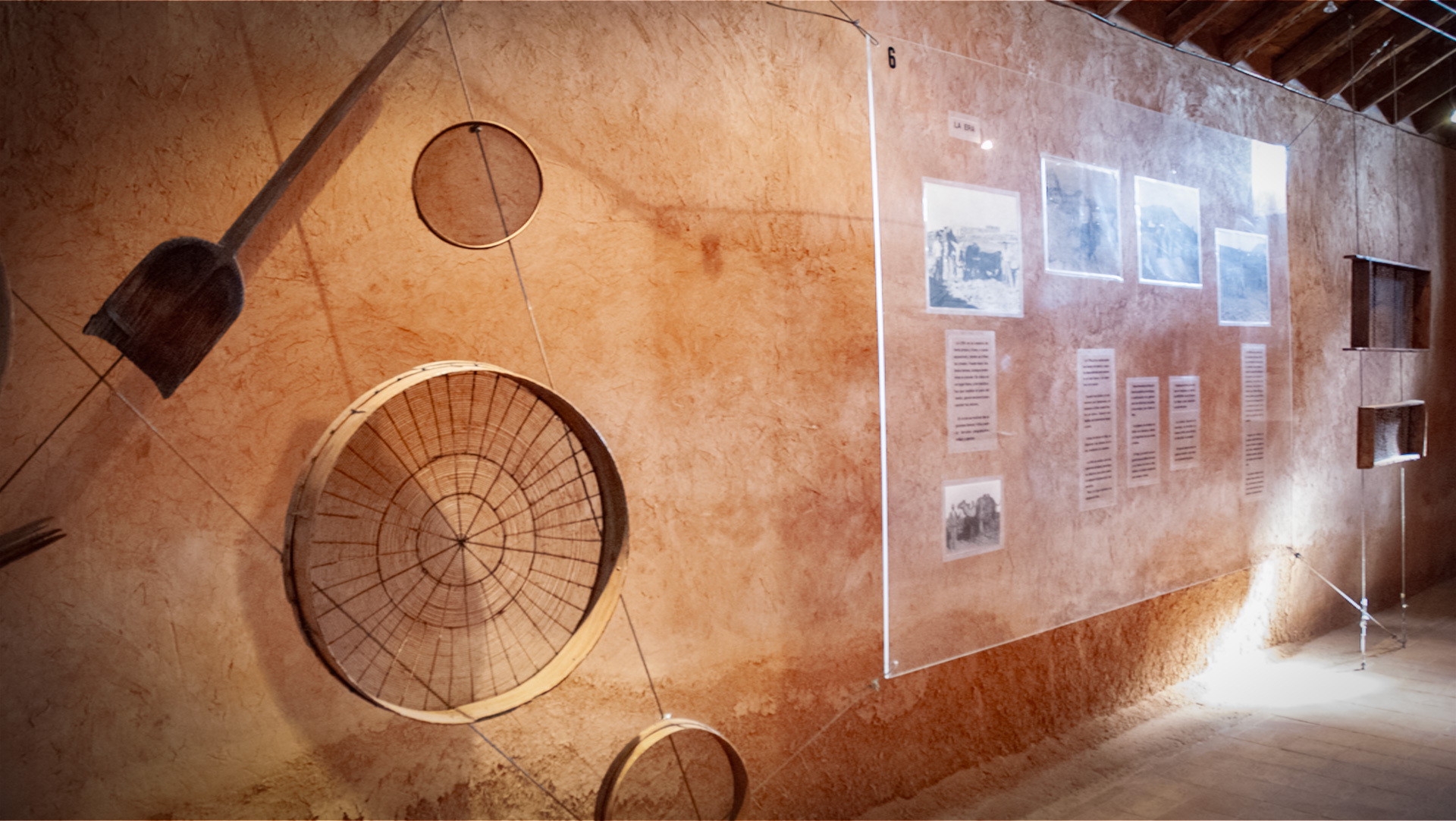
In La Oliva hides a small museum with a great history: the Museo del Grano La Cilla, housed in a former warehouse dating from 1819. The grain museum Fuerteventura commemorates a time when grain was the staple food par excellence – on an island that had to face the wind and dryness every single day.
A modest museum. And yet one that lingers in the mind.
Casa Mané – Art in the Manor House
Centro de Arte Canario, La Oliva
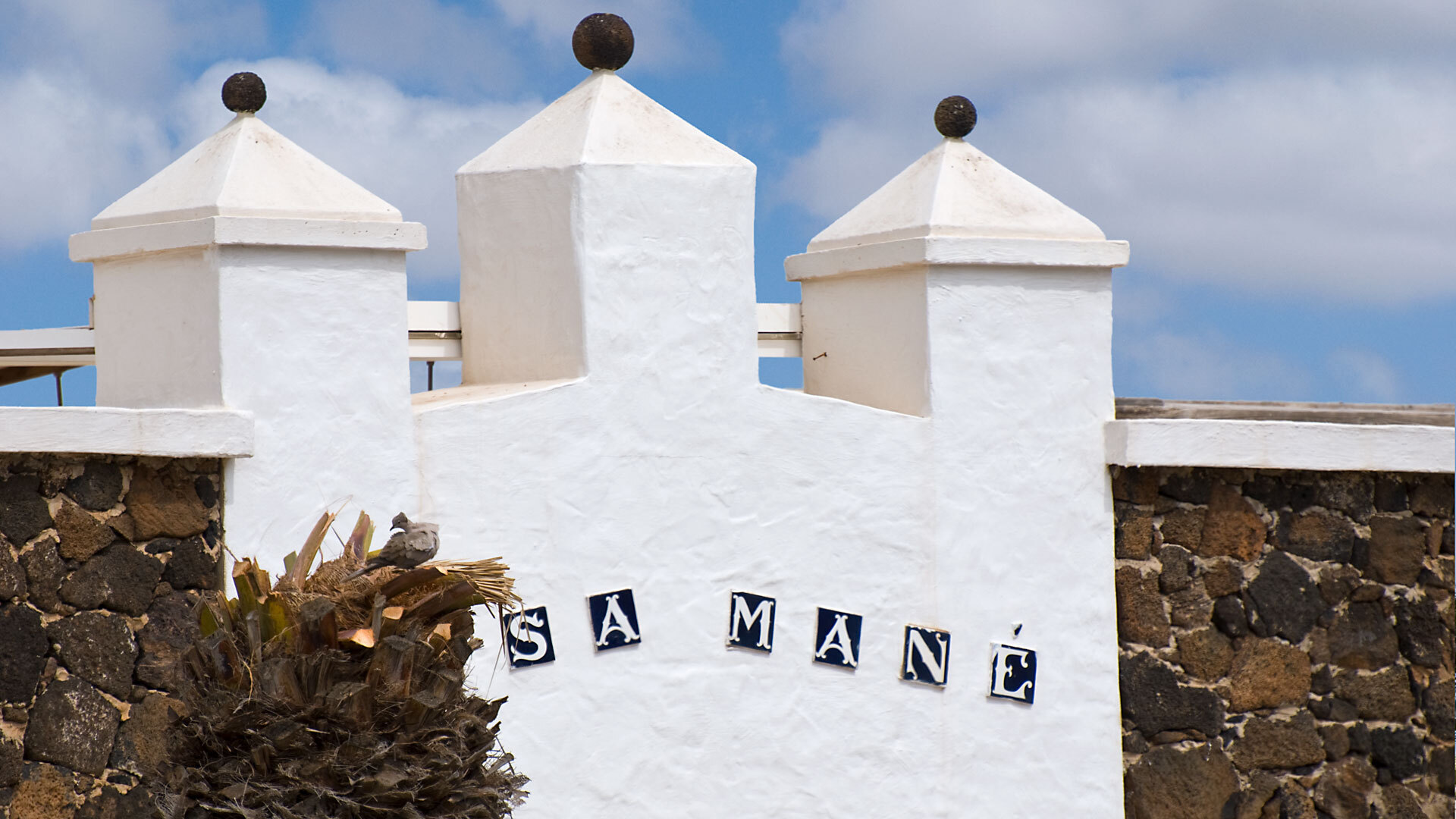
Also near La Oliva lies the manor house Casa Mané – a 19th-century building that became an arts centre in the 1990s. The Centro de Arte Canario displays contemporary works of art, paintings, sculptures, and installations.
It is a place that elegantly brings together history and the present – and shows that Fuerteventura not only preserves the past, but also produces living art.
Leisure Attractions Around the Museums
Aqua Park Corralejo, Oasis Park Jandía & More
Alongside the museums on Fuerteventura, the island offers further experience destinations. The Aqua Park Corralejo combines a water park with an underwater museum – and also offers the chance to meet sea lions. In the south of the island, the Oasis Park Jandía delights visitors with animal and plant worlds, including African species such as elephants and giraffes.
Those who wish to learn more about the healing power of Aloe Vera Fuerteventura should visit one of the aloe vera farms. And those who want to explore the island’s cheese culture are recommended the Alcaravaneras Cheese Dairy – a place where you do not merely look, but also taste.
Conclusion: Fuerteventura—an island with depth
Anyone who visits museums on Fuerteventura is visiting a different island than the one that shines in glossy brochures. They are visiting an island of lava and salt, of windmill sails and ruins, of bygone harvest seasons and ancient cave systems.
This island has layers. And anyone who is willing to peel them away—layer by layer, museum by museum—will find beneath them something that no beach in the world can offer: true understanding.