Fuerteventura: Where Sand, Wind and Silence Create Another World
There are islands you visit. And there are islands that never let you go. Fuerteventura, the second largest of the Canary Islands, belongs to the second category. Anyone who has walked through its endless dune landscapes, felt the wind that has swept in from the Atlantic here for aeons, and stood on one of its white sandy beaches – understands immediately why this island draws people from all over the world like a magnet.
And yet a Fuerteventura holiday is anything but monotonous. The island wears many faces: rugged volcanic coastlines, turquoise lagoons, quiet villages with Canarian townhouses and buzzing surf beaches. Those who wish to discover Fuerteventura encounter a landscape that unfolds like a quiet story – page by page, stretch of coastline by stretch of coastline.
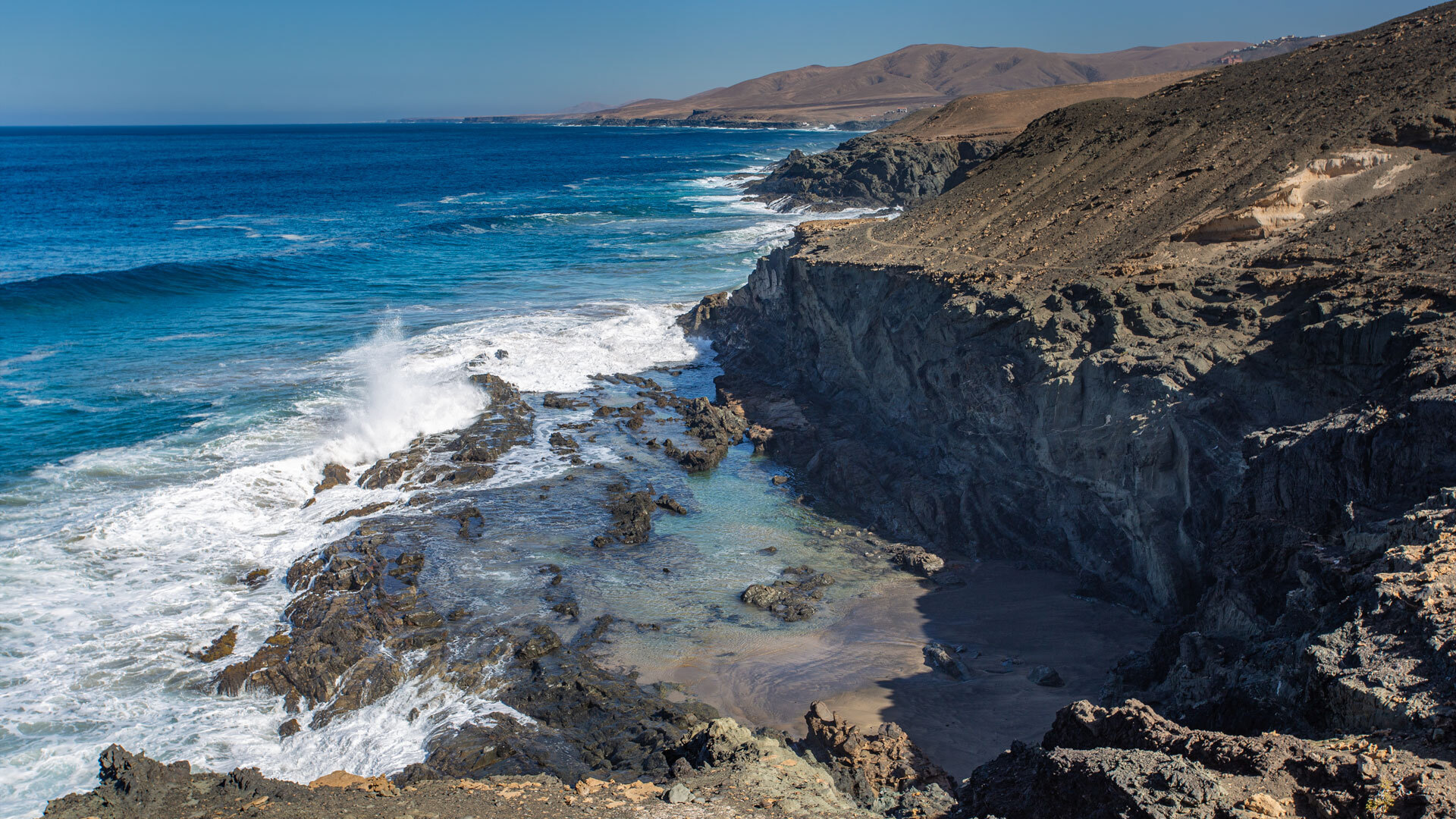
Parque Natural de Corralejo – Dunes Like Something From Another World
Imagine: 2,000 hectares of pure, fine sand, shaped by the wind into gentle hills that stretch shimmering silver to the sea in the midday sun. The Parque Natural de Corralejo is one of the most impressive natural landscapes in all of Europe – and one of the most extraordinary at the same time.
This dune landscape of Fuerteventura feels like a timeless piece of the Sahara, only with the sea not far away. Along the coast stretches the roughly 600-metre-long Playa del Viejo, also known as Flag Beach – a surf beach in Fuerteventura that enjoys a legendary reputation among surfers from around the world. Those who run here early in the morning, before the first surfers take to the water, experience a silence that burns deep into the memory.
Hiking on Fuerteventura – 6 Areas You Will Never Forget
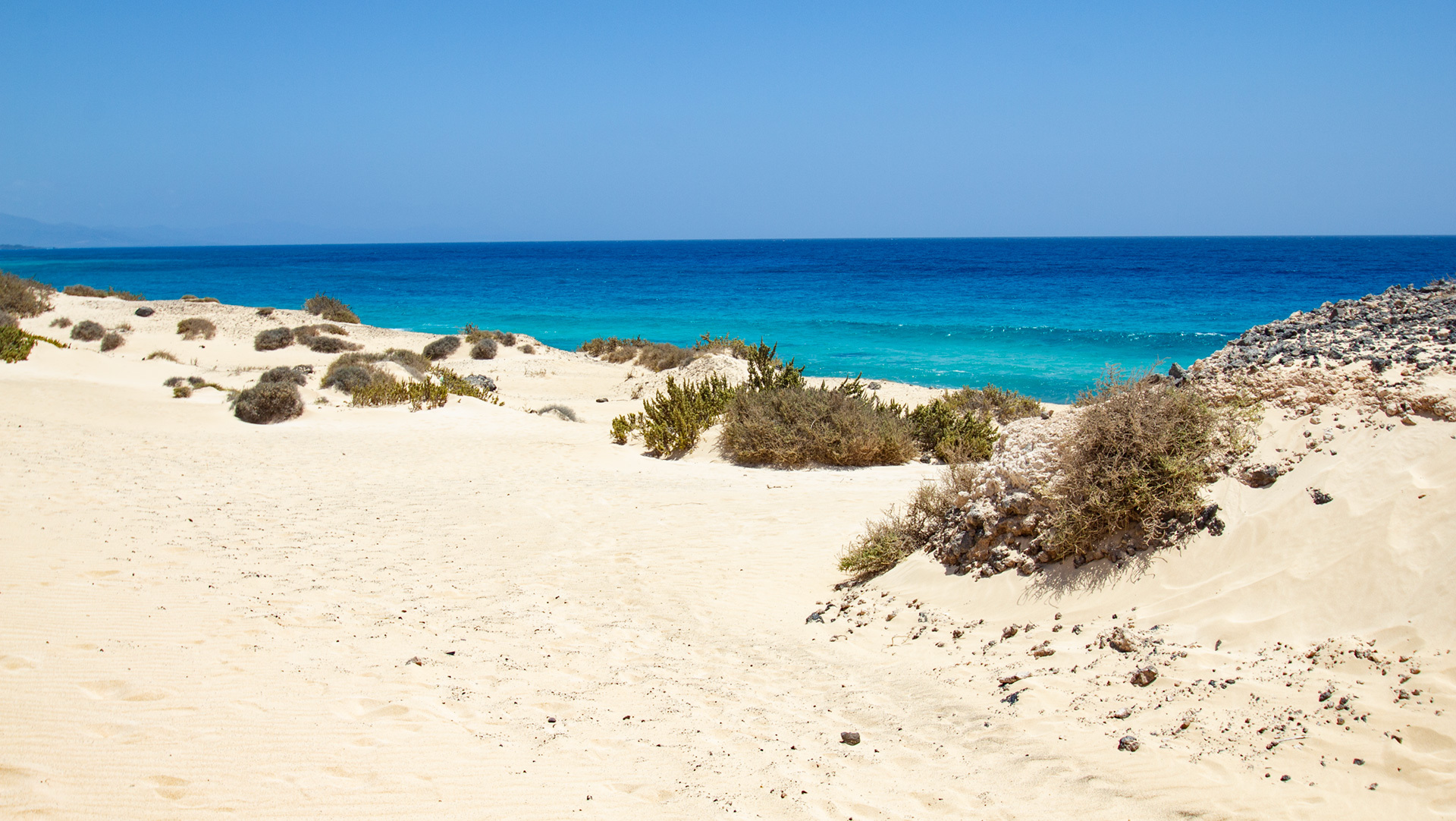
Hiking in Fuerteventura – that might sound like a contradiction at first. An island associated more with sun loungers and surfboards, as a hiking paradise? Anyone who has once walked the volcanic paths in the interior will never think that again.
The hiking trails of Fuerteventura lead through landscapes reminiscent of lunar craters, past imposing cliff faces, through traditional fishing villages and down to natural swimming pools, where crystal-clear water rests between lava rocks. The average temperature of a pleasant 18 to 28 °C makes Fuerteventura year-round an ideal destination for outdoor activities.
Six hiking areas stand out in particular:
Those seeking Fuerteventura sights off the beaten track will find them on these routes. Each area tells its own story – of volcanoes, of fishermen, of the wind.
Fuerteventura’s Beaches – Endless, White, Unforgettable
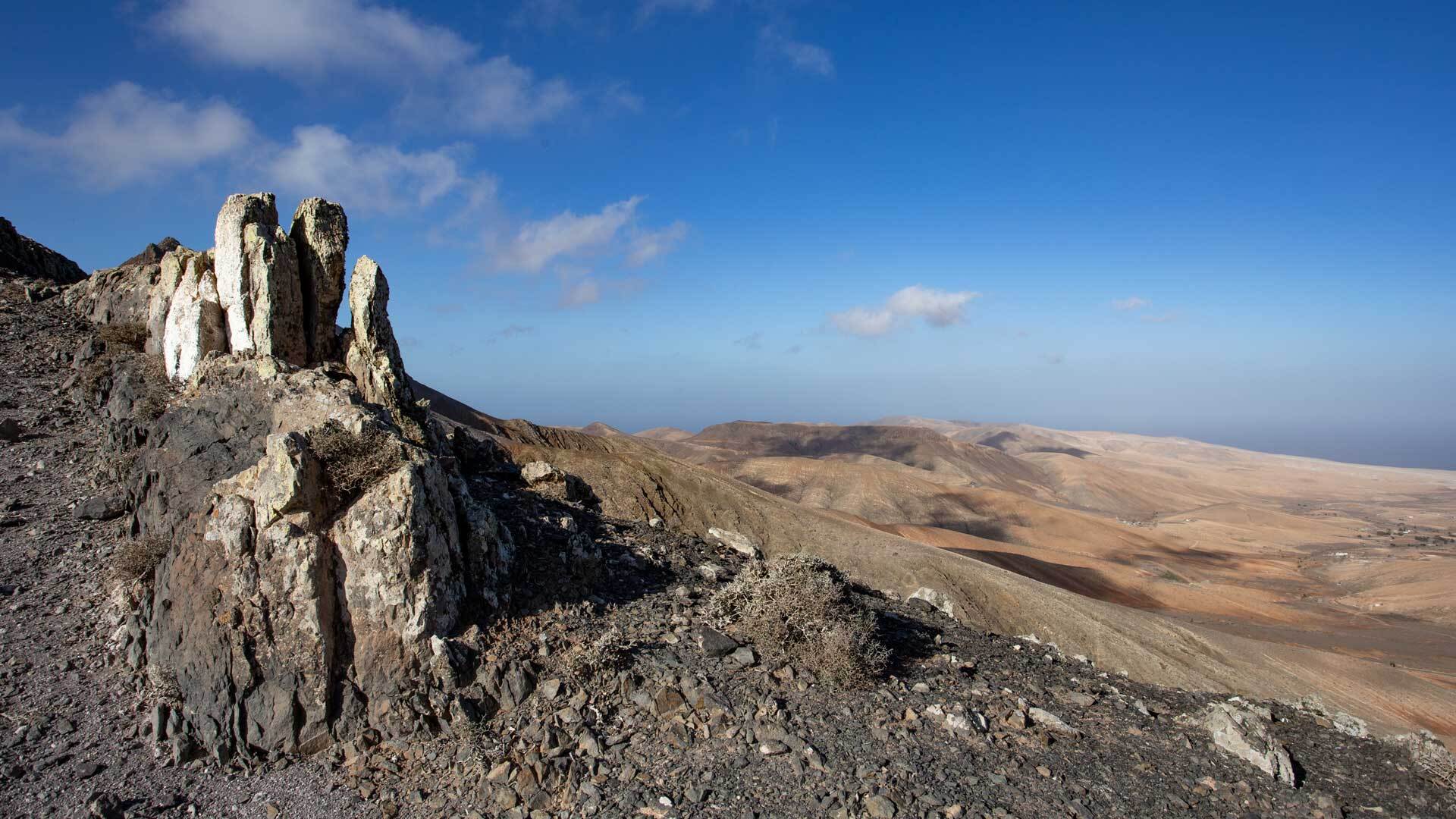
Fuerteventura beaches – this is not a subject one can deal with in a few lines. The island is the bathing island of the archipelago, and rightly so. Perfectly curved, seemingly endless sandy beaches alternate with jagged black rocky coves. The coastal landscape is a perpetual dialogue between lava and light.
Those who love the lively beach life of Fuerteventura will find it in Corralejo, Costa Calma or at the Playa de Sotavento – one of the finest kitesurf beaches in the world. Those who seek silence instead follow the small gravel tracks to the remote beaches of Fuerteventura, where sometimes only the breaking of the waves can be heard.
The beaches of the Jandía Peninsula in particular – including the famous Playa de Morro Jable – are among the finest white sandy beaches in Europe. The sand here is so fine that it trickles through your fingers like icing sugar.
Water Sports & Surfing – Wind is Fuerteventura’s Element
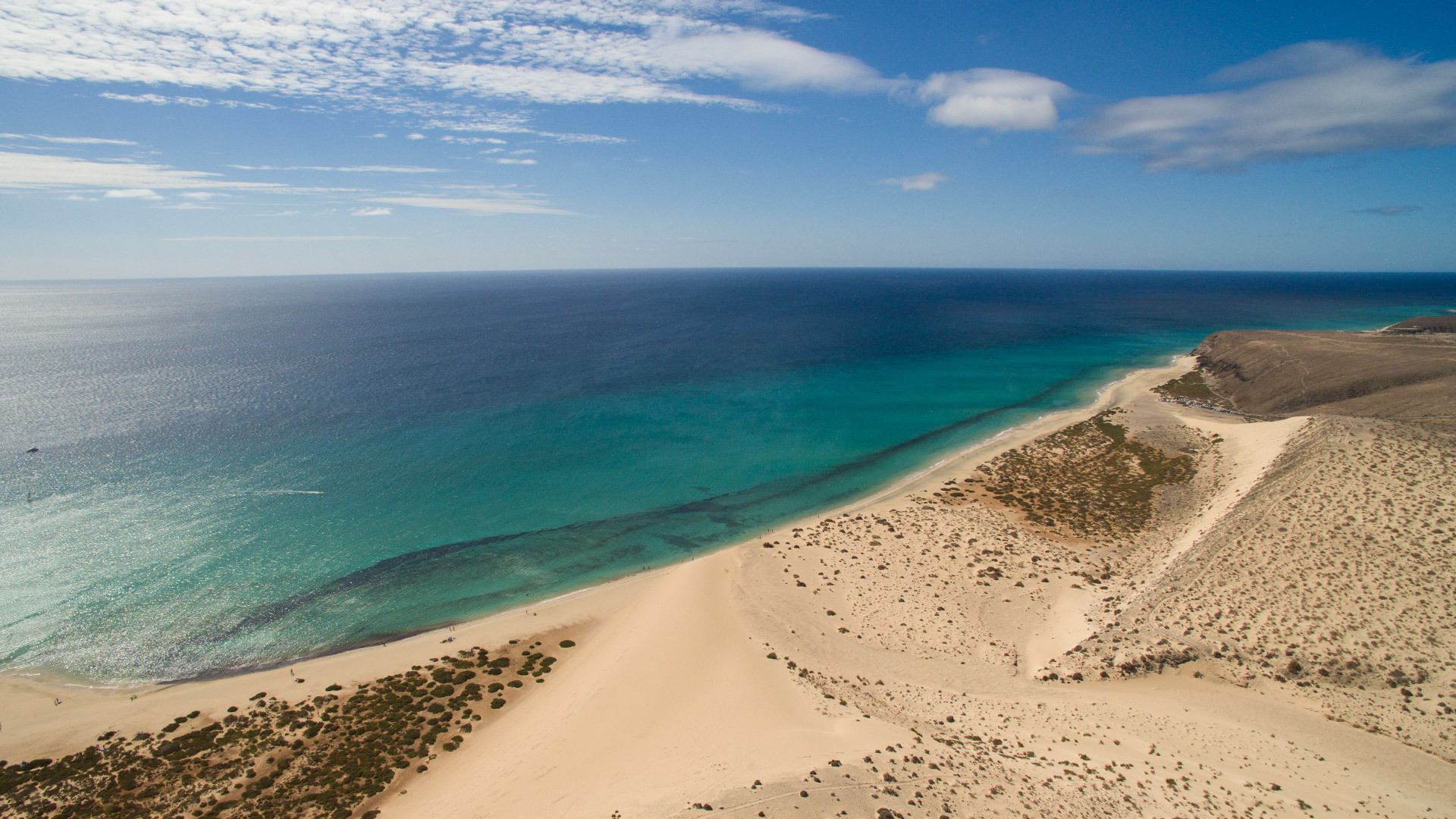
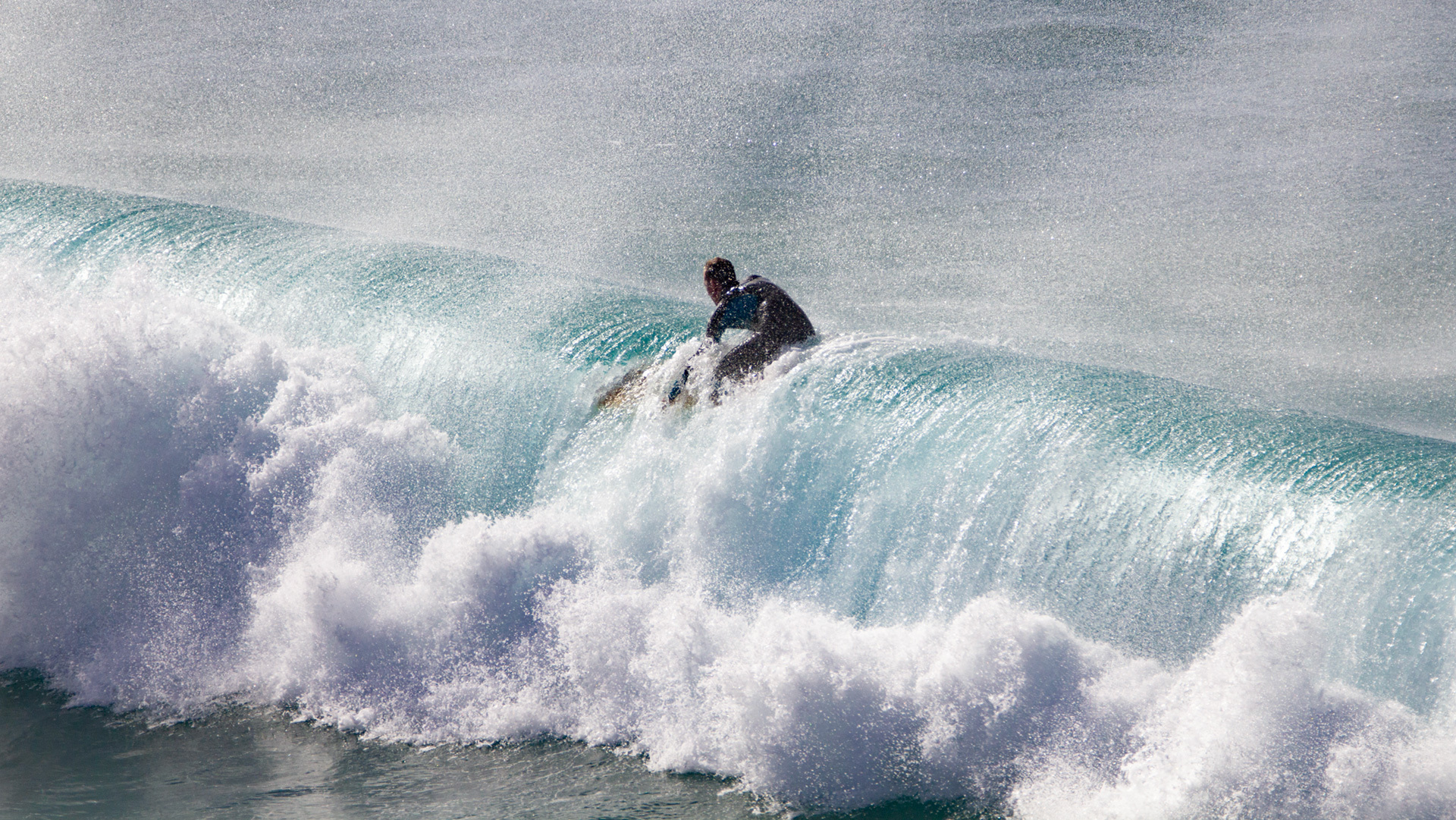
For more than four decades, surfing in Fuerteventura has been a name that rings like a promise in the global surf community. The wind that sweeps in from the north-east across the Atlantic is no occasional visitor – it is a permanent resident. And it makes the island the ultimate water sports Eldorado.
Surf World Cups have been held here for decades. By now the Kitesurf World Cup Fuerteventura is also a fixture in the athletes’ calendar. But it is not only professionals who get their fill – beginners too learn to glide on the water in the many schools here in next to no time.
Divers discover off the coast an underwater world of Fuerteventura that surprises with its wealth of colour and biodiversity. Moray eels, rays, colourful fish and occasionally sea turtles populate the reefs. Anyone who dives below the surface understands why Fuerteventura is more than its beaches.
Climate & Travel Season – Fuerteventura at Any Time of Year
There are few places in the world where you can pack your bags at any time of year with as little concern as on Fuerteventura. The best time to visit Fuerteventura is quite simply: always.
Brilliant sunshine on this island is not a rare gift but a reliable constant. Rainfall is extremely low – rain here is almost a curiosity. At the same time, the Atlantic wind ensures that it never becomes unpleasantly humid even in the height of summer. Temperatures in Fuerteventura remain between a pleasant 18 and 28 °C throughout the year – a climate made for active holidays, lazing on the beach and everything in between.
Those seeking the best time of year for surfing and hiking will find it above all in autumn and winter: the waves are higher, the hiking trails less crowded, the atmosphere calmer.
Traditional Villages & Canarian Culture – the Quiet Soul of the Island
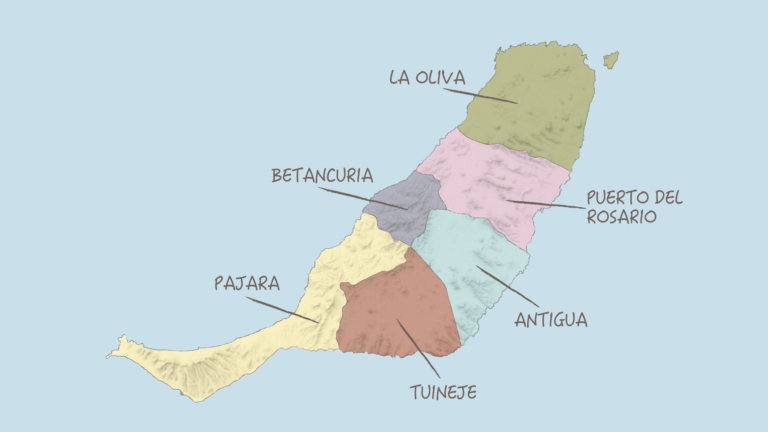
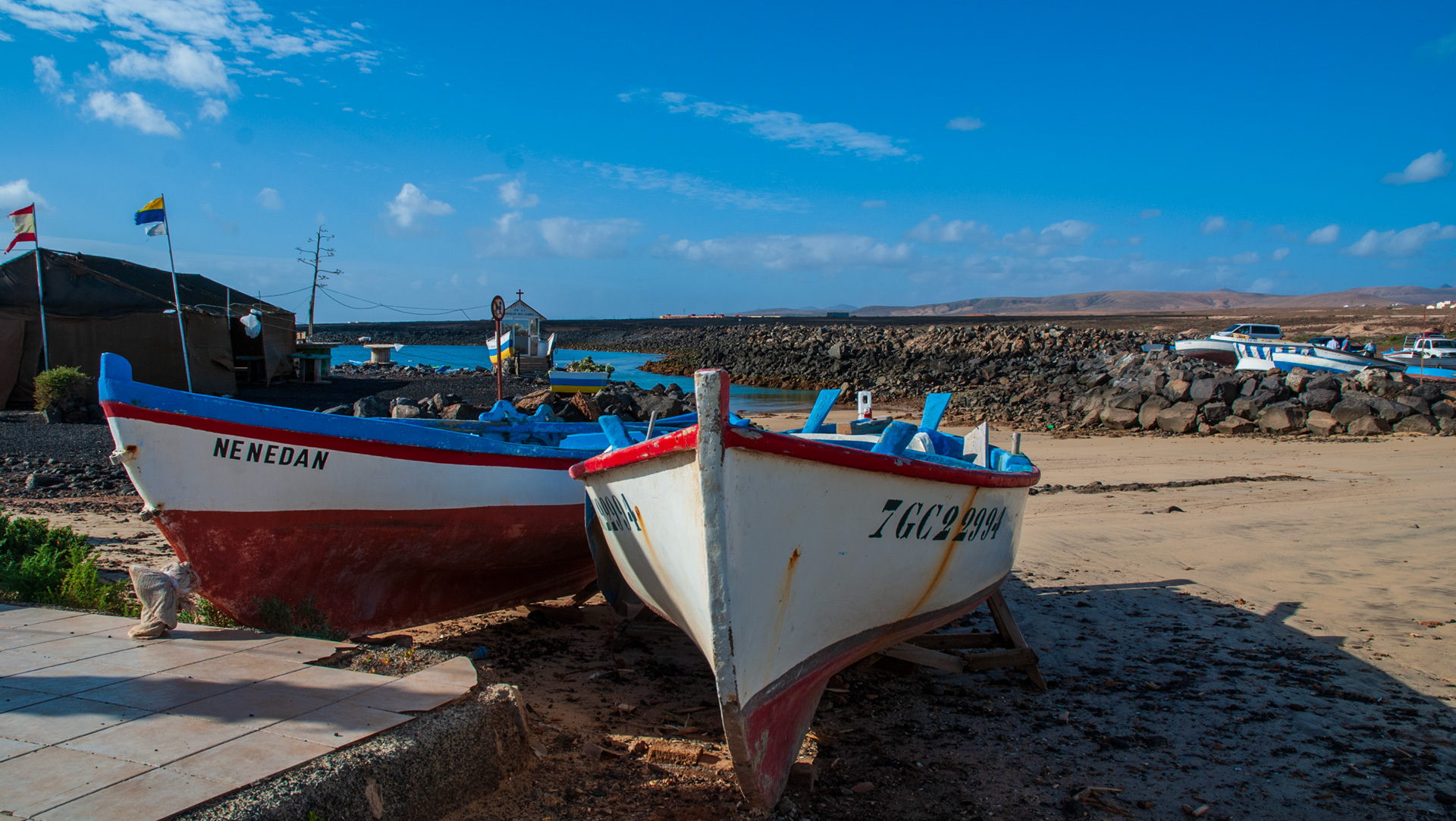
Away from the holiday resorts of Fuerteventura, one finds the true heart of the island: in small, quiet villages whose lanes seem made of whitewashed stone and still evening light. The traditional villages of Fuerteventura – such as Betancuria, the former capital, or the tranquil Pájara – offer an atmosphere that leaves the noise of the tourist centres far behind.
Lovingly restored buildings tell of Canarian culture in Fuerteventura. Elegant townhouses with their characteristic wooden balconies – a typical feature of Canarian architecture – invite you to stroll and marvel. Anyone who truly wants to understand the soul of the island cannot miss these places.
The Holiday Resorts – Something for Everyone
Fuerteventura’s holiday resorts can be broadly divided into six zones – and each has its own character. The best-known resort, Corralejo, in the north is young, vibrant and international: this is where the nightlife pulses, where surfers congregate, where the nature park is right on the doorstep.
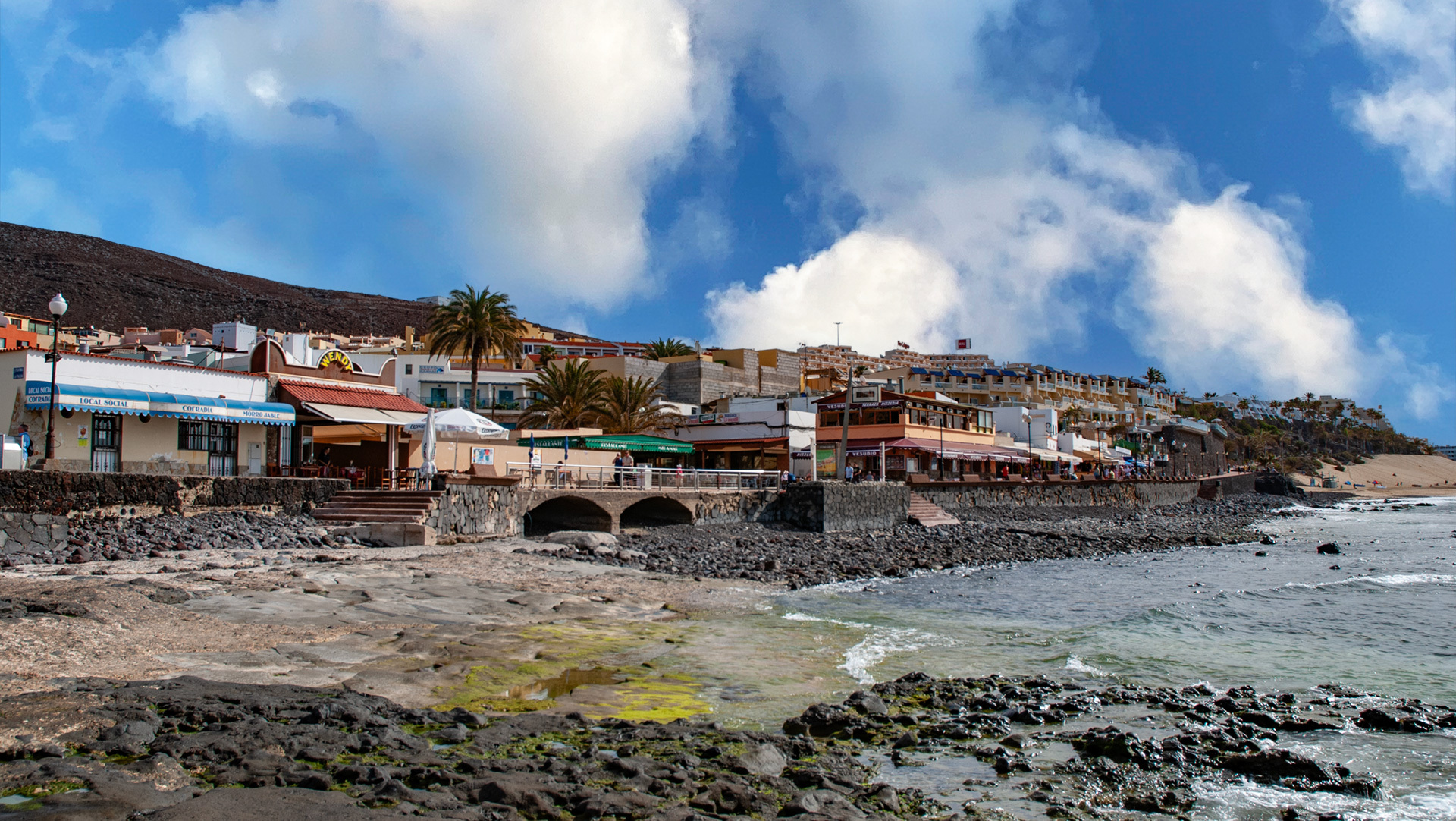
In the south, Morro Jable and the Playa de Jandía beckon with dream beaches and a calmer atmosphere. Families and couples who prefer a more peaceful setting feel at home here. The west and the centre of the island, however, belong to the independent traveller – those who follow the gravel tracks in a hire car and are rewarded with vistas that no guidebook can fully describe.
Nature, Flora and Fauna – Barren and Fascinating in Equal Measure
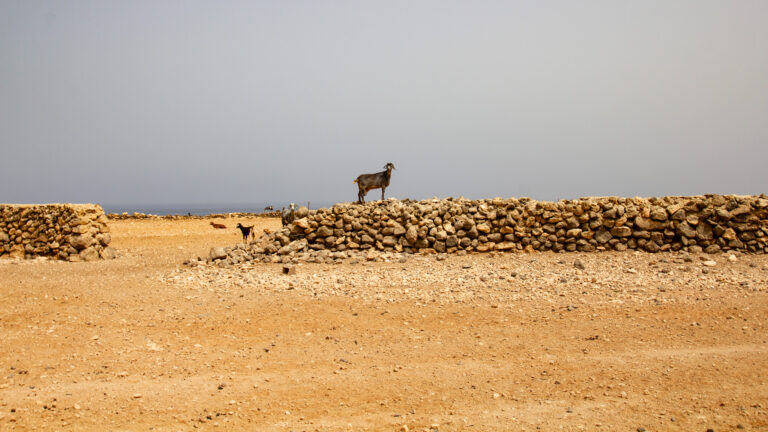
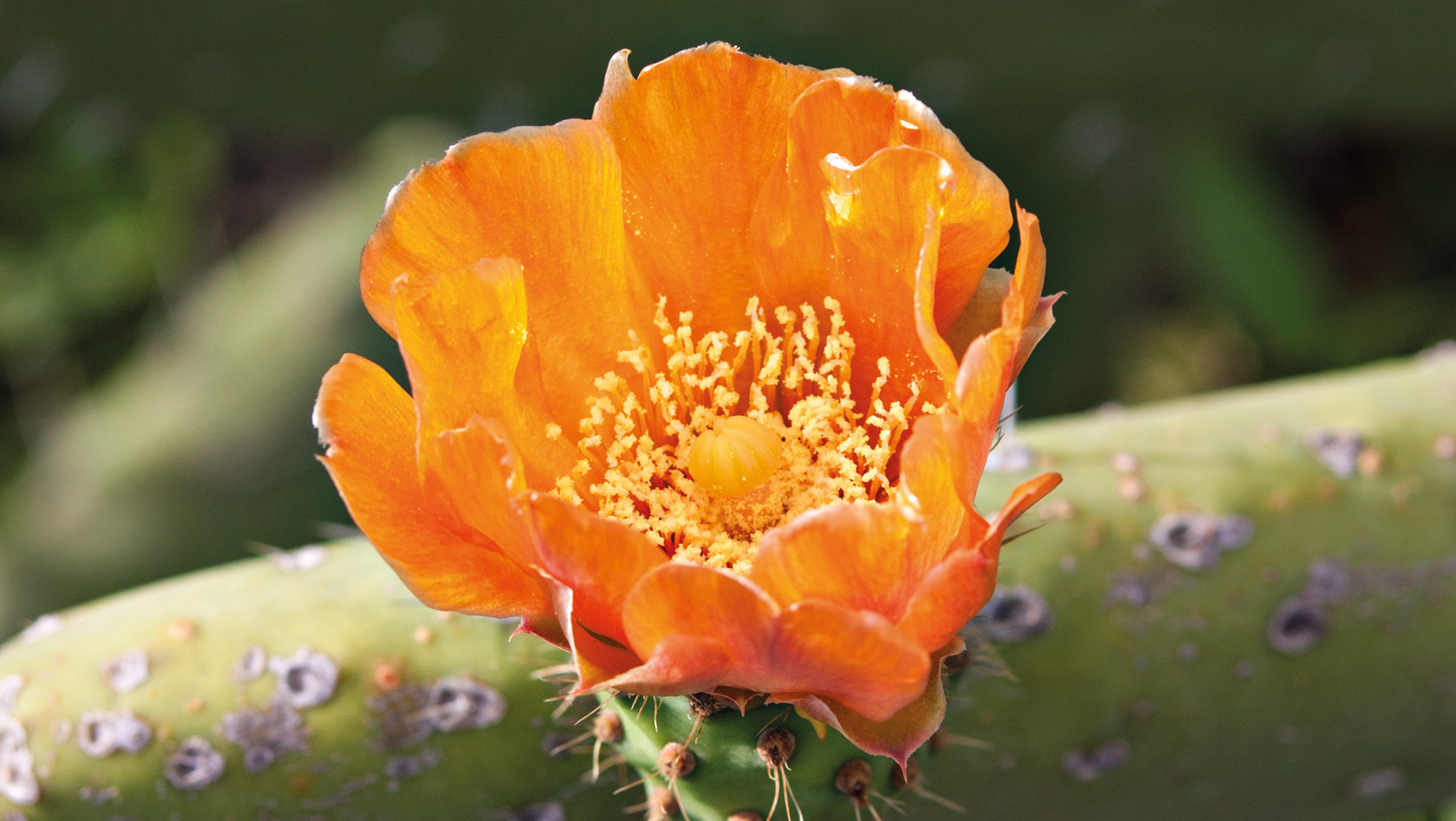
The nature of Fuerteventura is a lesson in resilience. The low rainfall has produced a sparse plant world that appears meagre at first glance – and all the more fascinating at second. Euphorbia plants, spiny tabaibas and the many-branched cardón cactus define the landscape of the island’s interior.
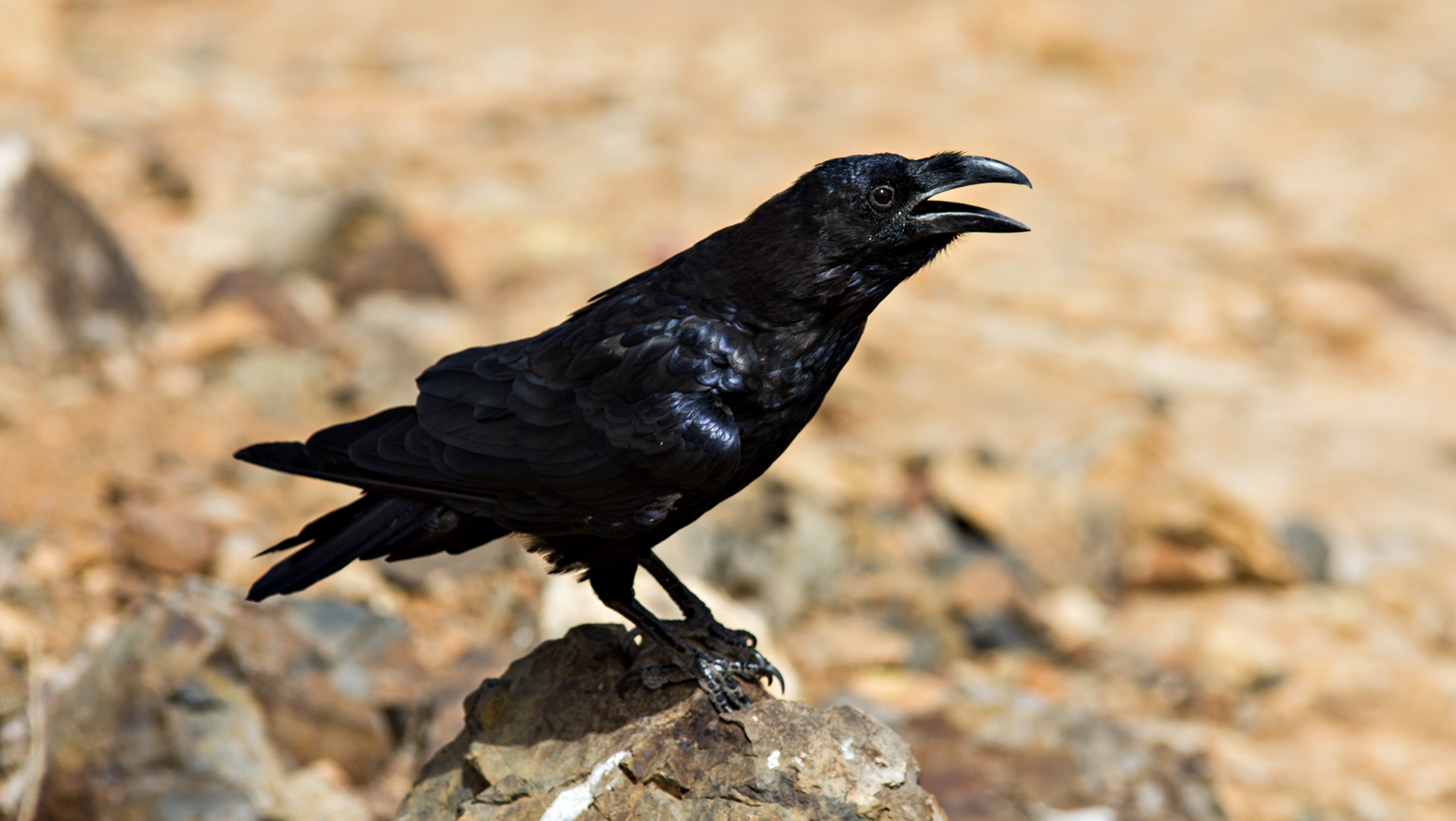
The wildlife of Fuerteventura is shaped by drought and island isolation – and yet: those who watch the sky are rewarded with rare bird species of Fuerteventura. Above all the underwater wildlife surprises with a remarkable diversity of species. Dolphins occasionally accompany the ferries, turtles drift through calm bays.
Museums & Leisure Parks – Culture and Fun for All
Fuerteventura’s museums are anything but dry affairs. On the contrary: those who discover the island’s cultural offerings get a vivid picture of Canarian history, nature and tradition. The museums in Betancuria and Puerto del Rosario, for instance, cover both archaeological and natural history themes – and are well suited to children too.
Particularly appealing for families: the Acua Park Corralejo, which offers an unforgettable experience as a unique blend of water park and underwater museum. Water, play and knowledge come together here in a way you will not forget in a hurry.
The Windmills – Silent Witnesses of Another Age
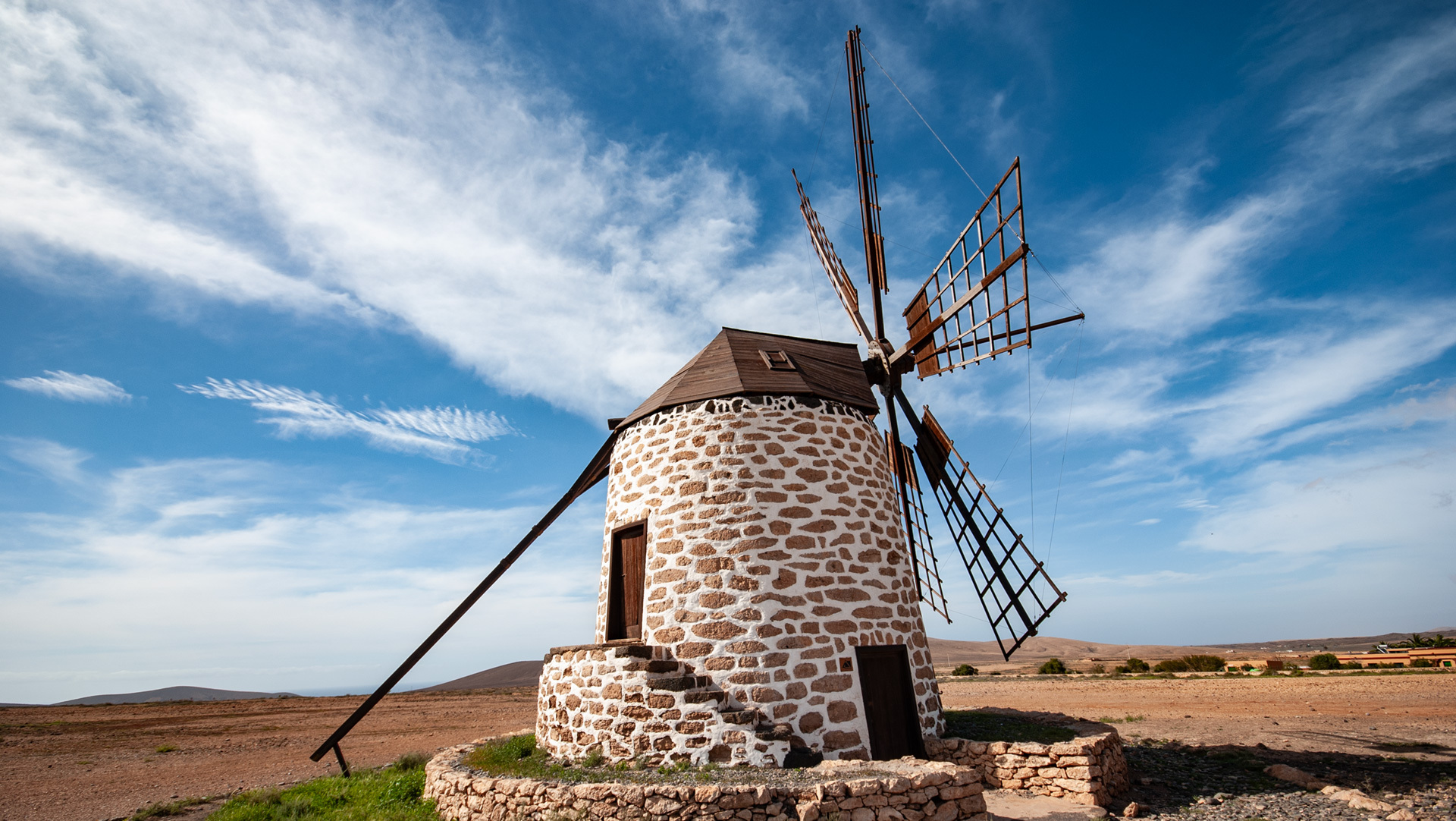
Those who travel through the interior of Fuerteventura encounter them time and again: the windmills of Fuerteventura, silent and dignified, often perched on a hilltop as if they had always been part of the landscape. And in a way that is true – they are among the most characteristic structures on the island.
Once they secured the livelihood of farmers, ground grain, and withstood the same wind that surfers celebrate today. As agriculture declined in importance, so too did the mills lose their function. But in recent years there has been a move to restore them – and return them to the public. Today they stand as Canarian landmarks and quiet witnesses to an island history that goes far beyond sun loungers and surfboards.