The History of Fuerteventura: A Journey Through the Ages
There are places older than their names. Fuerteventura is one such place – an island where the wind sweeps not only through the dunes but also through the millennia. Anyone who wants to understand the history of Fuerteventura must look far back – to a time when no European had yet dared to venture onto the open sea.
The Indigenous People of Fuerteventura: The Majos and Their World
Long before the Spaniards arrived, Fuerteventura was home to people known today as the Majos or Majoreros. The term „Guanches“, commonly used to refer to the indigenous peoples of the Canary Islands, literally means „man from Tenerife“ – it was therefore never quite fitting for the inhabitants of this island. The Majos of Fuerteventura chose their own name, and they did so deliberately.
It is believed that the ancestors of the Majos were Berber tribes from North Africa who settled the island in several waves of migration from around 3000 BC. Libyan-Berber inscriptions found on the island provide compelling evidence for this theory. In these characters one can read, as it were, the handwriting of a migration – that of a people who left the Sahara behind and made their home on Fuerteventura.
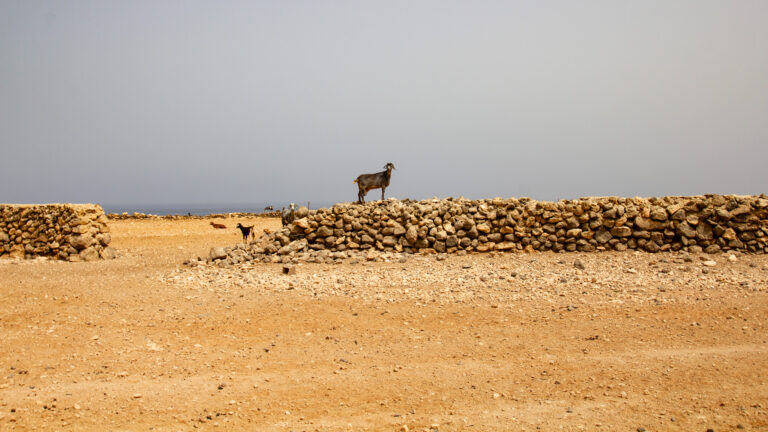
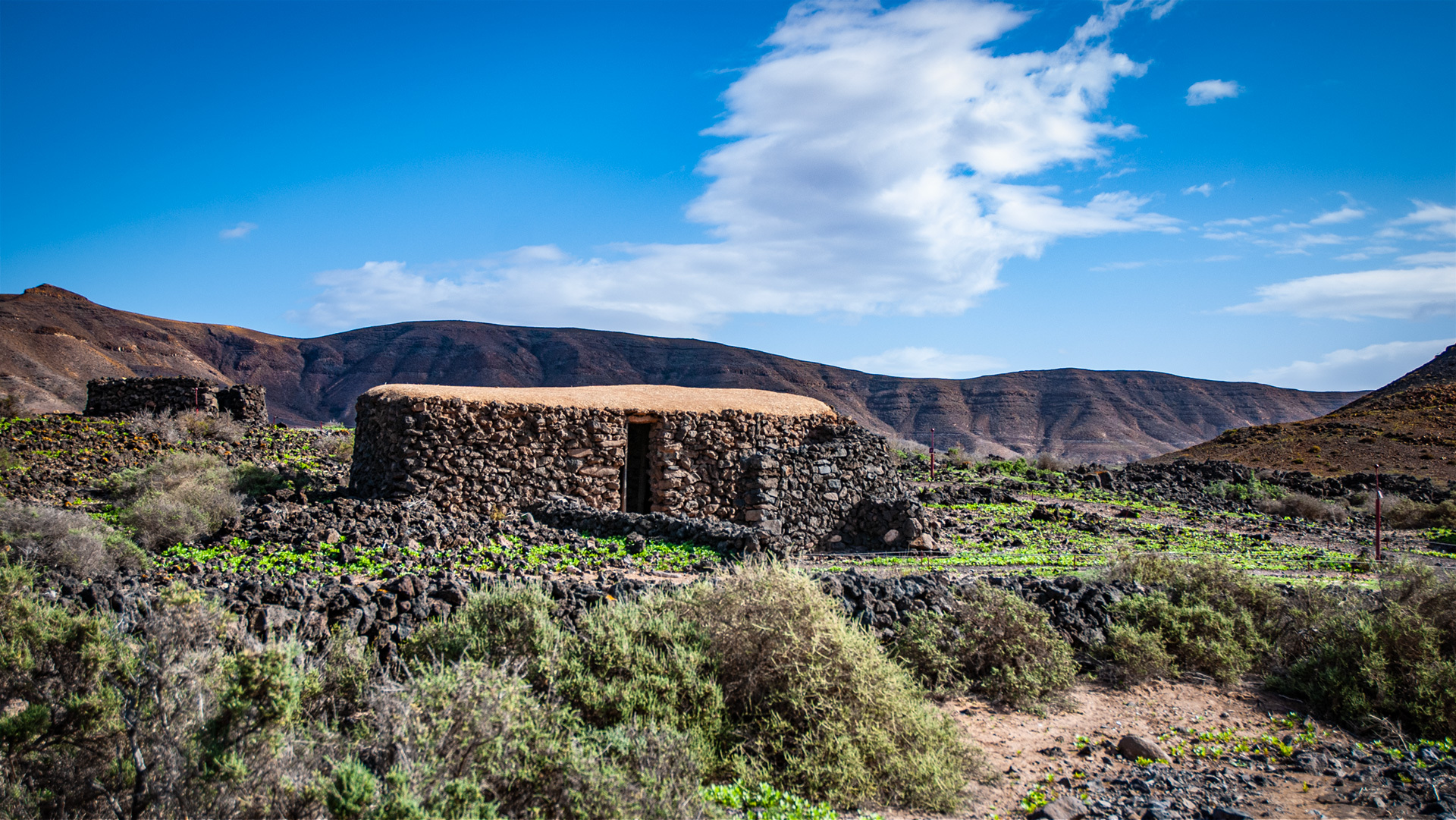
The Majos lived modestly: caves and simple stone huts provided shelter, goat meat and fish filled their stomachs, and terraced fields on volcanic terrain fed the community. Politically, the island was divided into two kingdoms: the northern Maxorata and the southern Gandía – the present-day Jandía. The isthmus Istmo de la Pared connected the two realms but is said to have also been divided by a stone wall. Near Costa Calma, remnants of walls can still be found today – whether these are the remains of that legendary wall remains an open question.
Phoenicians, Homer and Pliny: The Canary Islands in Antiquity
As early as the 11th century BC, Phoenician merchants – the people who invented the alphabet – are said to have reached the Canary Islands from Cádiz. They reportedly gave the islands the name „Purple Islands“ or „Purpuraria“ – after the orchil lichen, which in antiquity was a highly prized dye for cloth.
The first written mention of the Canary Islands appears around 850 BC in Homer’s Odyssey: they are described there as the „Isles of the Blest“, where the souls of the dead find eternal peace. Herodotus also mentioned the islands in the 5th century BC as the home of the legendary Garden of the Hesperides – that mythical place where immortal fruits were guarded.
In the 1st century AD, Pliny the Elder wrote in his famous Naturalis Historia about an expedition sent by King Juba II of Mauretania – during which the islands received the names they still bear today. It was the moment when Fuerteventura first entered recorded history.
The Rediscovery: Expeditions and Slave Raiding in the 14th Century
After the fall of the Roman Empire, the Canary Islands sank into obscurity. The Saharan trade routes drew attention elsewhere, and the islands in the Atlantic rested quietly within themselves. The indigenous people of Fuerteventura were able to continue their pastoral and farming culture undisturbed for centuries.
Then came the year 1312. The Genoese mariner Lancelotto Malocello landed on Lanzarote – and the world of the Majos was never the same again. The rediscovery of the Canary Islands was followed by a series of expeditions whose aims, alongside trade and gold, also included slave raiding. A dark chapter began.
The Spanish Conquest of Fuerteventura in the 15th Century
At the beginning of the 15th century, the Frenchman Jean de Béthencourt received a commission from King Henry III of Castile and León to conquer the Canary Islands. He never fully succeeded – but Fuerteventura and El Hierro fell. The resistance of the Majos was broken, their culture destroyed, and the survivors Christianised and assimilated.
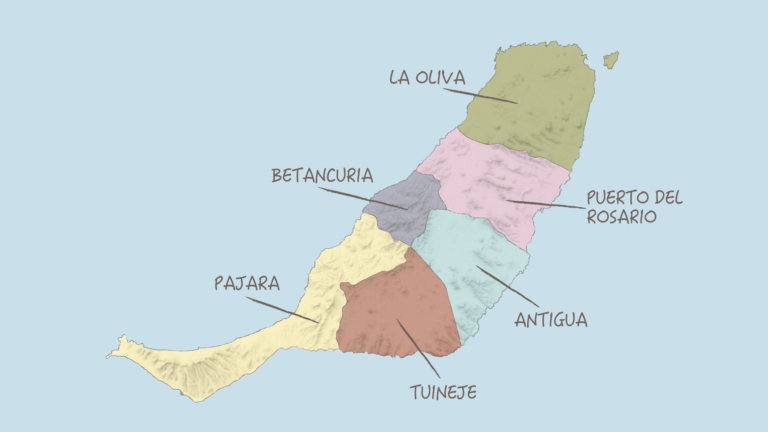
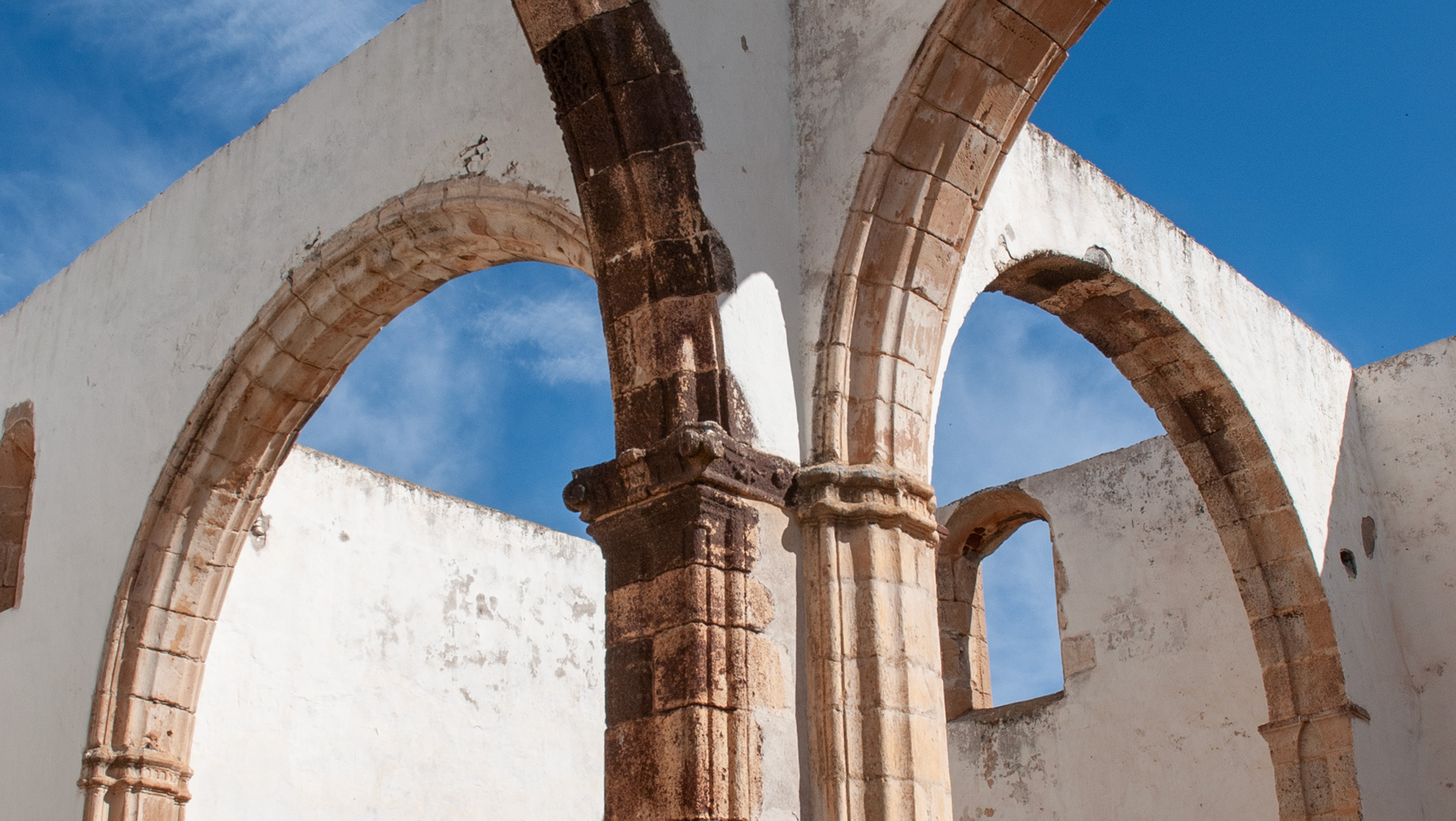
In the valley named after Béthencourt, the town of Betancuria was founded, serving for a time as the island’s capital. Franciscans established the monastery of San Buenaventura, and Fuerteventura was elevated to a bishopric. The Cathedral Church of Betancuria still stands today as a stone memorial to that era.
The discovery of America in 1492 gave the Canary Islands new strategic importance: as the last island group before the new continent, they became an indispensable staging post for transatlantic trade.
Pirates, Military Rule and Feudal Structure
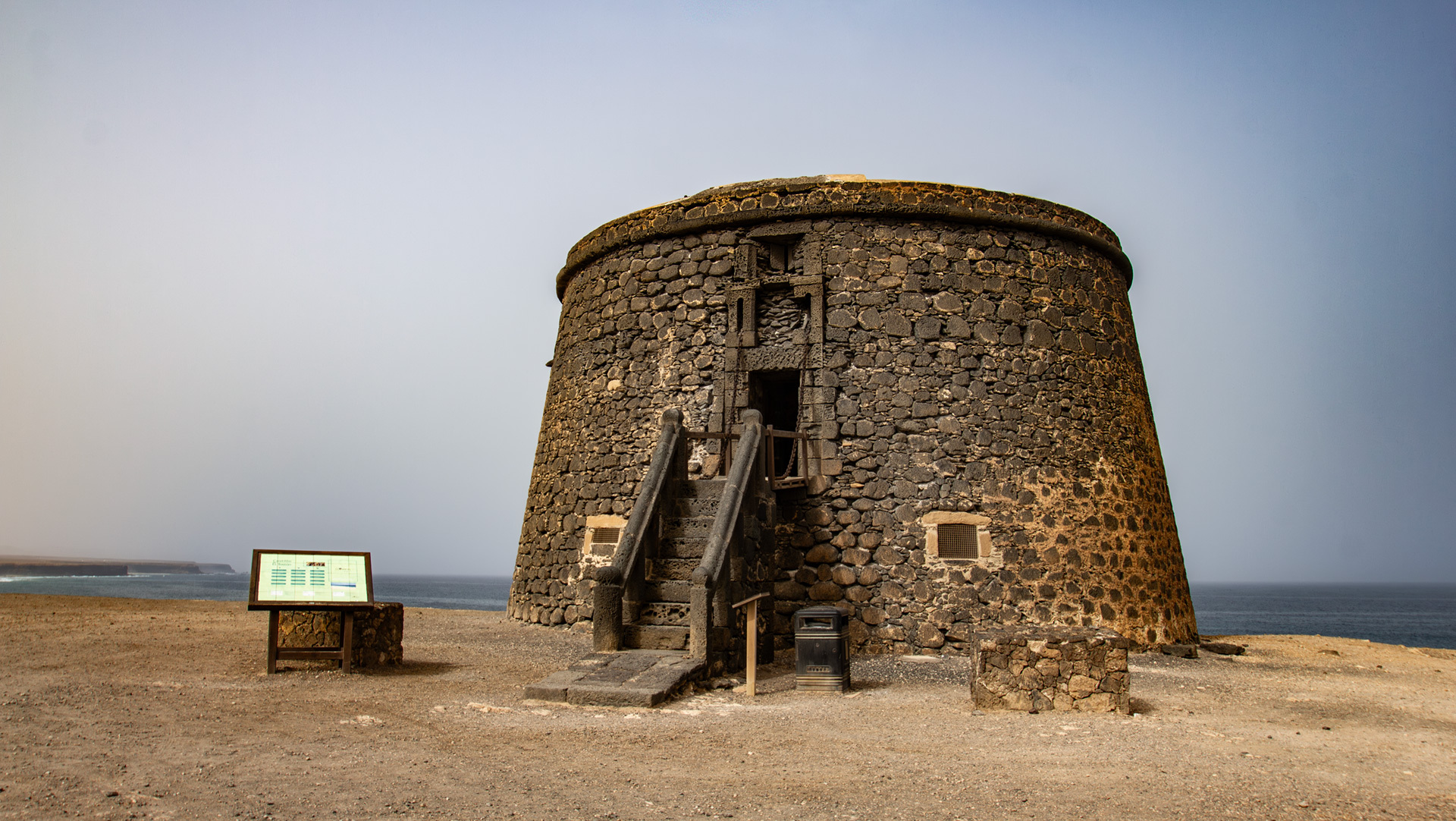
Like mainland Europe, Fuerteventura was organised along feudal lines after the conquest – counts administered the island in the name of the Spanish Crown. But peace was fragile. English corsairs and other pirates threatened the island, and so in 1708 a military government was established, ruling the island from La Oliva. At its head stood a Coronel – a colonel who kept watch over dunes and villages alike.
The 18th century brought further hardship: crop failures and famines drove the population to emigrate. Around 1770, the number of inhabitants fell from 11,000 to 4,400 – a dramatic decline. Those who stayed, fought. Those who left, carried the image of the island with them to the New World.
In 1812, the system of Señoríos (lordships) was abolished after around 300 years. The old aristocrats were replaced by bourgeois landowners, the so-called Caciques. For ordinary farmers and day labourers, much changed in name – but little in substance.
Free Trade, the Capital and Modernity: The 19th and 20th Centuries
In 1852, Queen Isabella II declared the Canary Islands a free-trade zone – and economic prosperity followed. In 1860, Puerto del Rosario (then still known as Puerto de Cabras) was declared the new capital of Fuerteventura. The island changed its face.
In 1912, the Cabildos Insulares – the island councils – were established, laying the groundwork for the later autonomous governance of the Canary Islands. In July 1936, General Francisco Franco launched his coup against the Spanish Popular Front government from the Canary Islands. The civil war that followed was brutal on both sides. Franco prevailed.
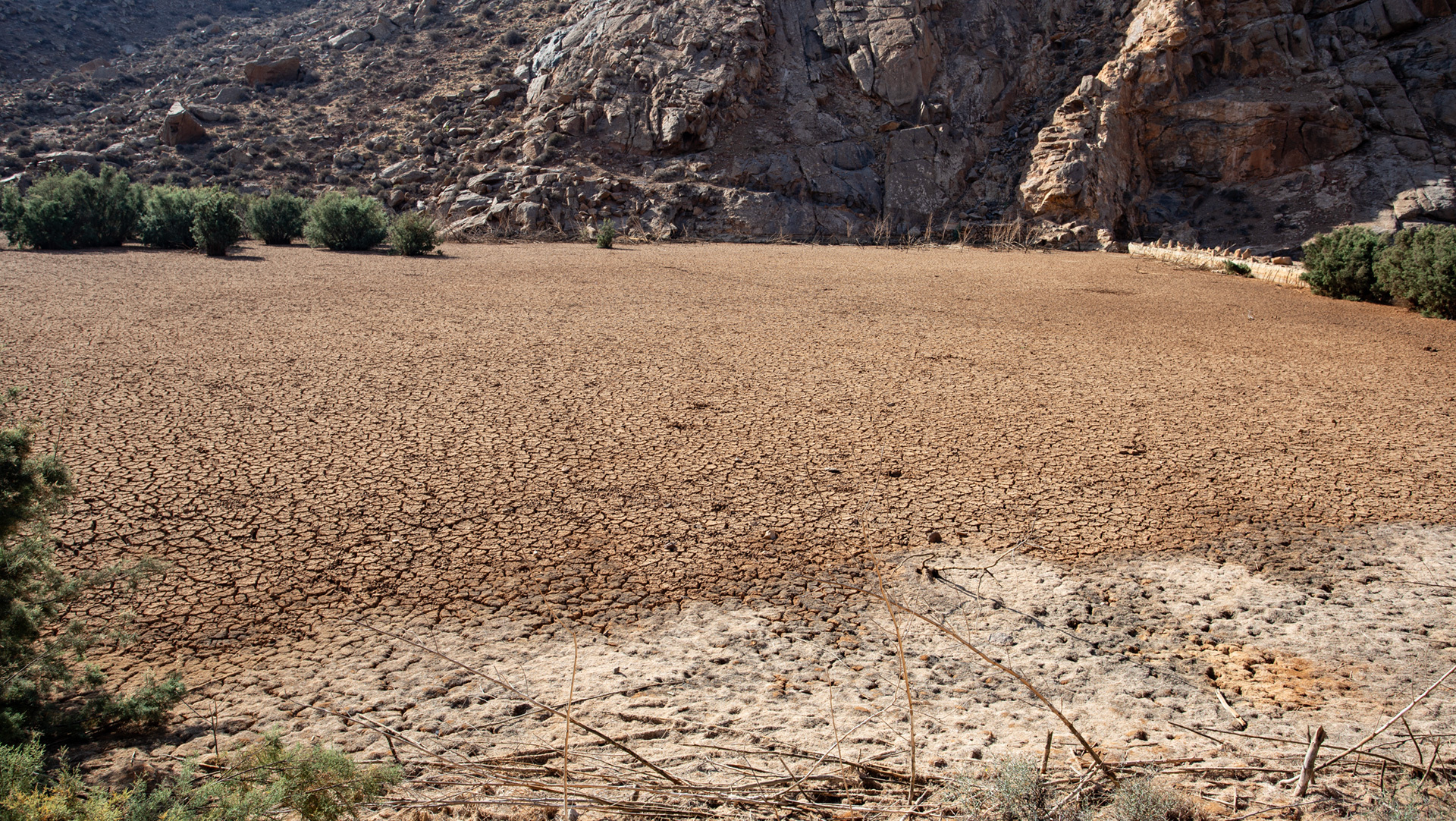
His attempts to modernise Fuerteventura economically – building dams, cultivating sisal, improving dry-land farming – all came to nothing. The island remained poor, the wind remained untameable.
Tourism as a Turning Point: Fuerteventura Today
In the 1960s, everything changed. A cautious opening of Spain towards Europe brought the first tourists to the island. With them came new income, new perspectives – and a new chapter in the history of Fuerteventura. Emigration slowed and the population grew.
After the death of Franco in 1975 and the transition to democracy, calls for autonomy grew louder. Under the slogan „Fuera Godos“ – „Goths out“ – sentiment turned against Madrid and the dominance of the mainland. In 1982, the Canary Islands gained autonomous status. Spain’s accession to the EC in 1986 brought both opportunities and challenges. Tourism and an ongoing construction boom cushioned economic losses.
Today, Fuerteventura is one of Europe’s most popular holiday islands. Yet those who walk its white beaches or stroll through the old lanes of Betancuria can still sense it: the depth of time that lies here beneath the sand.