Parque Natural de Corralejo on Fuerteventura – Where the Wind Reshapes the World
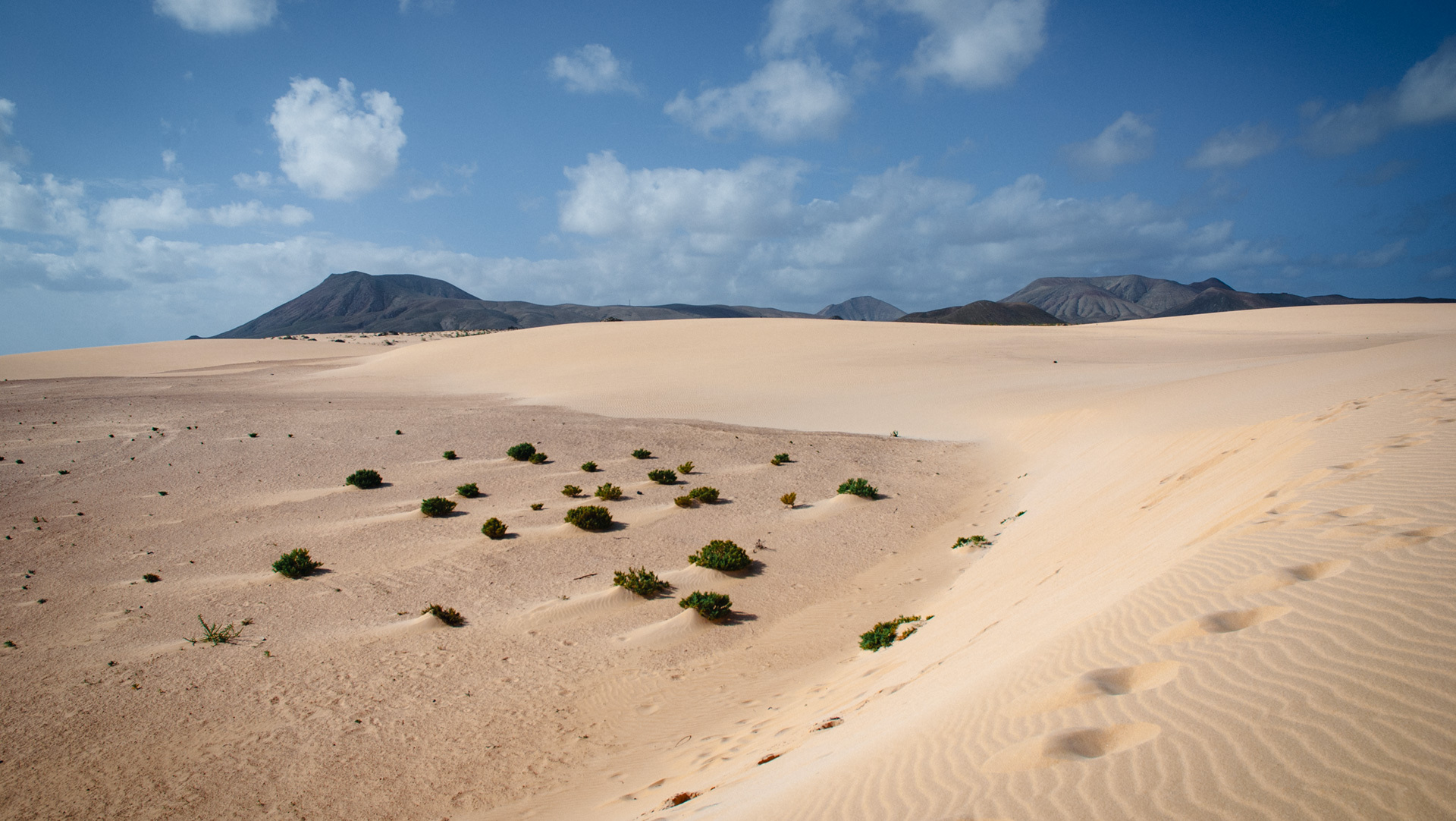
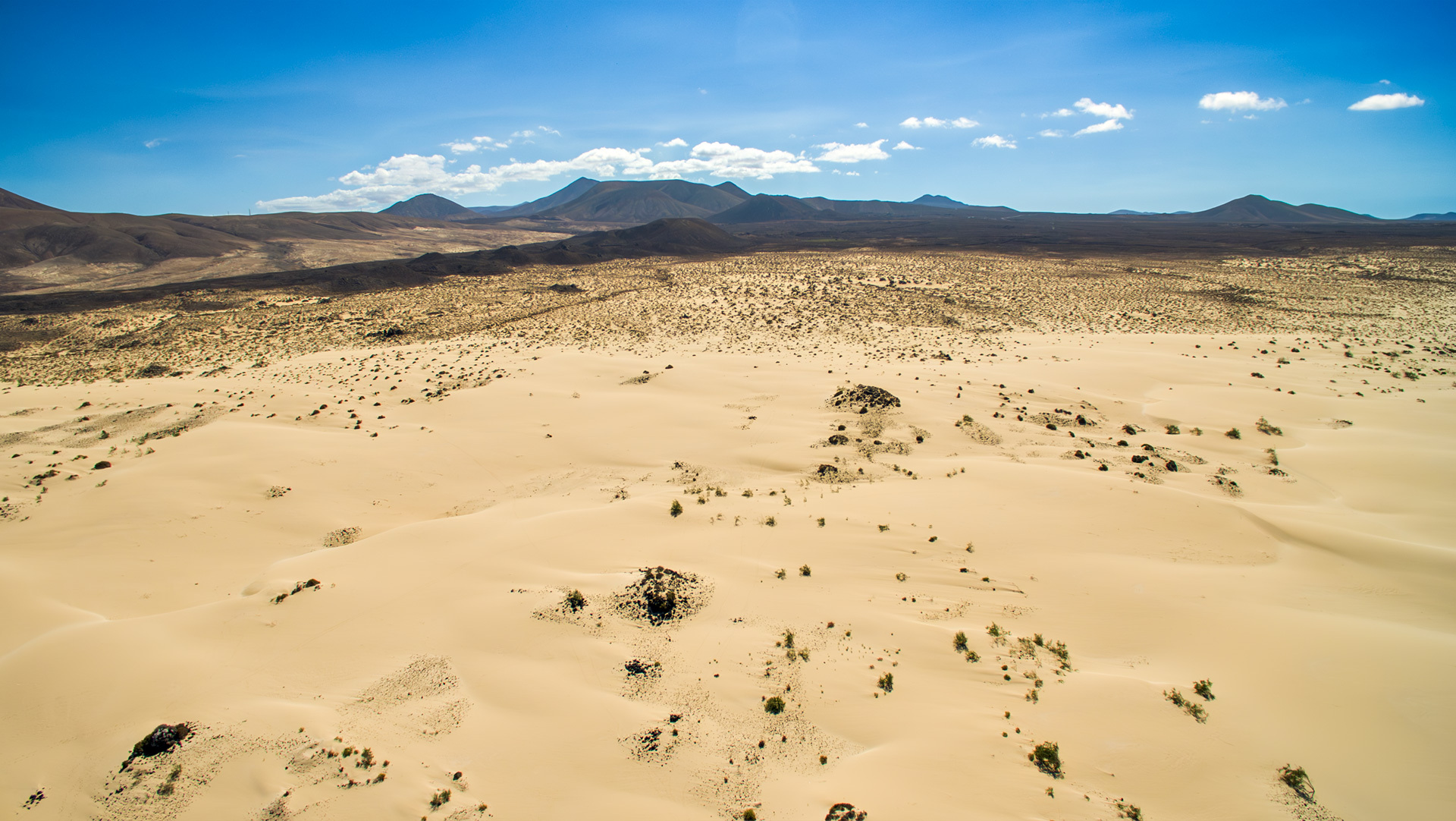
There are places you cannot grasp with your mind, only with your senses. The Parque Natural de Corralejo in the north-east of Fuerteventura is one such place. The moment you open the car door and the first gust of wind drives sand against your legs, you understand: here, nature is still the true protagonist. Vast and white and silent, the El Jable dune field stretches out before you – and you need a moment to grasp that you are still on a Canary Island and have not somehow wandered off into the Sahara.
The Corralejo Nature Reserve – History and Significance
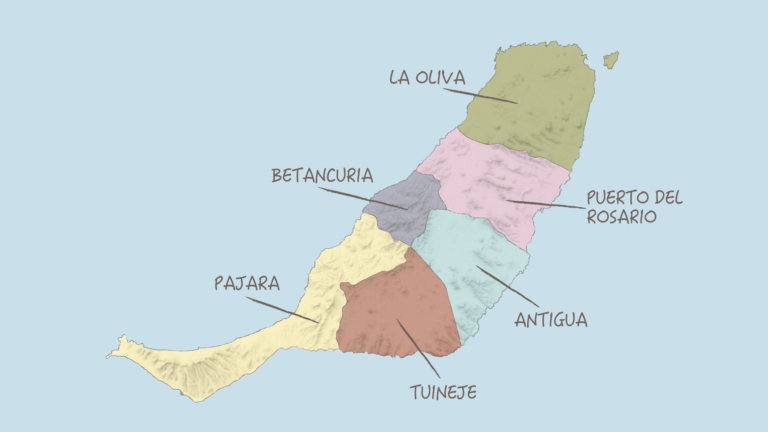
The El Jable area stretches along the north-eastern coast of Fuerteventura for around 11 kilometres and covers an area of approximately 2,000 hectares. To the north, the small town of Corralejo marks the boundary of the site; to the south, the striking volcanic cone of Montaña Roja forms the natural end of the dune landscape.
As early as 1982, the scientific importance of this exceptional natural landscape was recognised and the area was officially designated a nature reserve – since then it has carried the name Parque Natural de las Dunas de Corralejo. The designation also brought with it a strict building freeze, preventing any further development of the landscape. Two hotels that had established themselves along the dunes before this decision was made stand today as quiet witnesses to a different era – yet they scarcely diminish the impression made by this fascinating desert landscape. You see them, you take note of them, and then your gaze drifts away again into the boundless expanse of pale sand.
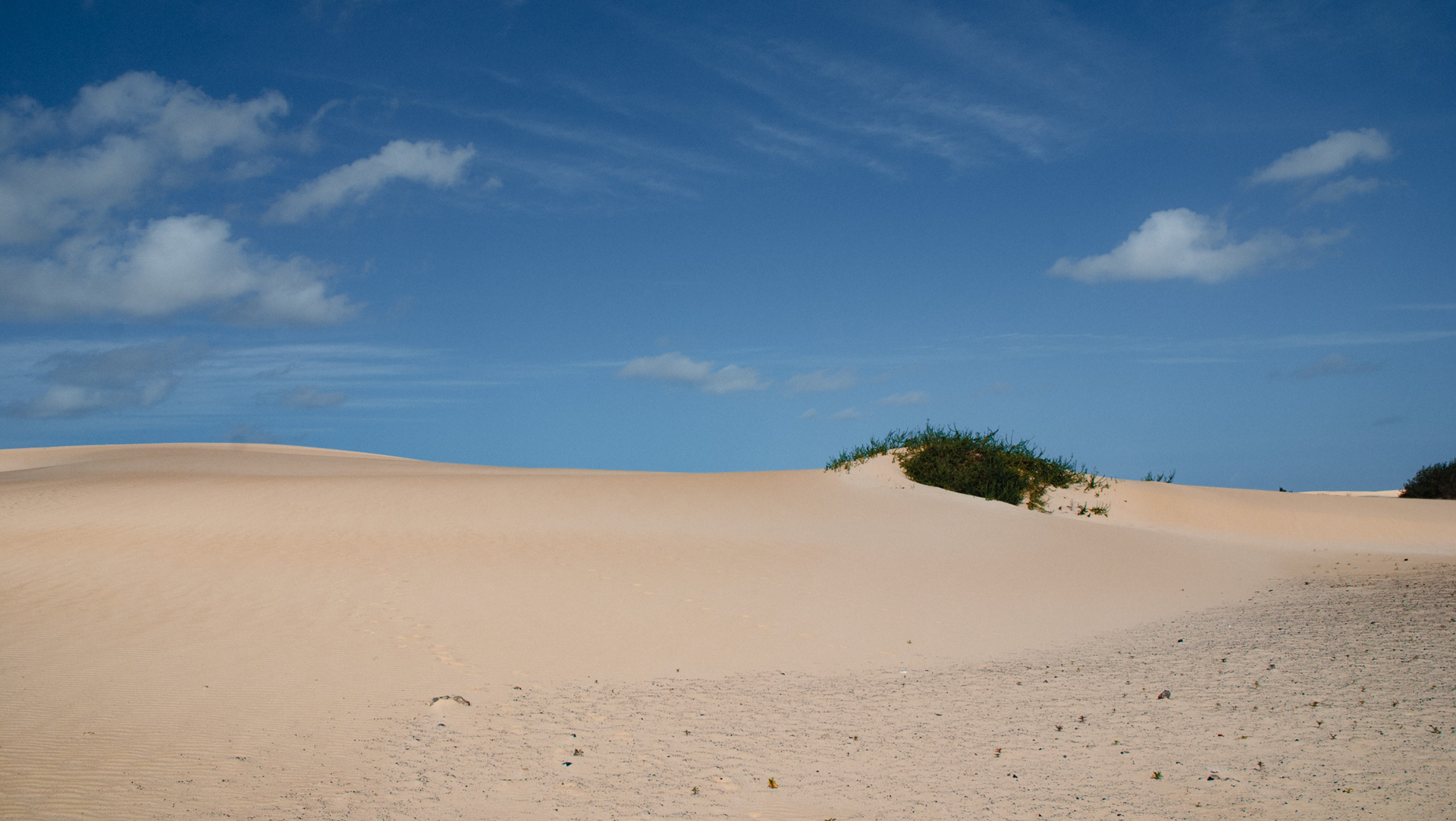
Sand from Millions of Years – The Formation of the Corralejo Dunes
Let the sand run through your fingers here and you hold more than mere earth in your hands: the sand of the Corralejo dunes consists primarily of crushed shells and snail cases, ground down over millennia by the Atlantic surf and driven inland by the steady trade wind. This wind – dry, strong, relentless – is also what keeps the migrating dunes in constant motion. The dunes move. Slowly, but steadily. A landscape that never quite repeats itself, reinventing itself from one visit to the next.
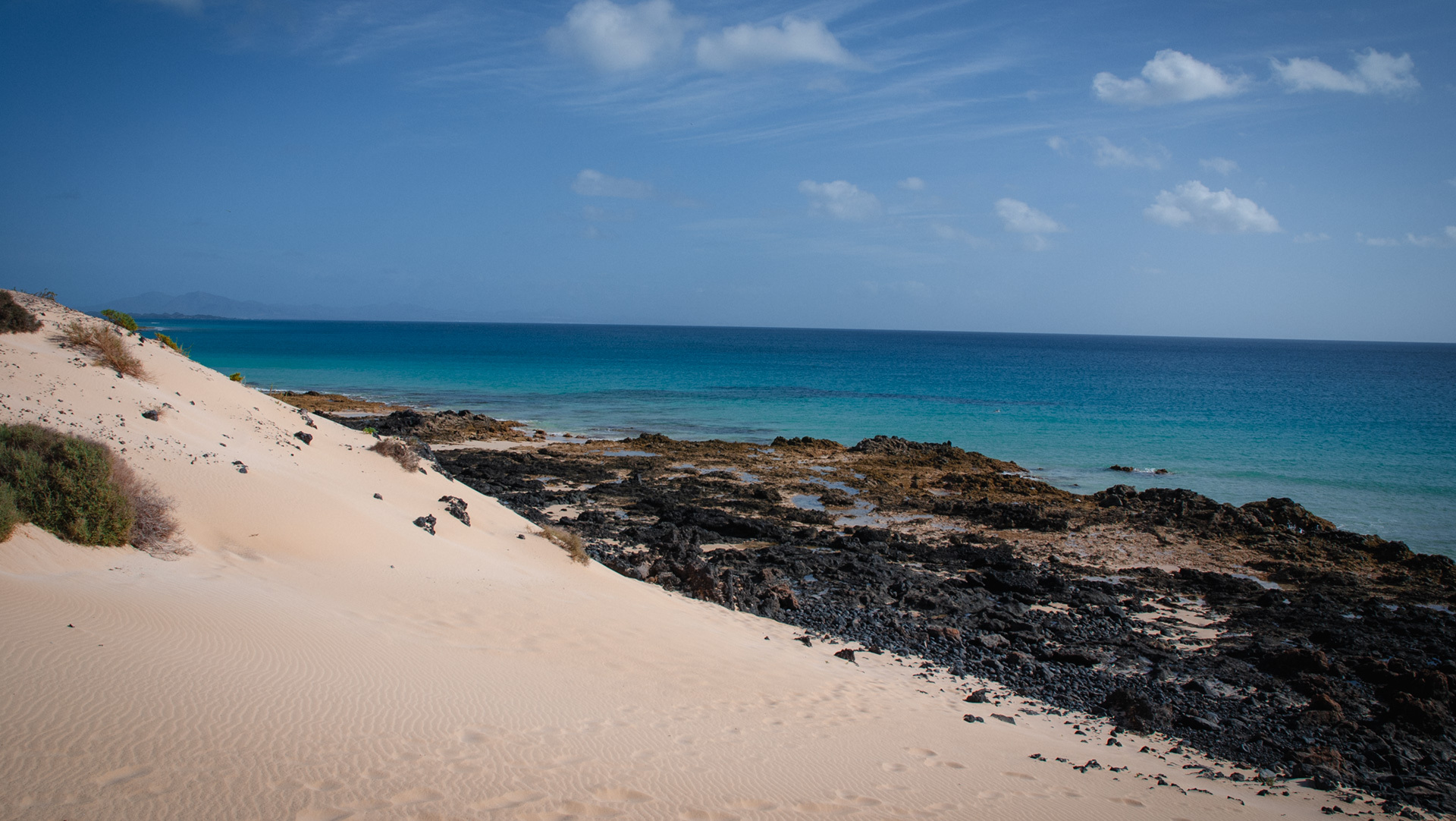
Flora and Fauna in Fuerteventura’s Nature Park – Life in the Sand
It may come as a surprise, but life pulses through this seemingly inhospitable terrain. Around 20 different plant species have adapted and established themselves in and between the sand dunes. You discover glassworts whose fleshy leaves store water like miniature reservoirs, find sedge grasses that hold their own despite constant windblown sand, and see sea oat plants and the striking sea spurge defiantly bracing themselves against the wind.
The fauna of the Parque Natural de Corralejo is as remarkable as it is discreet. Those who are patient and remain still may catch a glimpse of the cream-coloured courser – a subspecies perfectly adapted to the dune climate – or the stately houbara bustard, a rare desert bird whose sighting alone makes the journey worthwhile. At spots exposed by the wind you may also discover abandoned land snail shells or the delicate remains of solitary bee burrows – small archaeological fingerprints of an ancient natural history.
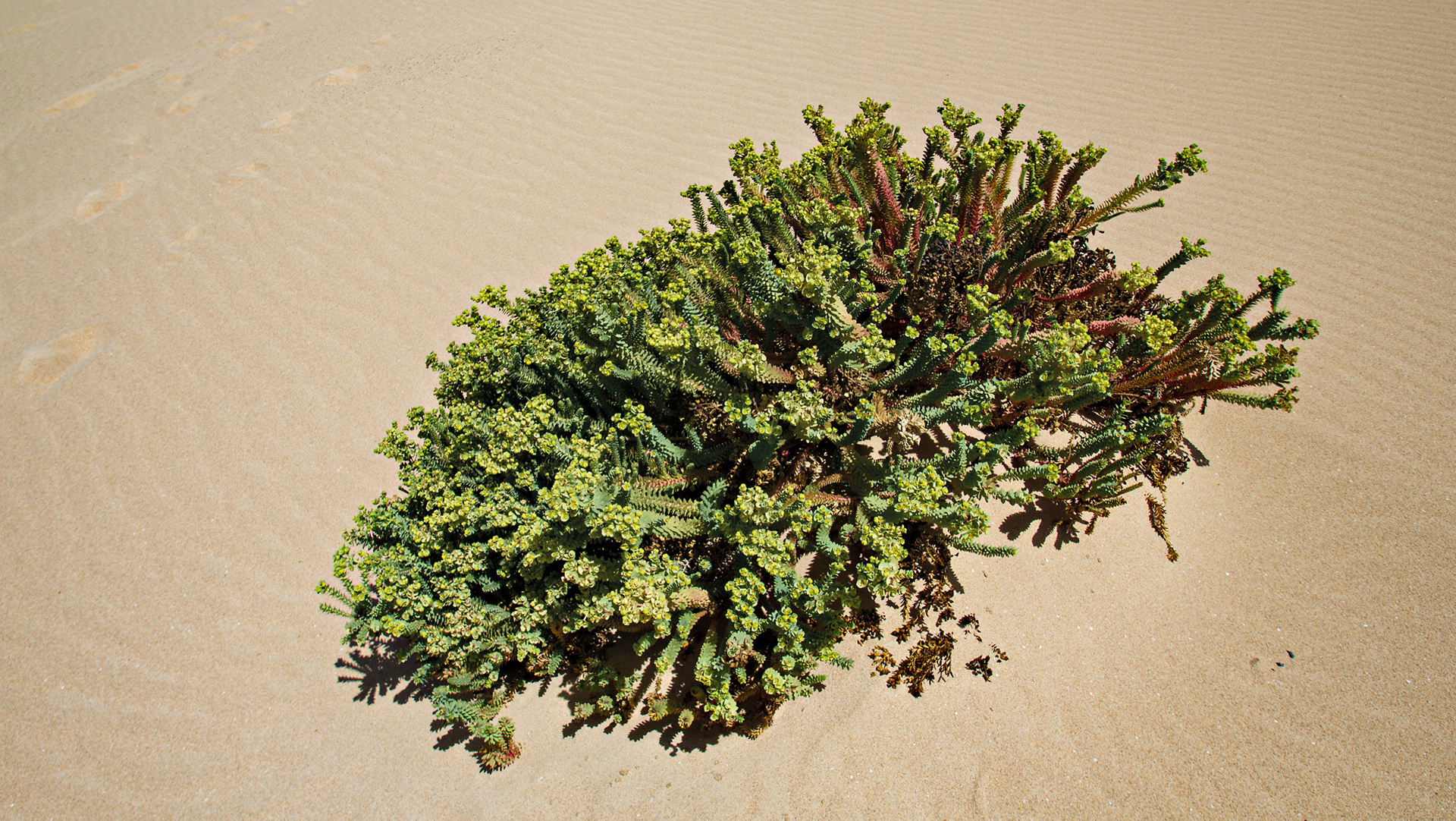
Beaches at the Parque Natural de Corralejo – Quiet Coves on the Atlantic
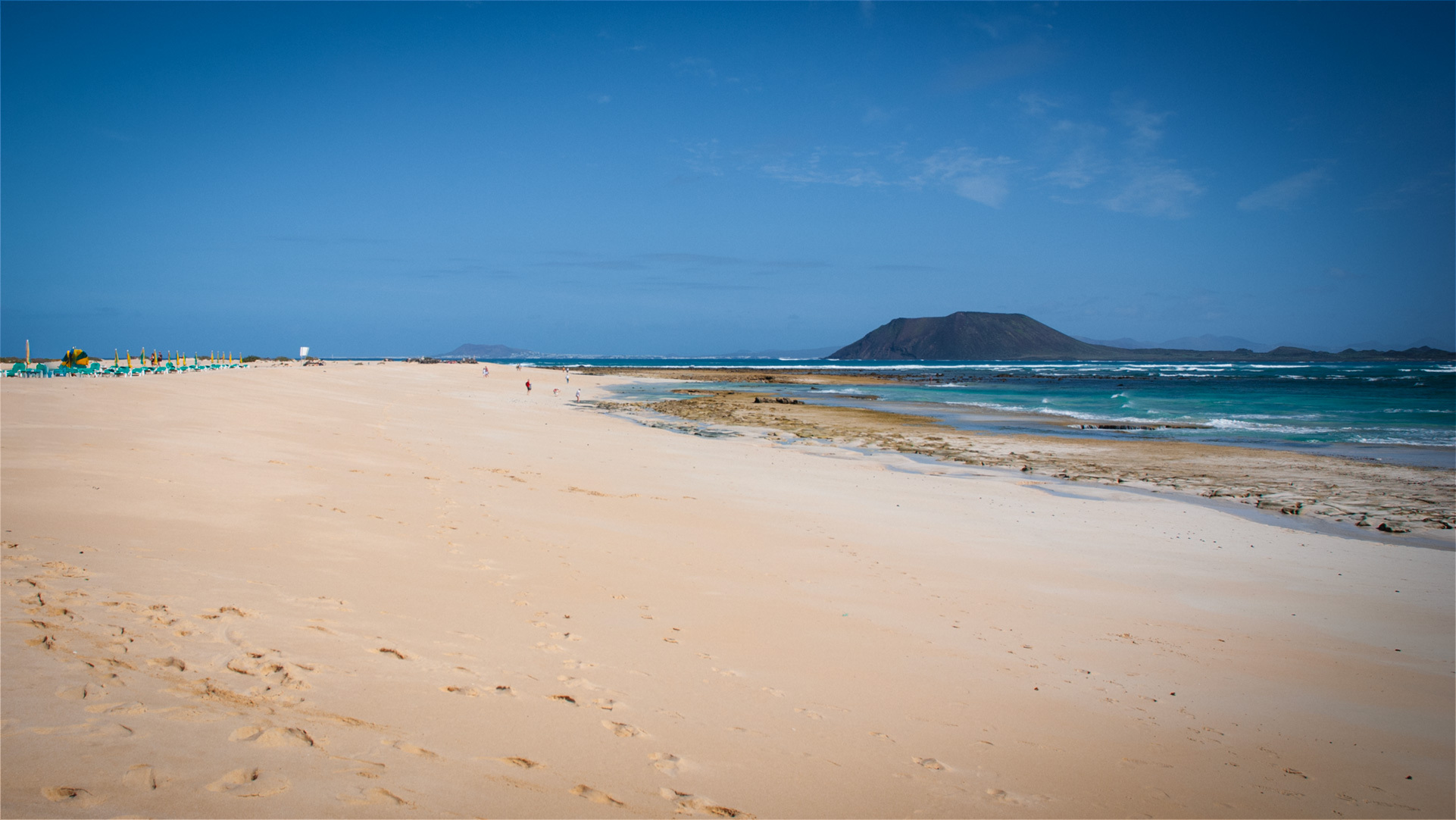
Along the coastline of the nature park, a succession of beaches invites swimming when the sea is calm and simply watching, marvelling and lingering when the water is choppy. The coves of Corralejo all share a quiet, almost meditative atmosphere – no noisy kiosk, no crowds, no excess of infrastructure. Instead: white sand, clear water, horizon.
On days with good visibility, an unobstructed view opens up across to the small islet of Los Lobos, sitting like a green brushstroke in the blue of the Atlantic, and beyond it – on particularly clear days – the outline of the neighbouring island of Lanzarote. A panorama that burns itself into the memory.
Getting to the Corralejo Nature Park – By Bus or Car
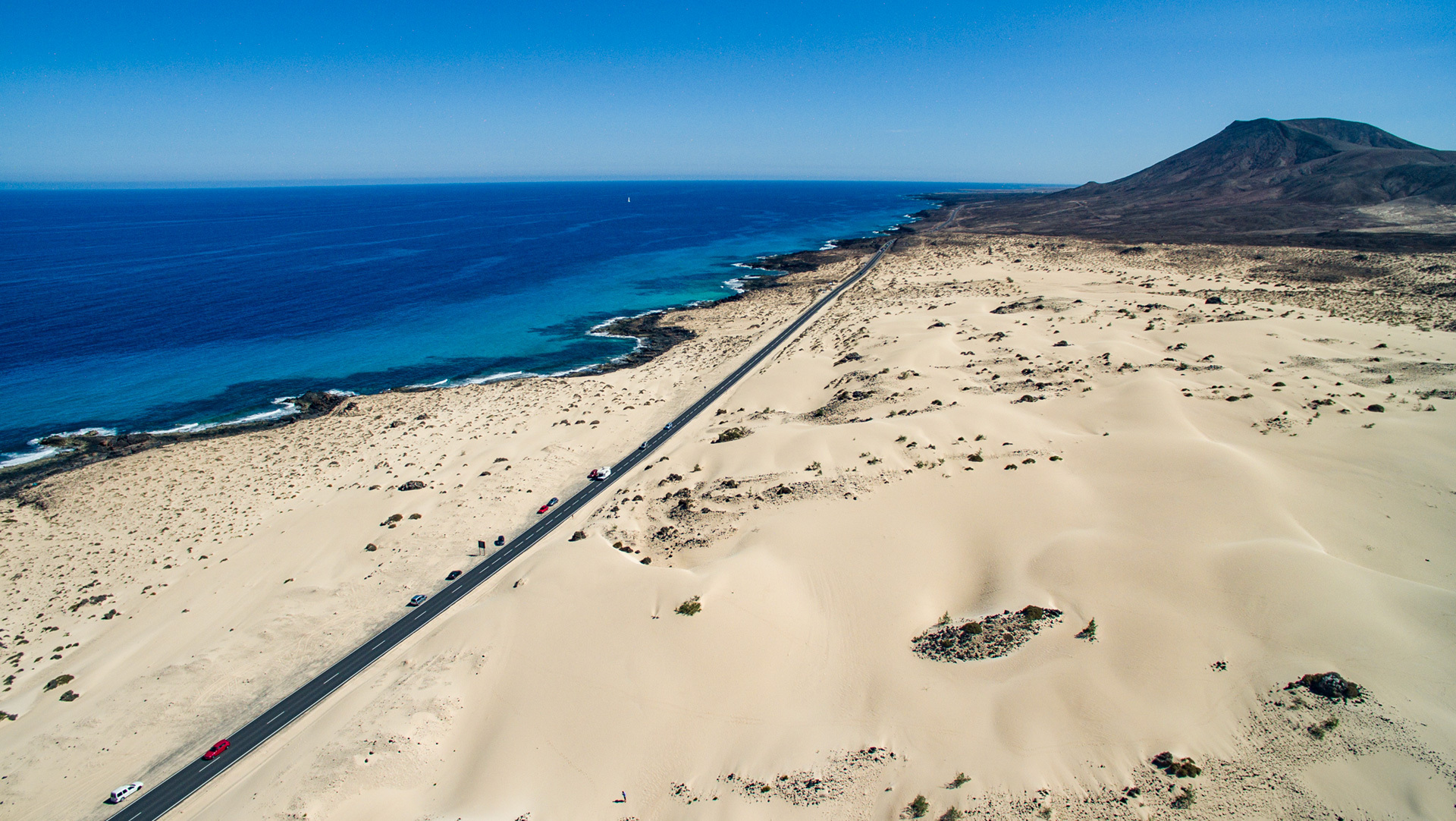
The FV-1 road passes directly through the dune area, linking Corralejo with Puerto del Rosario. From Puerto del Rosario, follow the FV-1 northwards for approximately 15 kilometres along the coast to reach the nature reserve. The drive itself is already an experience: the sea to your left, towering waves of sand to your right – and occasionally, when the wind has blown particularly strongly, a carriageway that has vanished beneath a thin layer of sand.
Designated car parks along the FV-1 are scarce. Many visitors simply pull up along the roadside – pragmatic, but not always comfortable. Those who would rather avoid the search can take Bus Line 6, which provides easy and environmentally friendly access to the dune area. A decision one can make here, in the middle of a protected landscape, with a clear conscience.
Rules of Conduct in the Corralejo Nature Reserve – Protecting the Dunes
The Parque Natural de Corralejo is not a leisure park but a protected ecosystem – and you can feel that. Strict guidelines govern how the landscape is to be treated: the area may not be driven through outside of the FV-1 road, neither by cars nor by motorbikes or quad bikes. Illegal dumping of litter – even seemingly trivial amounts – is consistently prosecuted and penalised with substantial fines.
It is worth thinking of these rules not as a tiresome constraint, but as what they truly are: the price of a nature experience without equal. Those who move mindfully through the dunes, who do not trample the plants and leave the sand as it is, give this landscape the chance to remain tomorrow as it is today.
Visiting the Corralejo Dunes – What to Bring
You leave the Parque Natural de Corralejo differently to how you entered it. With sand in your shoes, yes – but also with a different perspective. The dunes teach stillness. They show how beauty emerges when people step back and nature takes over. And they remind you that landscapes like this one are not to be taken for granted.
Fuerteventura has many faces – the long beaches of the north, the rugged volcanic landscape of the south, the wind-lashed coastlines of the west. But the Corralejo Nature Park is the island’s heart. Raw and gentle, alive and still, all at once. A place you must see at least once – and to which you will always want to return.
Note: Please observe all applicable protection regulations when visiting the nature park. Take your litter with you, do not leave the paths, do not pick plants – this is how this unique landscape can be preserved.