Traditional Meat Dishes on Fuerteventura and the Indispensable Classics
There are places where food is not merely sustenance, but history. Fuerteventura is one such place. Those who know the island only from its coastline miss an entire second world — a world of lava stone, goat bells, and the quiet smoke rising from old kitchen ovens. The meat cuisine of Fuerteventura is deeply rooted in the hard, agricultural soul of this island. Here, no one cooks for tourists. People cook the way they always have.
The Goat – the Culinary Heart of the Island
To understand the meat dishes of Fuerteventura, one must first understand the goat. The Cabra majorera, the island’s hardy, adaptable goat breed, shapes not only the landscape with its light, springy steps across lava scree — it shapes the table too. Thanks to the large goat population, young kid, known in Spanish as »cabrito«, is one of the most widely available locally produced meats on the island.
There is nothing romantic about it. It is an honest, down-to-earth cuisine. Young goat meat is considered a true delicacy — tender, slightly gamey, with a flavour you will not find in any supermarket. It is often served as Asado, grilled over open heat, or as Cabrito en Adobo: marinated in garlic, herbs and vinegar, then slowly and patiently braised until the meat almost falls apart on its own.
Carne de Cabra – the Dish of the Interior
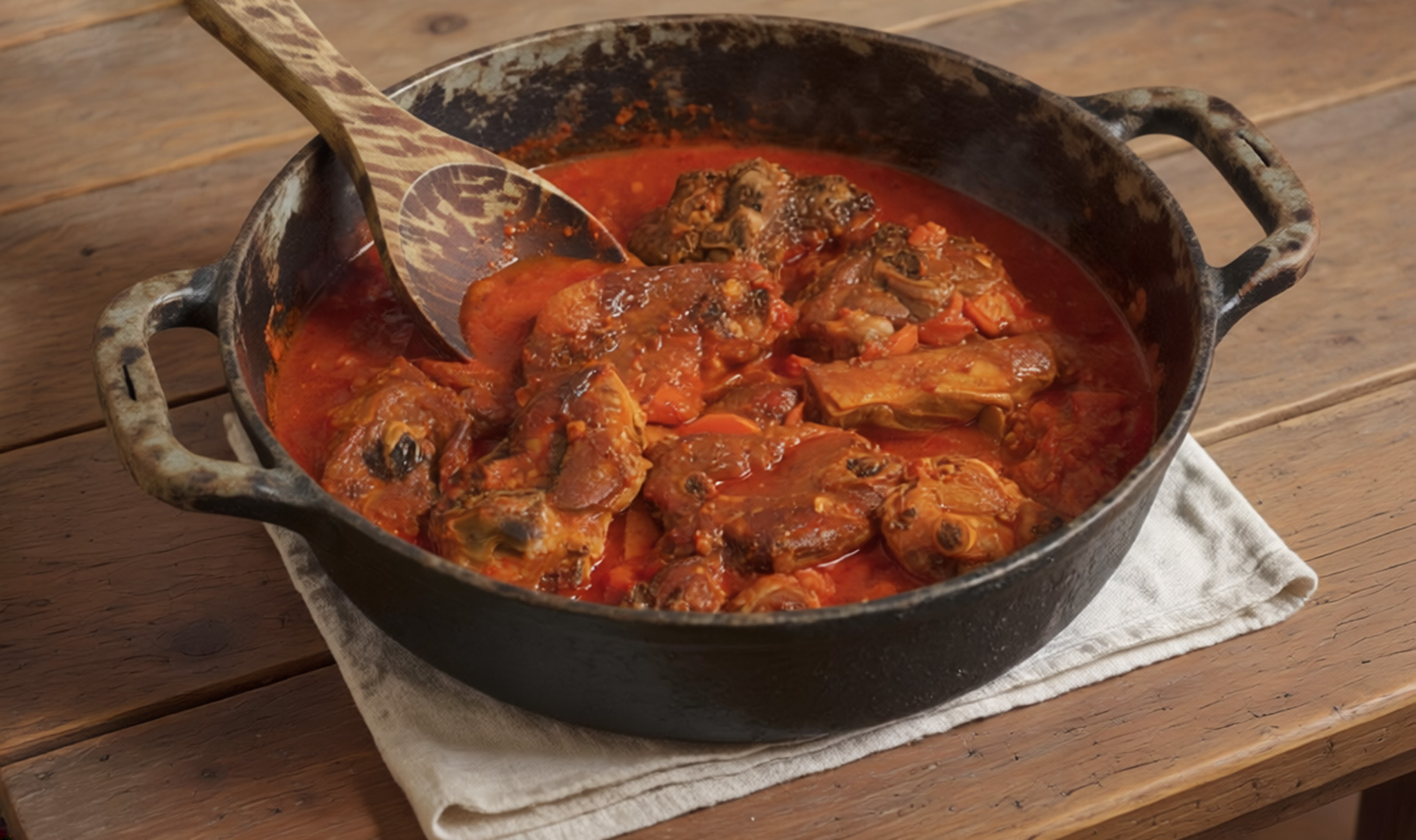
Sit down in a rustic restaurant in the island’s interior and order. If you know what you are doing, you order Carne de Cabra — the goat stew that is something like Fuerteventura’s unofficial national dish. The meat is braised for hours in a rich sauce of wine, onions, garlic, paprika and spices such as cloves or anise, until it is meltingly tender and the sauce has reduced to a deep, dark essence.
You close your eyes with the first spoonful. You taste time.
Puchero Canario – the Canarian Stew
Another dish that deserves a place on any serious list of traditional Canarian meat dishes is the Puchero Canario. This hearty stew is prepared on Fuerteventura — unlike on other islands — traditionally with goat or kid meat, not chicken. Chickpeas, sweetcorn, pumpkin and beans come together with the meat, which carries the broth and gives it depth. A dish that warms. A dish that satisfies. A dish that tells a story.
Conejo en Salmorejo – Rabbit in Marinade
Alongside goat, rabbit — known in Spanish as »carne de conejo« — is one of the few meats actually produced on the island itself. The rest — beef, pork and lamb — are largely imported from the Spanish mainland or from South America.
The most celebrated rabbit dish in the entire Canaries is Conejo en Salmorejo: the meat is marinated in a spiced mixture of vinegar, garlic, paprika and wild herbs — sometimes overnight — then seared and braised until done. The result is a dish of remarkable aromatic depth — tangy, robust, unmistakably Canarian.
Chorizo and Morcilla – Sausages with Character
The traditional meat cuisine of Fuerteventura would be incomplete without its sausages. As throughout Spain, Chorizo is ubiquitous here — that fiery, paprika-and-garlic-spiced sausage that counts as one of Spain’s great culinary exports, equally at home on the grill or in the frying pan.
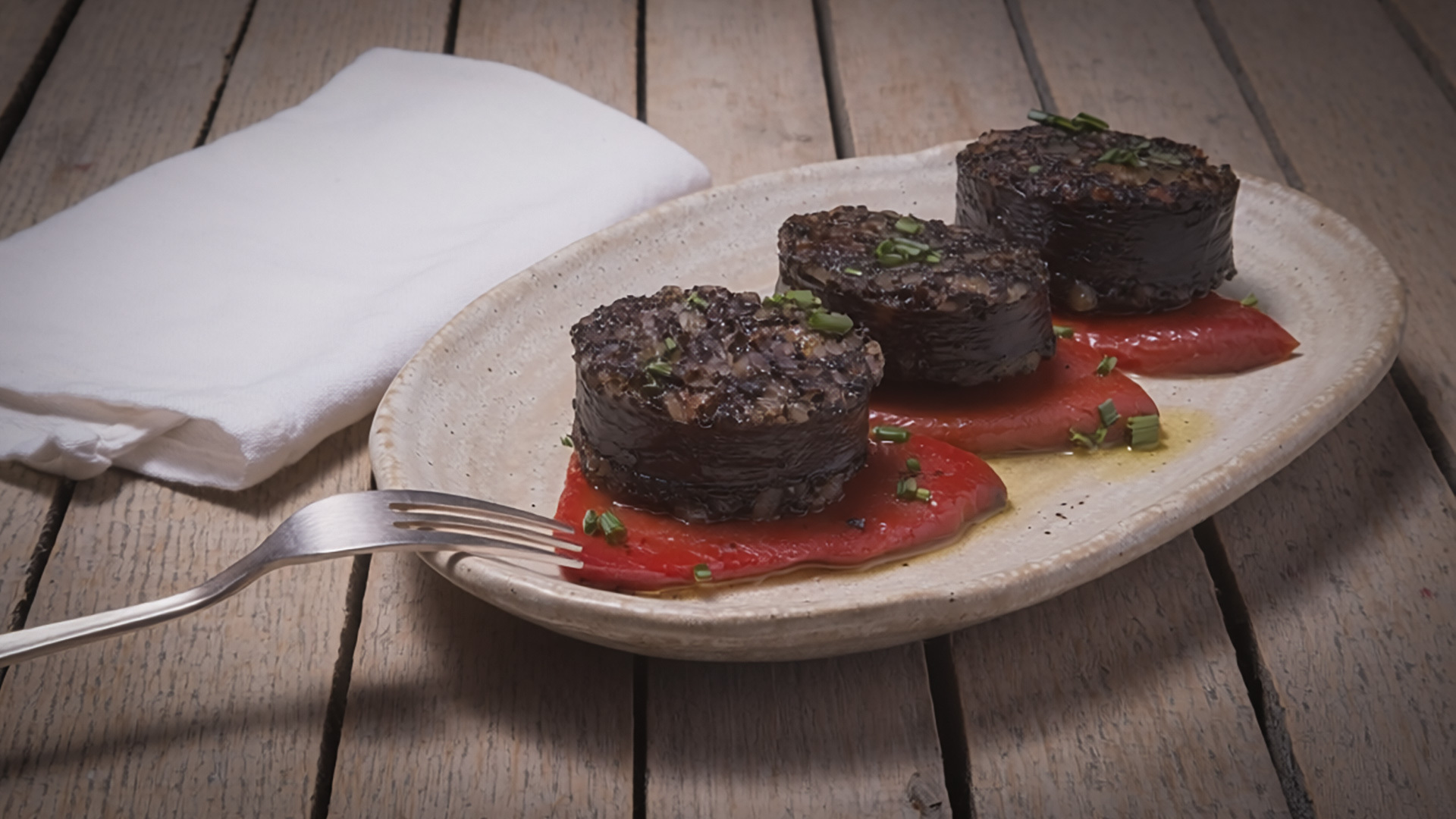
For something distinctly Canarian and particularly special, reach for Morcilla — the traditional Canarian black pudding, made with almonds, cinnamon and raisins. Sounds unusual? It is. But anyone who has tasted that sweet-savoury combination understands immediately why this sausage has been made for generations. No compromise. No trend. Just tradition.
Papas arrugadas and Mojo – the inevitable accompaniment
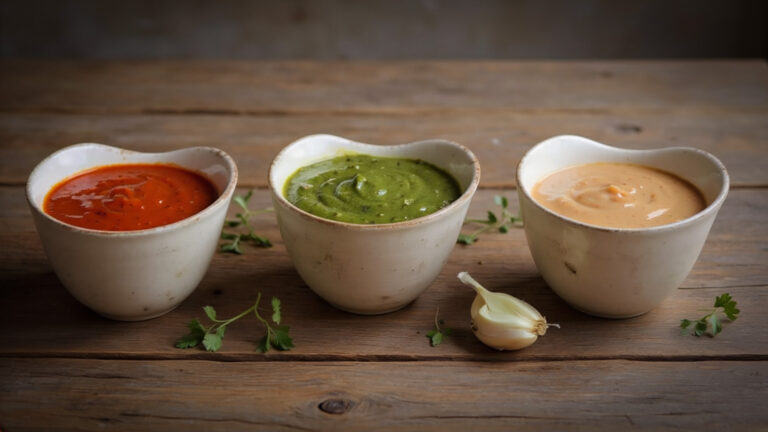
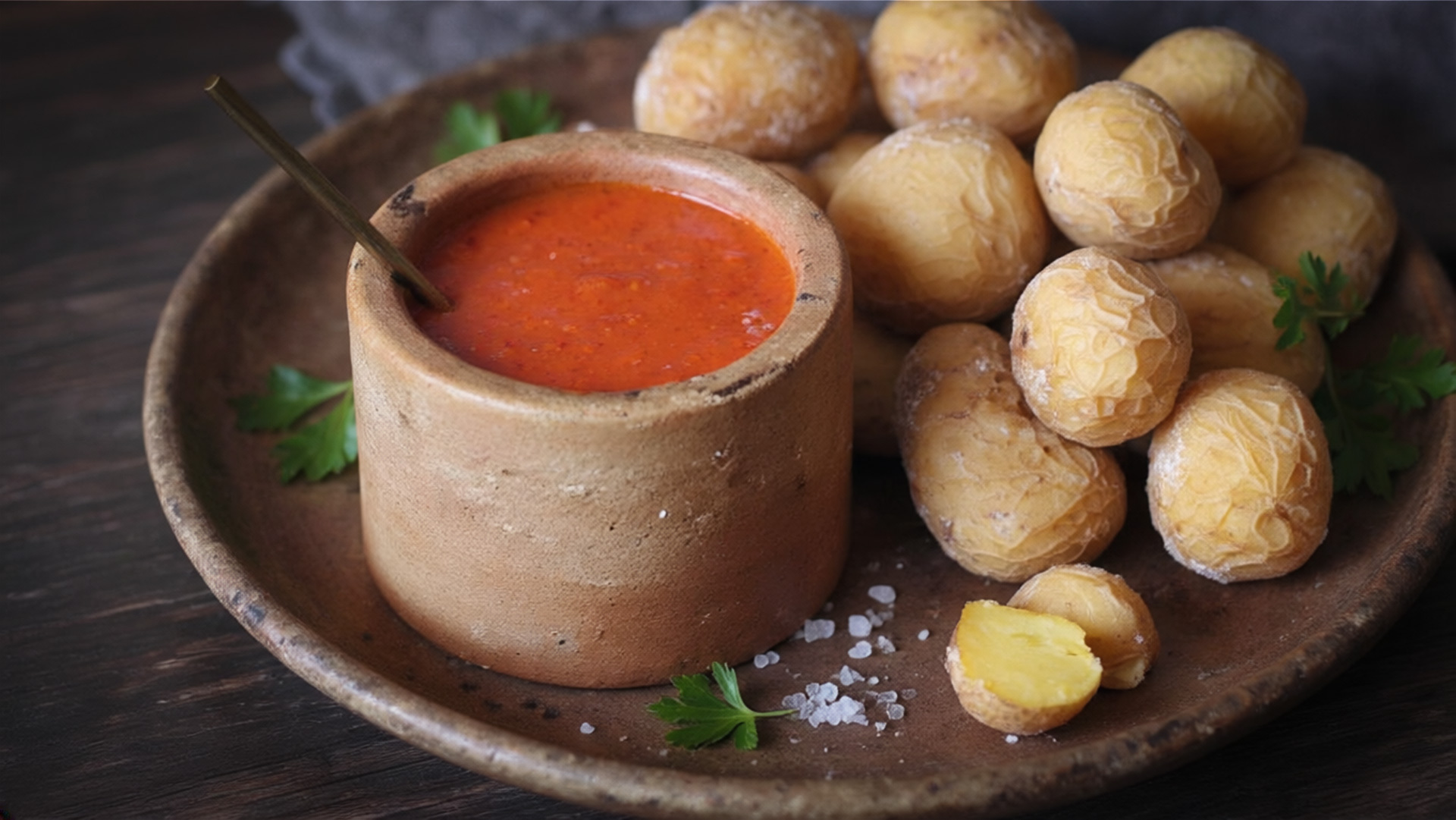
Almost every hearty meat dish on Fuerteventura arrives at the table with a bowl of Papas arrugadas: those small, wrinkled, salt-crusted potatoes, cooked in their skins until a white crystalline crust forms on the surface. With them comes the obligatory Mojo sauce — either the fiery red variety (Mojo rojo) or the fresh, herb-forward green version (Mojo verde). Together with the meat, the combination is as simple as it is perfect.
Modern Interpretations – Tradition Meets Gastrobar
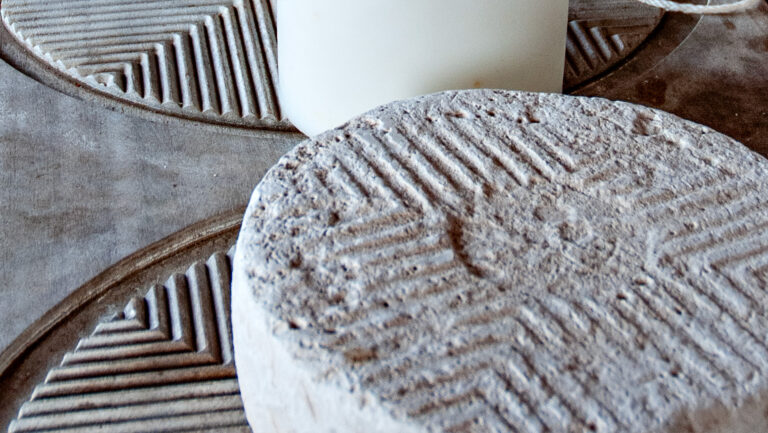
Fuerteventura stands for authenticity, but the island’s cuisine is not standing still. In places such as Betancuria, the historic former capital in the interior, the Gastrobar El Pirata Verde offers a modern take on the classic: a goat burger — traditional meat in a new guise, served with Canarian cheese and fresh Mojo. A dish that honours tradition while reinventing it.
Those seeking excellent grilled meat will find steakhouses such as La Morocha in El Cotillo, specialists in high-quality grilled cuts. Calm, unfussy, with views of the sea — that is another way meat is done on Fuerteventura.
Restaurant Recommendations for Meat Lovers
Anyone wanting to experience authentic meat cuisine on Fuerteventura should consider the following recommendations:
Spanish Terms for the Menu
To tell the various meats on Fuerteventura’s menu apart, it is worth knowing a few Spanish terms:
| English | Spanish |
|---|---|
| Rabbit | carne de conejo |
| Lamb | cordero |
| Beef | de vacuno |
| Pork | de cerdo |
| Goat | caprino |
Traditional Recipe: Carne de Cabra Compostelana
For anyone wanting to recreate at home what makes Fuerteventura’s cuisine so distinctive, this recipe comes highly recommended. It takes time — but that, precisely, is its secret.
Ingredients (serves 4):
Method:
Alongside: a bowl of Papas arrugadas with red Mojo. Nothing more is needed.
Traditional Recipe: Puchero Canario
The Puchero Canario is the ultimate cornerstone of Canarian cuisine — a mighty stew that brings together almost everything the islands have to offer in fruit and vegetables. What makes it special: the meat and vegetables are often served separately, and the broth is presented as a starter. A dish in three acts.
Ingredients (serves approx. 6):
The Meat Base:
The Root Vegetables – the Star:
The Seasoning:
Method:
Pro tip: The following day, stir the leftover vegetables with a little Gofio into a thick porridge — the so-called Escaldón. Zero-waste cooking at its Canarian finest.
Conclusion – Meat with Soul
The meat dishes on Fuerteventura are no accident. They are the result of centuries during which people created so much from so little. Goats, rabbit, spices, fire. No haute cuisine, no artfully arranged plates — but an honest, authentic and distinctive Canarian cuisine that you’ll never forget.
Anyone who truly wants to know Fuerteventura will, sooner or later, find themselves sitting in an old house of lava stone, a plate of Carne de Cabra before them, alongside Papas arrugadas and Mojo, and understands: this island tastes of itself.