Fuerteventura on the Plate: Cheese, Gofio & Wine – How the Island Really Eats
The beach can wait. Because once you’ve understood what happens on the plate in Fuerteventura, you simply can’t stop discovering. Traditional Canarian cuisine is no museum – it’s alive, surprising and absolutely delicious. Goat’s cheese of world-class quality. Roasted grain that has sustained the island for centuries. Sauces you’ll miss on the flight home. And wines that taste of volcanic earth.
Here is everything you really need to know.
Gofio – The Oldest Superfood of the Canary Islands
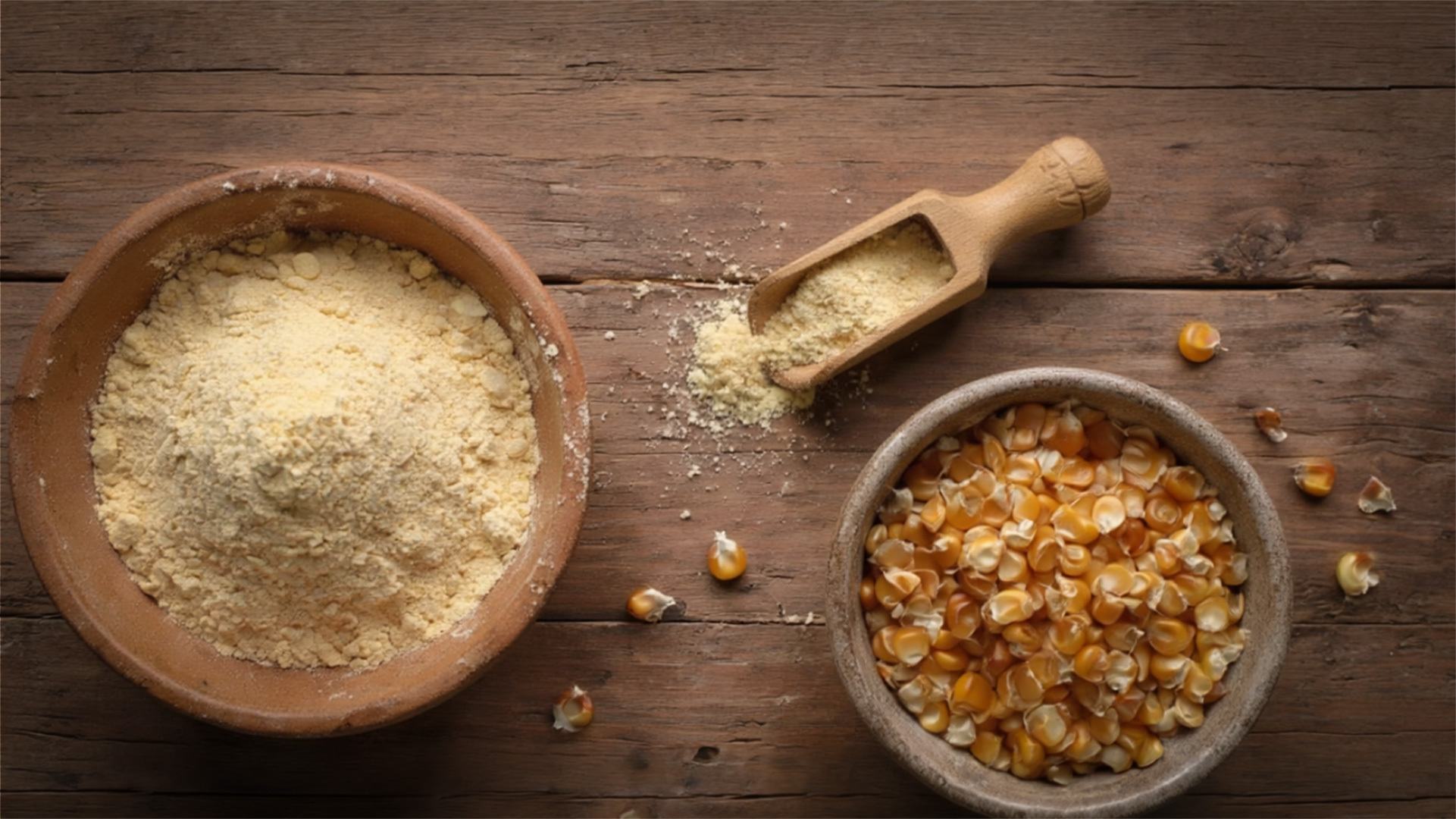
Before açaí bowls and oat-milk lattes took over the world, the Canary Islands already had their own superfood: Gofio. Roasted grain – originally barley, nowadays mostly maize or wheat – ground into a golden, nutty flour. That sounds simple. It is. And that is precisely the magic.
Break off a piece of the firm Gofio loaf, pour yourself a glass of wine – and you have the island’s oldest fast food. But Gofio can do more: it finds its way into salad dressings and adds depth, thickens soups, turns up in sauces, accompanies fish dishes and even appears in desserts.
The best introduction: A cool Gofio shake made from milk and roasted grain – creamy, nutty, and on the island on hot days as natural as an espresso in Naples.
Mojo – Two Sauces That Make Everything Better
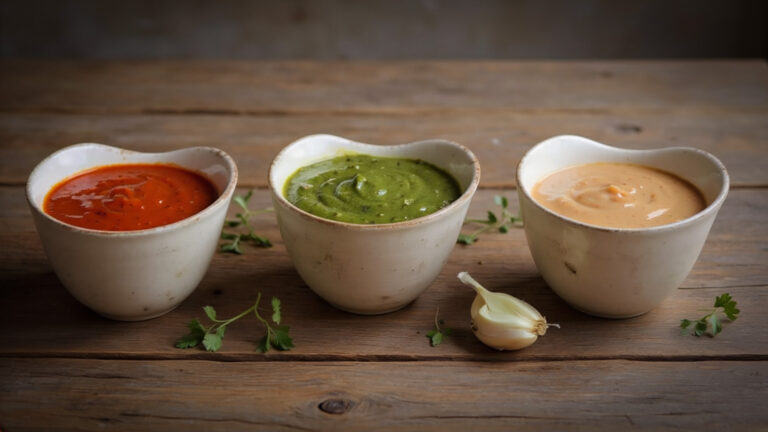
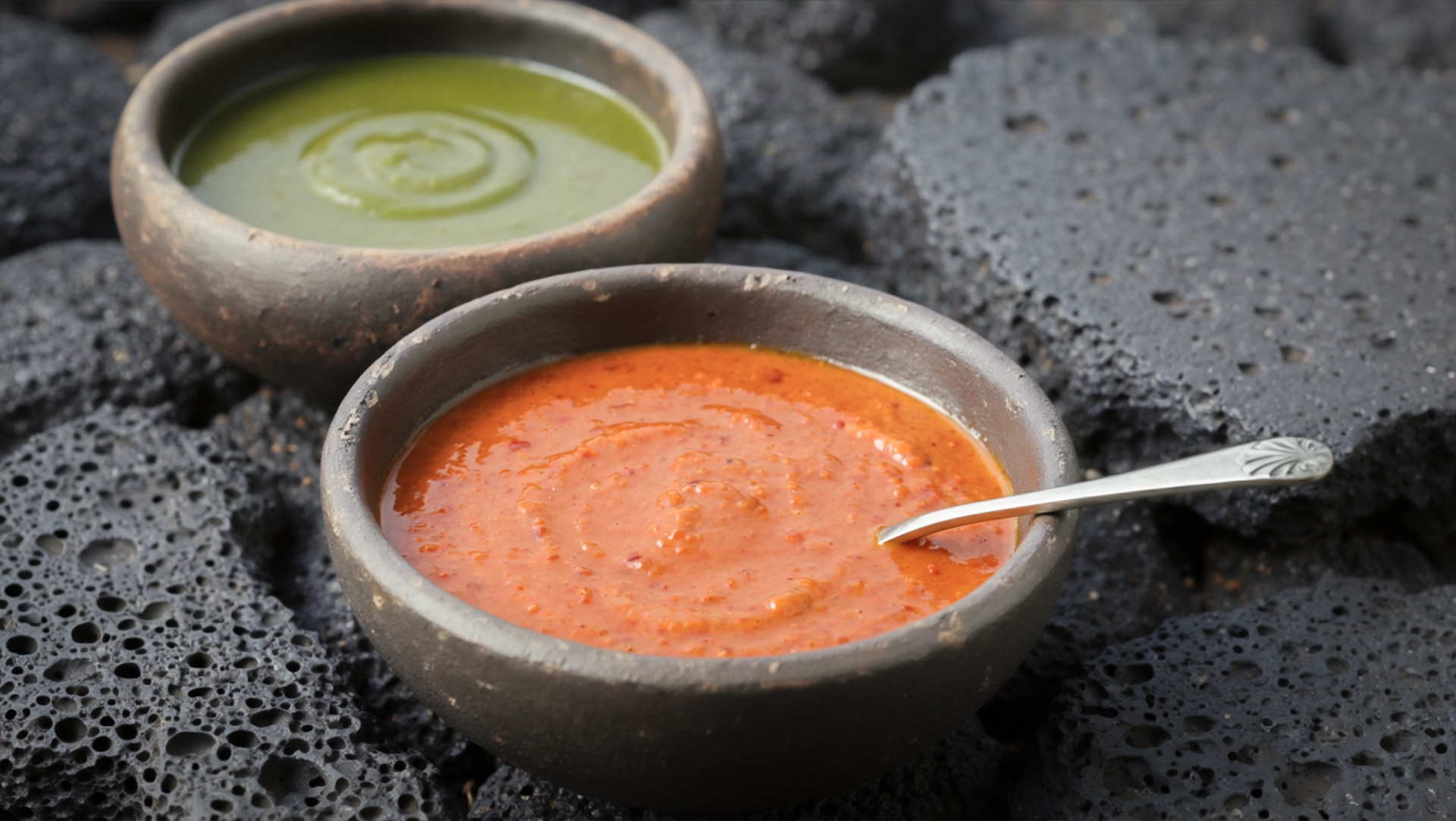
There are two sides to Fuerteventura: Mojo Rojo and Mojo Verde. The red one is fiery, with peppers and garlic. The green one is fresh, with coriander and a hint of citrus. Both appear on the table with almost everything – with Papas Arrugadas (the legendary wrinkled potatoes with a salt crust), with meat, fish and cheese.
If you take just one thing away from this island, let it be the recipe for Mojo.
Majorero – The Cheese That Made Fuerteventura Famous
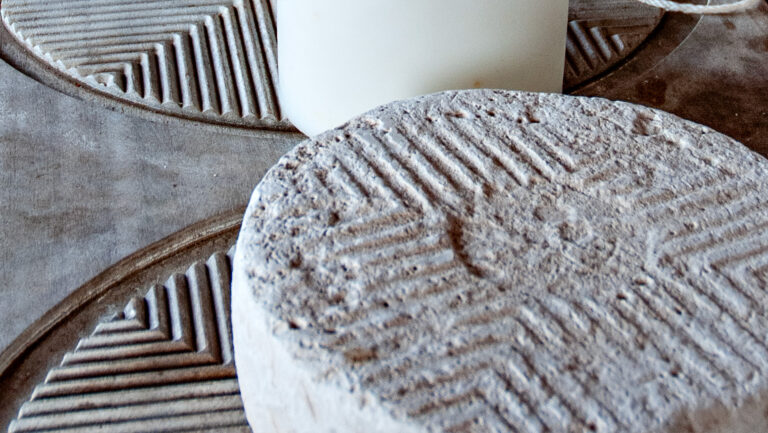
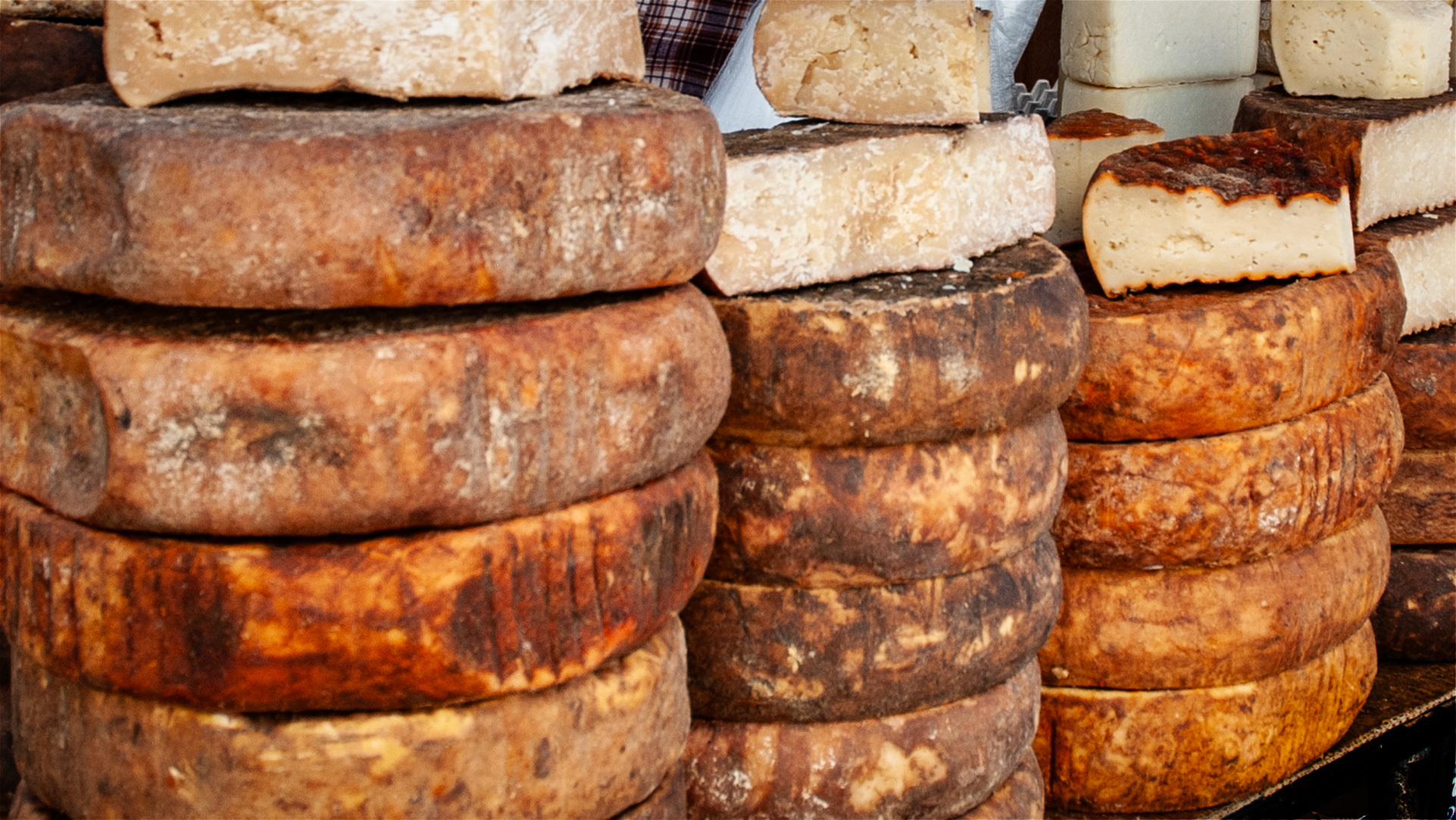
No product represents Fuerteventura more than Majorero. This Canarian goat’s cheese – named after the island’s medieval name, Maxorata – bears a groove pattern around its rind pressed in by palm leaves. It is protected by a protected designation of origin. It has won international competitions. And it tastes like no other cheese in the world.
Three stages of maturity, three characters:
Depending on the stage, it ends up in completely different dishes. And all three are worth discovering.
The Best Recipes with Majorero Tierno
The Tierno is the entry point. Mild, almost creamy – it absorbs flavours without dominating them. Perfect for anyone not yet familiar with Canarian cuisine.
Queso Asado con Miel y Mojo
The dish of Fuerteventura. No bodega visit without it.
Fry slices of Tierno in a dry pan over high heat until golden brown on both sides – until crispy on the outside and melting within. Then: palm honey (Miel de Palma) on top. Mojo Verde on the side. Done.
Salty. Sweet. Spicy. Unbeatable. Add a glass of semi-dry Malvasía – and you’ll understand why the terrace of the little restaurant in the mountain village is always full.
Ensalada Majorera
Toss cubes of Tierno with cucumber, red onion, green pepper and black olives. The dressing: olive oil, vinegar, salt – and a spoonful of Gofio. That nutty note transforms a simple salad into something remarkable.
Light, quick, authentic. The perfect lunch after a morning at the dunes.
Majorero Carpaccio with Figs and Tomatoes
The elegant side of Tierno. Arrange paper-thin slices alternating with ripe tomatoes and fresh figs. Coarse sea salt, fresh oregano, good local olive oil, a few toasted pine nuts – that’s it. Simple. Beautiful. Instagram-worthy.
The Best Recipes with Majorero Semicurado
The Semicurado is the all-rounder. Tangier, firmer, with more character – it can take the heat, pairs beautifully with honey and makes pasta better than any imported cheese from the supermarket.
Queso en Adobo – Marinated Majorero
Layer cubes of Semicurado into a jar: high-quality olive oil, crushed garlic, thyme, bay leaf, Pimentón de la Vera (smoked paprika). Leave for at least 24 hours.
Then: serve with fresh country bread. With a glass of red wine. That is how anticipation works on a plate.
Berenjenas con Queso y Miel
Salt aubergine slices, coat in flour, and fry in olive oil until golden. Place a thin layer of Semicurado on each hot slice – the residual heat lets it melt gently. Then drizzle with palm honey.
Savour meets sweet. Cheese meets vegetable. This dish is proof that Canarian fusion cooking needs no grand gestures.
Gratinated Papas Arrugadas
The wrinkled potato – the sacred staple of Canarian cooking – gets an upgrade. Halve already-cooked potatoes, place them in a baking dish and generously scatter grated Semicurado over them. Bake at 200 °C until a golden crust forms.
Nutty. Robust. Dangerously moreish.
Majorero Risotto with Pumpkin
Classic pumpkin risotto – except that just before serving, instead of Parmesan, you stir in a handful of finely grated Semicurado. The goat’s milk note meets the sweetness of the pumpkin. No Parmesan could have done it better.
The Best Recipes with Majorero Curado
The Curado is the premium class. Four months of ageing. Firm, crumbly, intense. You don’t use it as an afterthought – you build dishes around it.
Classic Cheese Board with Fig Jam
Wedges or rustic chunks of Curado alongside fig jam (Mermelada de Higo) or quince paste. Toasted almonds. A glass of Listán Negro. That’s all you need for an evening that feels like a holiday within a holiday.
Pellas de Gofio – An Ancient Snack, Rediscovered
Knead Gofio with water, honey and olive oil into a dough. Work in finely grated Curado. Shape into small balls.
This is Canarian street food from 500 years ago – today served on trendy tapas plates. The snack that explains why islanders were so healthy for so long.
Pasta “Fuerteventura Style”
Spaghetti. Olive oil. Plenty of garlic. Cherry tomatoes. And instead of Parmesan: grate Majorero Curado generously over the top. It doesn’t melt completely – it delivers concentrated bursts of flavour that make each bite slightly different.
Simplest dish, greatest impact.
Beef Carpaccio with Majorero Shavings
Paper-thin beef fillet, marinated with lemon, olive oil, salt and pepper. Instead of Parmesan, use a vegetable peeler to shave fine curls of Curado over the top. The goat’s milk note elevates the carpaccio to another level – true to the island, unexpected, convincing.
Salmorejo with Cheese Topping
The thick, cold tomato soup gets a Canarian finish: instead of just Serrano ham, finely diced pieces of Curado are added as a topping. They retain their bite in the cold soup – providing texture, flavour and the moment when you think: Brilliant.
Wine – Volcano in the Glass
The wines of the Canary Islands are different. Volcanic soils, Atlantic winds, ancient grape varieties – you can taste it. And little pairs better with Canarian cuisine than a wine that grew in the same soil as the cheese.
Listán Negro – The Red Wine of Choice
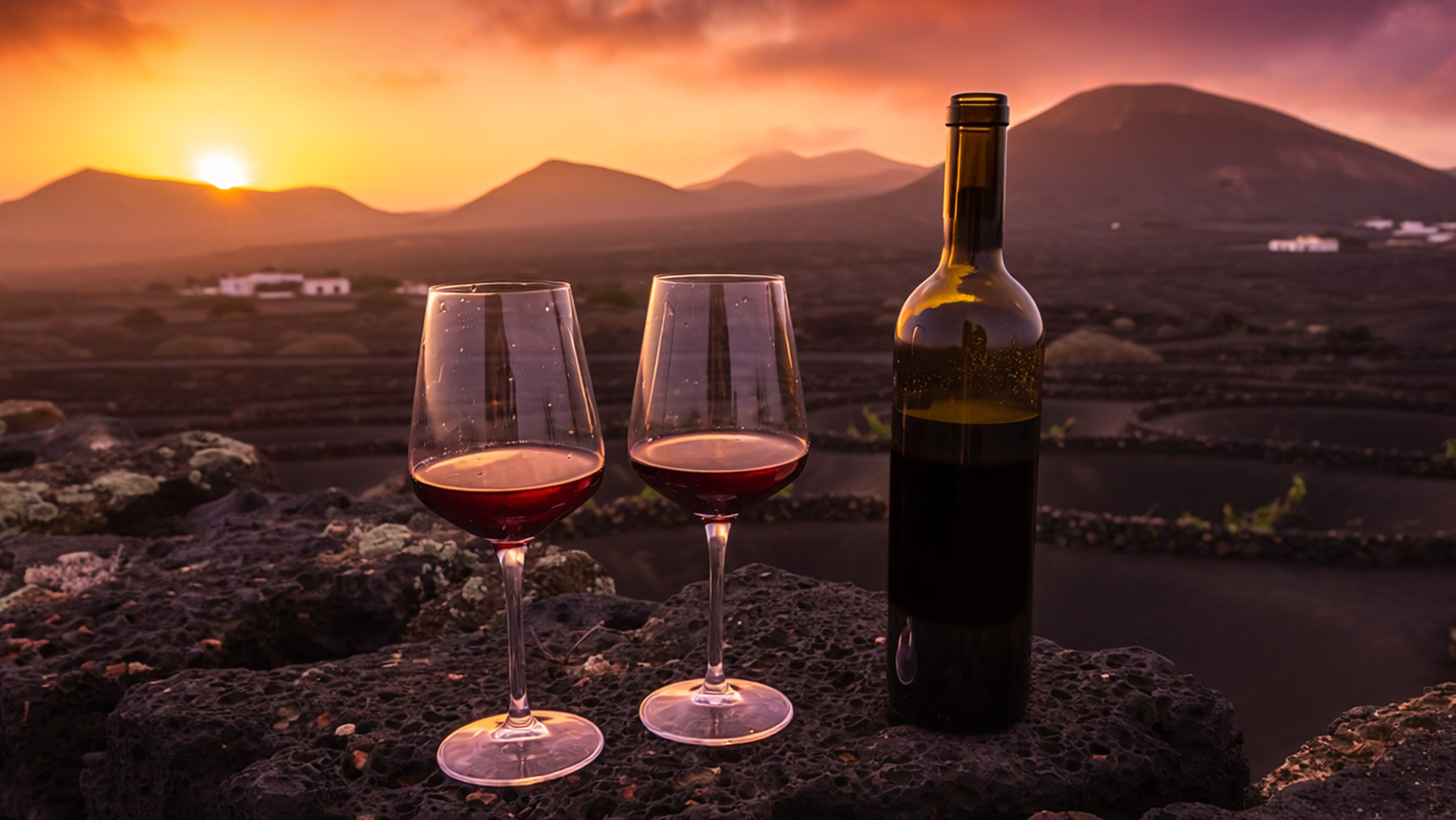
Dry, smoky, with red fruits and a mineral depth – Listán Negro from Lanzarote or Tenerife is the safe and culinarily finest choice alongside Majorero Curado. The wine’s roasted notes stand up to the cheese’s pungency, whilst the fruitiness balances the sharpness.
Recommendations: Bermejo (Lanzarote) or Tajinaste (Tenerife). With Semicurado: Bodegas Teneguía or Vega Norte from La Palma.
Malvasía Seco – Mineral and Unmistakable
A dry Malvasía from Lanzarote is salty, fresh, with citrus and sometimes a hint of fennel. It cuts through the richness of the goat’s cheese like a good knife through a ripe Curado – precise and elegant.
Recommendations: El Grifo or Stratvs.
Malvasía Semiseco – For the Sweet Moment
Semi-dry Malvasía with fruit notes of apricot, peach and honeydew melon. The gentle residual sweetness forms a delightful contrast to the saltiness of the Semicurado – especially when the cheese arrives at the table with fruit or nuts.
Tip: Look for “Semiseco” on the label – for example from Bodegas El Grifo.
Insider Tip: Bodegas Conatvs – Wine from the Island Itself
For the truly authentic experience: Bodegas Conatvs in La Oliva produces limited red and white wines directly on Fuerteventura. Dry, characterful, with the island’s austerity in the glass. You don’t drink it because of a wine guide – you drink it for the moment.
Craft Beer – Greetings from La Palma
Sometimes beer is the better choice. And Cerveza Isla Verde from Tijarafe on La Palma is no coincidence here.
La Graja Stout – Dark, Roasty, Unexpectedly Perfect
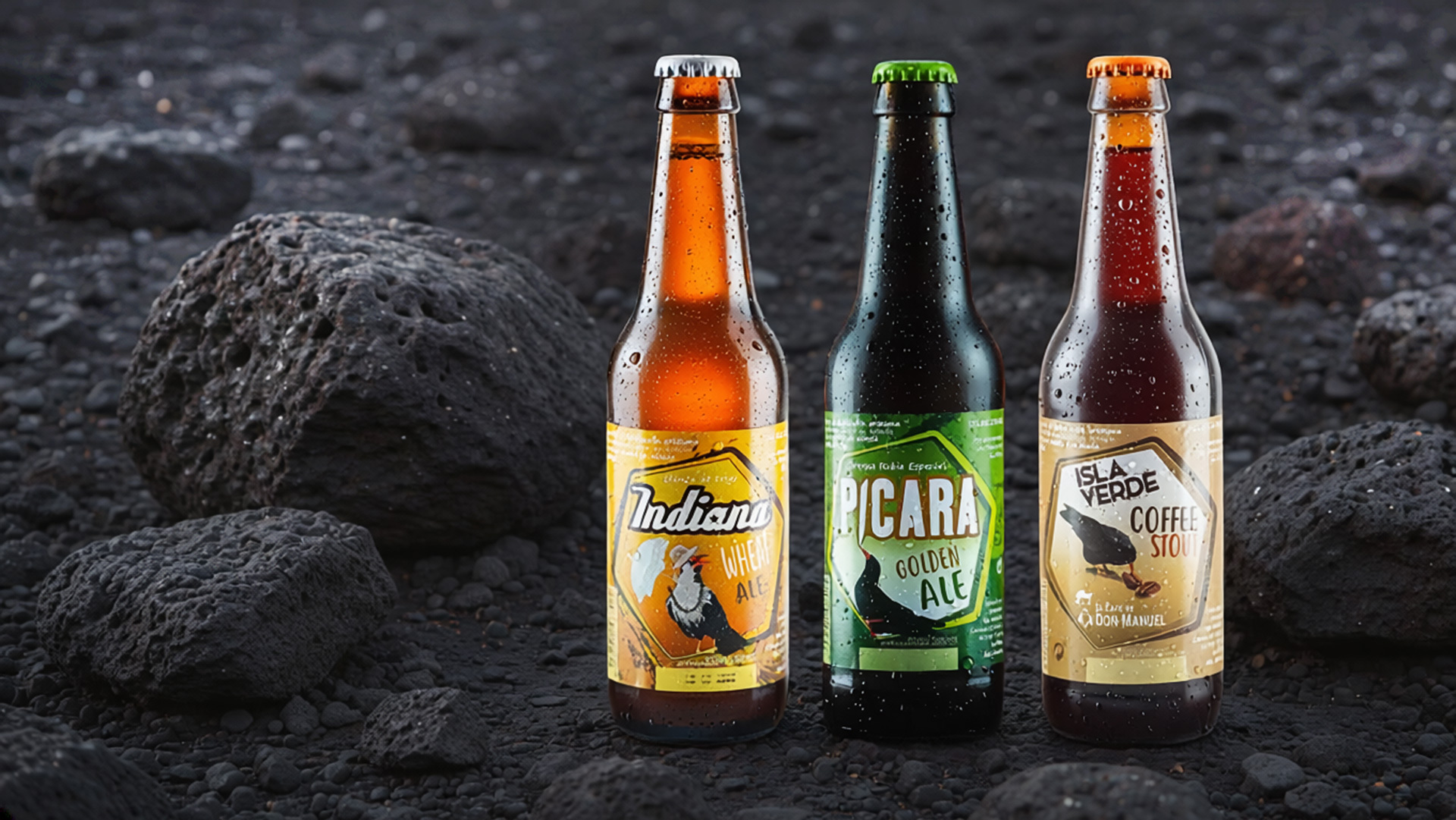
Coffee and chocolate notes, a dark stout – paired with Queso Asado with palm honey. The roasted notes play with the sweetness of the honey, the savouriness of the cheese finds its counterpart in the beer. Surprising. Logical. Both at once.
Isla Verde Ale – Fruity, Light, Refreshing
A Belgian wheat ale with fine carbonation – perfect with the Ensalada Majorera or the risotto. It refreshes the palate and lets the goaty character of the Tierno come fully into its own.
Insider tip for connoisseurs: Try the Semicurado with La Graja Pale Ale. The hop bitterness cuts through the buttery texture of the cheese and brings out the tangy Pimentón rind.
These beers can be found in Fuerteventura in specialist craft beer shops, well-stocked Eurospar branches or in upmarket Canarian restaurants.
Alcohol-Free – Because Sometimes Less Is More
Appletiser – sparkling, sweet-tart – is a cult drink on the Canary Islands. The combination with the saltiness of the goat’s cheese works surprisingly well. And for those who prefer something truly traditional: a cool Gofio shake made from milk and roasted grain pairs with the island salad better than you’d expect.
Where Do You Eat All This?
Not on the promenade. The traditional restaurants of Fuerteventura are found slightly off the beaten tourist track – in old mountain villages, in bodegas with handwritten chalk boards, at weekly markets where cheese farmers present their wheels with genuine pride.
Those willing to look a little harder will be rewarded: with a plate that tells the story of the island. With a wine that tastes of the soil beneath your feet. And with the feeling that you have just truly discovered Fuerteventura.
Wines and beers are available in well-stocked supermarkets such as HiperDino or Mercadona. Buy the Majorero directly from local dairies or at the island’s weekly markets – fresher and better than anywhere else.