Puerto del Rosario – The island’s capital that nobody expects
Fuerteventura has beaches, wind and wide open spaces. What most people don’t know is that it also has a capital city that’s really worth a visit. Puerto del Rosario lies on the island’s east coast, between La Oliva in the north and Betancuria in the south – and at first glance seems rather unspectacular. That’s precisely the trick.
No tourist hustle and bustle, no staged spectacle. Instead, a lively harbour, authentic history and places you won’t find in every travel guide.
A town with a past
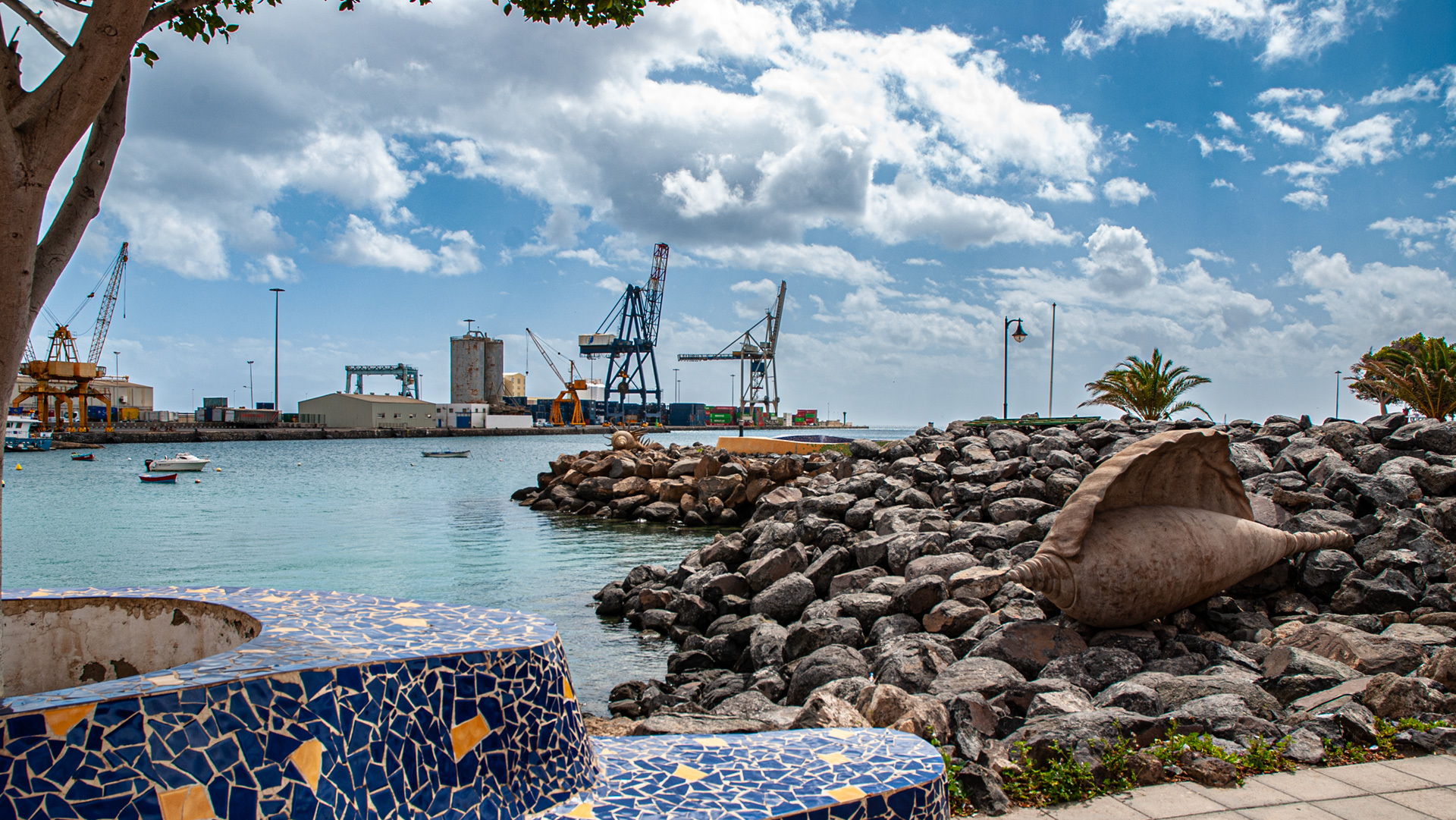
The town was officially founded in 1795 – at that time still under the name Puerto de Cabras, named after a nearby goat trough. Not glamorous, but honest. In the 19th century, lime, soda and cochineal dye were shipped from here. The export trade brought money, money brought influence – and in 1860, Puerto de Cabras was declared the capital of Fuerteventura.
When the export goods lost their value, the town also lost its importance. In 1957, it was renamed: Puerto del Rosario – ‘Port of Our Lady of the Rosary’. With the rise of tourism in the second half of the 20th century, a new chapter began. Today, the municipality has over 37,000 inhabitants, whilst the town itself has more than 28,000.
What you should see
Harbour district & Plaza de España
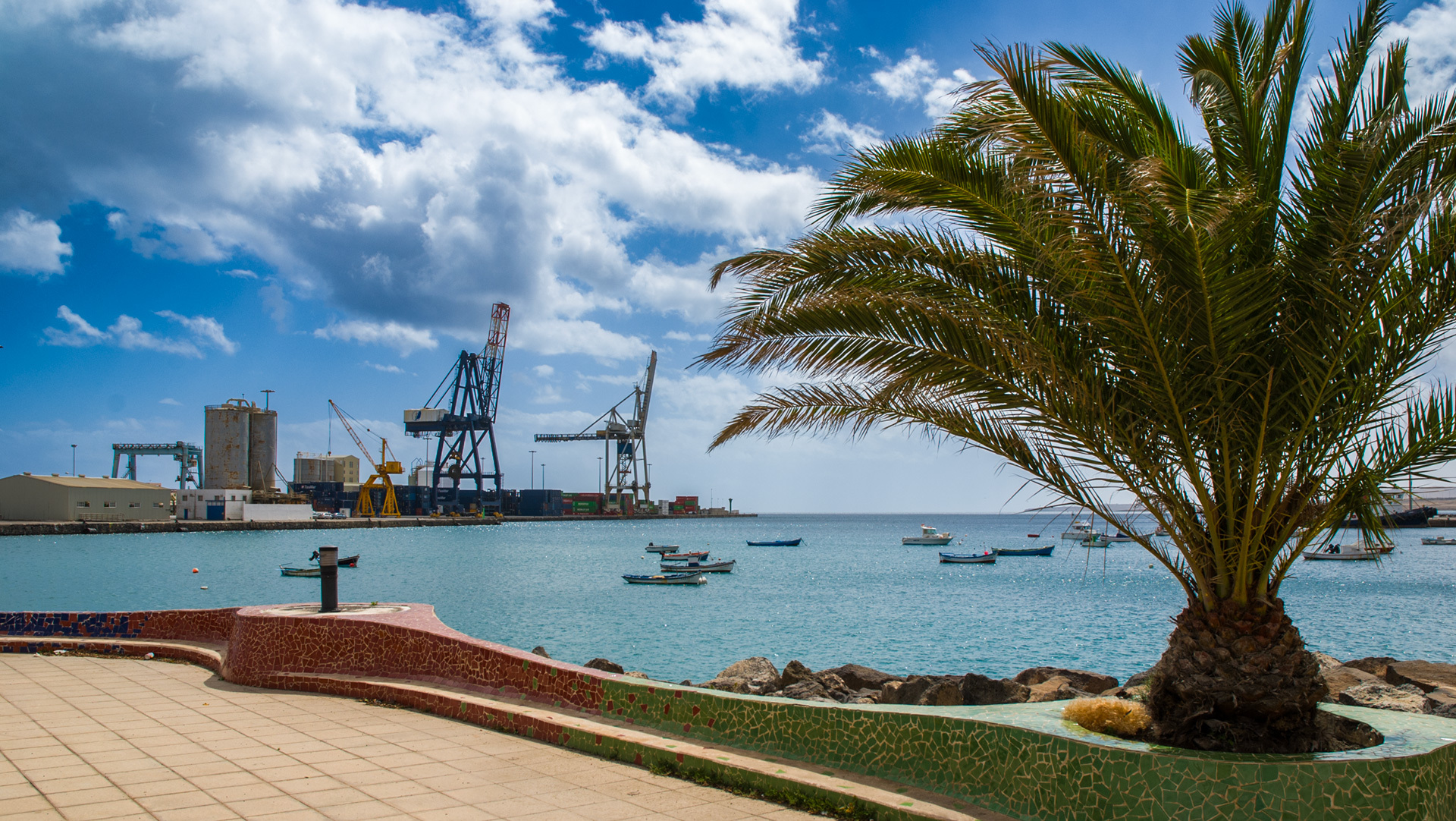
The harbour is the heart of the city – bustling, unvarnished, authentic. The Plaza de España, with its old laurel trees, offers a peaceful contrast: shade, panoramic views of the water, fresh air. The nearby market hall is well worth a visit in the morning – fresh fish, fruit, vegetables, the hustle and bustle of everyday life.
Casa Museo Miguel de Unamuno
The museum in the heart of the city was once the exile home of the Spanish writer and philosopher Miguel de Unamuno (1864–1936). Original furnishings, personal belongings, handwritten texts. Small, quiet, extraordinary.
Iglesia Nuestra Señora del Rosario
The parish church was completed in 1930. Understated on the outside, classically Canarian on the inside: a Mudéjar-style ceiling that you won’t forget in a hurry. Architecturally classified as eclecticism – various styles, a powerful effect.
Playa Blanca
On the southern edge of the town lies Playa Blanca – 900 metres of peaceful town beach. No hotspot, no crowds. The nearby Fuerteventura Airport (Aeropuerto del Matorral) keeps the masses at bay. For everyone else: perfect.
The villages of the municipality
Casillas del Angel
A few kilometres west of the capital, in the middle of the plain. Once a grain-growing region, today a quiet village with stately homes and a remarkable church. The Iglesia de Santa Ana (built in 1781) stands out for its dark natural stone façade – unusual, almost defiant. Inside: wooden sculptures, paintings by anonymous artists, and a depiction of the Last Judgement, estimated to be between 200 and 300 years old. In spring, the almond trees around the village come into bloom – a tranquil spectacle.
Tetir
North-west of the capital, in a fertile valley. Until 1930, the village was the administrative centre of its own municipality. Its history is evident in its appearance: well-maintained houses, a palm-lined main street, and a beautiful church square. In the square stands a sculpture by Juan Miguel Cubas, dedicated to the timple players – a tribute to the traditional stringed instrument of the Canary Islands. The Iglesia de Santo Domingo de Guzmán, dating from the 17th century, surprises visitors inside with a gilded Baroque altar and a back wall covered in floral and animal motifs.
Guisguey
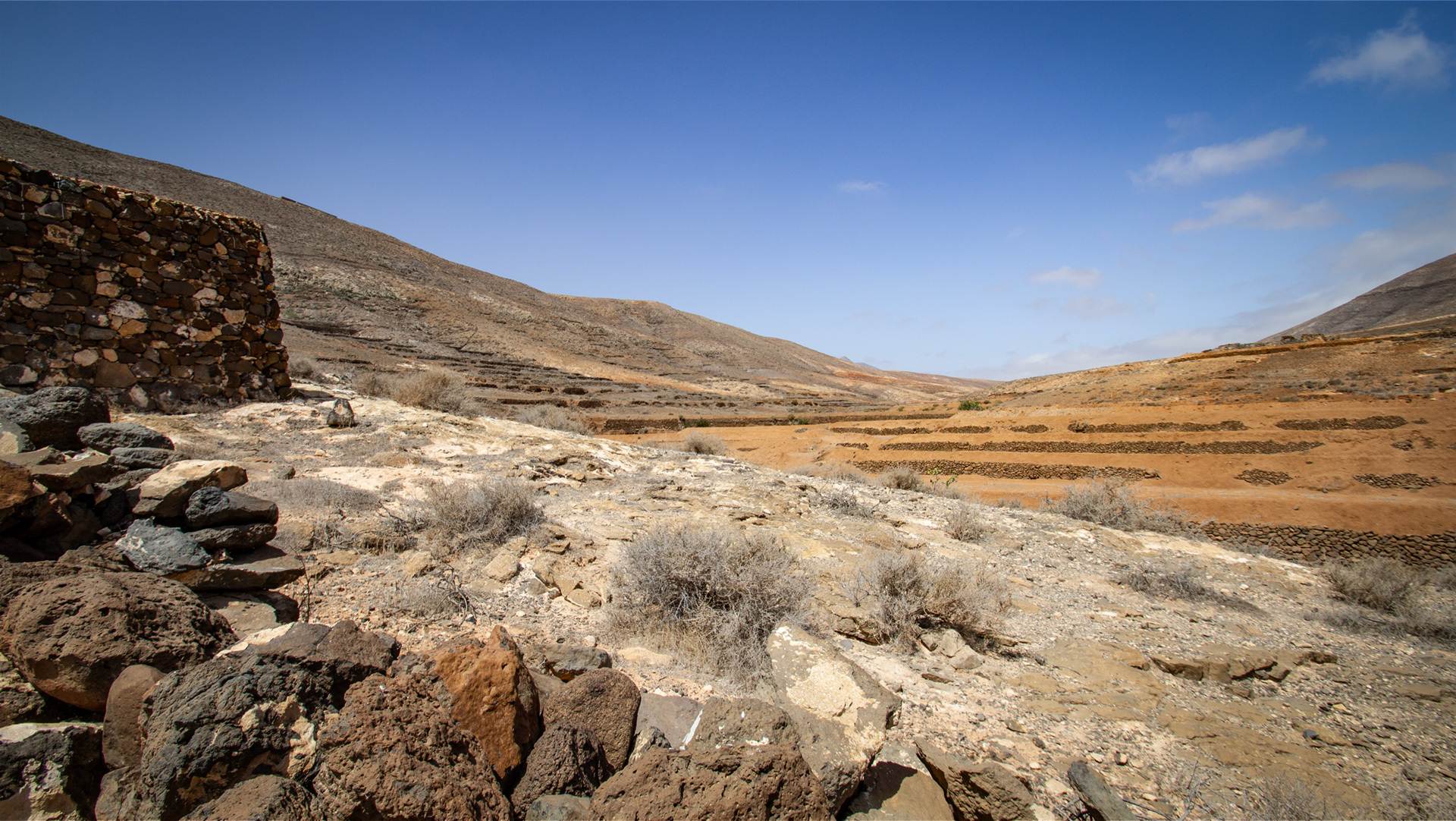
A small hamlet north of the town, little known, rarely visited. Terraced fields, traditional houses, absolute tranquillity. No cafés, no shops – but something you rarely find on Fuerteventura: genuine seclusion.
Why Puerto del Rosario?
Fuerteventura away from the tourist hotspots – that’s Puerto del Rosario. A town that doesn’t try to please, but does so all the same. The harbour, the culture, the quiet villages in the surrounding countryside. If you really want to get to know the island, this is where to start.