Planning a trip to Fuerteventura: How to get your Canary Islands holiday off to a relaxed start
There’s that moment, just before you board the plane – when the excitement starts to outweigh the length of your checklist. Anyone planning a trip to Fuerteventura can enjoy this moment to the full, provided they’ve familiarised themselves with the key travel information beforehand. After all, if you set off well prepared, you’ll arrive feeling relaxed.

Entering Fuerteventura: What you need to know
Fuerteventura is part of Spain and therefore the European Union. Entry requirements vary depending on where you’re travelling from. UK citizens are no longer part of the Schengen Area following Brexit: a valid passport is required – a national identity card is not accepted. Your passport should be valid for the full duration of your stay. Irish citizens, as EU nationals, may travel on a valid passport or national identity card.
ETIAS (UK travellers): UK citizens need to register for ETIAS (European Travel Information and Authorisation System) before travelling to EU/Schengen countries including Spain. Check the current status at travel.ec.europa.eu. UK passport holders can stay up to 90 days in any 180-day period without a visa. Irish citizens, as EU nationals, can enter on a valid passport or national identity card. Scandinavian travellers (Sweden, Denmark, Finland) are EU/Schengen citizens and can use a national ID card, though most travel with a passport. Norwegian citizens are Schengen members and can enter with a national ID card. Children must carry their own valid travel document. Minors travelling alone require a letter of consent from their legal guardians.
If you are planning a longer stay – more than three months – all EU citizens must register with the Register of Foreign Nationals (Registro de Extranjeros), where they will be issued with the so-called N.I.E. (Número de Identidad de Extranjero). Further information on this is available on the official website extranjeros.empleo.gob.es and from the Federal Foreign Office at www.auswaertiges-amt.de.
Customs and tax-related note: Fuerteventura is not part of the EU tax territory
There is a frequently overlooked detail here: although Fuerteventura belongs to the EU politically, the island is not part of the EU single market for customs purposes. When returning to the UK or Ireland, strict duty-free allowances apply – since Fuerteventura is not part of the EU customs area, it is treated as a non-EU destination for customs purposes, exactly like a trip to the USA or Morocco.
The main allowances per person aged 17 and over:
If these limits are exceeded, the goods must be declared to customs and duty paid. This explicitly applies to purchases made in the duty-free shops at the airport as well – a misconception that takes some holidaymakers by surprise when they return to their home airport.
Travel insurance for Fuerteventura: Better safe than sorry
Travel insurance is an essential part of any well-planned trip – including a holiday in Fuerteventura. Many providers put together handy packages comprising the following components:
Travel health insurance including repatriation (absolutely essential)
Travel cancellation insurance
Travel interruption insurance
Luggage insurance (optional – in the event of theft from vehicles, a common problem on Fuerteventura, many policies only provide limited cover)
Travel emergency assistance
GHIC / EHIC – health card coverage and limitations: UK residents should carry a GHIC (UK Global Health Insurance Card) – it replaced the EHIC for UK travellers after Brexit and is free to obtain at nhsbsa.nhs.uk. Irish, EU and Norwegian residents use the EHIC. Both cards cover treatment at state-run health centres (Centro de Salud), but in tourist resort areas almost all medical facilities are private clinics that do not accept them. Without private travel health insurance, you will be required to pay in full immediately. Comprehensive travel insurance with medical cover is not optional – it is essential.
Invoices: After every treatment, be sure to request an official Factura (invoice) – stating the doctor’s name, diagnosis, services provided, date and amount. This is the only way to claim a refund from your insurance company.
Deadlines: Most insurance policies should be taken out at least two weeks before the start of the trip. However, travel cancellation insurance often needs to be taken out at the time of booking or at the latest 30 days beforehand. For last-minute bookings, there is often a window of just three working days.
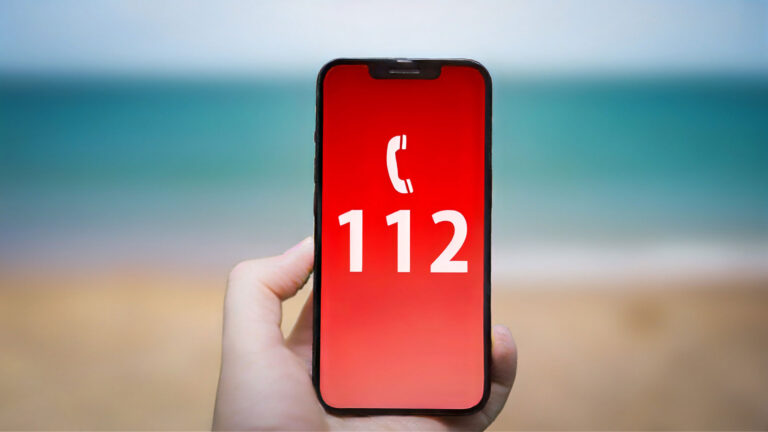
Emergency number: The Europe-wide emergency number 112 can also be dialled in German on Fuerteventura. Make sure you save your own insurance company’s emergency number in your mobile phone in advance.
Vaccinations & Health: What you need for Fuerteventura
There are no compulsory vaccinations required for a holiday in Fuerteventura. However, there are clear recommendations – as of 2026.
Routine vaccinations should be complete and up to date in line with NHS recommendations (UK) or HSE guidelines (Ireland). These include, in particular, tetanus, diphtheria and pertussis (whooping cough) as well as measles, mumps and rubella (MMR).
As for travel vaccinations, hepatitis A is particularly recommended. Hepatitis B is advisable for long-term stays or where there is an increased risk of contact. Anyone who spends a lot of time in the countryside or comes into close contact with animals should also consider a rabies vaccination on a case-by-case basis – although the risk in the Canary Islands is considered low, the decision should be made in consultation with a doctor or a tropical medicine centre.
Medical care: Healthcare provision on Fuerteventura is well organised. In tourist centres, there are numerous English-speaking doctors and clinics. However, the statutory health insurance scheme does not cover all costs incurred via the EHIC card – treatment by private doctors or medical repatriation to the UK or Ireland are generally not covered. Overseas travel health insurance is therefore strongly recommended.
First-aid kit for Fuerteventura: Preparation is everything
The sun over Fuerteventura beats down more intensely than one might think. The island lies just a few hundred kilometres off the African coast, and the constantly blowing trade winds are deceptive: they cool the skin, whilst UV radiation hits the body unhindered. Many holidaymakers underestimate precisely this – and get sunburnt without realising it.
A well-stocked travel first-aid kit is therefore an essential item to pack:
In the event of severe sunburn, seek medical attention immediately. Anyone who relies on prescription medicines should bring their supply with them from home.
Another point to note: Tap water on Fuerteventura is not suitable for drinking or cooking. Bottled mineral water is available in every supermarket – still or sparkling.
Pets on Fuerteventura: With the EU pet passport
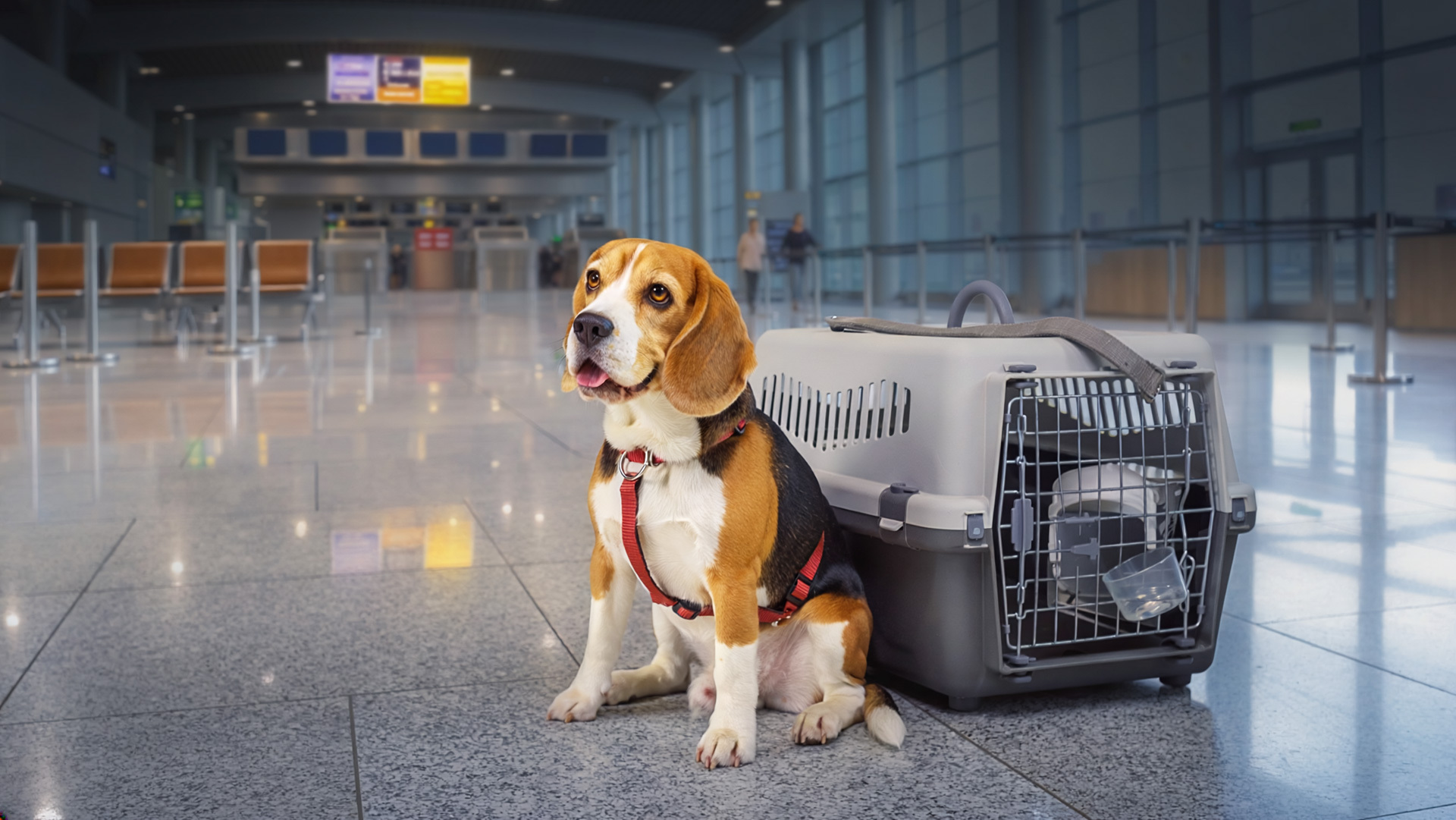
If you want to travel with your pet, the required documents depend on where you’re travelling from. UK travellers (from Great Britain) can no longer use the EU Pet Passport – you’ll need an Animal Health Certificate (AHC), issued by an Official Veterinarian (OV) no more than 10 days before travel. Irish, EU and Norwegian travellers continue to use the EU Pet Passport. In all cases, pets must be microchipped and hold a valid rabies vaccination recorded in their documentation.
Identification: Since 2011, the microchip (transponder) has been compulsory for all newly identified animals. A tattoo is now only recognised if it can be proven to have been applied before 3 July 2011 and is clearly legible.
Rabies vaccination: The first vaccination must have been administered at least 21 days before crossing the border – the animal must be at least 12 weeks old at that time.
Accommodation & Transport: Many hotels on Fuerteventura still do not allow pets. The good news is that the trend towards pet-friendly holiday homes and apartments is growing – it’s worth doing a targeted search. If you’re travelling by plane, you should also check the animal transport regulations of the relevant airline; animals are usually limited to a weight of around 8 kg (including the carrier) when travelling in the cabin.
Return journey: Anyone considering bringing an animal home from their holiday destination should find out in detail in advance about the entry requirements for Germany to avoid quarantine obligations or bureaucratic hurdles.
Time, currency & banks on Fuerteventura
Fuerteventura is in the Western European Time Zone (WET/GMT). Time differences from home: UK & Ireland – same time, no adjustment needed. Norway, Sweden, Denmark – 1 hour behind (−1 h). Finland – 2 hours behind (−2 h). Daylight saving time is observed on the same dates: clocks go forward in late March and back in late October.
Since 2002, the euro has been legal tender. Banknotes are available in denominations ranging from 5 to 200 euros, and coins from 1 cent to 2 euros. Although the 500-euro note has not been issued by the ECB since 2019 – and whilst it remains legal tender – it is virtually never accepted in everyday life on Fuerteventura. Supermarkets, petrol stations and small shops generally refuse to accept it. Visa and Mastercard are standard on Fuerteventura and are accepted almost everywhere by hotels, restaurants, car hire companies and shops. American Express, on the other hand, is less commonly accepted at payment terminals. UK, Norwegian and Swedish travellers: when paying by card, always choose to pay in euros (€) – never accept Dynamic Currency Conversion (DCC) to your home currency, as exchange rates will be significantly worse. A notable trend: contactless payments via Apple Pay or Google Pay are now possible almost everywhere – even at some beach bar kiosks, a quick tap with your smartphone is all it takes. Nevertheless, it is advisable to carry a reasonable supply of cash, particularly for small shops and markets.
Conclusion: Well prepared for Fuerteventura
If you’ve got the key points of planning your trip to Fuerteventura sorted – entry requirements, insurance, health, customs and currency – you can focus on what really matters: the sound of the Atlantic, the endless dunes of the Parque Natural de Corralejo and the wind ruffling your hair as the sun slowly sinks into the sea.