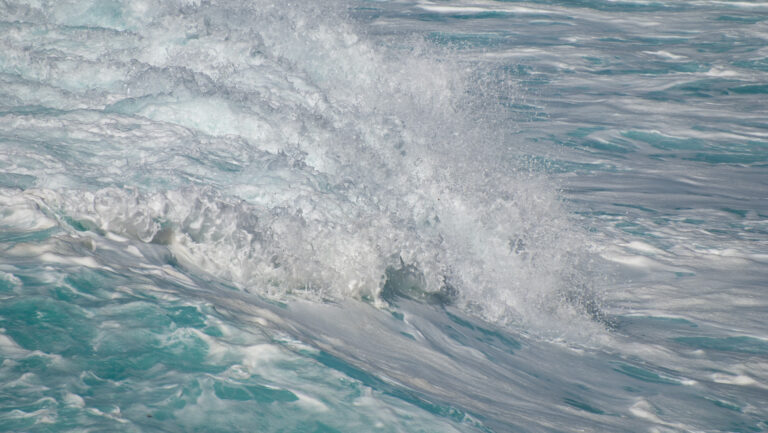
Tuineje on Fuerteventura – For anyone who loves authentic places
Dunes, sun loungers, all-inclusive. We’ve all been there. It’s an option. But it’s not a must.
If you simply carry on driving your hire car – southwards, until the FV-20 and the FV-30 meet – you’ll end up in Tuineje. And suddenly, Fuerteventura is a completely different island.
No rows of hotels. No queues for selfies. Just wind, lava, white houses and the feeling of having arrived somewhere that not everyone has discovered yet.
Gran Tarajal – real life on the coast
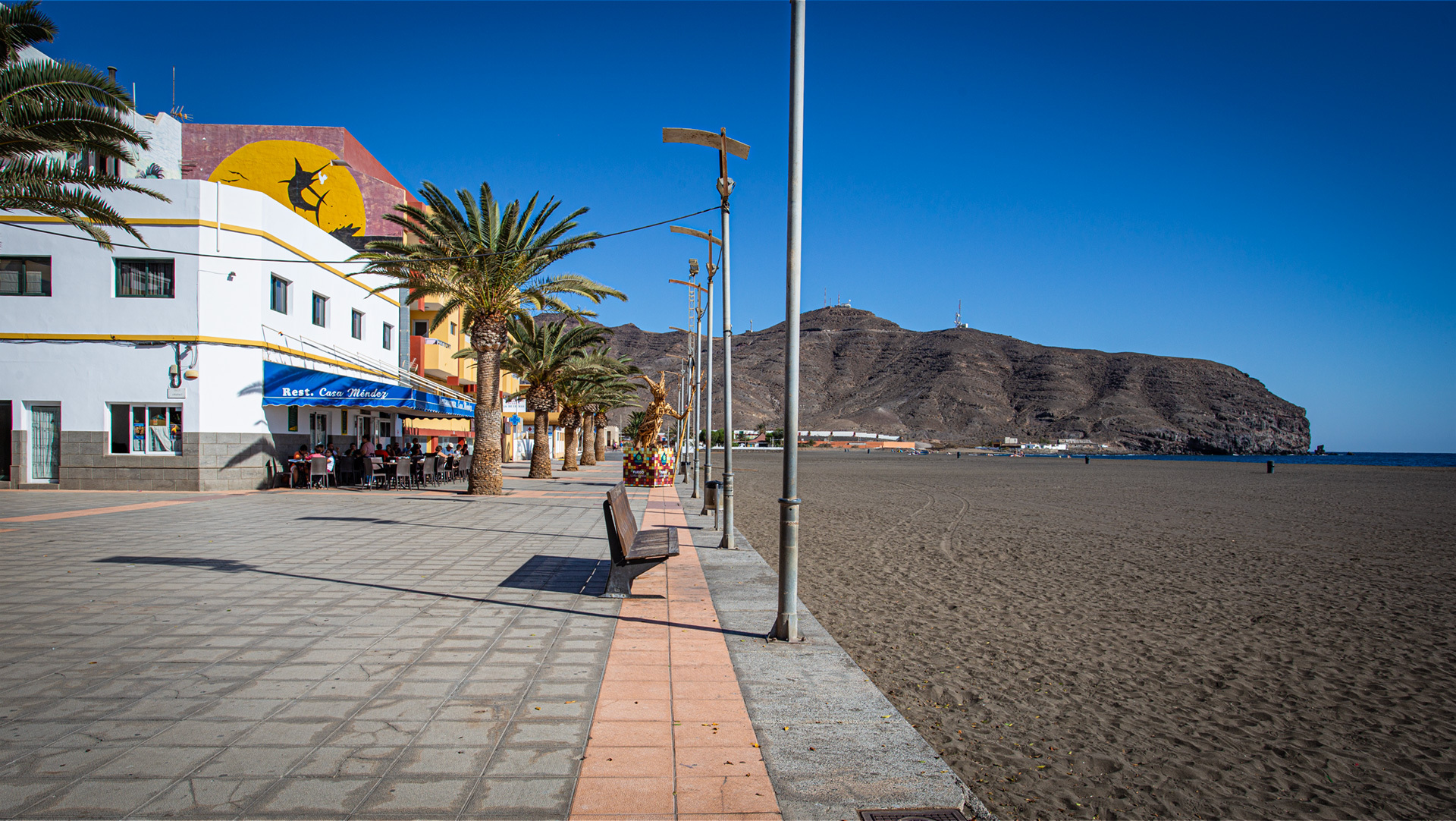
Gran Tarajal is the largest town in the municipality and has absolutely no interest in becoming a tourist hotspot. This is where the locals do their shopping, where fishing boats bob in the harbour, and where, in the evenings, you can sit in traditional restaurants and order tapas whilst the sun bathes the Atlantic in orange.
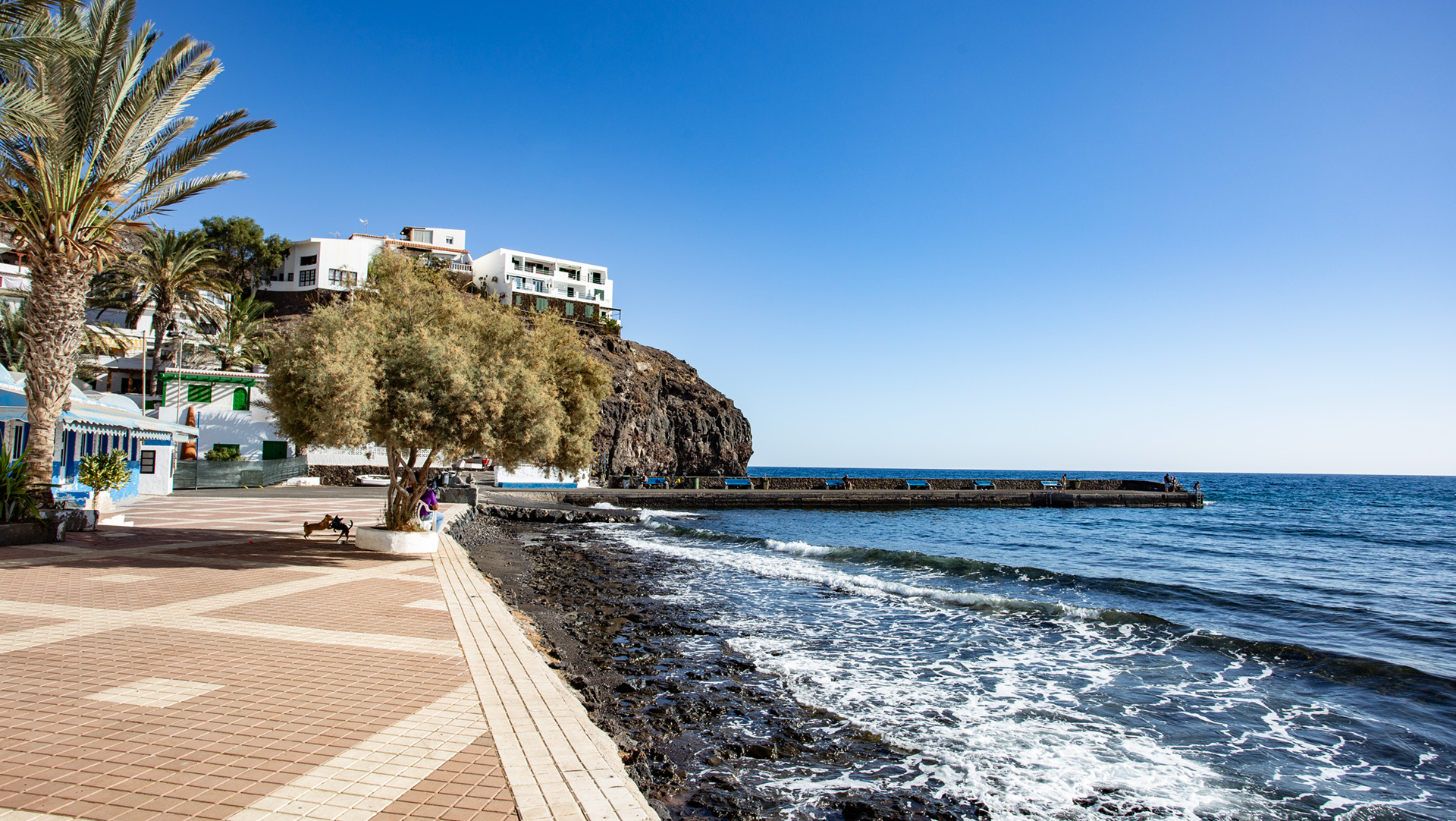
The town has a rich history: from 1927 onwards, Fuerteventura’s entire tomato harvest was shipped from here – Gran Tarajal was the island’s export powerhouse. Today, the harbour is quieter, but the waterfront promenade, with its palm trees, cafés and the dark town beach, has retained its charm.
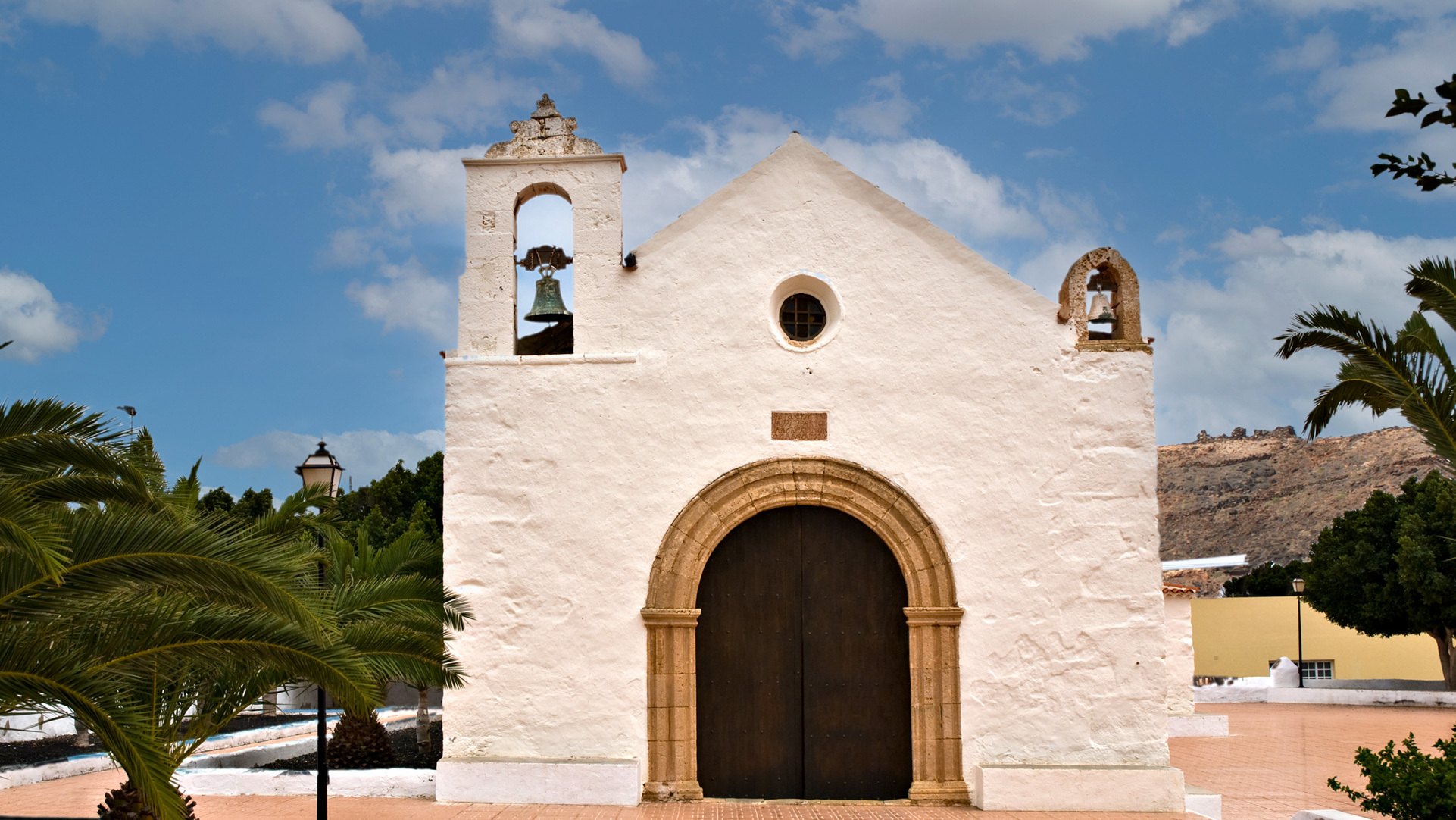
And then there’s the fountain in front of the church of Nuestra Señora de la Candelaria: six stone seahorses spouting water. On one of Europe’s driest islands. That’s humour. That’s Gran Tarajal.
The island’s wildest legend – The Battle of Tamacite
Pause for a moment. Because Tuineje has a story that puts any Netflix series to shame.
12 October 1740 British privateers land at Gran Tarajal and march towards Tuineje, plundering as they go. What meets them: a group of farmers with rifles – and dromedaries as living shields.
The British’s first volley? Intercepted. Reloading time? Used for close combat. The result? The British flee, leaving two cannons behind.
Every year, during the week around 13 October, Tuineje celebrates precisely this – with costumes, re-enactments and an energy you have to experience to believe. The Fiesta de San Miguel is one of the most authentic fiestas in the Canary Islands. Not a tourist spectacle. Genuine pride.
Tiscamanita – Small, quiet, surprisingly interesting
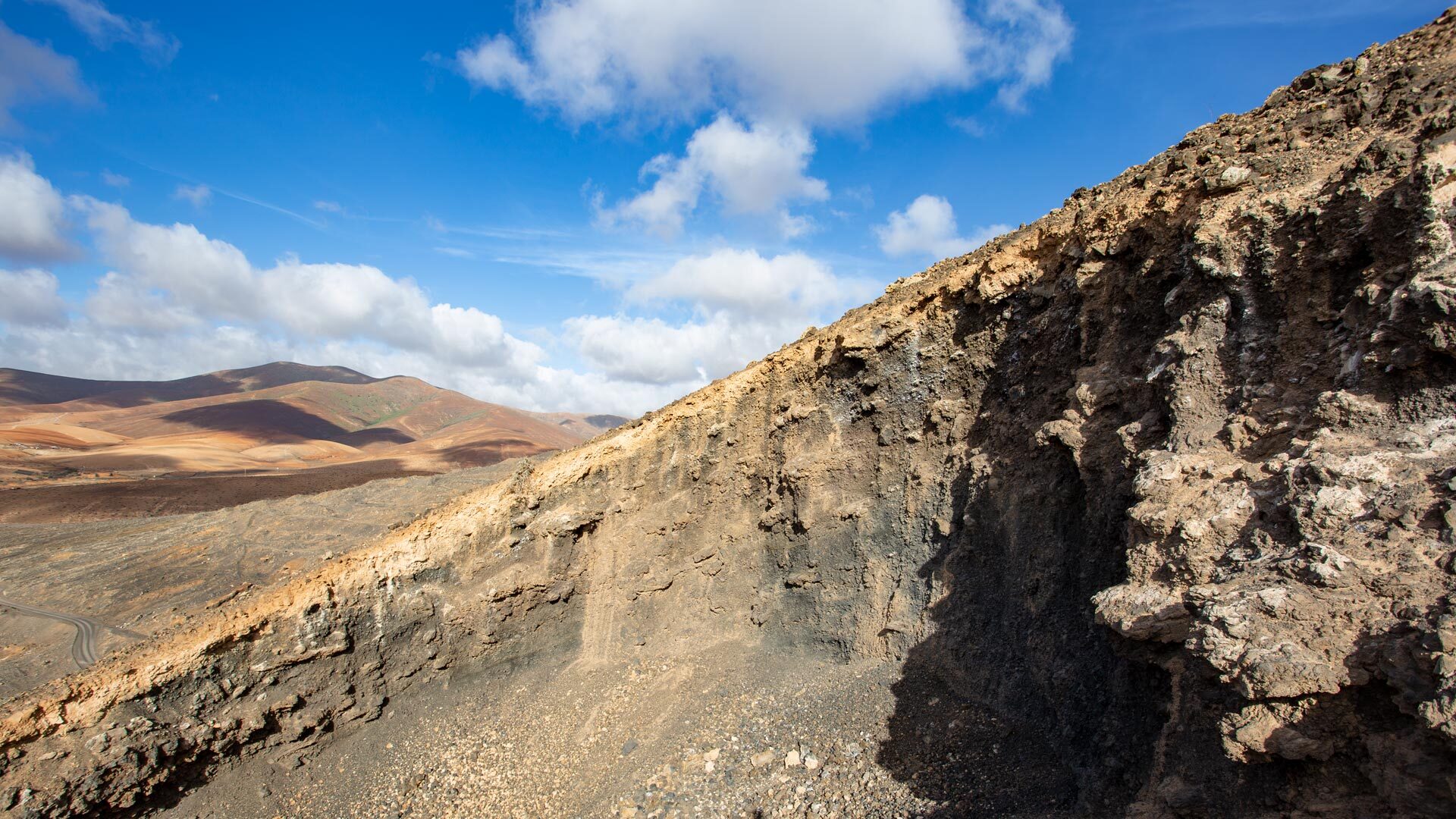
Four kilometres to the north, on the edge of the Caldera de Gairía volcanic crater, lies Tiscamanita. Wind turbines, cornfields, the bleating of goats in the distance.
Two reasons to stop here:
The Aloe Vera Farm – sprawling plantations offering guided tours that explain why the stuff really is as good as everyone claims. And the Centro de Interpretación Los Molinos – a mill museum housed in a restored windmill, where you can buy Canarian roasted grain, dating back thousands of years, and back in huge fashion.
Las Playitas – the most beautiful village you never knew you were looking for
White houses, stacked on top of one another like a Mediterranean collage. Fishing boats. A promenade where time seems to slow down.
Las Playitas is what Instagrammers would call a ‘hidden gem’ – only it really is one. The dark beach, Playa de Las Playitas, lies sheltered between rocky cliffs; the water is calm, and the seafood restaurants serve up what was still in the sea that very morning.
This is where you eat. This is where you sit. This is where you stay longer than planned.
Faro de la Entallada & Malpaís Grande – for those who want more
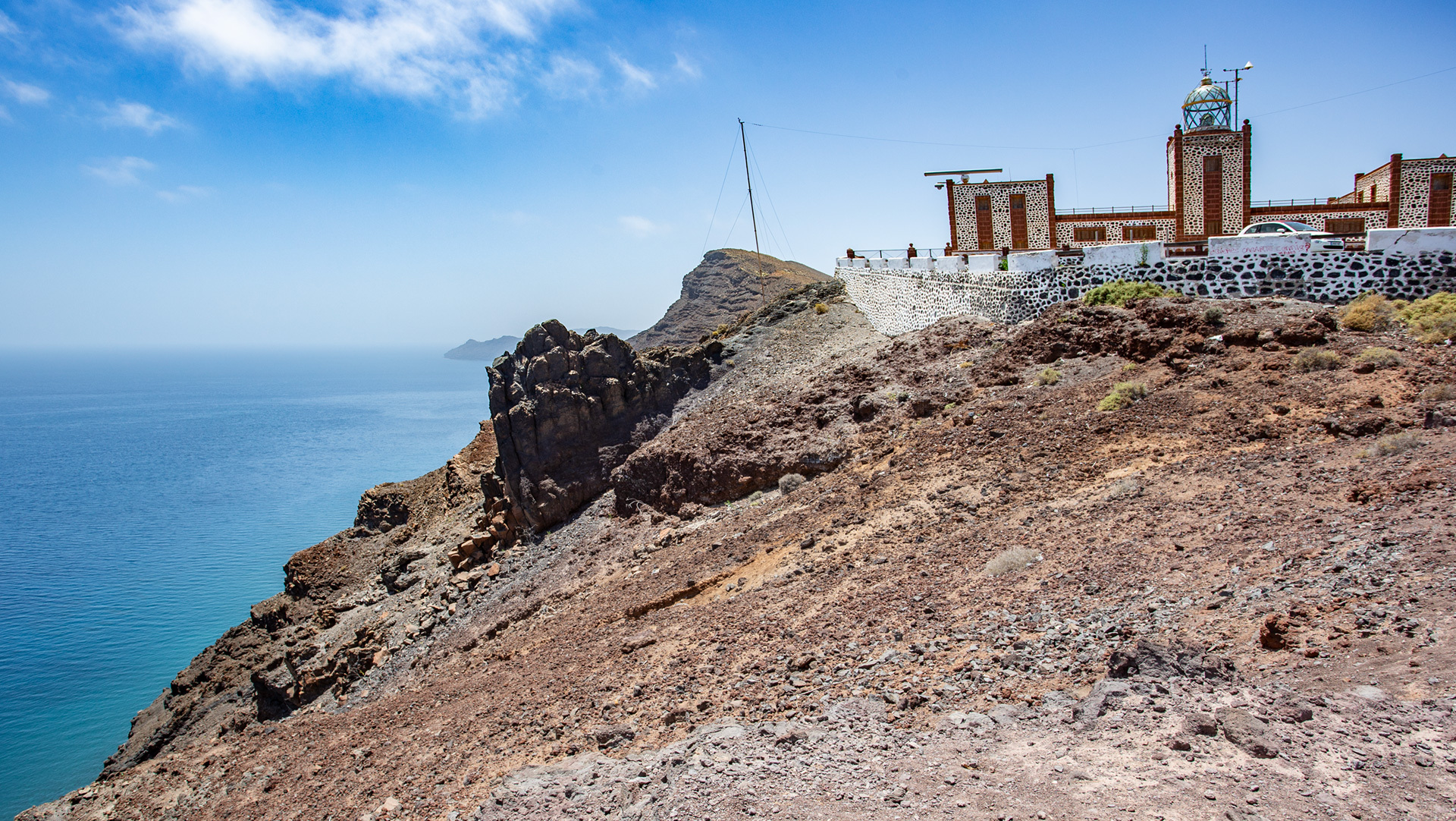
Even further out, seven kilometres east of Las Playitas: the Faro de la Entallada. The last lighthouse to come into service on Fuerteventura, built in the 1950s, stands on a cliff that could well have inspired the word ‘dramatic’. No access – but the view of the sea from the top is free and priceless.
And if you like lava – and yes, it is possible to like lava – head to Malpaís Grande. 3,000 hectares of solidified volcanic earth, sparse vegetation, absolute silence. A place that reminds you of nothing more than just how old this island really is.
Conclusion: Tuineje isn’t for everyone. And that’s exactly why it’s worth a visit.
Tuineje on Fuerteventura isn’t a ‘must-see’ destination. It’s a choice – for authentic places rather than curated experiences, for locals rather than holidaymakers, for lava fields rather than lazy rivers.
If that’s what you’re after, head south. The rest can stay by the pool.
Information about the municipality: www.ayuntamientotuineje.com