Fuerteventura: 13 Hidden Gems off the Beaten Track
Where Lava and Wind Shaped the World
You arrive on Fuerteventura and at first believe you are setting foot on an island of sand and sunshine. But those who set out to explore Fuerteventura’s west coast, who turn their backs on the paved roads and venture onto bumpy tracks and lonely walking paths, discover something rare: a landscape that feels as though it has been waiting for people – and yet has never needed them. Fuerteventura off the tourist trail is raw, silent, and of breathtaking beauty.
Here are thirteen places you must see – hidden gems, panoramas and walks on Fuerteventura that leave images not easily forgotten.
1. Jandía Natural Park – Where Dunes Roam
In the south of the island lies the Parque Natural de Jandía, a nature reserve of peculiar vastness. Here, on the Istmo de la Pared – the island’s narrowest point at barely five kilometres wide – a stream of sand crosses the land: from the Playa de Barlovento it drifts across to the beaches of Sotavento. The dunes are not fixed – they roam, driven by the wind, in constant motion. Those who look carefully will discover in the sand the fossilised brood cells of long-extinct wasp-like insects, known as anthophorids. Fuerteventura’s dune landscape is older and more mysterious than one might think.
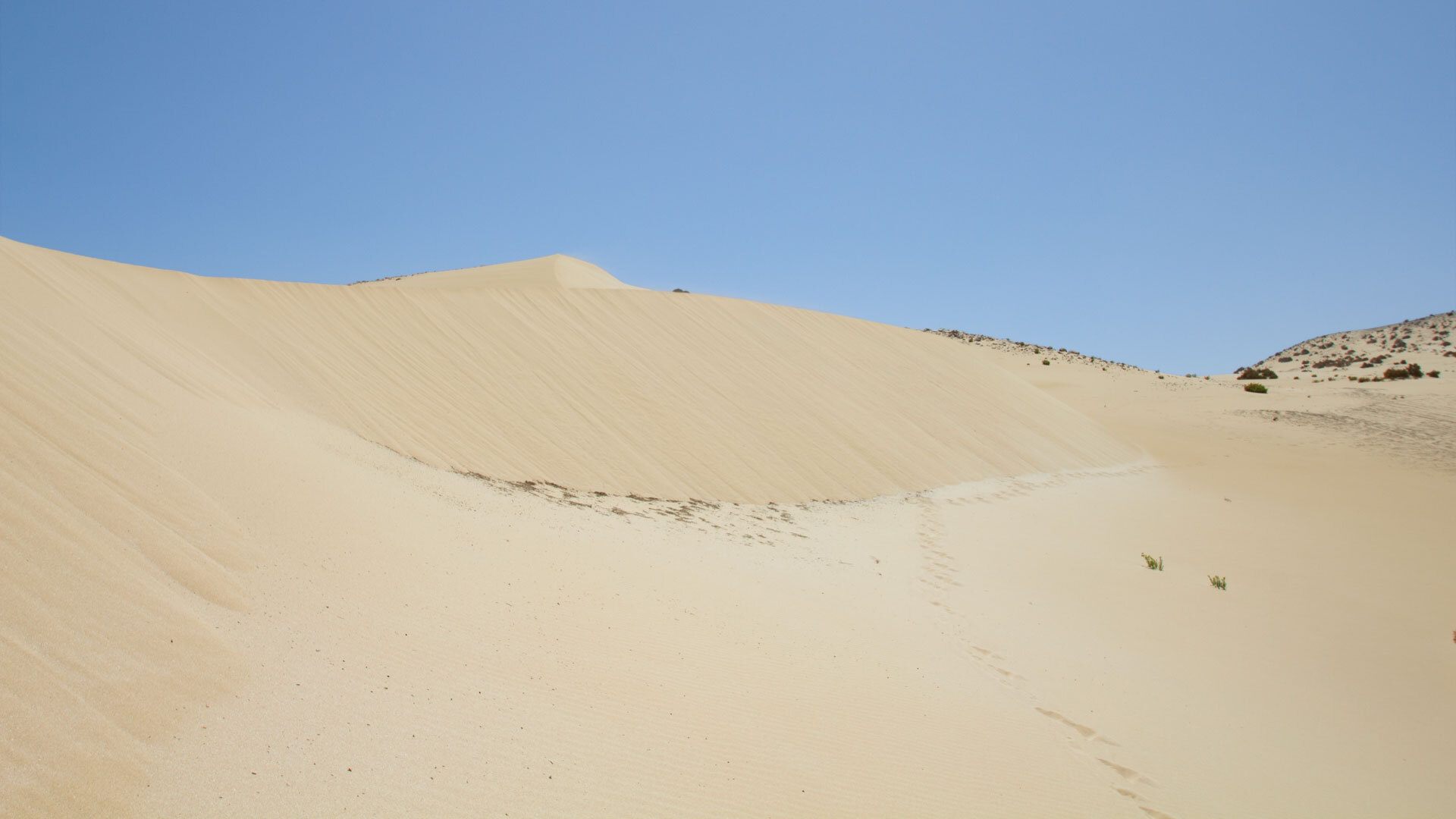
2. Agua Liques – Solidified Time on the Cliff Coast
Near La Pared lies a stretch of coastline one does not quickly forget. At Agua Liques, the sea has turned sand to stone – dunes of marine and Quaternary origin, now solidified, form a coastline that looks as though time itself has been frozen. The terrain is flat, almost uniform, cut only by deep ravines. You sit on the rock, listen to the waves, and understand: this is no backdrop. This is Fuerteventura’s west coast in its most primal form.
The walk from La Pared to Playa Agua Liques covers around 9.5 kilometres, 188 metres of elevation, and approximately 3.5 hours – in calm weather, an unforgettable experience.
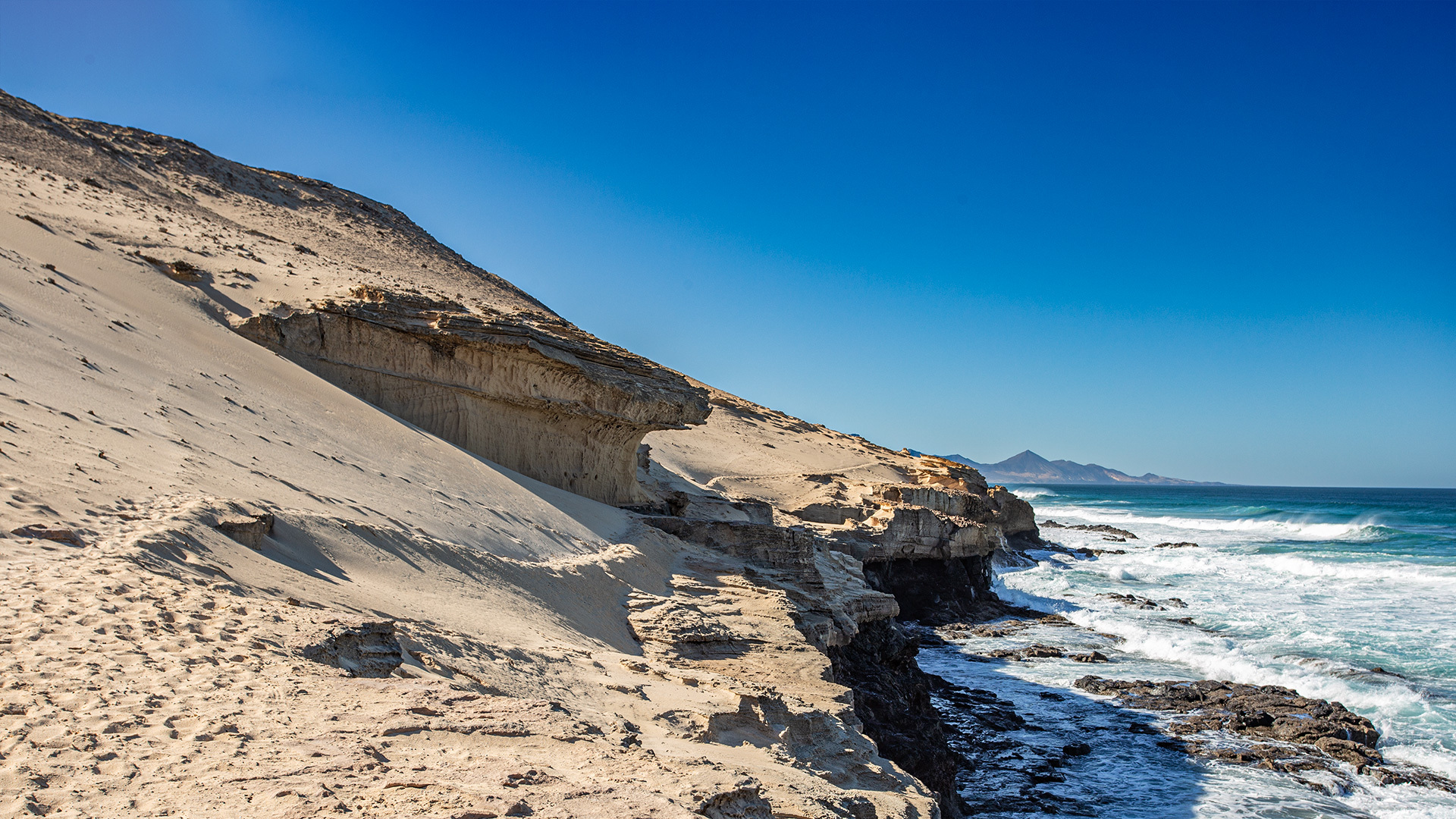
3. Barranco de Pecenescal – Ravine, Cliff and White Sand
Sometimes the path leads through solitude. The Barranco de Pecenescal in the south-west is one of the most impressive walking routes on Fuerteventura. The trail SL FV 11 winds through the quiet ravine, then out onto a cliff path high above the Atlantic, before descending to the Playa de Barlovento – one of the island’s most beautiful beaches, accessible only at low tide. The colour contrast between the white sand of the migrating dunes and the dark brown rocks is so striking that you cannot help but stop in your tracks. 17 kilometres, 511 metres of elevation, 6.5 hours. A circular walk you will not soon forget.
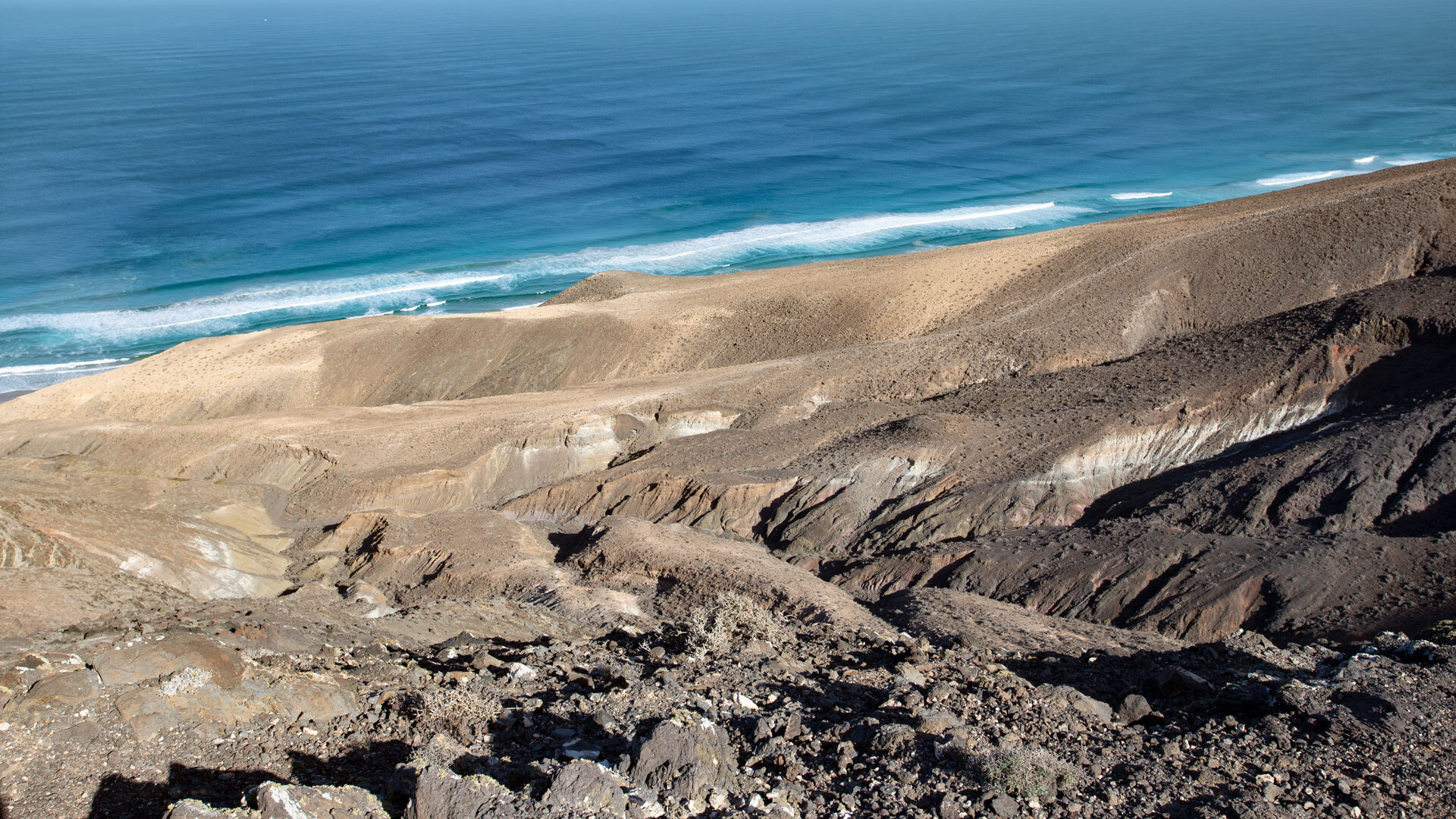
4. Pico de Mocán – The Rugged Ridge of the Second Summit
At 801 metres, Pico de Mocán is the second highest peak in the Jandía Mountains – and the ascent is no stroll. Across rocky ridges, partly pathless, partly with scrambling sections at a dry rock waterfall, you work your way up into a world of stone and wind. At the top, a 360-degree panorama opens up: sea on all sides, Pico de la Zarza directly beside you, the isthmus of Istmo de la Pared far below, and the coastal village of Cofete like a white dot. 13.3 kilometres, 787 metres of elevation, up to 6 hours. Spring or autumn are the best seasons for this Jandía walk.
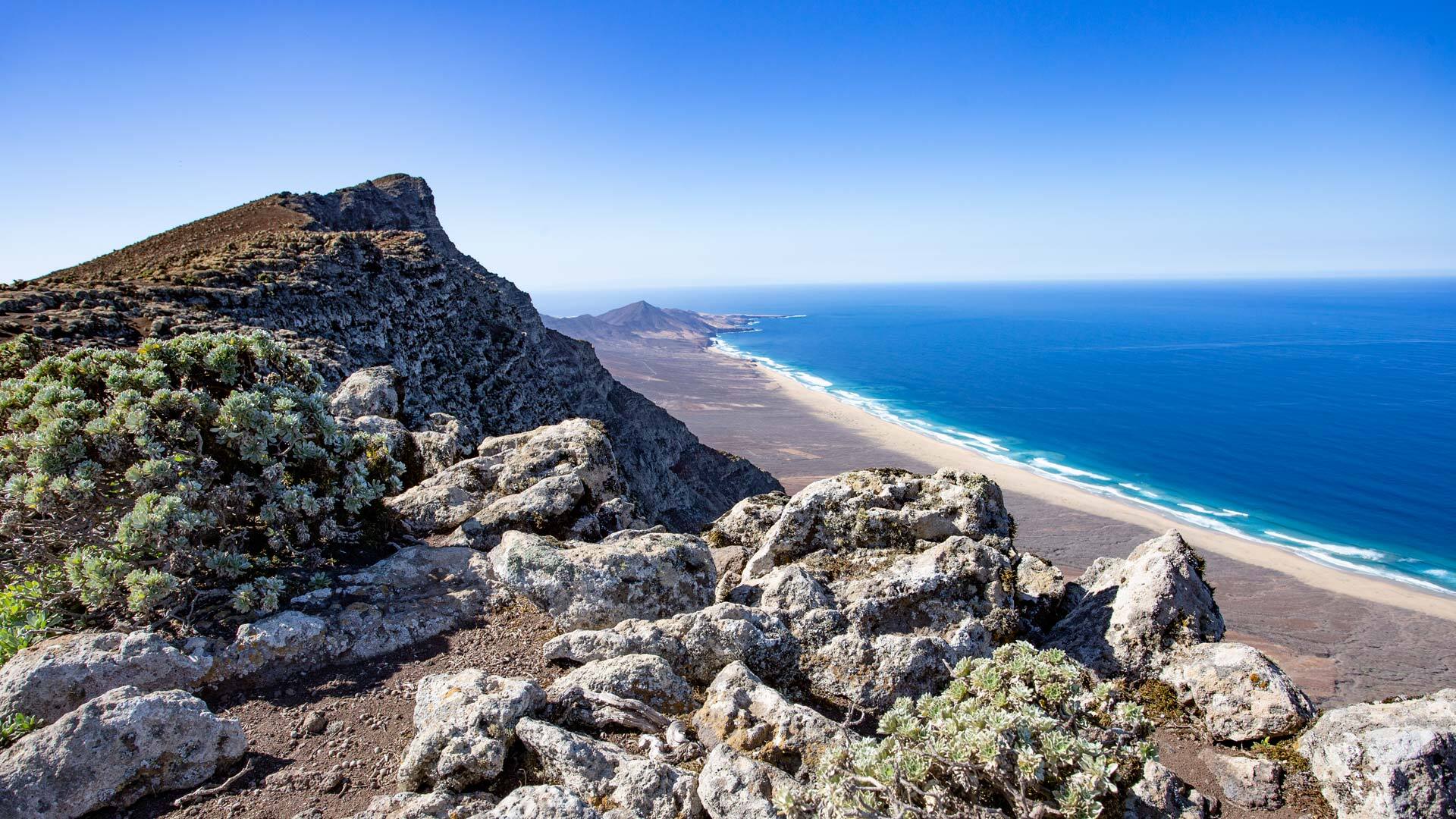
5. Gran Valle & Playa de Cofete – Through the Heart of the Mountains
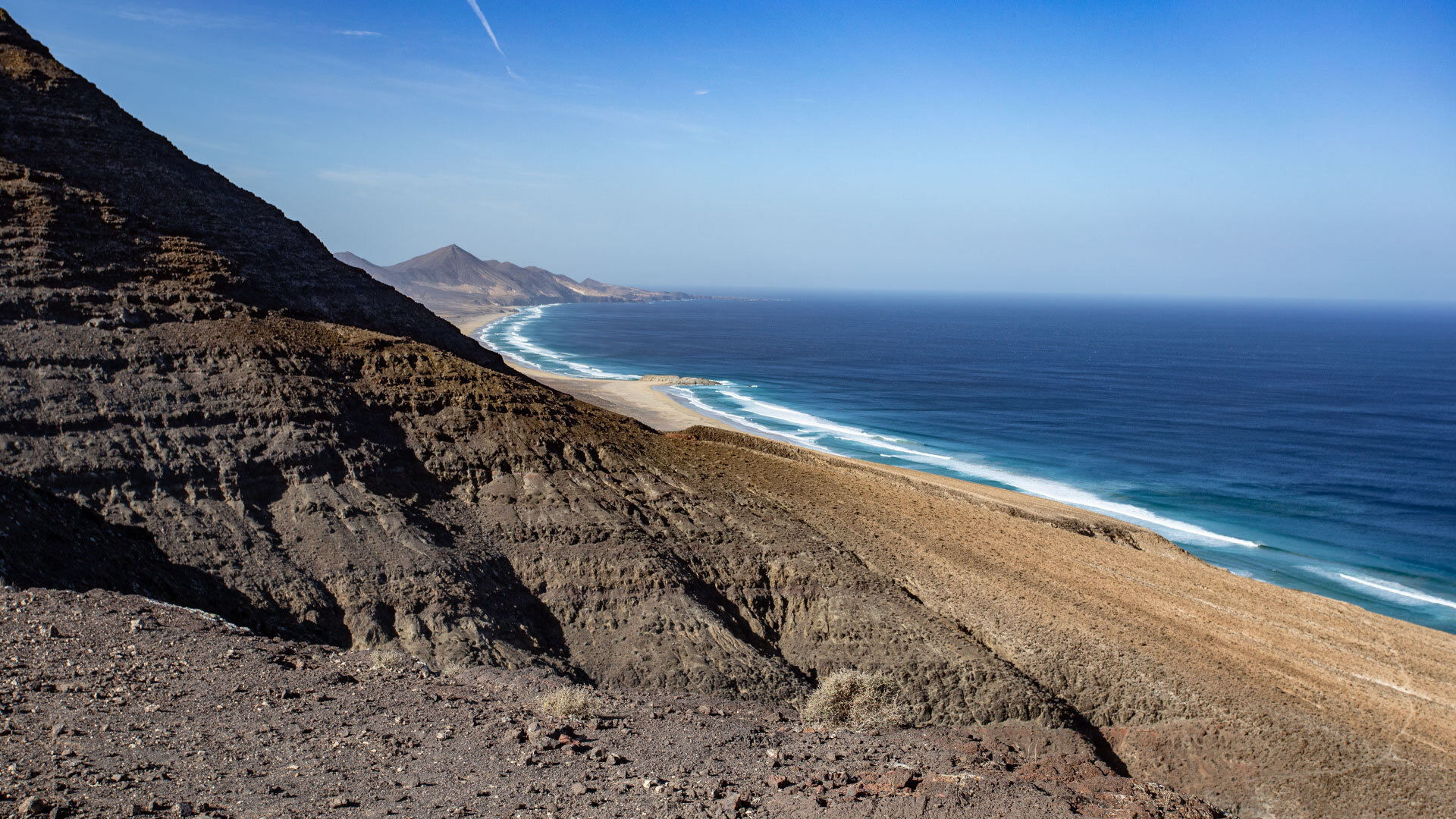
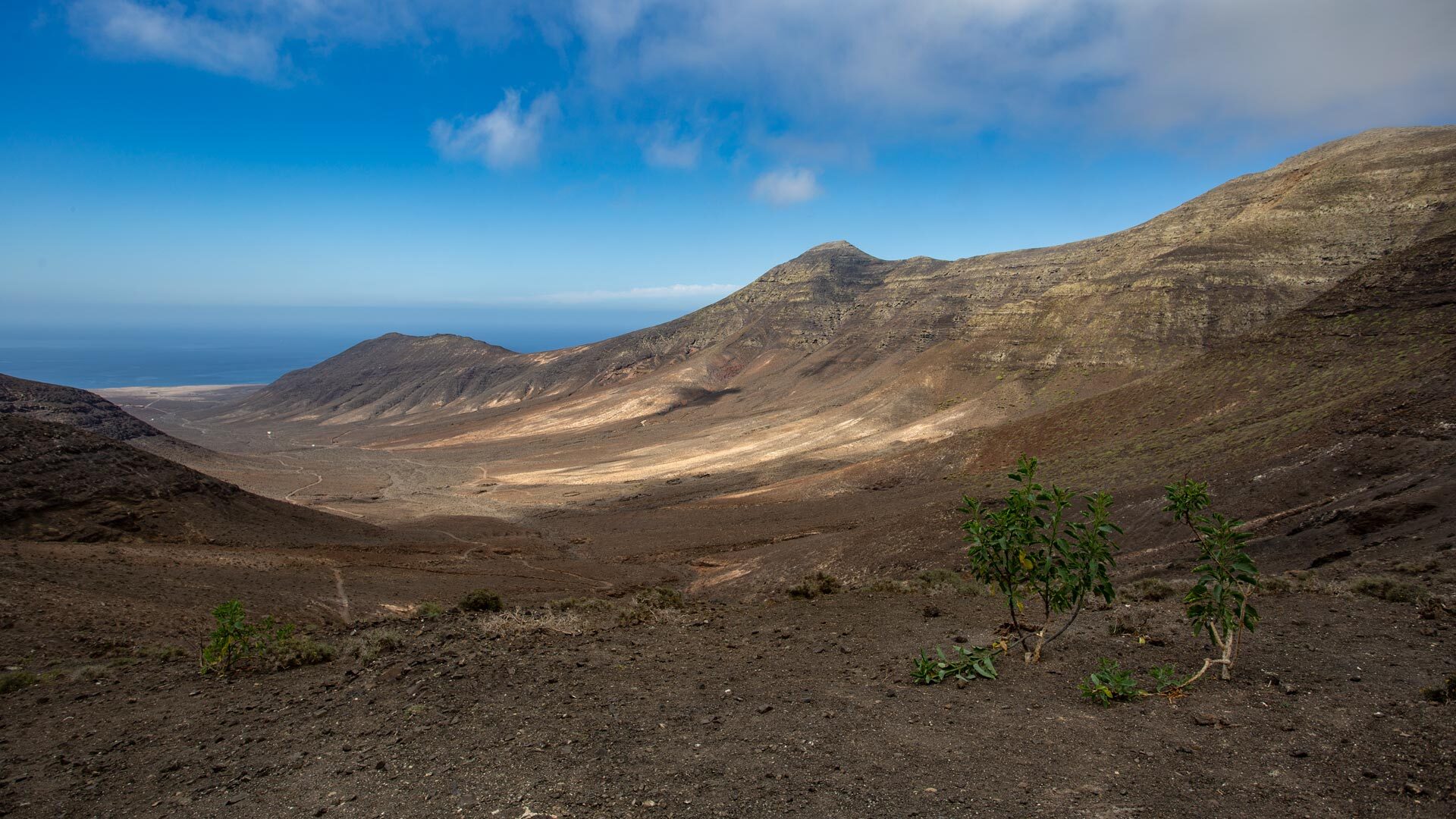
The trail PR FV 55 begins at the foot of the Gran Valle and leads through a landscape that recalls bygone times – paths that once connected the Sotavento and Barlovento coastlines. The flanks of mountain massifs such as Morro de Mungía and Cuchillo del Ciervo frame the valley. You walk through endemic plants, spot the Jandía cactus – the island’s botanical emblem – and eventually descend via the pass Degollada del Cofete to the village of Cofete and its sweeping coastline. 7.5 kilometres, 311 metres ascent, 368 metres descent. Playa de Cofete – a name that speaks for itself.
6. Roque del Moro – The Silent Sentinel
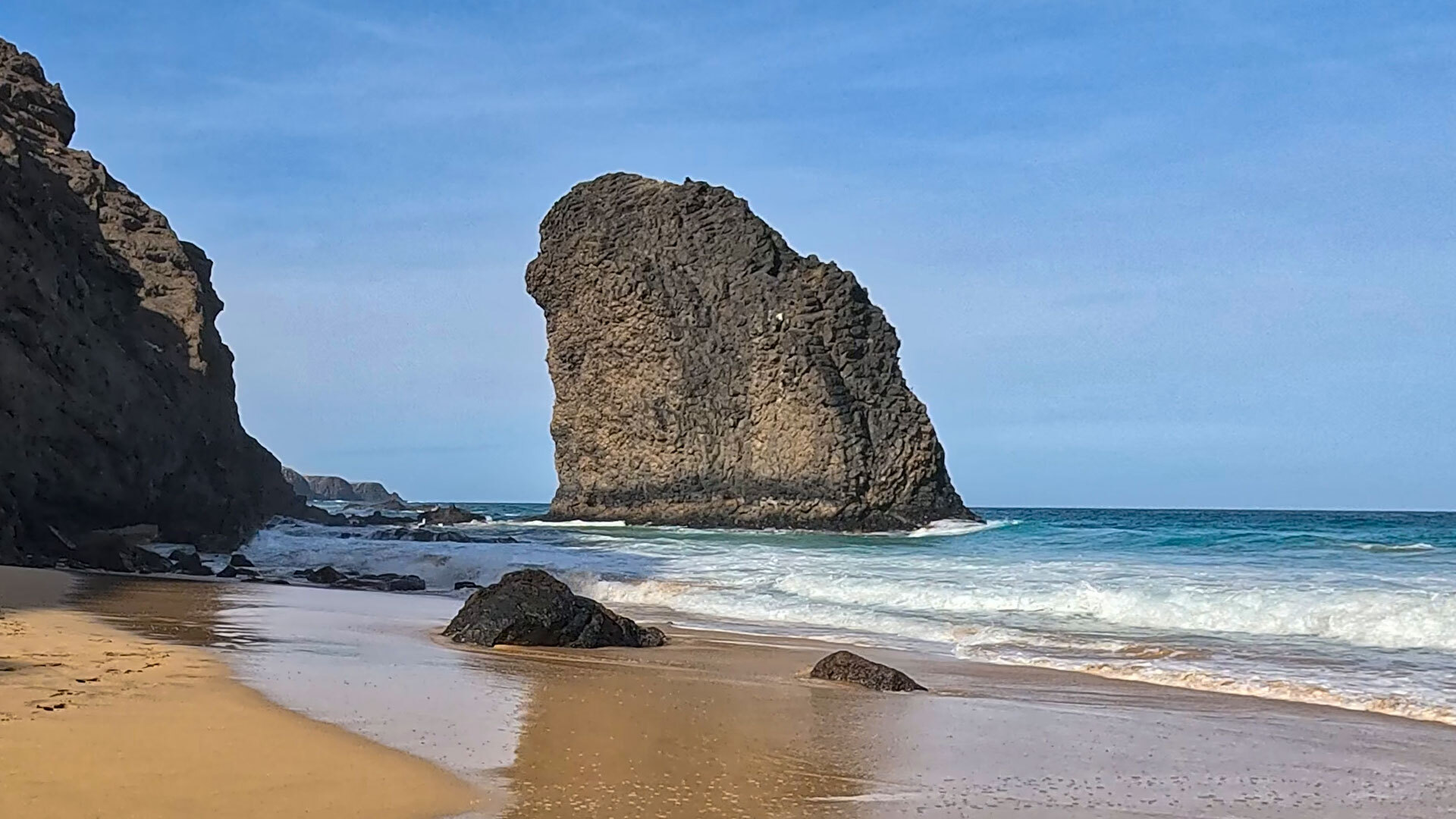
Those who see Roque del Moro for the first time stop in their tracks. The massive basalt rock rises at Playa de Cofete like a monument from a primordial age. At low tide it can almost be walked around; at high tide the waves swallow its base. The early morning light or the warm glow of evening makes the dark stone smoulder. All around: silence, wind, the roar of the Atlantic. A natural experience on Fuerteventura that defies description. The beach walk to Roque del Moro is around 9 kilometres long and gentle in elevation – yet profound in impression.
7. Arco del Jurado – The Gateway of Stone
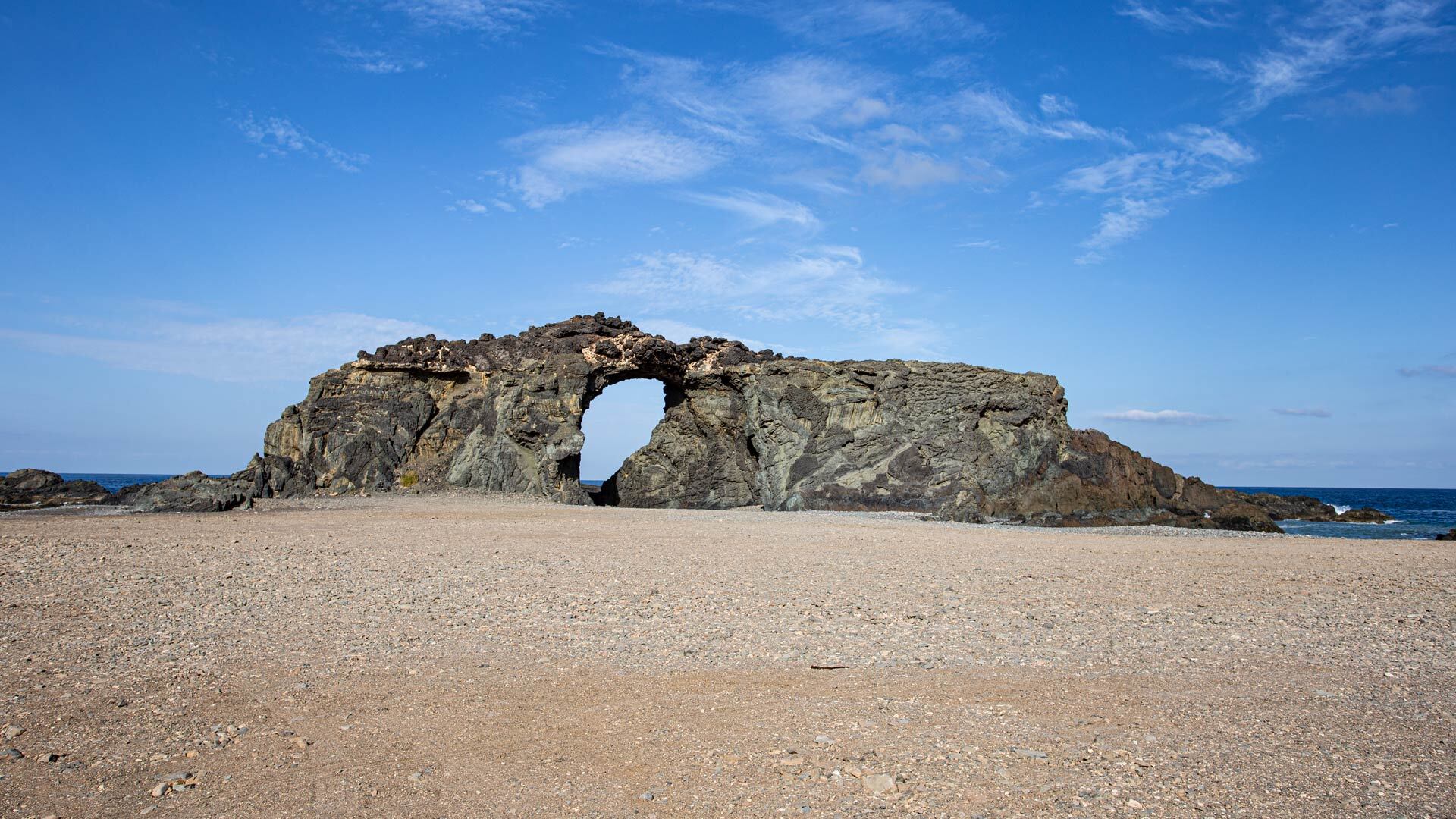
At the mouth of the Barranco de las Peñas on Fuerteventura’s west coast, the sea has blasted a window into the rock. The Arco del Jurado, also known as Peña Horadada – meaning “pierced rock” – is a spectacle at high tide: the surf crashes through the opening, sending water shooting upwards. From the village of Ajuy, a coastal path of just under 2.5 kilometres leads through the Monumento Natural de Ajuy, past the legendary caves of Ajuy – the Cuevas de Ajuy – and on to this natural rock arch. It is most impressively photographed in the morning, when the sun falls low from the east.
8. Arco de las Peñitas – Bizarre Sculpture in the Rocky Desert
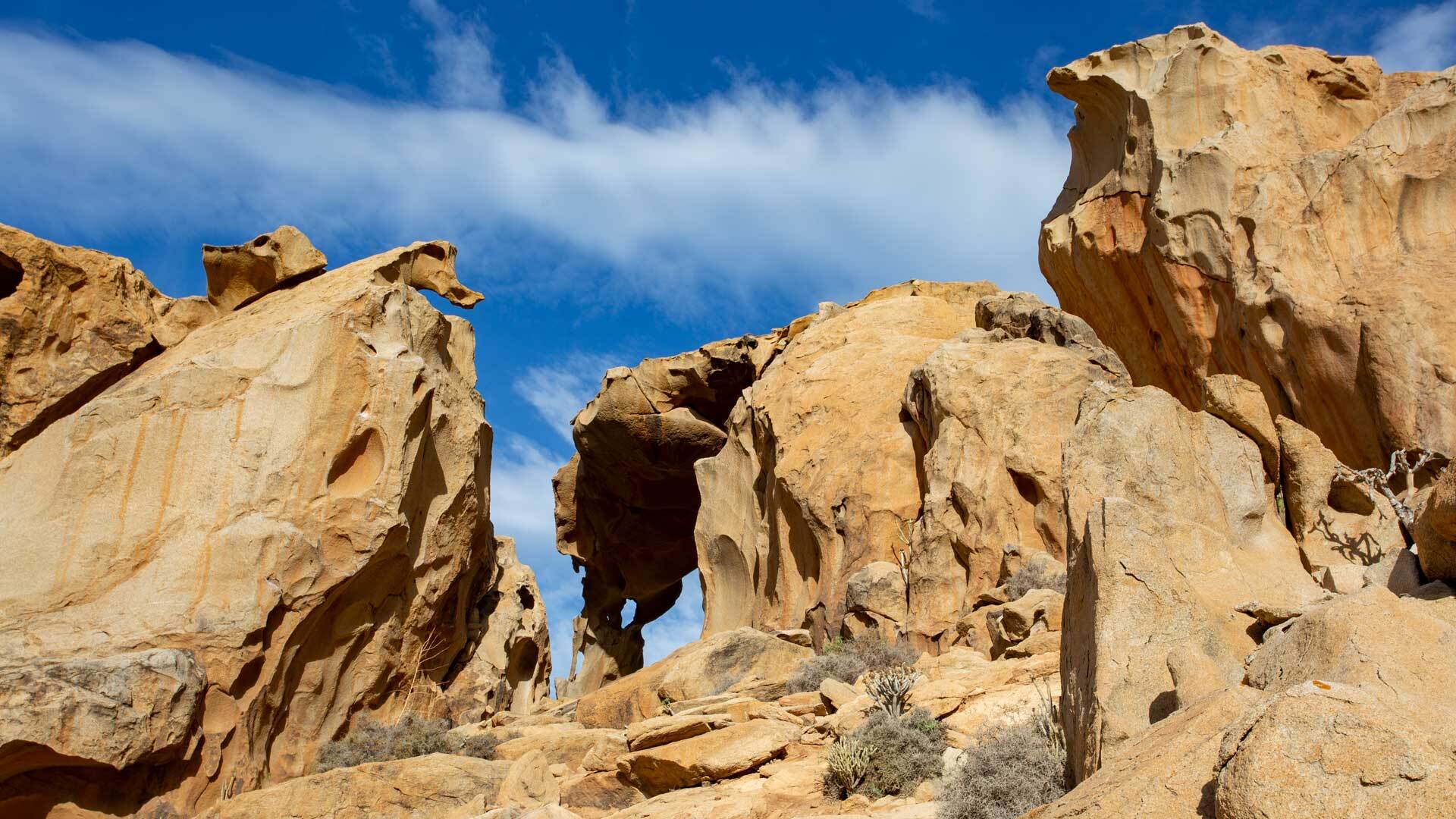
Sometimes all nature needs is wind and time. The Arco de las Peñitas is the result of thousands of years of erosion – a bizarre rock arch amid an almost desert-like landscape that evokes otherworldly realms. You park at the end of Camino de Buen Paso (FV-627) and walk from there through the Barranco de Malpaso to this natural masterpiece. You could linger for hours, contemplating the rock from ever new angles – and it would not be time wasted.
9. Playa de Jarugo – The Quiet Beach
Near Tindaya, an unpaved track branches off. It leads through sparse landscape, and at the end the Playa de Jarugo – also known as Playa de Jarubio – opens up like a carefully guarded secret. At the mouth of the Barranco de Jarubio, dunes pile up, salt-loving plants grow, and the Atlantic rolls steadily onto the shore. No bar, no sun loungers. Only the sea, the cliffs, the wind. Even in summer, this secluded beach on Fuerteventura remains a genuine hidden gem for independent travellers. Those who visit should stock up on water and provisions in Tindaya beforehand.
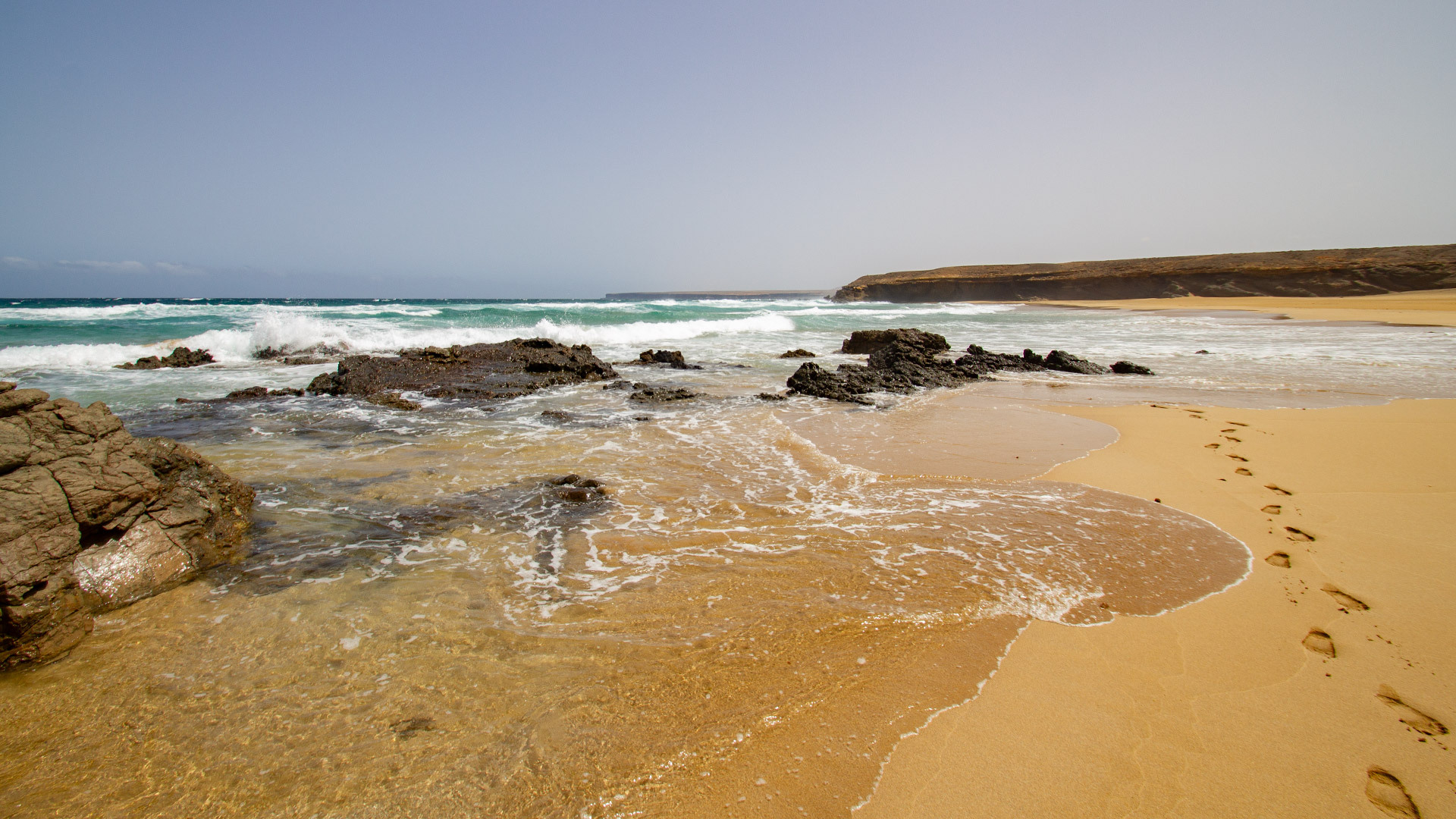
10. Playa de Garcey – Wreck and Wilderness
Only with a four-wheel-drive vehicle can you reach Playa de Garcey on Fuerteventura’s west coast. Tall rocky cliffs frame the secluded bay, and in one sheer face a striking rock arch opens up. At low tide, the rusty remains of the American Star are still visible – a cargo ship that ran aground here in 1994 and drew tourist coaches until 2008. Today the bay is quiet once more. It is not suitable for swimming due to strong undercurrents – but for all those seeking unspoilt nature on Fuerteventura, it is all the more impressive for it.
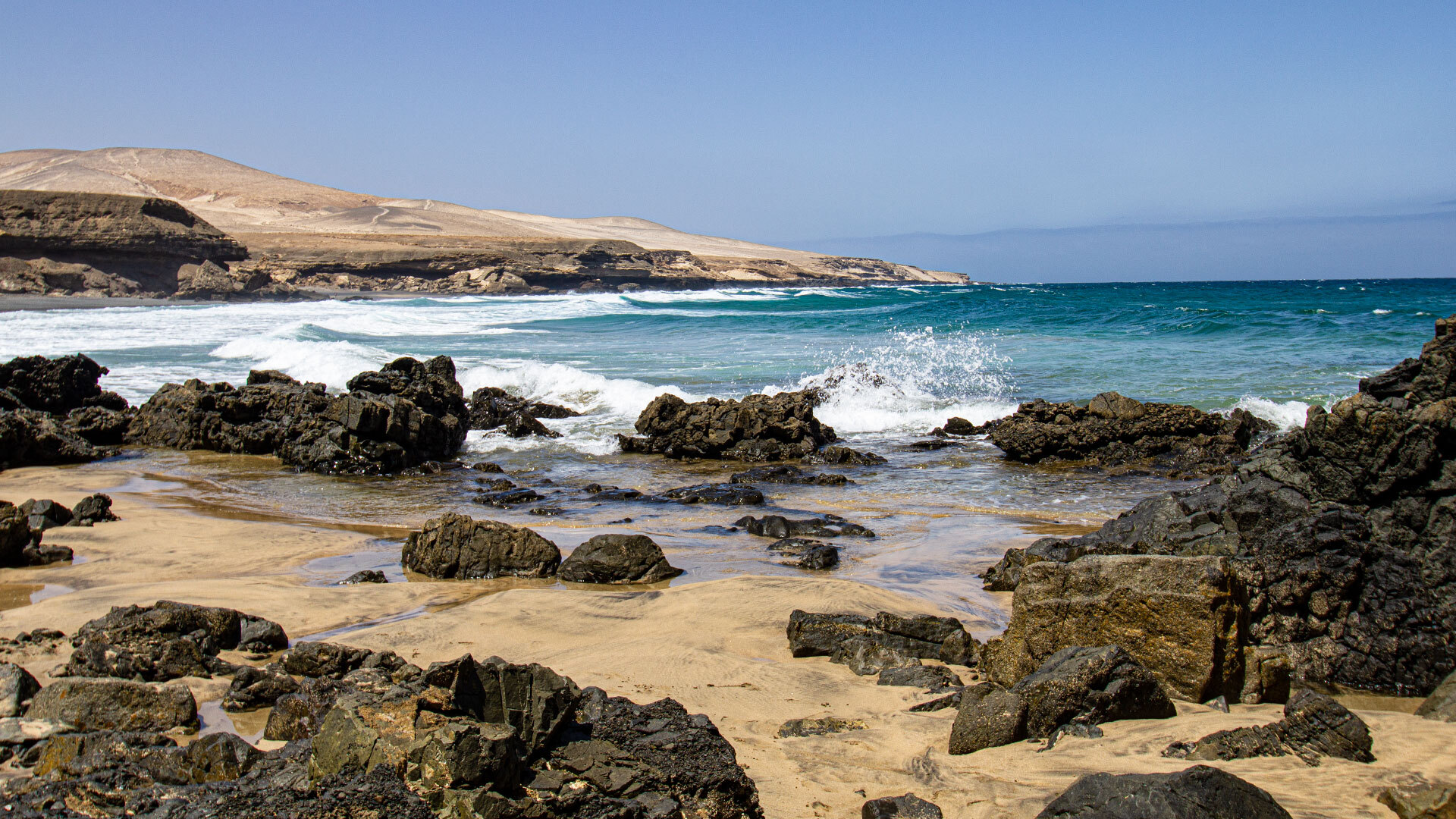
11. Faro de la Entallada – Lighthouse Above the Abyss
On an almost 200-metre-high cliff coast near Las Playitas stands the Faro de la Entallada – the last lighthouse in Spain to be built according to the traditional 19th-century construction principles. Completed in 1954, it rises 185 metres above the sea into the sky. Grey basalt and red porphyry blocks run through the white-grouted masonry. In clear conditions, the view from here extends as far as Jandía. A footpath leads to the cliff edge – off-limits in storms, but in calm weather an experience not to be missed. Ornithologically, the Cuchillo de la Entallada cliff coast is a paradise: ospreys nest here in artificial eyries.
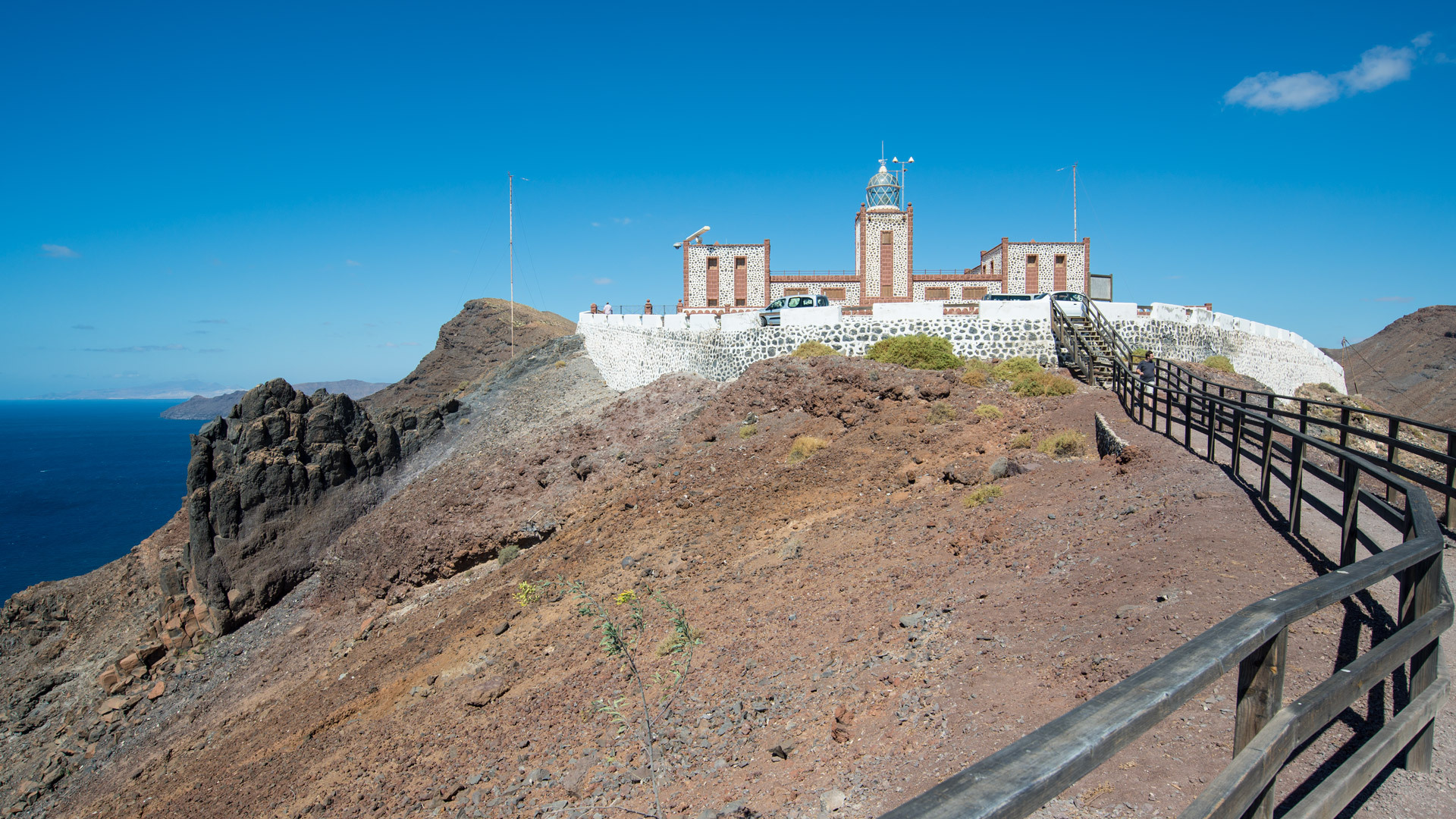
12. Montaña de Cardón – The Sacred Mountain of the South
The Monumento Natural de Montaña Cardón is not merely a natural monument – it is history in stone. At 695 metres, one of the island’s highest peaks, Montaña de Cardón was most likely the second sacred mountain of Fuerteventura’s indigenous people, the Majoreros, after Montaña Tindaya in the north. Every year in early May, a popular pilgrimage is held here to the rock chapel in honour of the Virgen del Tanquito. Those who wish to hike on Fuerteventura off the beaten track will find one of the island’s most evocative routes here.
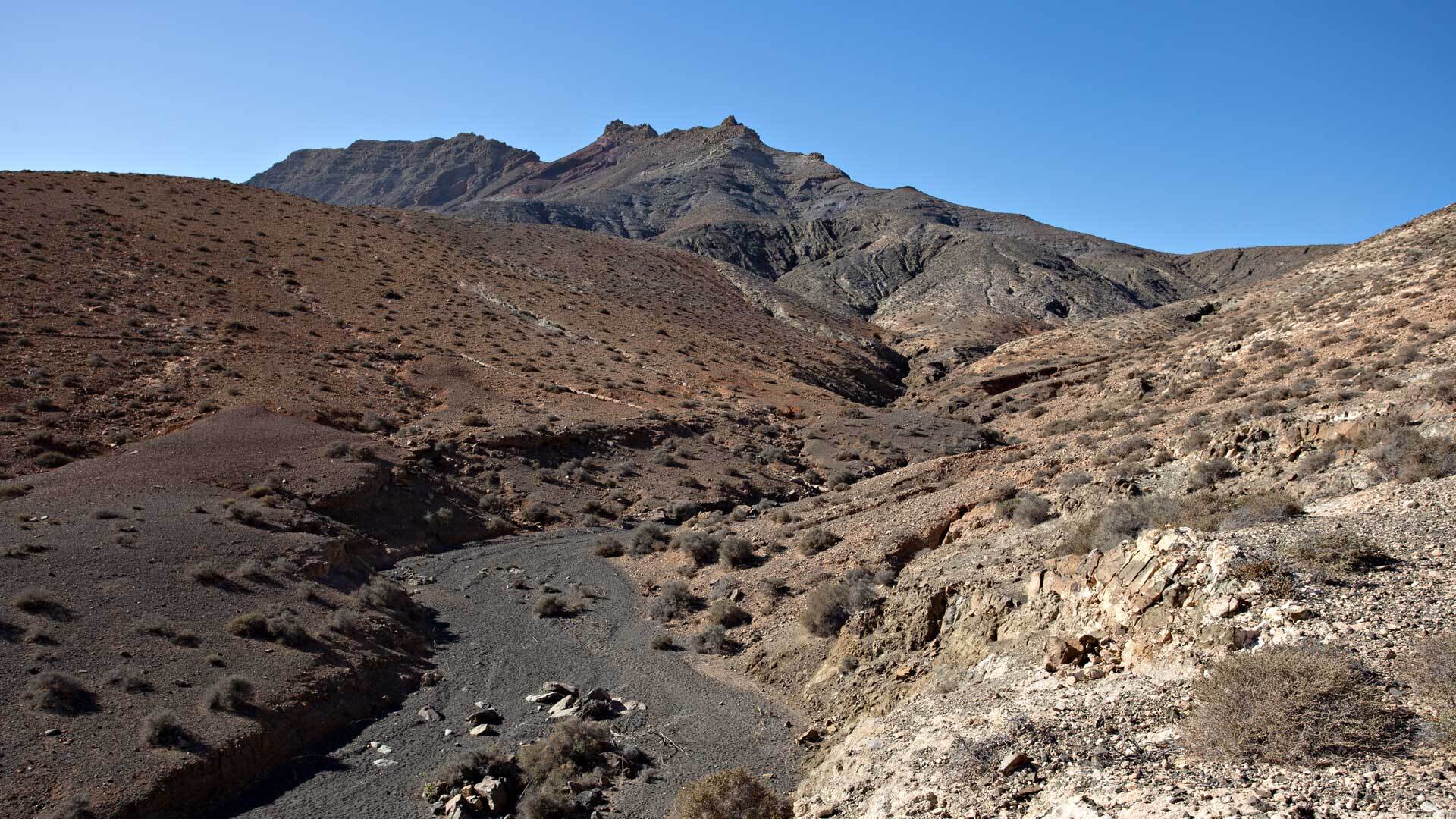
13. Playa de los Ojos – At the Edge of the World
Right at the southern tip of the island, between Punta de Jandía and Punta Pesebre, lies the beach Playa de los Ojos. Fine, pale yellow sand. An oval basalt rock, almost centred in the bay. At high tide the Atlantic reaches to the cliff face; at low tide the sea reveals smooth-worn rock formations. All around: reefs, waves, solitude. Swimming is inadvisable here too, due to dangerous currents. Those who visit combine the trip with the Faro de Jandía and the richly coloured Caleta de la Madera – a circular walk of around 11 kilometres along the westernmost tip of Fuerteventura.
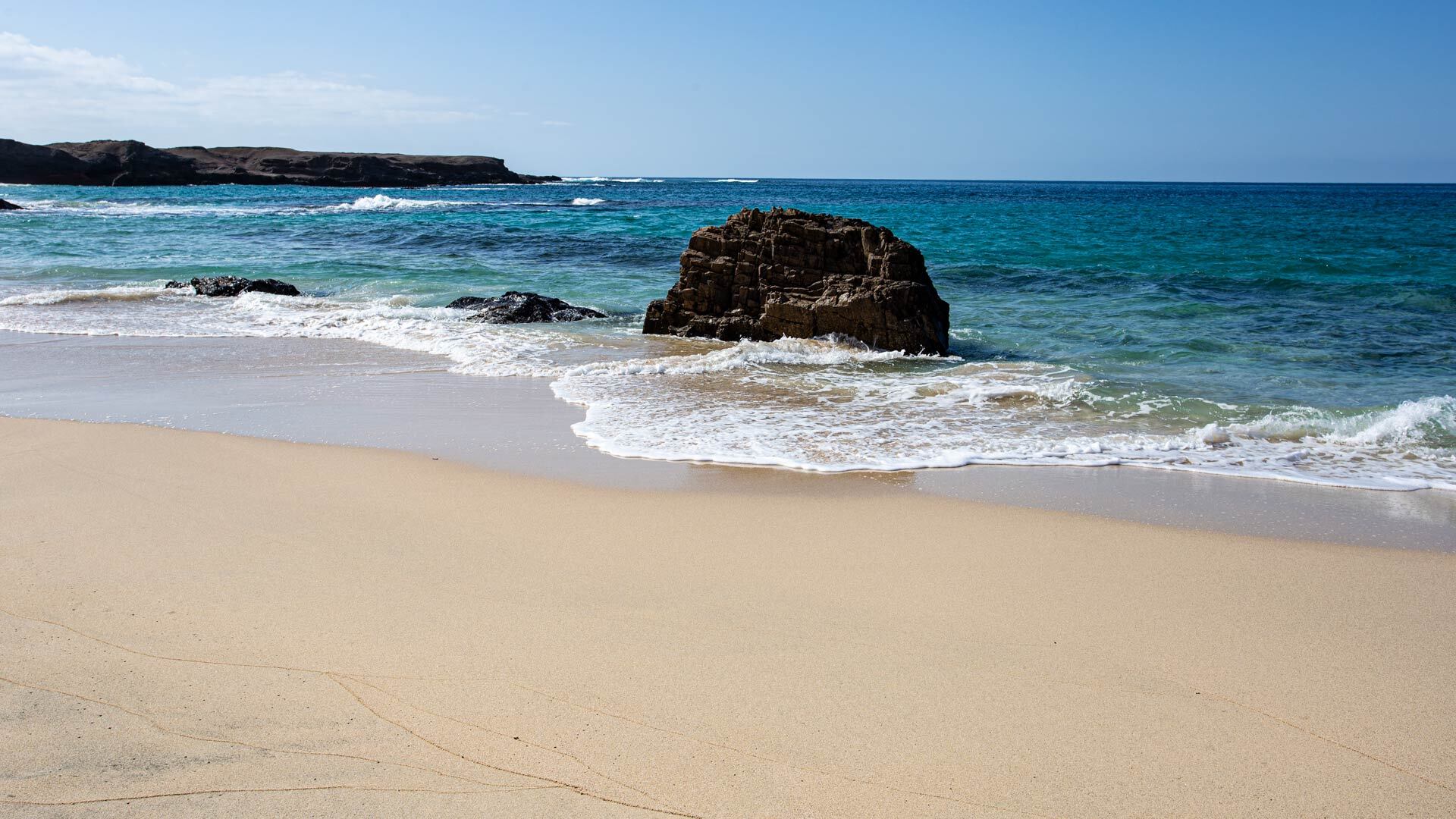
The real Fuerteventura begins where the road ends
Hiking on Fuerteventura means: boots instead of flip-flops. Water instead of cocktails. Silence instead of beach bars. It means experiencing an island that does not need you – and that impresses you all the more deeply for precisely that reason. These thirteen places are not an itinerary. They are an invitation: out. In. Into the wildness of this extraordinary island.
Important notes: Many of the walking trails on Fuerteventura described here require good footwear, sufficient water and experience in the terrain. On Fuerteventura’s west coast, extreme caution is advised during storms and heavy swell. For remote beaches and dirt tracks, a four-wheel-drive vehicle is recommended. Check GPS tracks and current trail conditions before setting out.
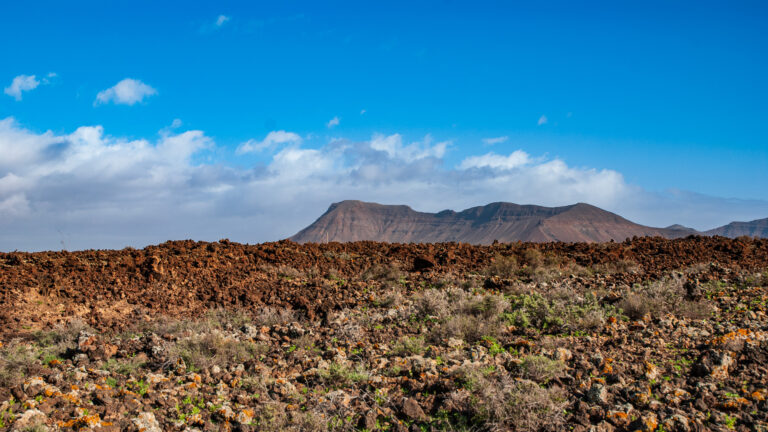
- Malpaís Grande: Where Fuerteventura Has Carried Silence for 10,000 Years
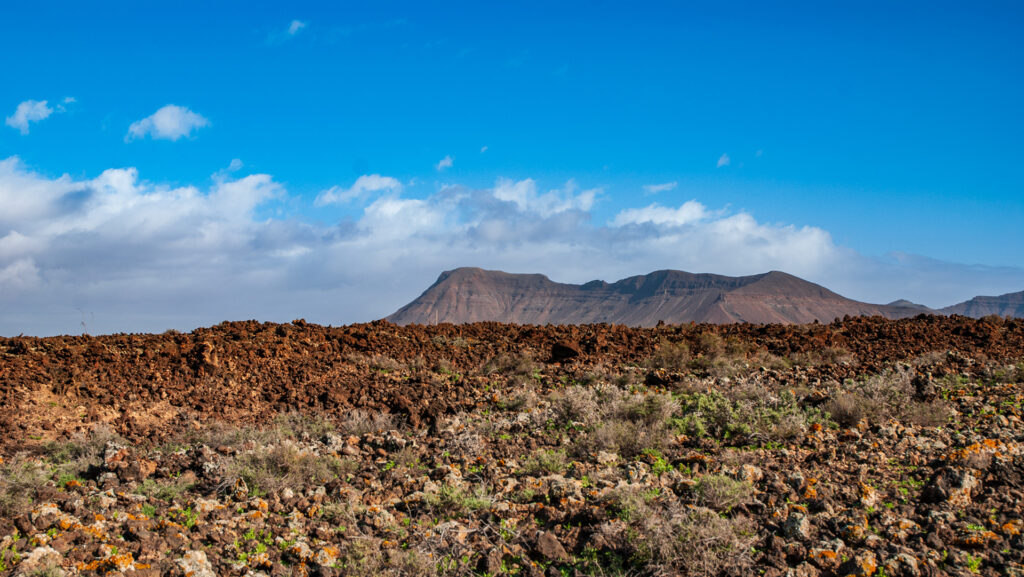 The name says it plainly: Malpaís means ‘bad land’ in Spanish. And indeed, this designation has a long history – it comes from the farmers and settlers who found no yield in this inhospitable terrain, no foothold for their roots, no reason for hope. Yet what was once bad land is today one of the most fascinating nature reserves across the entire Canary Islands.
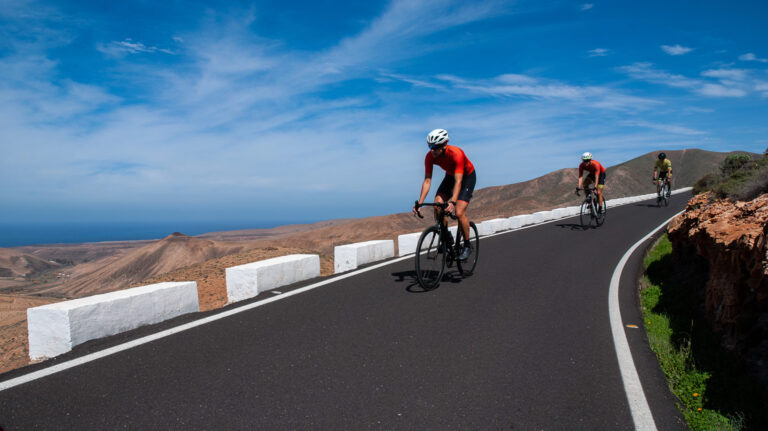
 - Cycling Tour Fuerteventura: Why This Island Holds a Magical Attraction for Bikers
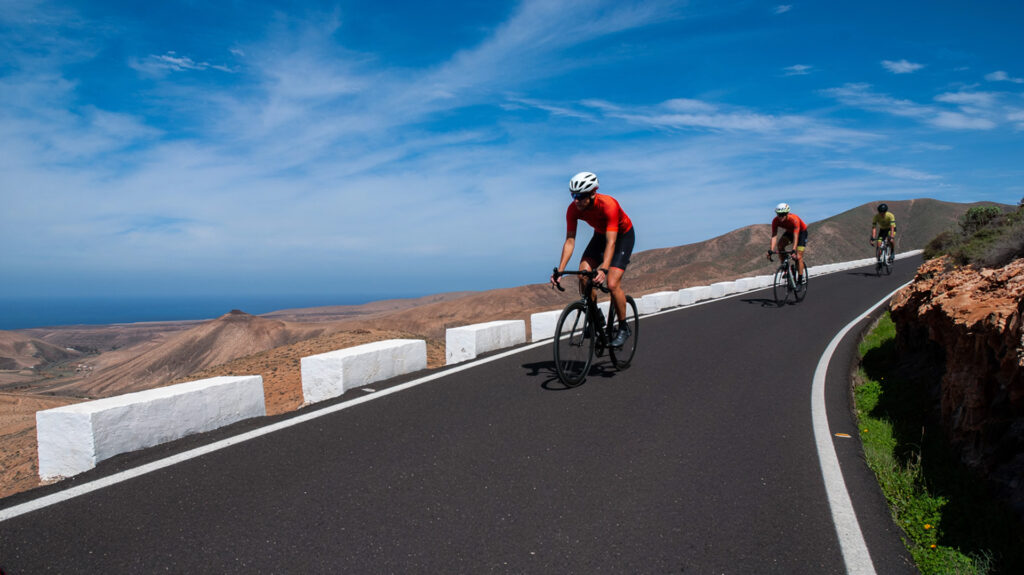 Get up from your sun lounger, grab a bike and set off, and a different island reveals itself – wilder, quieter, infinitely more vast. Fuerteventura is made for cyclists – by chance, by its geography, and by a climate that allows for a ride almost every day of the year. From gentle coastal roads to proper mountain passes and MTB trails on the Jandía Peninsula, every rider finds their route here.
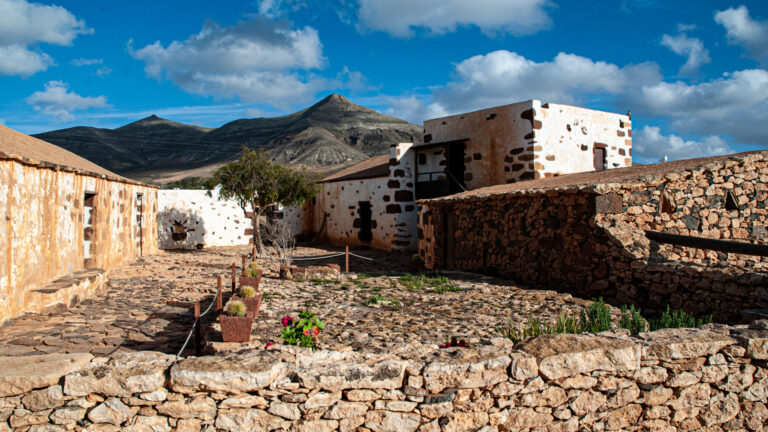
 - Museums on Fuerteventura – Where Stone, Salt and History Come to Life
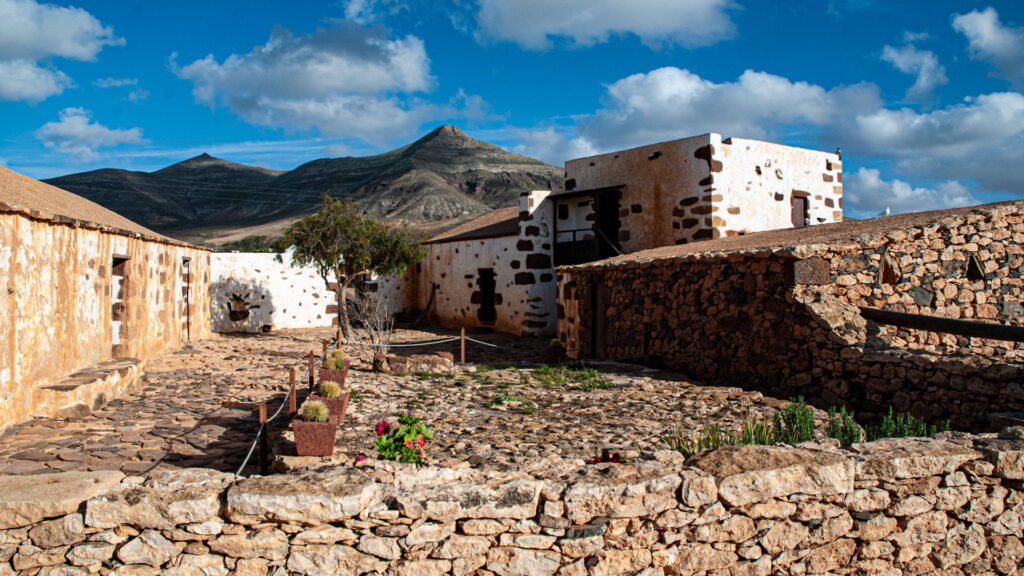 Fuerteventura’s museums bring the island’s geology, history and rural culture to life – from the salt pans of the Museo de la Sal and the open-air village of Ecomuseo La Alcogida to the Cueva del Llano volcanic tunnel. Explore historic windmills, the archaeological sites of the Majos and contemporary art at Casa Mané. A guide to the island’s most fascinating cultural treasures.