Fuerteventura Attractions: 13 Beautiful Places
Fuerteventura is seen by many as an island of beaches – a place where you kick off your shoes, feel the wind on your face and lose all track of time. But anyone who thinks the Canary Island off the north-west coast of Africa has nothing to offer beyond swimming and sunshine is sorely mistaken. Behind the horizon of sand and Atlantic lies a world full of history, wilderness and quiet beauty – a world one wants to explore, slowly and with open eyes.
Here are the 13 easily accessible attractions of Fuerteventura, that no visitor should miss.
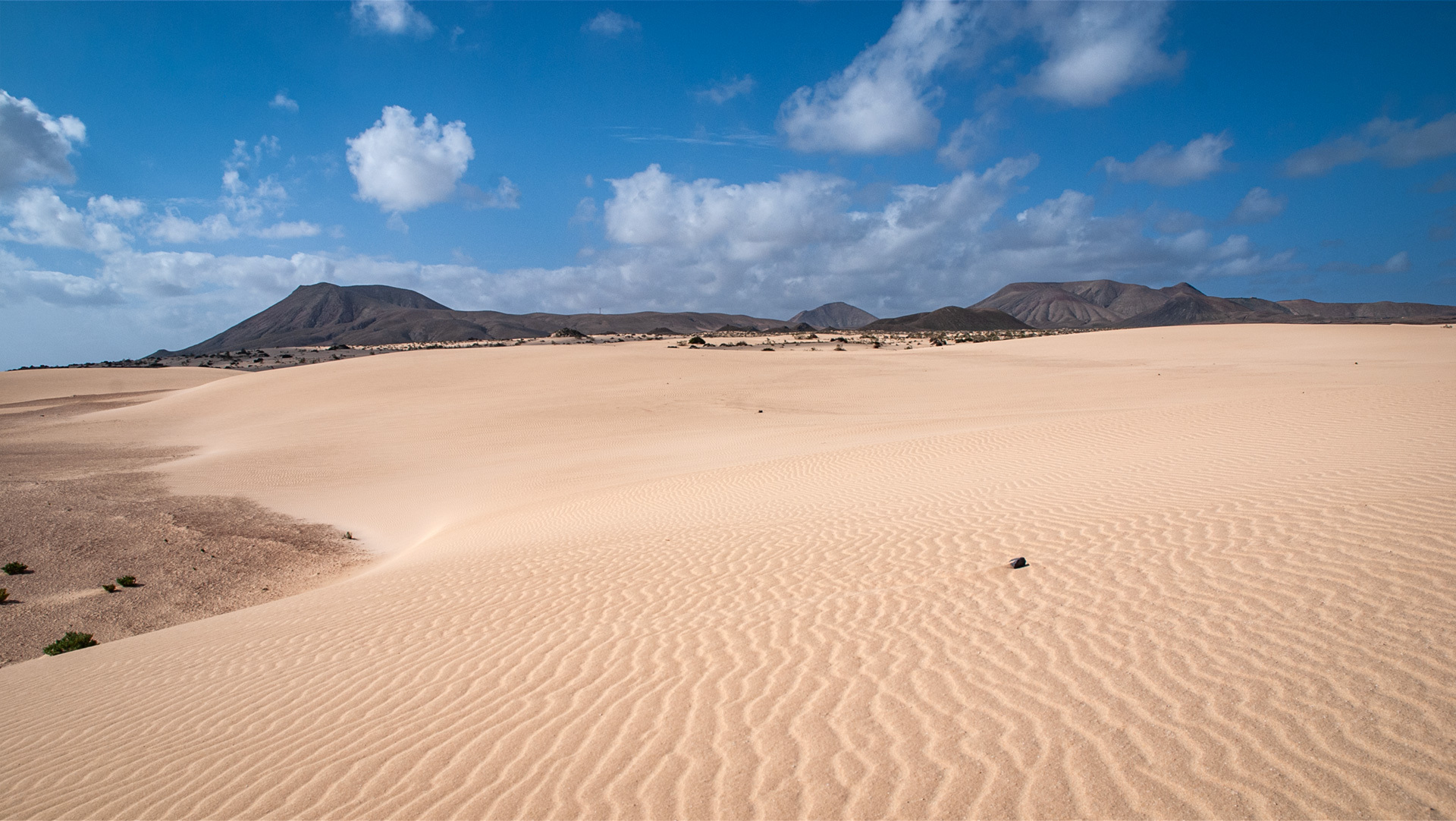
1. The Dunes of Corralejo – Sand as Far as the Eye Can See
Anyone walking through the Parque Natural de Corralejo for the first time involuntarily stops in their tracks. Nearly 2,700 hectares of fine, pale sand stretch over roughly eleven kilometres along the north-east coast – the largest dune landscape in the Canary Islands. The dunes migrate, driven by the constant wind that never truly stops blowing here. Their shape changes daily, as if the island itself were breathing.
On clear days the eye drifts across to Lanzarote and the little Isla de Lobos. The beaches shimmer like Caribbean turquoise – swimming is delightful, even if the wind is sometimes too strong to go in. Kite- and windsurfers love it precisely for that reason.
📍 Location: North-east Fuerteventura, La Oliva / Corralejo | Bus line 6 to Corralejo station | Roadside parking along the FV-1 possible
2. Pico de la Zarza – Fuerteventura’s Highest Peak
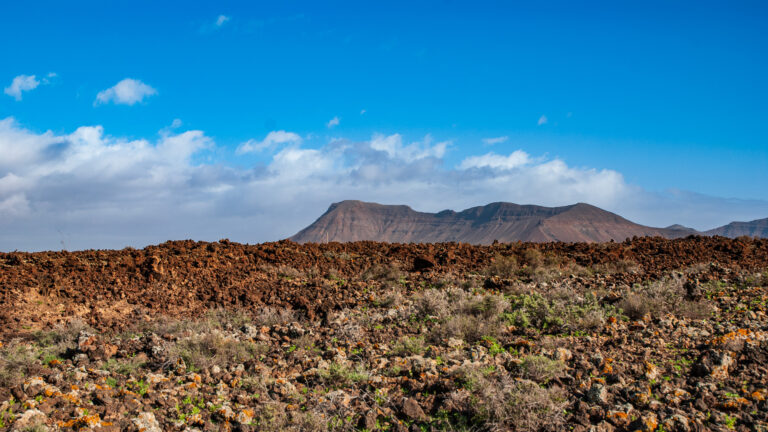
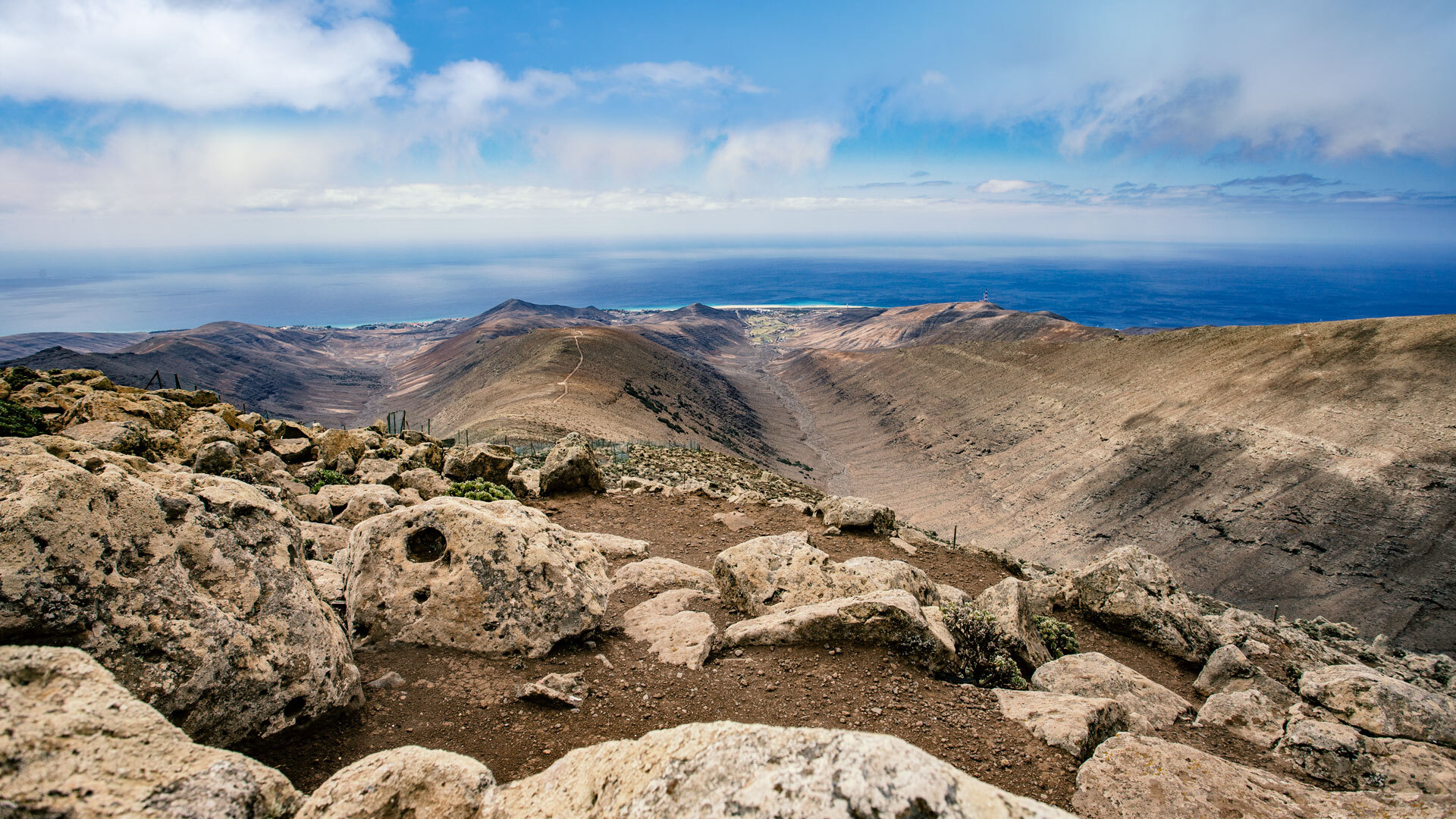
In the Jandía mountains in the south of the island, the Pico de la Zarza rises to 807 metres – the highest point on all of Fuerteventura. Those who take on the well-marked, roughly 13-kilometre hiking trail from Morro Jable are rewarded with a panorama that burns itself deep into the memory.
The volcanic landscape on the way up is sparse yet fascinating – endemic plants line the path, the sky grows wider, and then, at the summit, the entire island lies spread out below like a relief map. On exceptionally clear days, the view reaches as far as Gran Canaria.
Difficulty: Moderate | Duration: approx. 4 hours | Best season: spring or autumn – in summer, set off early and bring plenty of water.
3. Fuerteventura Salt Museum – A Journey Back to 1910
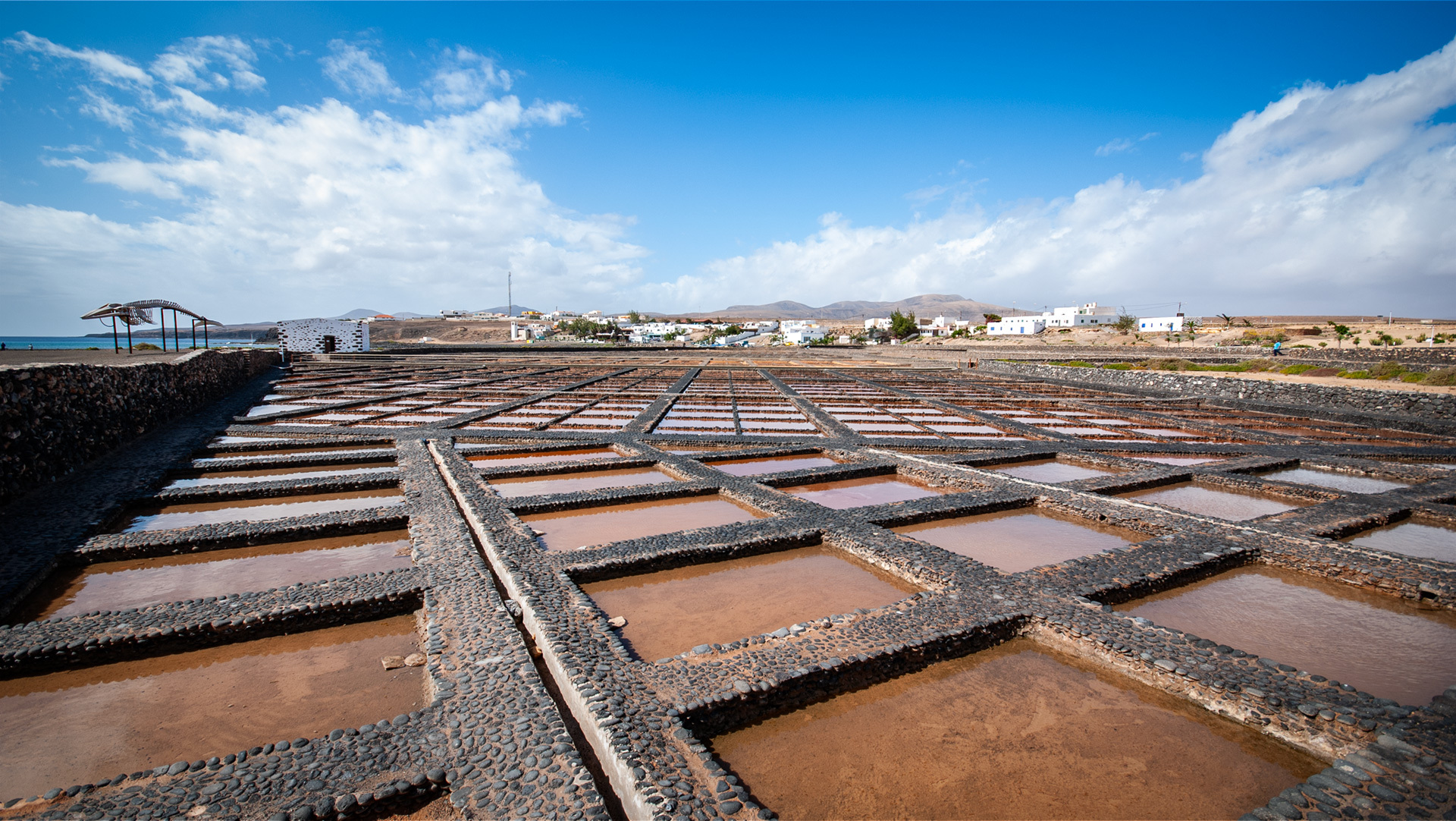
In Antigua, on the east coast of the island, the Museo del Sal opens a door into a forgotten world. Salt has been harvested here since 1910 – in the same quiet, artisanal manner as back then. A video in German introduces the history, after which one strolls through the Salinas del Carmen, past still expanses of water that glitter in the sun.
In the small shop, the salt harvested here can be taken home – an edible piece of island history.
📍 Address: Barrio Las Salinas 2, 35610 Antigua | Admission: Adults €6, Children (3–11 yrs) €3 | Opening hours: May–Oct 10am–6pm, Nov–Apr 9:30am–5:30pm
4. Jandía – The Peninsula of the Most Beautiful Beaches
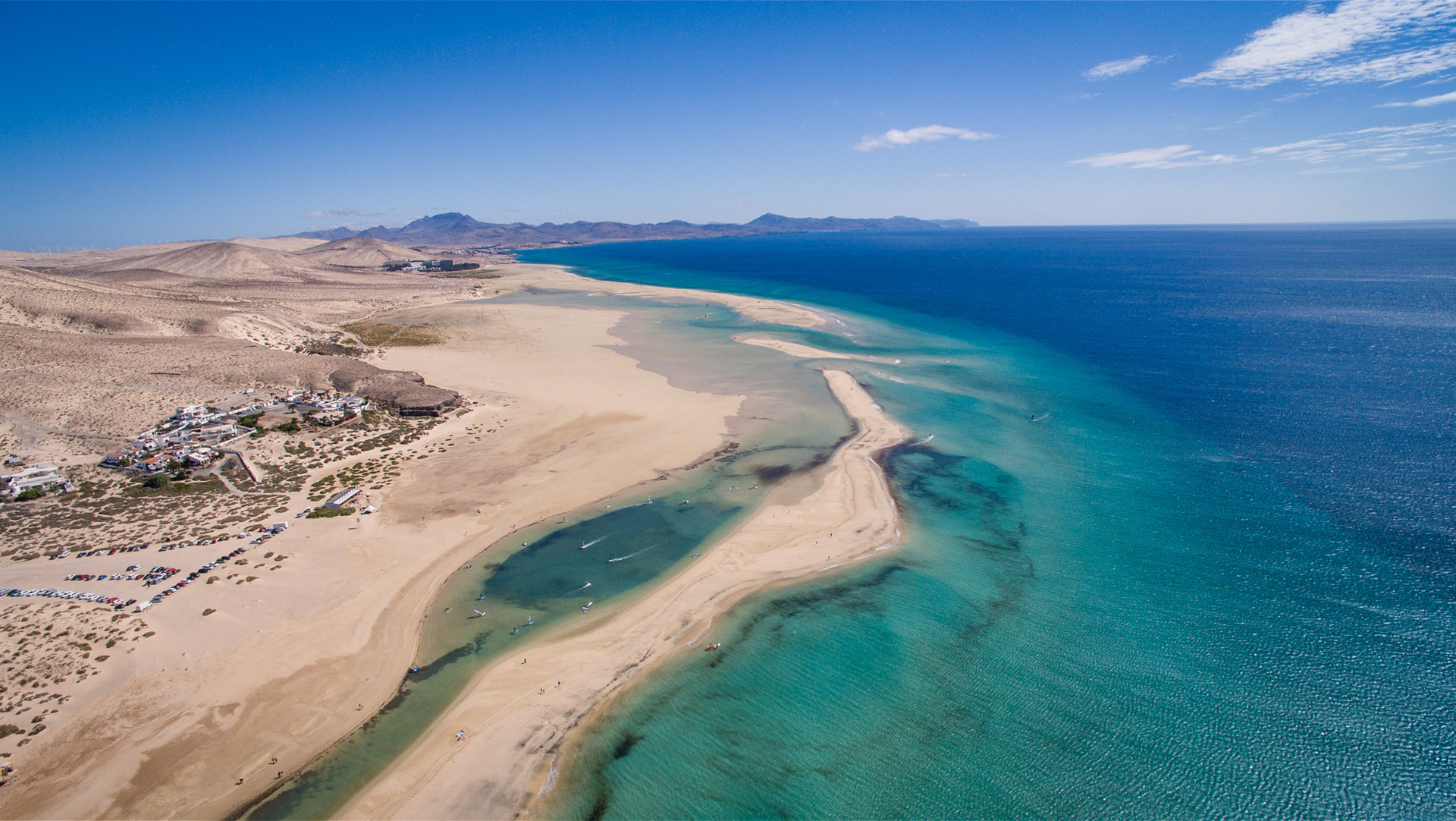
The Jandía Peninsula in the south of Fuerteventura is a little universe of its own. To the east, well-kept hotel complexes line kilometres of sandy beaches – comfortable, sun-drenched, family-friendly. To the west and north, however, the wild, untamed side of the island awaits: a thundering Atlantic, black rocks, and beaches where one can be alone for hours.
Surfing, kitesurfing, jet skiing or simply lounging about – Jandía with its centre Morro Jable has everything a genuine Canary Islands holiday needs.
5. Villa Winter – The Mystery of Cofete
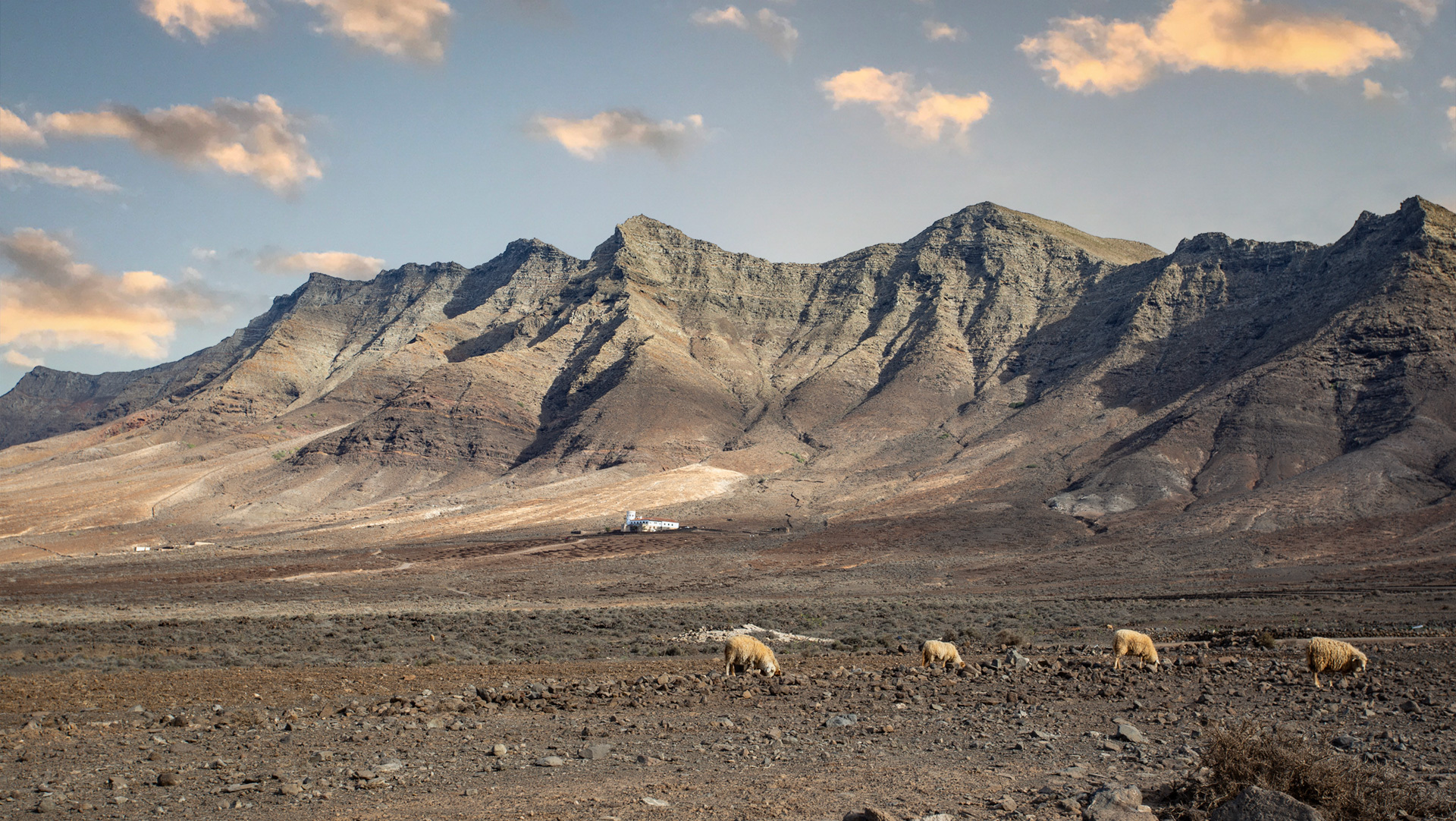
On the western side of the Jandía Peninsula, accessible only via a bumpy dirt track from Morro Jable, stands an estate that raises more questions than it answers. Villa Winter, built in 1936 by the German engineer Gustav Winter, lies in solitude in the sparse landscape of Cofete – derelict, mysterious, eerily beautiful.
Was the building a Nazi hideout? A secret submarine base? The speculation persists to this day. The two-storey house with its tower and locked cellar rooms provides no answers – but it fires the imagination like almost nowhere else on Fuerteventura.
Note: The access road is recommended only with an off-road vehicle – and be sure to check your insurance cover.
6. La Oliva – Colonial Style and Canarian Culture
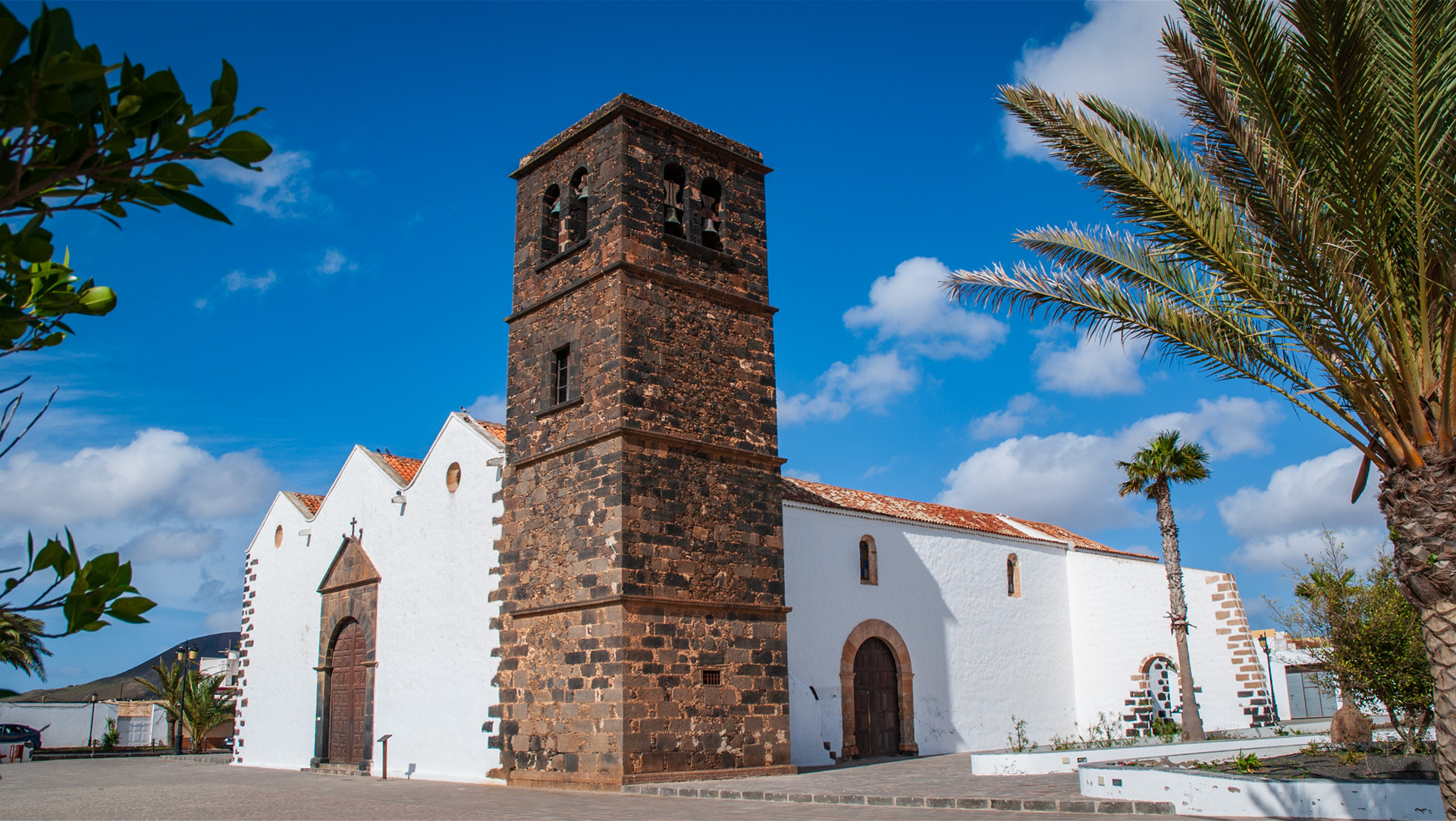
In the north of Fuerteventura lies the municipality of La Oliva, named after the olive trees that characterise the townscape. The former manor house Casa de los Coroneles, with its striking wooden balconies and numerous windows, is one of the most beautiful colonial buildings on the entire island – today open to visitors as a cultural centre.
Art lovers will find changing exhibitions by Canarian artists at the Casa Mané. The generous garden invites one to linger, and the three-nave Iglesia de Nuestra Señora de la Candelaria gives the place its distinctive character.
7. Isla de Lobos – The Island of Silence
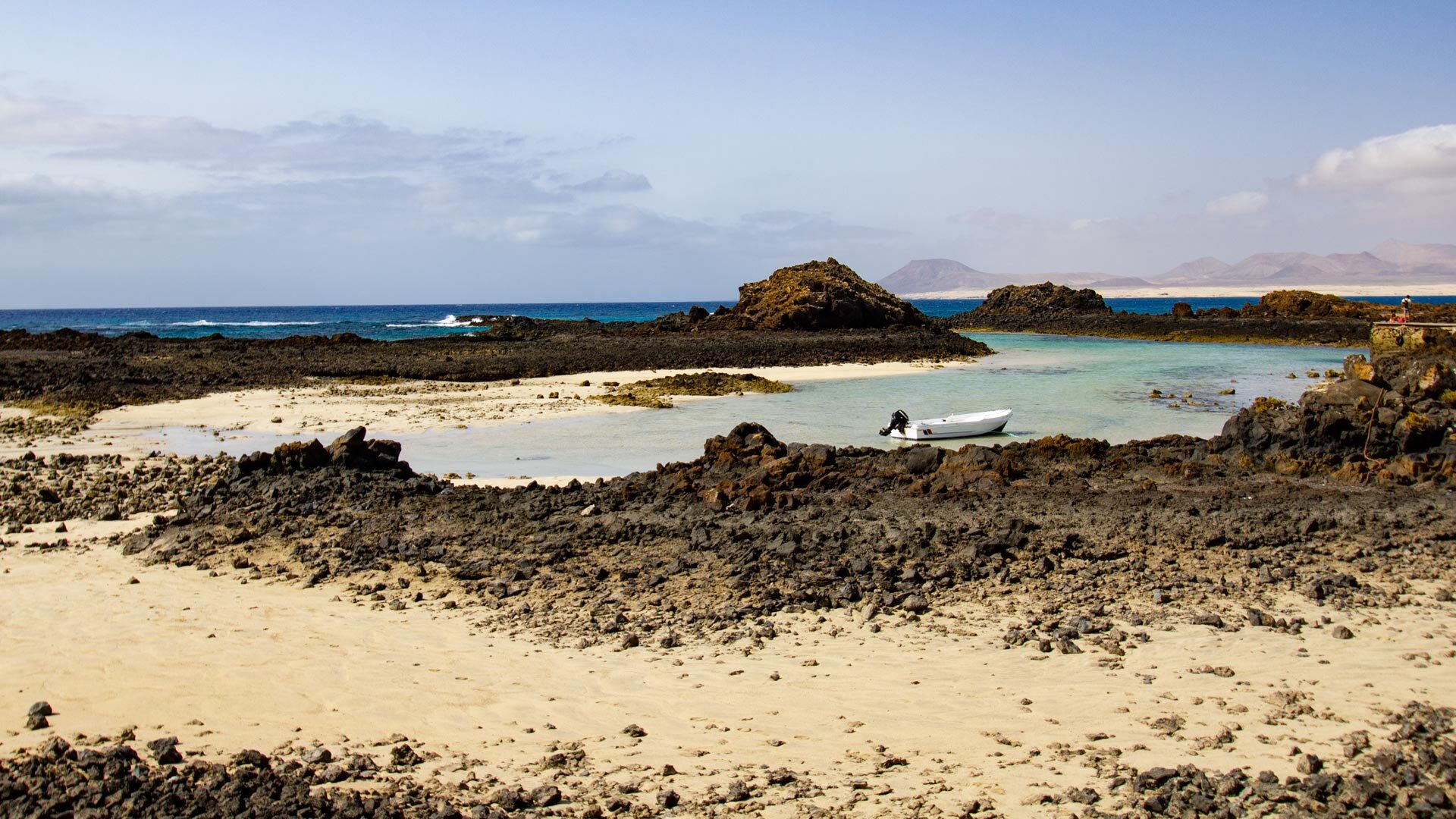
Just 15 minutes by ferry from Corralejo lies the Isla de Lobos – barely five square kilometres of nature park, volcanic rock and silence. Once, monk seals lived here, giving the island its name. Today it is birds, lizards and the occasional fisherman coming to their small holiday cottages.
The 14-kilometre circular walking trail passes the Faro de Martino lighthouse, crosses the Montaña Lobos crater cone and follows the Las Lagunas salt marshes. The cove of Playa las Conchas is a quiet retreat with fine sand – ideal for a picnic at the edge of the world.
Tickets (Return): from approx. €20 (adults), from approx. €10 (children), under 3 years free
8. Playa de Cofete – The Most Beautiful Secluded Beach on the Island
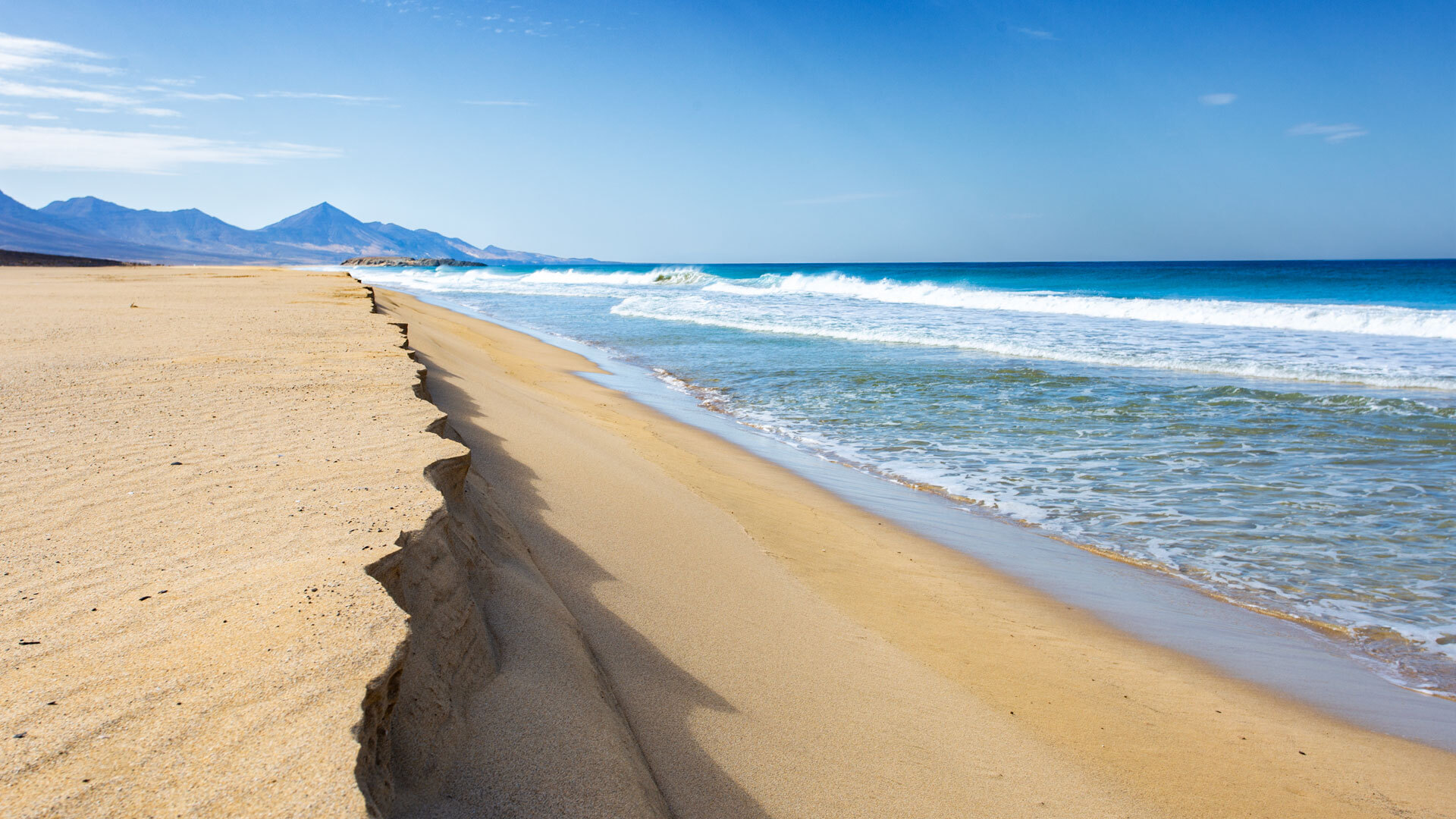
Eleven kilometres of white sand, the rugged mountains of the peninsula behind, the thundering Atlantic in front. Playa de Cofete is a beach that takes your breath away – and gives it straight back. There are no hotels here, no sun loungers, no mass tourism. Just the sea, the wind and the feeling of being utterly tiny.
Important: Swimming is life-threatening due to strong currents and surf, and has already claimed many lives. The beach is best enjoyed from the shore – or during a long walk at low tide.
Tip: Those who stay the night will experience one of the darkest and clearest night skies in Europe – absolute freedom from light pollution.
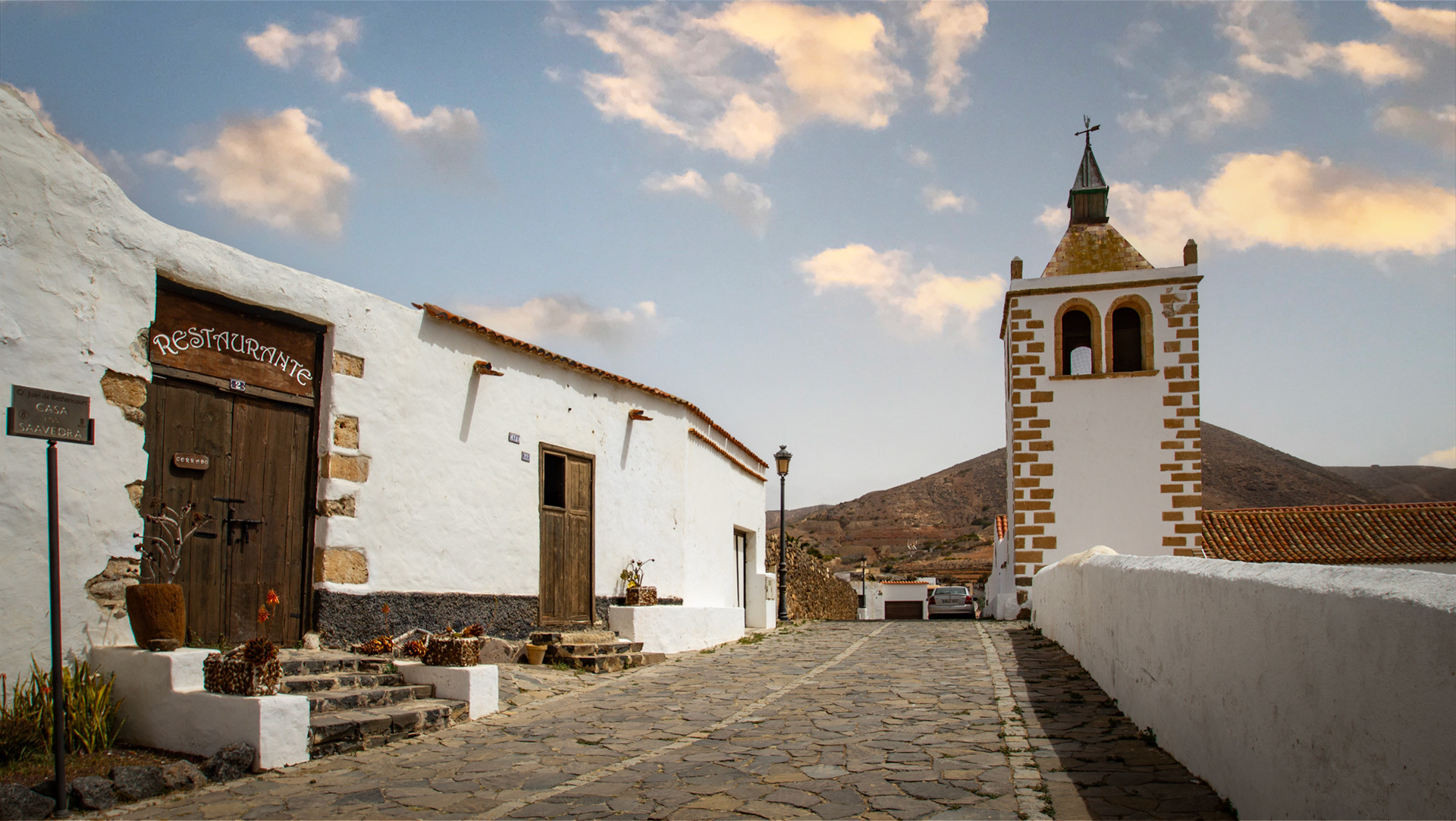
9. Betancuria – The Old Capital in the Heart of the Island
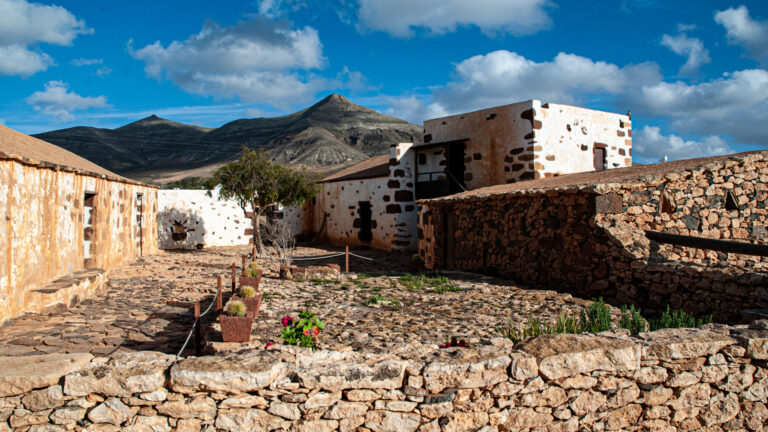
Until 1834, Betancuria was the capital of Fuerteventura. Today the small town has around 710 inhabitants and is listed as the island’s oldest settlement. Narrow alleyways, whitewashed houses, the scent of freshly brewed coffee from small restaurants – here, everything slows down.
The Iglesia de Santa María de Betancuria is a quiet jewel, while two museums tell the story of the island. The Mirador de Morro Velosa, designed by the artist César Manrique, offers a breathtaking view across the northern part of Fuerteventura.
Tip: Visit early in the morning or outside the high season – Betancuria is very popular with tourists.
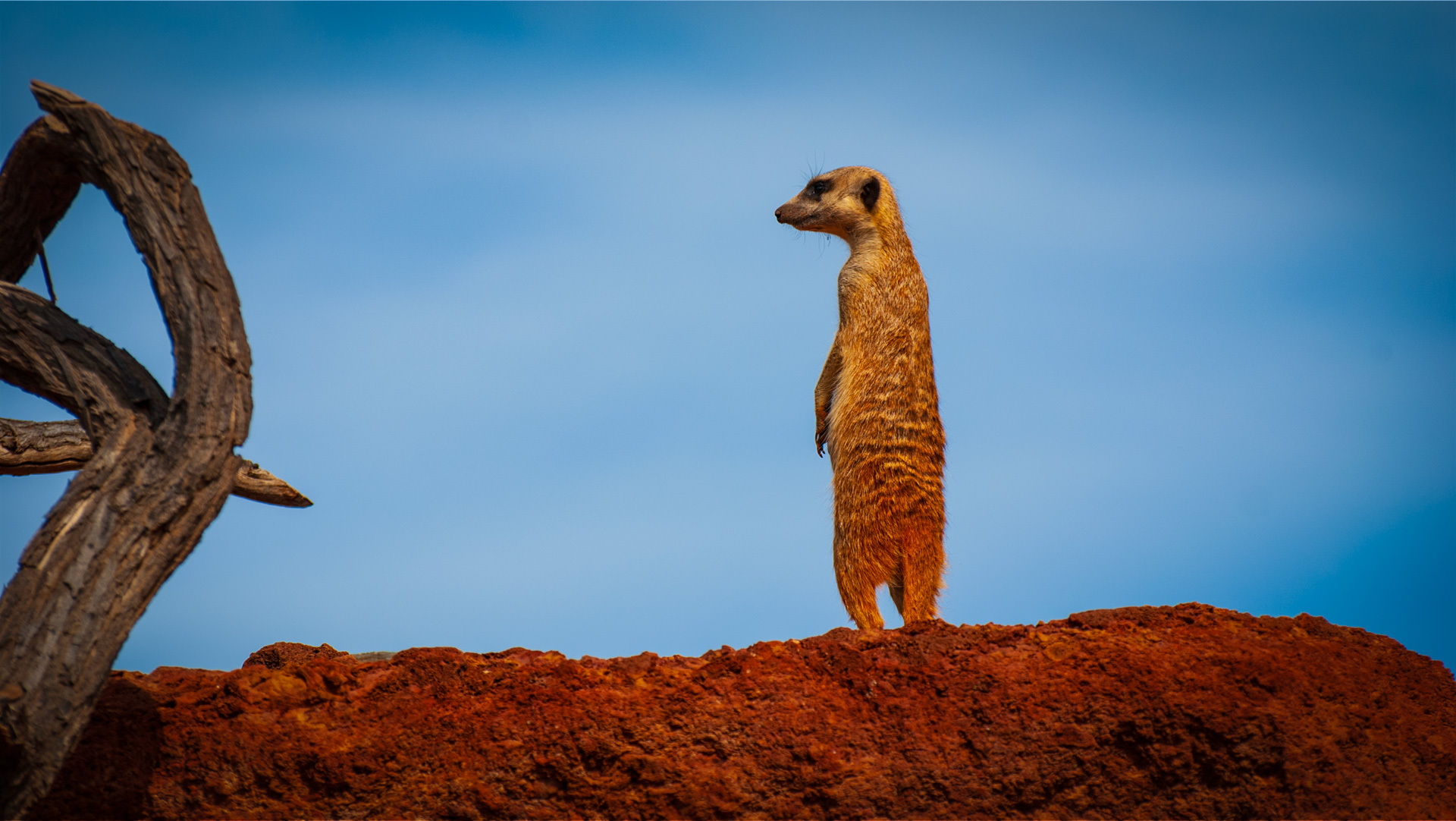
10. Oasis Park – Africa in the Middle of Fuerteventura
That the Canary Islands belong geologically to Africa becomes a particularly vivid experience during a visit to Oasis Park in the south of the island. Across roughly 800,000 square metres, more than 3,000 animals from 250 species make their home here – cheetahs, hippos, crocodiles, flamingos, lemurs.
A camel safari, animal shows featuring parrots and birds of prey, and close encounters with sea lions make Oasis Park one of the best day-trip destinations for families on Fuerteventura.
📍Address: Ctra. Gral. de Jandia, La Lajita | Admission: Adults €41.50, Children (4–11 yrs) €27.50, Seniors 60+ €38 | Opening hours: Tue–Sun, 9am–6pm
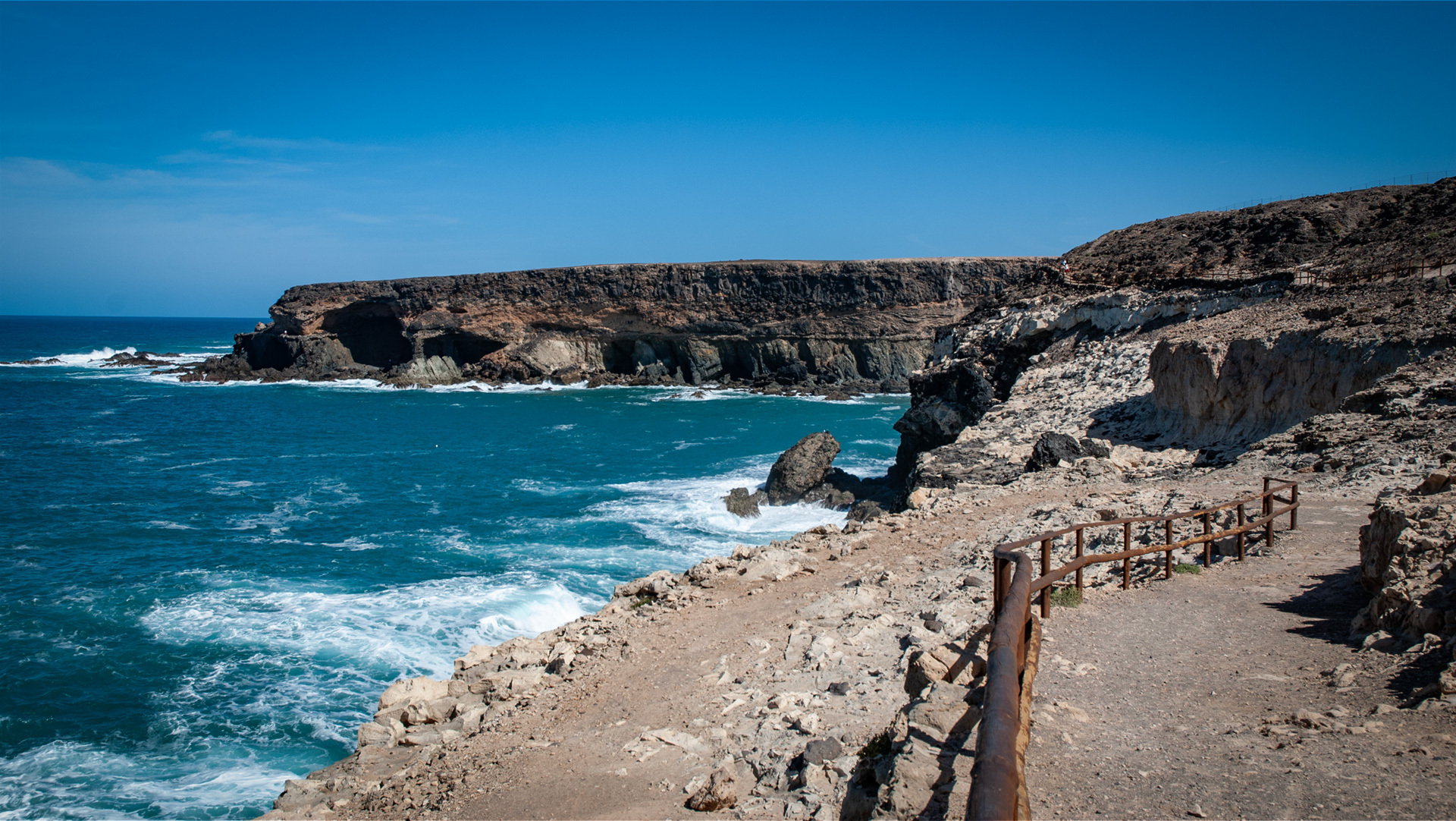
11. Cuevas de Ajuy – Pirate Caves at the Black Beach
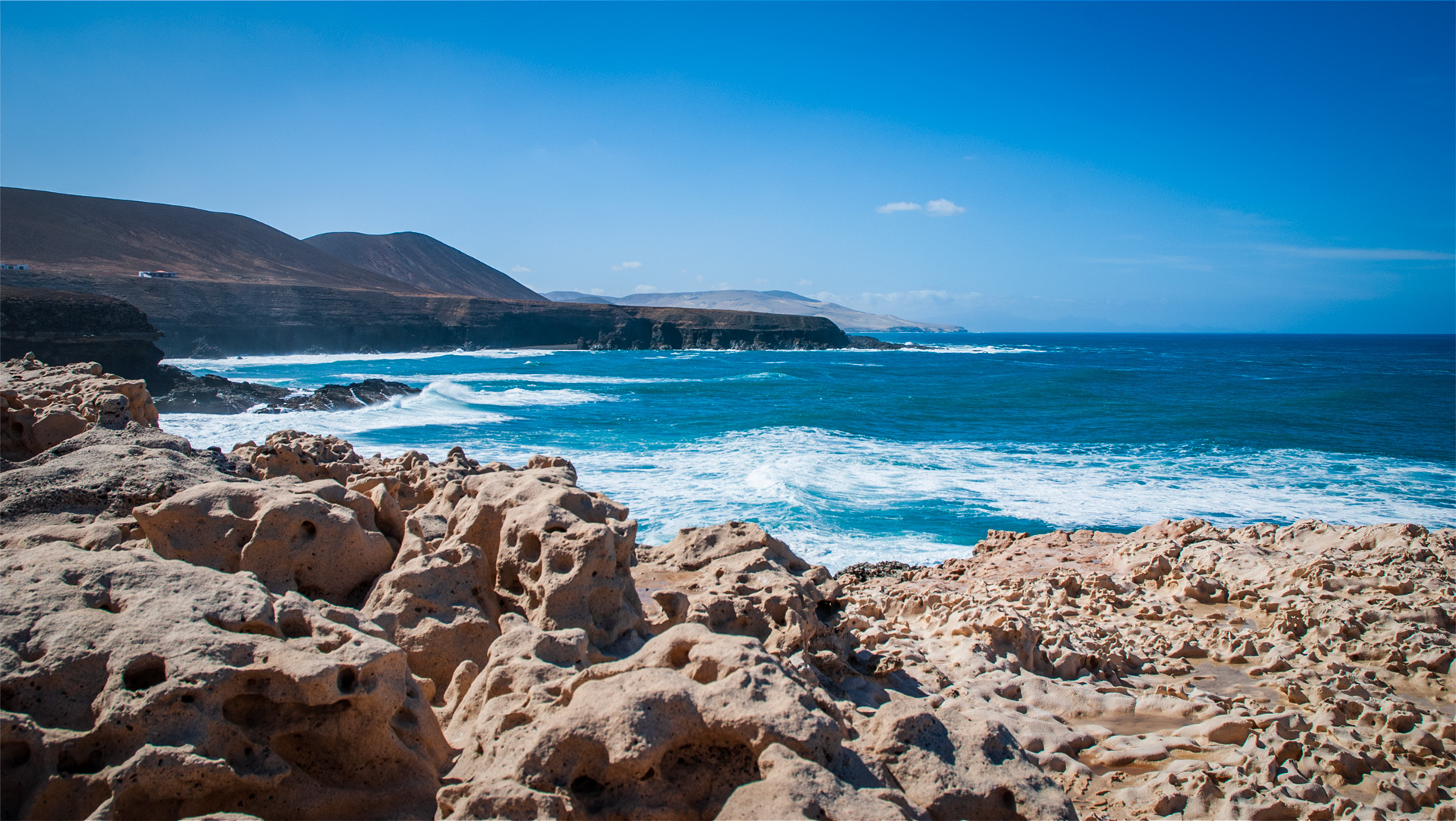
In the small fishing village of Ajuy on the west coast, near Betancuria, lie the Cuevas de Ajuy – naturally formed caves up to 600 metres deep, nestled in the black rocky cove of Caleta Negra. The interplay of dark lava beach and turquoise waves possesses a raw, unexpected beauty.
The caves were once hiding places for pirates – and the atmosphere on site still brings to life fantasies of adventures and hidden treasures. Entry is free, though sturdy footwear is essential.
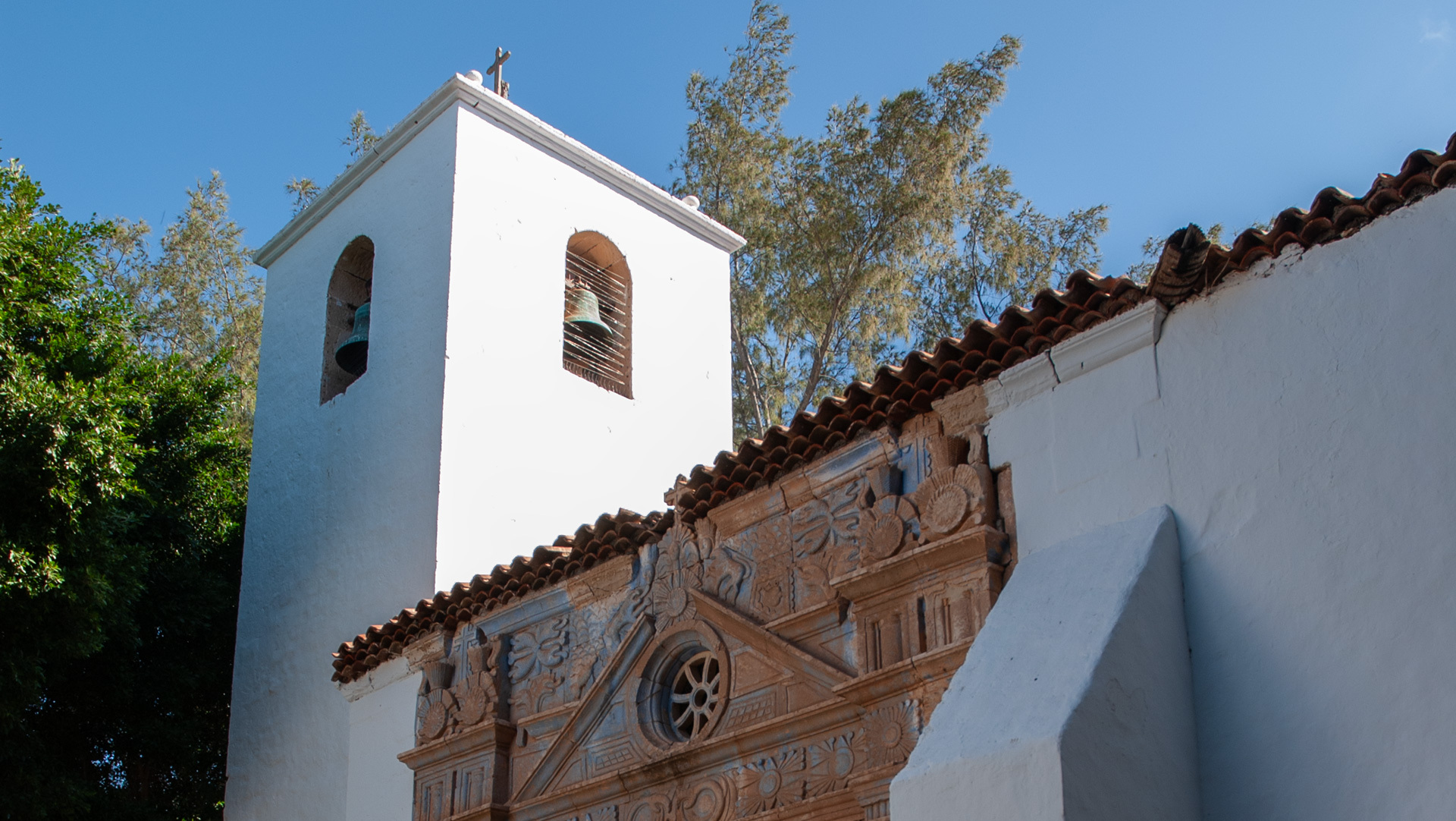
12. Pájara – The Church with Aztec Ornaments
Those who wander through the small municipality of Pájara almost casually discover one of the most fascinating structures on the entire island. The Iglesia de Nuestra Señora de Regla has a stone portal adorned with Aztec ornaments – an art-historical riddle in the midst of Fuerteventura’s mountains.
Inside, a golden Baroque altar awaits, and the patron saint Virgen de Regla is also venerated in Cuba. The lively plaza in front, the water wheel, the modern town hall – Pájara is a place that unfolds as you explore it on foot.
13. Costa Calma – The Relaxed South
Those who want to experience Fuerteventura in its pleasurable, sun-warmed form will be right at home in Costa Calma. The wide, well-kept sandy beach, the calm atmosphere despite several hotel complexes, a handful of good restaurants and cafés – you arrive here, and stay.
For those who want something more active: Costa Calma is regarded as an ideal starting point for windsurfing and kitesurfing. The local surf schools gently ease beginners onto the waves.
Fuerteventura: More Than Sand and Sun
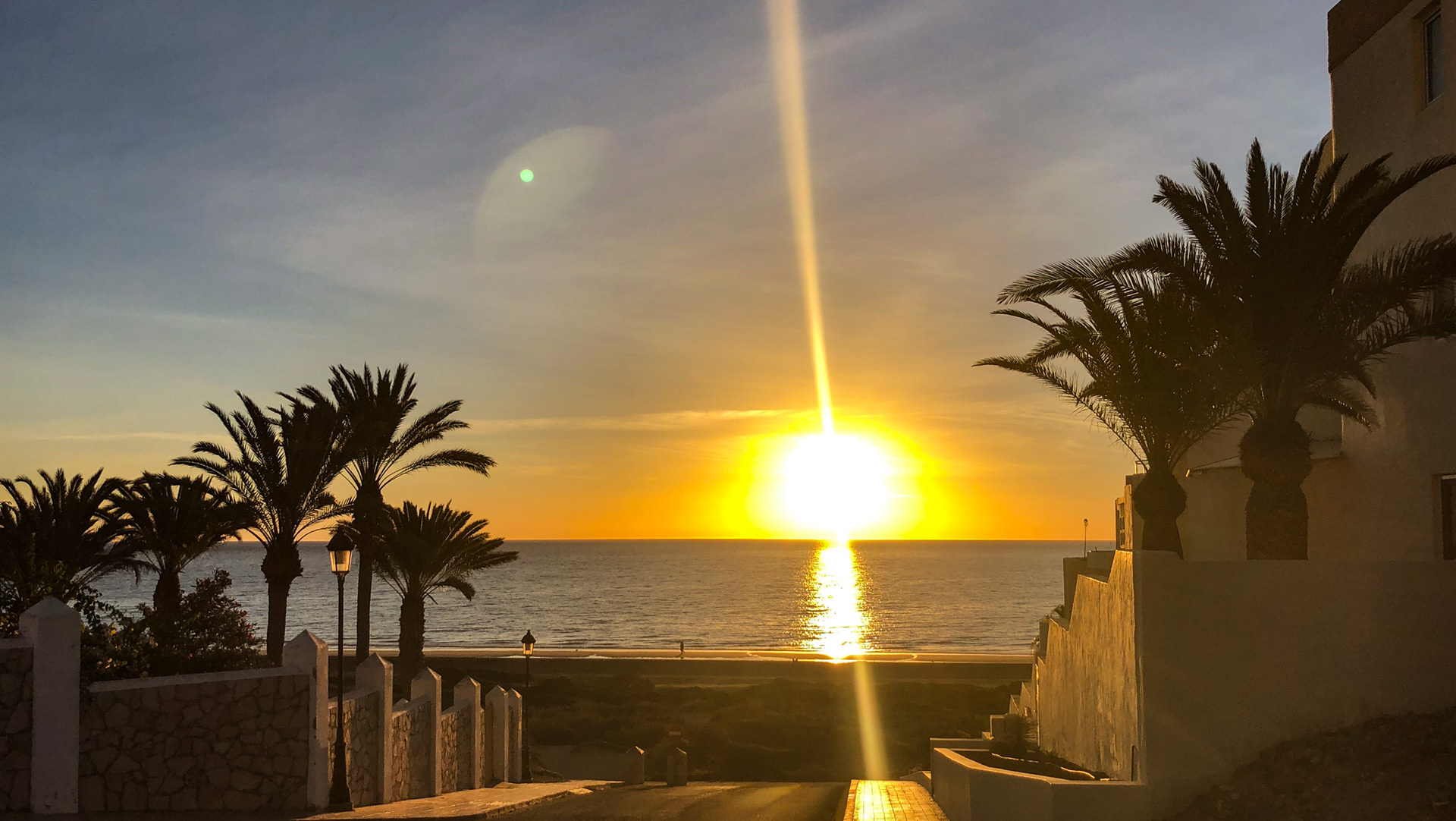
Fuerteventura is an island of two faces. One shows beaches, the sound of waves and a sense of ease. The other tells of volcanic landscapes, colonial history, mysterious villas and a nature that has remained unspoilt.
Those who embrace both faces return with memories that last longer than a sunburn.