Dream Beaches of Fuerteventura: Swimming, Surfing and Unforgettable Coves
There are places in this world that need no words to describe them – you simply have to feel them. Fuerteventura is one such place. The second-largest of the Canary Islands welcomes every visitor with the promise of endless sky, deep-blue Atlantic waters and the finest sand, which feels as soft underfoot as freshly sifted flour. Anyone who has once experienced the dream beaches of Fuerteventura understands immediately why this island has been one of Europe’s most popular holiday destinations for decades.
Around 80 beaches and coves are spread along the island’s coastline – some well-developed and lively, others so remote that you might think you were the first person ever to set foot on that sand. The variety is the true wonder of Fuerteventura.
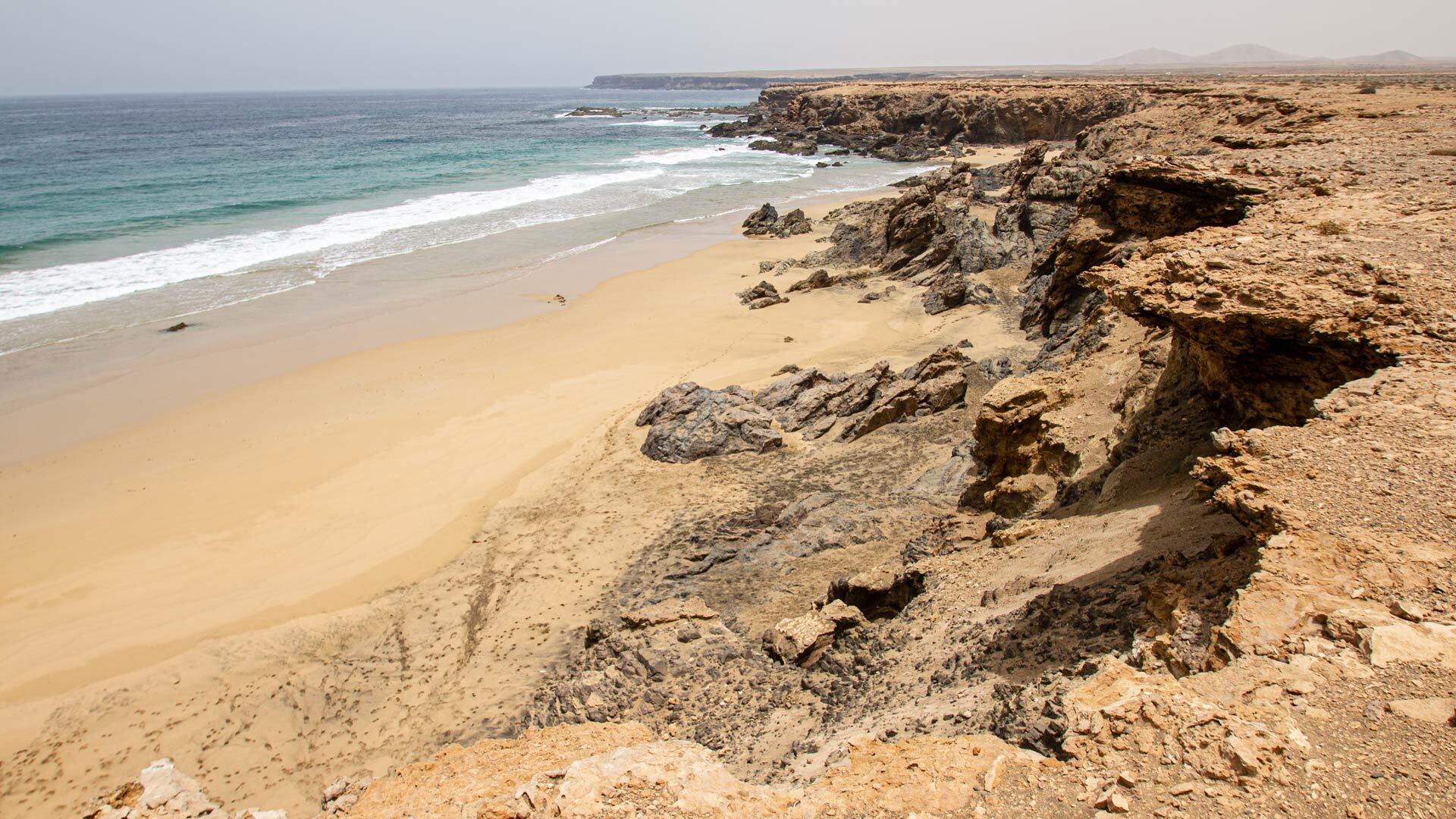
A Beach Variety That Leaves No Wish Unfulfilled
You don’t need to be a passionate surfer to be captivated by Fuerteventura. And you don’t need to be a nature romantic to have the breath taken from you by the quiet coves of this island. Fuerteventura’s beaches appeal to almost everyone: the family with children looking for safe, shallow water; the water sports enthusiast waiting for strong winds and high waves; the naturist seeking solitude and nature; the beachgoer looking out for a cool drink and good music.
The constant, powerful trade wind that sweeps across the island is far more than a mere meteorological phenomenon. It is the very heart of the Fuerteventura experience – the reason the island is considered one of Europe’s finest surfing destinations, and the conductor that transforms the sound of the waves into a hypnotic, endless song.
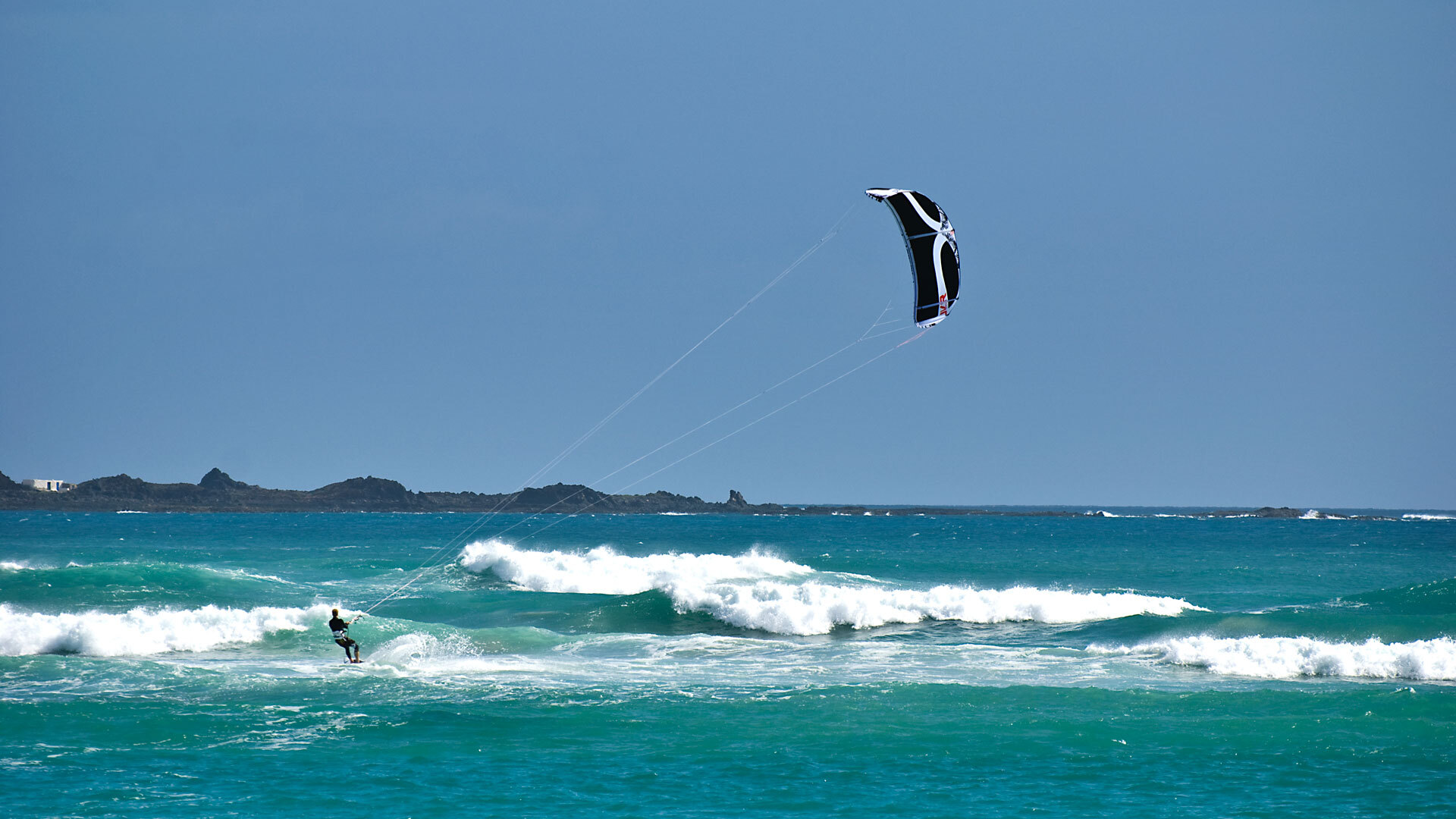
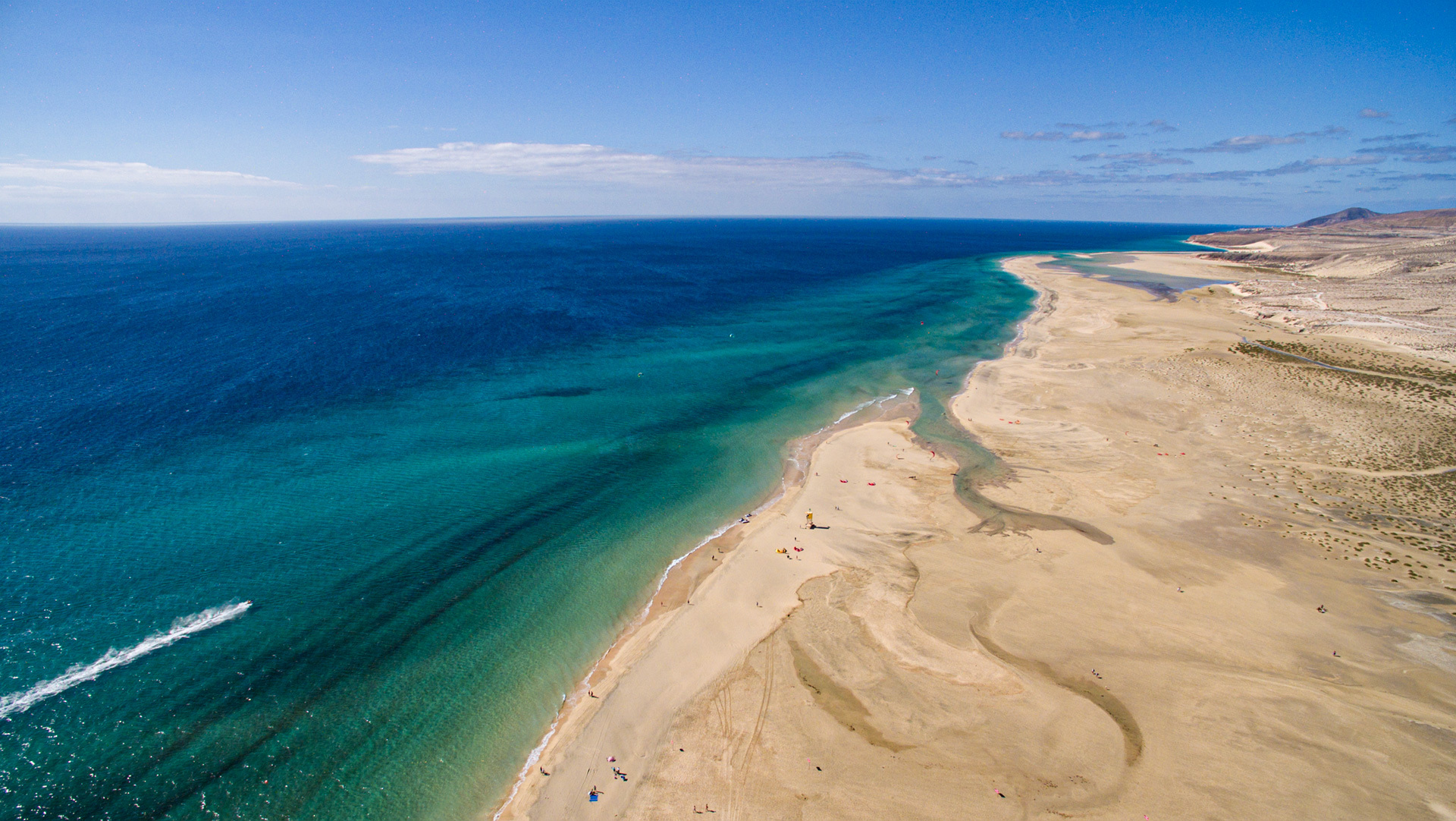
Playas de Sotavento – Stage for World-Class Surfers
Along the south-eastern coast of the Jandía Peninsula stretches one of the most spectacular coastal landscapes of the Canary Islands: the Playas de Sotavento. These beaches extend for five kilometres, glowing in gold and turquoise in the afternoon light. Depending on wind direction and tide, the water here shifts its colour from deep ocean blue to an almost unreal emerald green.
It is little wonder that the Surf World Cup is regularly held on the beaches of Sotavento. The shallow lagoons behind the sandbanks are ideal for kitesurfers and windsurfers from all over the world. But even those who simply wish to watch the colourful kites and sails dancing above the water will find it more than worthwhile. It is a spectacle that burns itself deep into the memory.
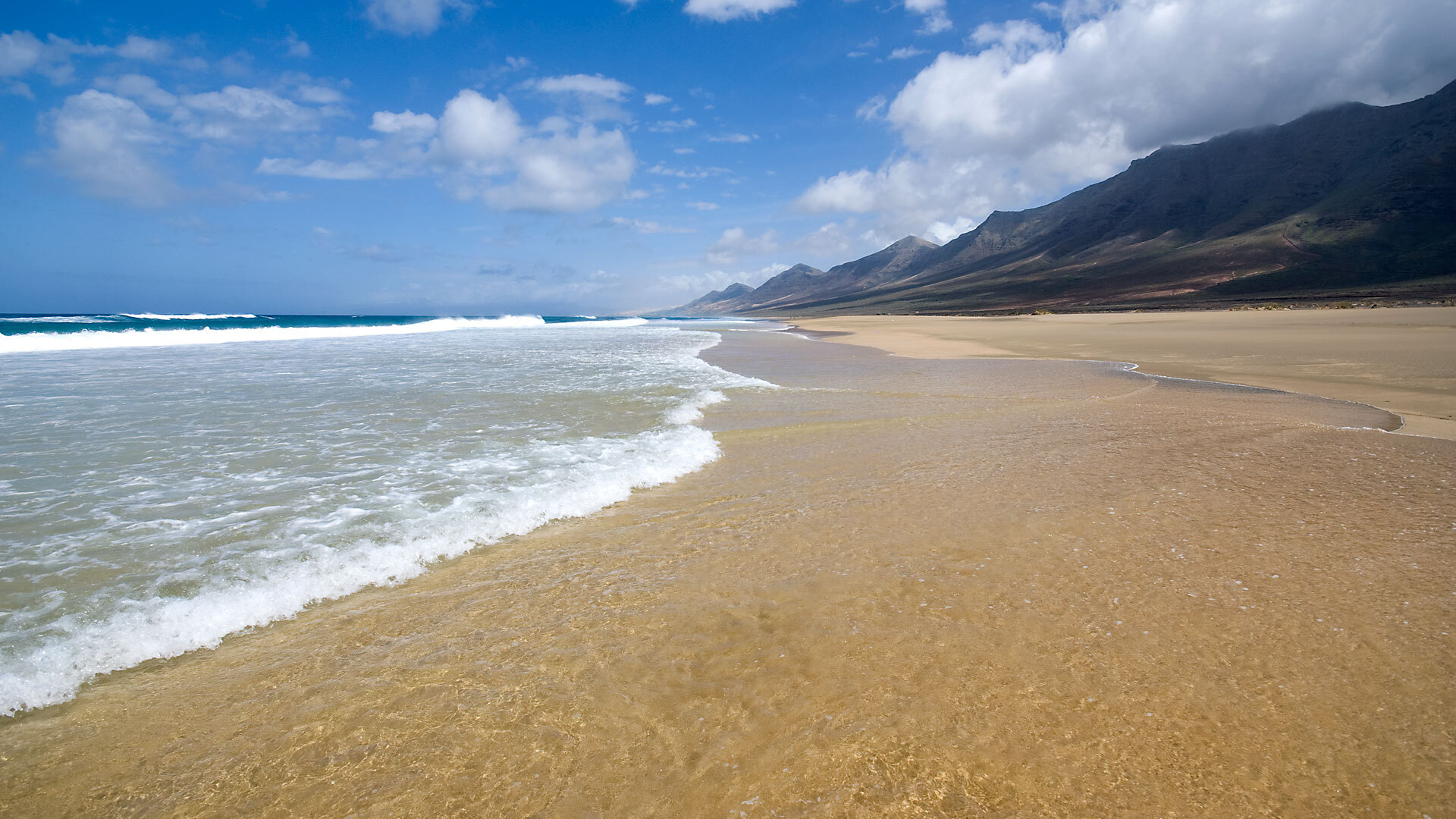
Playa Cofete – the Beach at the End of the World
When speaking of Fuerteventura’s most beautiful beaches, one name inevitably comes up: Playa Cofete. This kilometre-long beach at the southernmost tip of the island on the Jandía Peninsula is difficult to reach – and that is precisely its greatest gift. Only those who take on the bumpy gravel track or boldly drive a hire car through the barren highland will ultimately be rewarded with a sight that is simply breathtaking.
Mountain slopes of up to 800 metres plunge almost vertically into the sea here, the golden sand stretches in both directions to the horizon, and the roar of the surf is the only sound for miles around. Playa Cofete is not a bathing beach – the currents are strong and unpredictable – but it is a place where you learn to understand what it truly means to feel small. A natural experience in Fuerteventura in its purest form.
Flag Beach – Where Surfers and Dunes Meet
Further north on the island, where the golden sand dunes of Corralejo Natural Park gently merge with the Atlantic, lies Flag Beach. The name says it all: colourful kitesurf and windsurfer flags flutter here in the constant wind like the banners of a small town built on passion and joie de vivre.
Flag Beach Fuerteventura is one of the most popular surf spots in the Canary Islands. Surfing, sailing, swimming – everything is possible here, and the infrastructure with surf schools, rental stations and beach restaurants makes it the ideal starting point for beginners in surfing as well as experienced wave riders. The immediate proximity to the dunes of Corralejo Natural Park lends the beach a magical backdrop that is hard to find anywhere else.
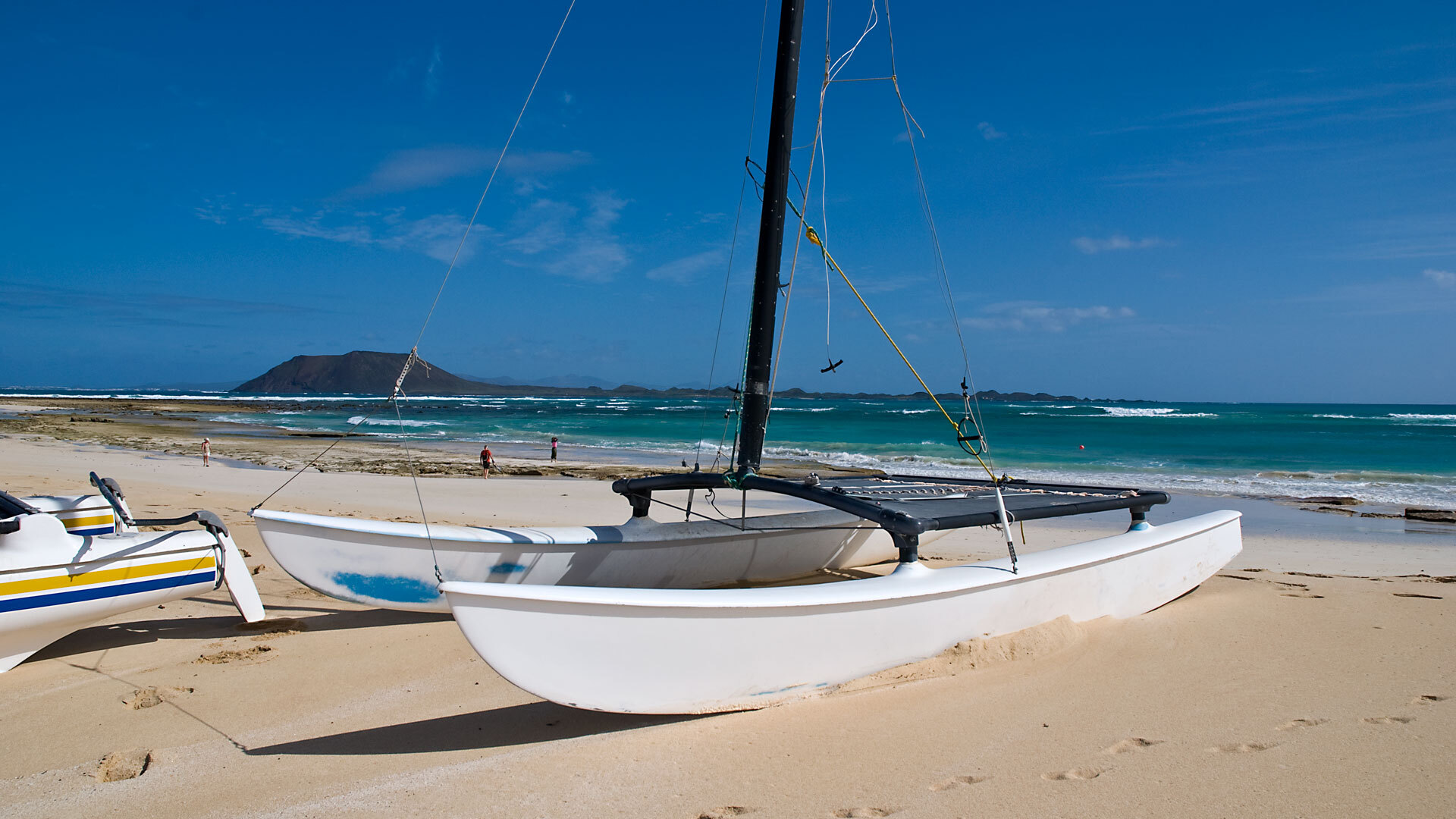
Beaches near Corralejo – Dunes, Sand and Atlantic Blue
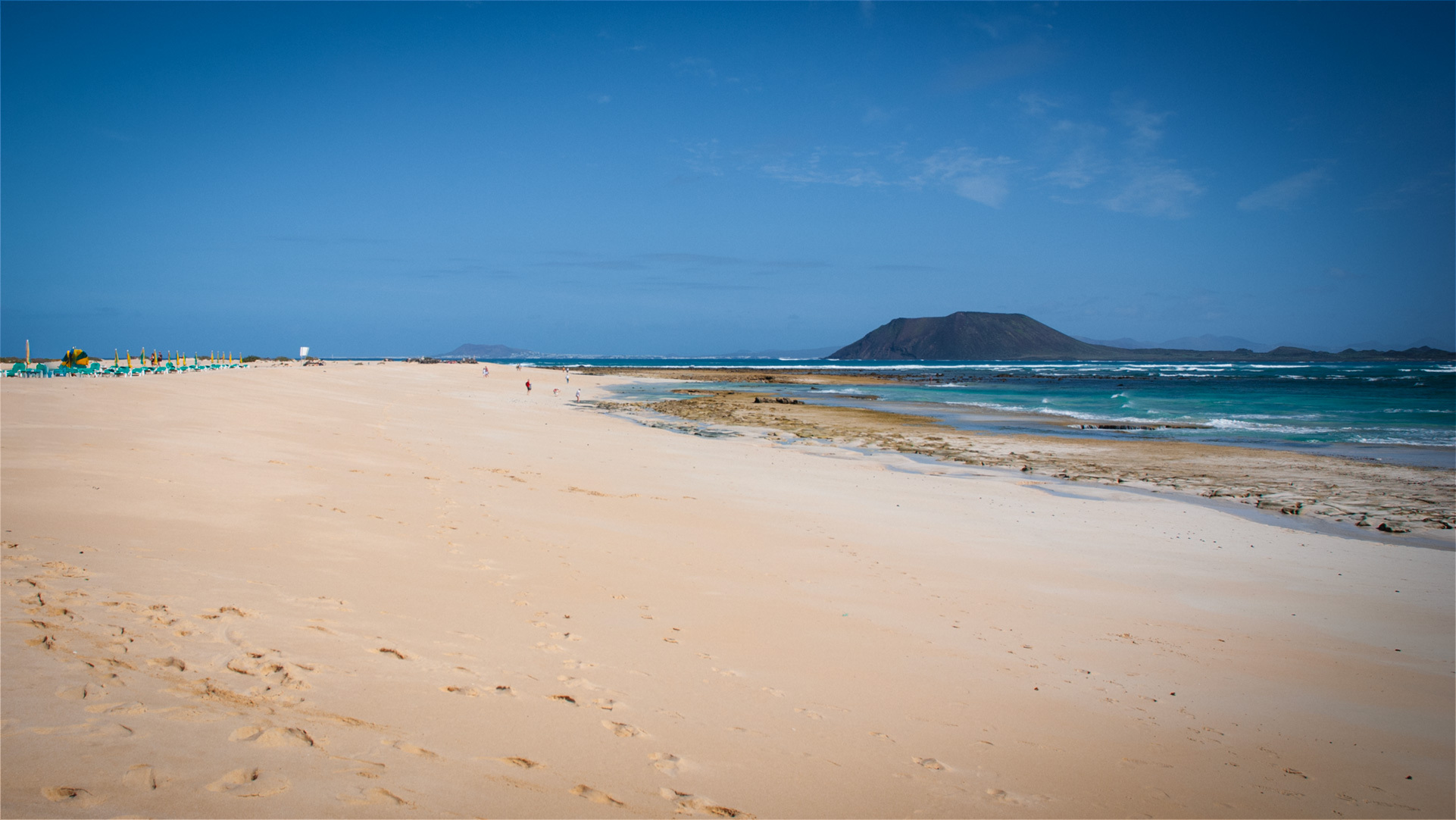
The great beaches of Corralejo in the north of Fuerteventura are a classic among the beaches of the Canary Islands. Kilometres of sandy shores flanked by impressive sand dunes that shift in the wind into ever-changing shapes – this is the image that stays with you.
Corralejo itself is a lively tourist town with restaurants, bars and a colourful market scene. But as soon as you leave the town behind and enter the dune landscape of the Natural Park, the noise fades like a distant echo. Anyone looking for a beach holiday in Fuerteventura in its classic form will find it here.
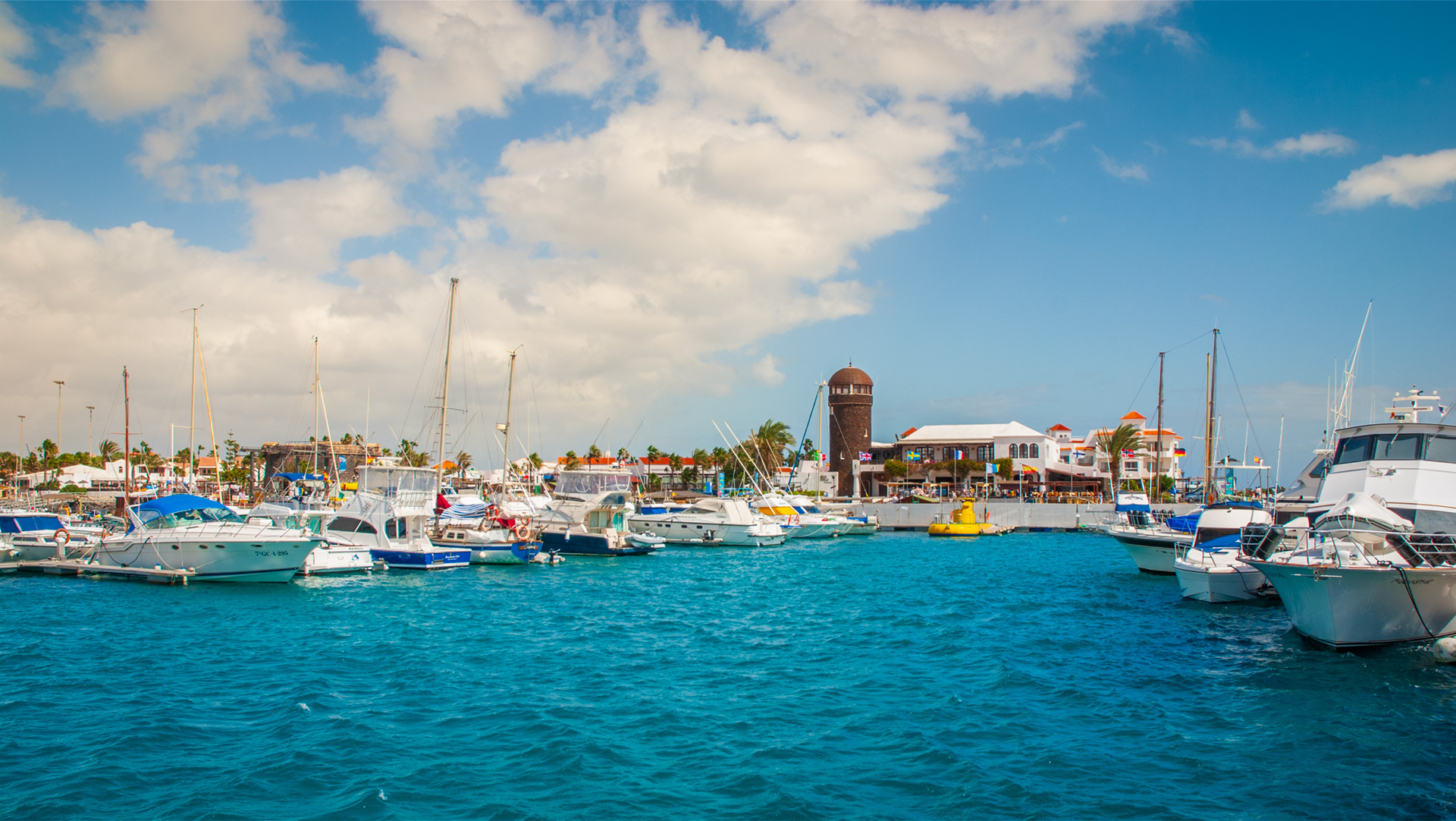
Caleta de Fustes – the Family-Friendly Coastal Resort
On the east coast of Fuerteventura lies Caleta de Fustes, a well-developed family beach area that offers above all calmer waters and a sheltered setting. The beaches here are wide, the sand fine and pale, and the sea shows its gentlest side on most days.
For families with children, Caleta de Fustes is one of the best options on the island. Restaurants, shops and water sports facilities are within immediate beach proximity. Snorkelling in Fuerteventura is particularly beginner-friendly here.
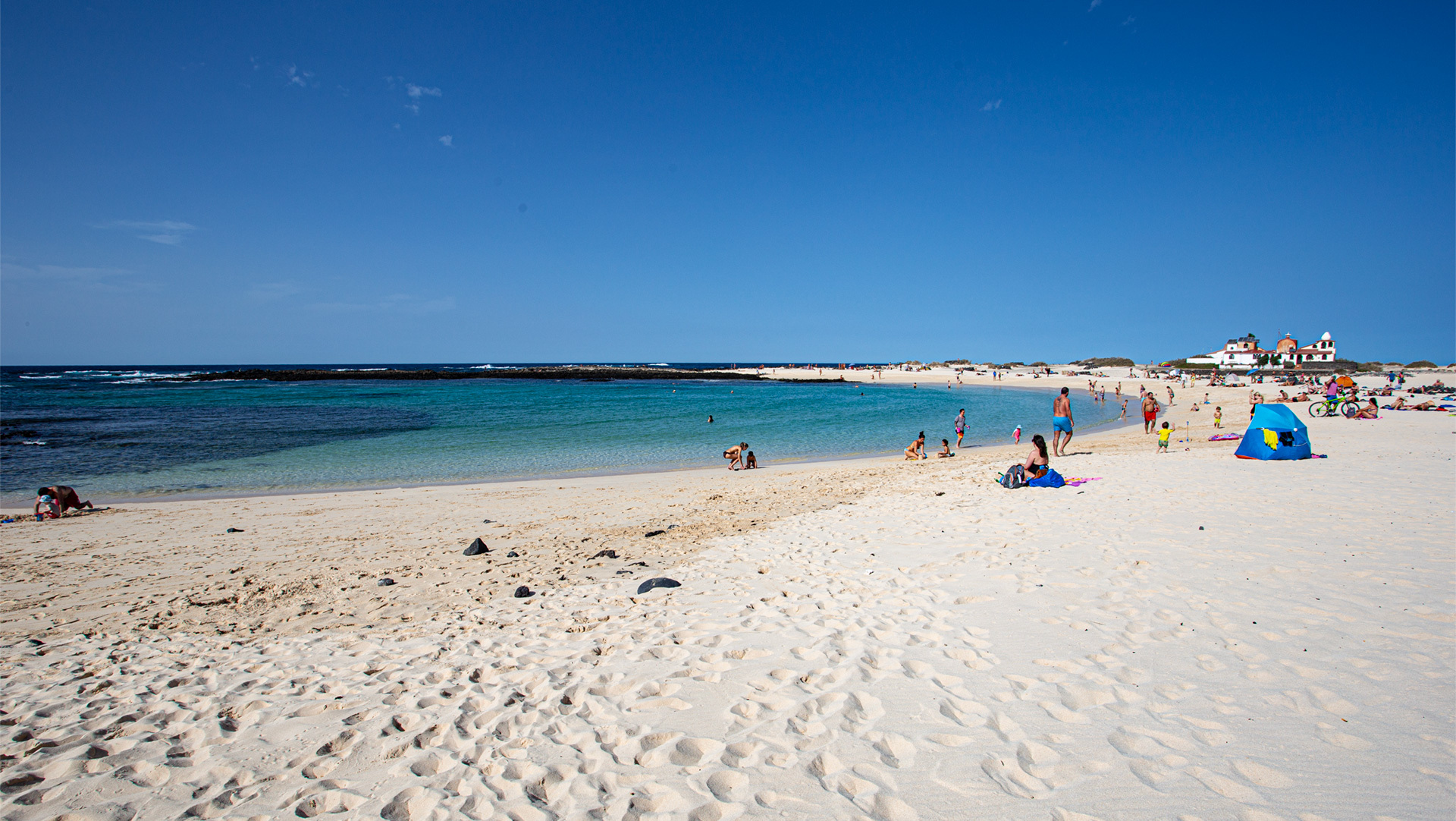
Playa de La Concha near El Cotillo – the Hidden Lagoon
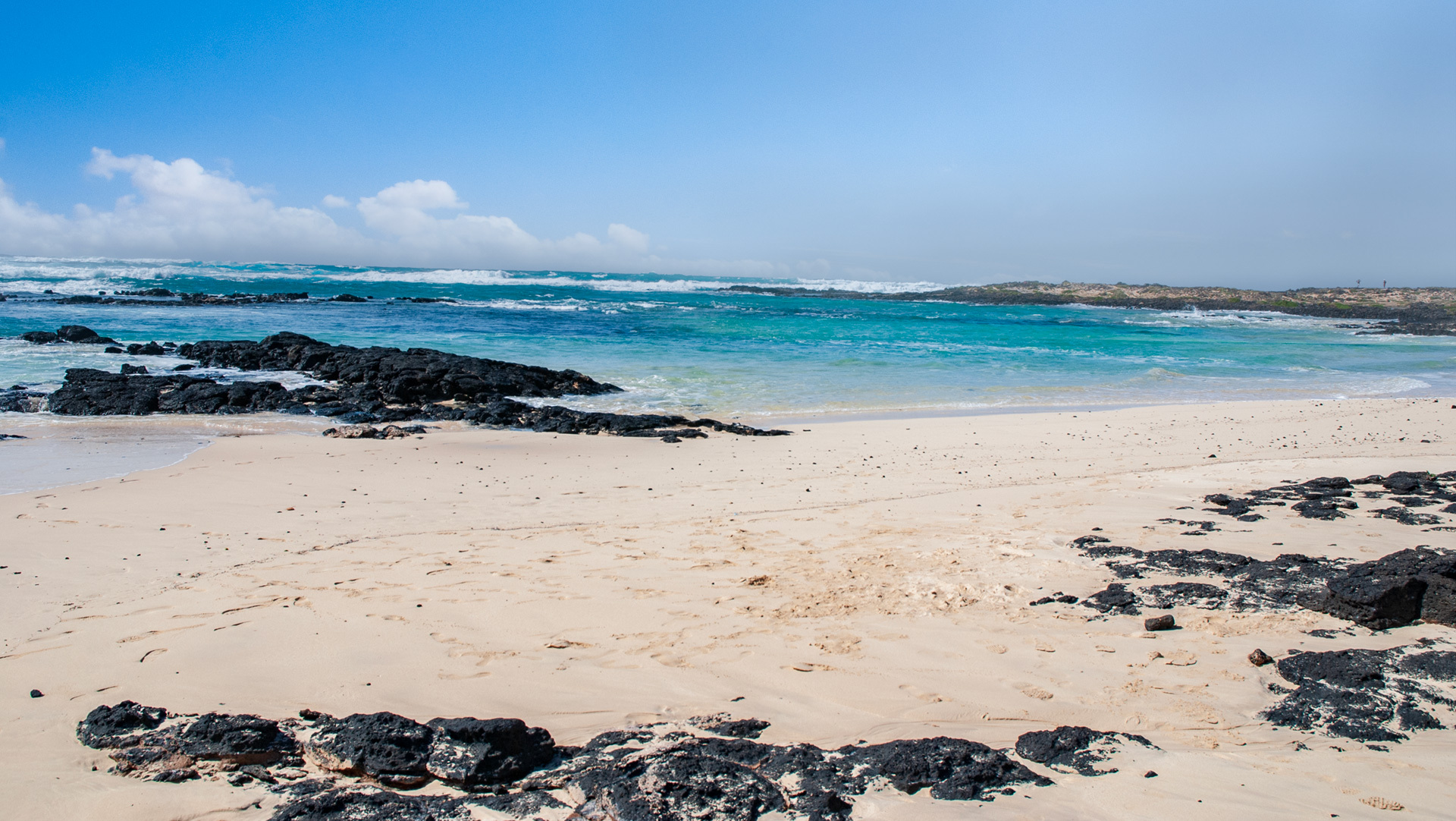
Those seeking seclusion yet still a family-safe body of water will find it at El Cotillo in the north-west of Fuerteventura. Playa de La Concha is a natural lagoon, shaped by solidified lava formations that tame the sea and create a shallow, turquoise pool.
On quiet mornings in particular, a stillness settles over the water here that feels almost meditative. The light refracts in the shallow waves, and children splash carefree in the warm, clear water. Playa de La Concha El Cotillo is one of the island’s insider tips – for now, as word is spreading.
Playas de Caletillas – Lagoons of Solidified Lava
A little to the north of El Cotillo, along the north-west coast of Fuerteventura, extends a coastal landscape that impresses geologically and aesthetically in equal measure: the Playas de Caletillas. Solidified lava flows have formed natural lagoons here that glow on calm days in a shade of blue that leaves even experienced photographers speechless.
The offshore reefs and the clear visibility make the Playas de Caletillas a sought-after spot for snorkelling and diving in Fuerteventura. Beneath the water’s surface, a fascinating underwater world reveals itself, with colourful fish, moray eels and the occasional sea turtle – a quiet counterpoint to the world above the waterline.
Playa de Los Muertos – Black Sand and Dark History
On the west coast of Fuerteventura, near the small fishing village of Ajuy, lies one of the island’s most unusual beaches: Playa de Los Muertos, the ‘Beach of the Dead’. The name carries the weight of history: in earlier centuries, this coast was a frequent scene of bloody pirate raids, and many a sailor met his end here.
Today it is the beauty of the place that casts its spell. The black volcanic sand stands in fascinating contrast to the turquoise water, and the rugged cliffs surrounding the beach lend the scene something dramatic, almost cinematic. A beach for people who understand a beach holiday as an experience – not merely as relaxation.
Playas de La Pared – Surfers’ Paradise on the Cliff Coast
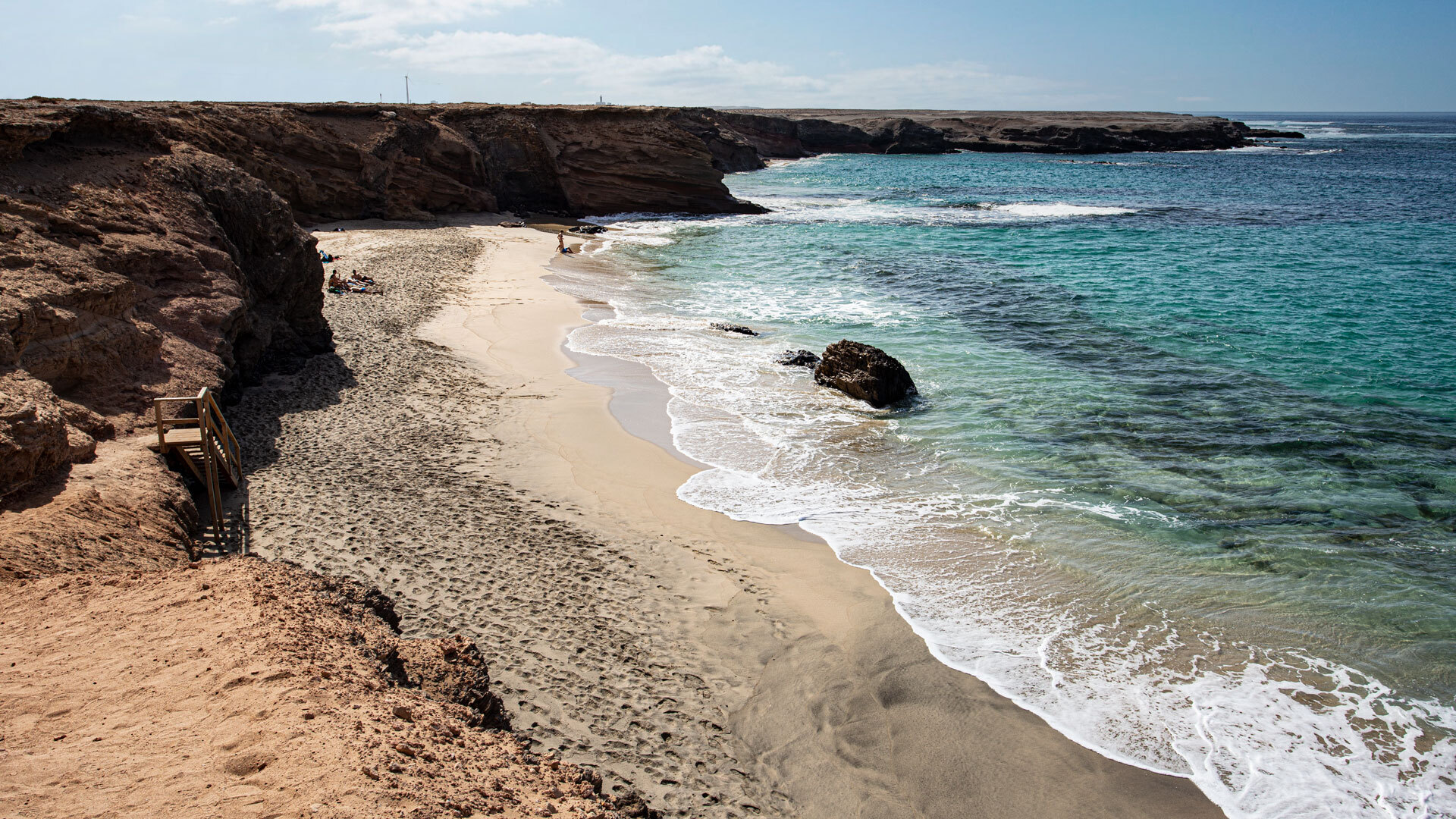
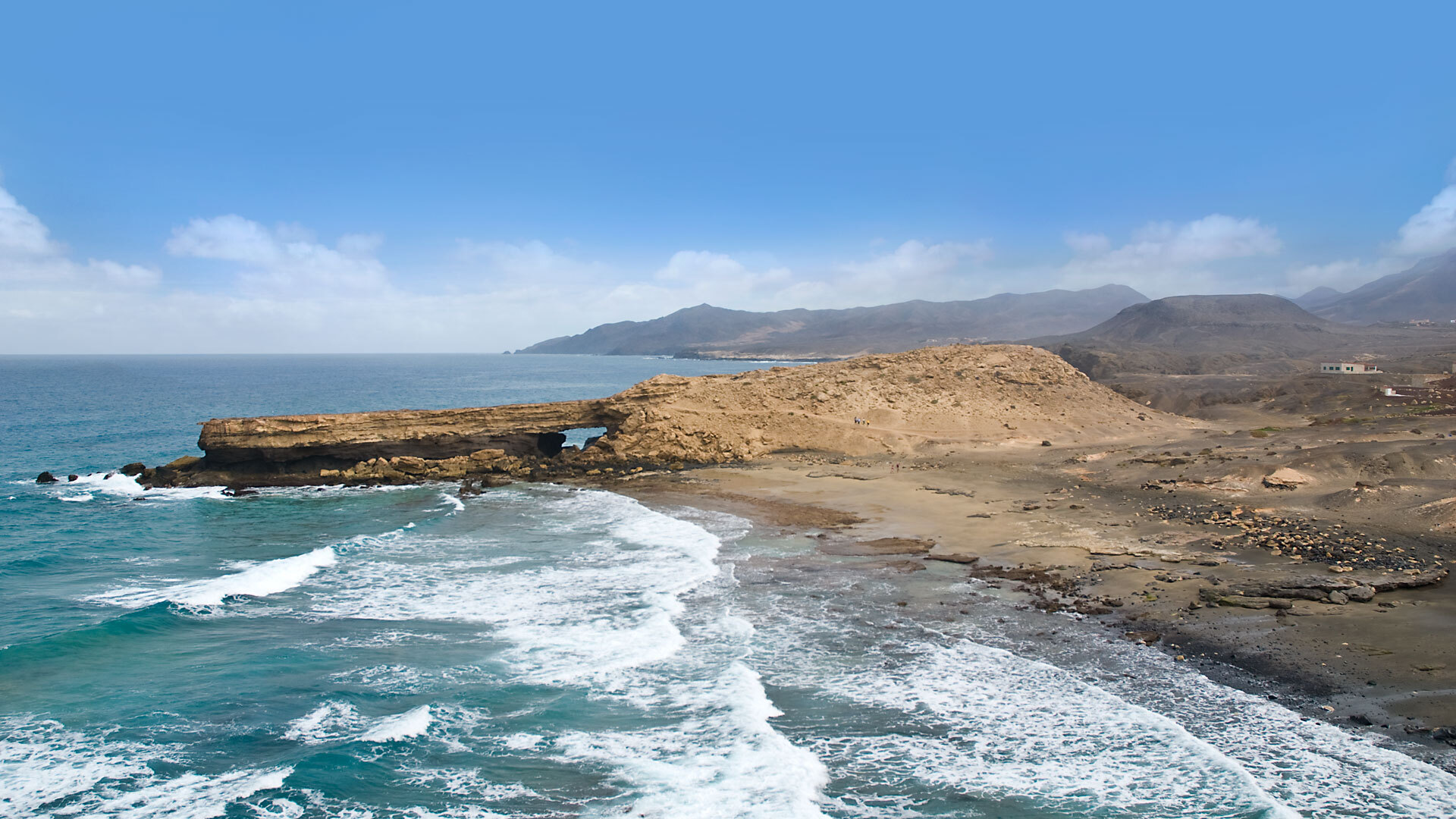
On the southern west coast of Fuerteventura lie the Playas de La Pared – two beaches reached by descending steps to the rocky cliffs. The stronger Atlantic surf on the west coast makes these beaches a coveted stretch for experienced surfers and bodyboarders.
The beaches lie picturesquely at the foot of rugged rocky cliffs that glow in shades of red and ochre in the evening light. This is not a beach for a relaxed family outing – but it is a beach that never lets you go once you have seen it. Raw, wild and possessed of a beauty that needs no words.
Playa Pozo Negro – Quiet on the East Coast
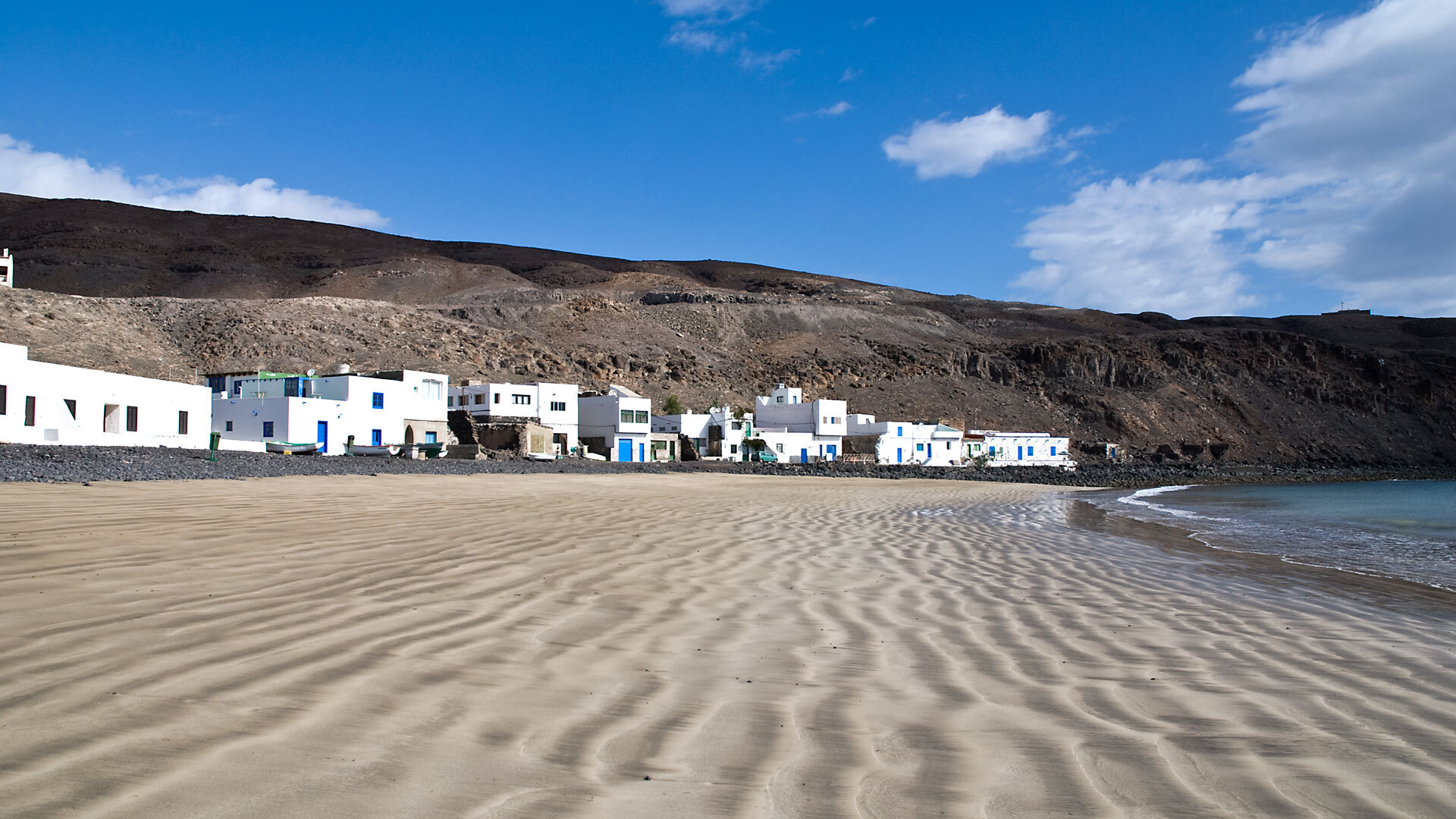
Those wishing to escape the hustle and bustle of the large tourist resorts will find a quiet refuge in the secluded bay of Playa Pozo Negro on the east coast. The small fishing village that lends the beach its name has preserved its original character. Colourful fishing boats, simple restaurants with the fresh catch of the day and a tranquillity that one has almost forgotten in today’s world.
The bay of Pozo Negro is not spectacular in the sense of picture-postcard motifs – it is spectacular in the sense of genuine, unaffected Fuerteventura atmosphere. Those who sit here, at a simple wooden table with a glass of wine and a view of the sea, understand why some people say that Fuerteventura is not to be found in the resorts, but precisely there.
Playa del Valle – a Quiet Outsider
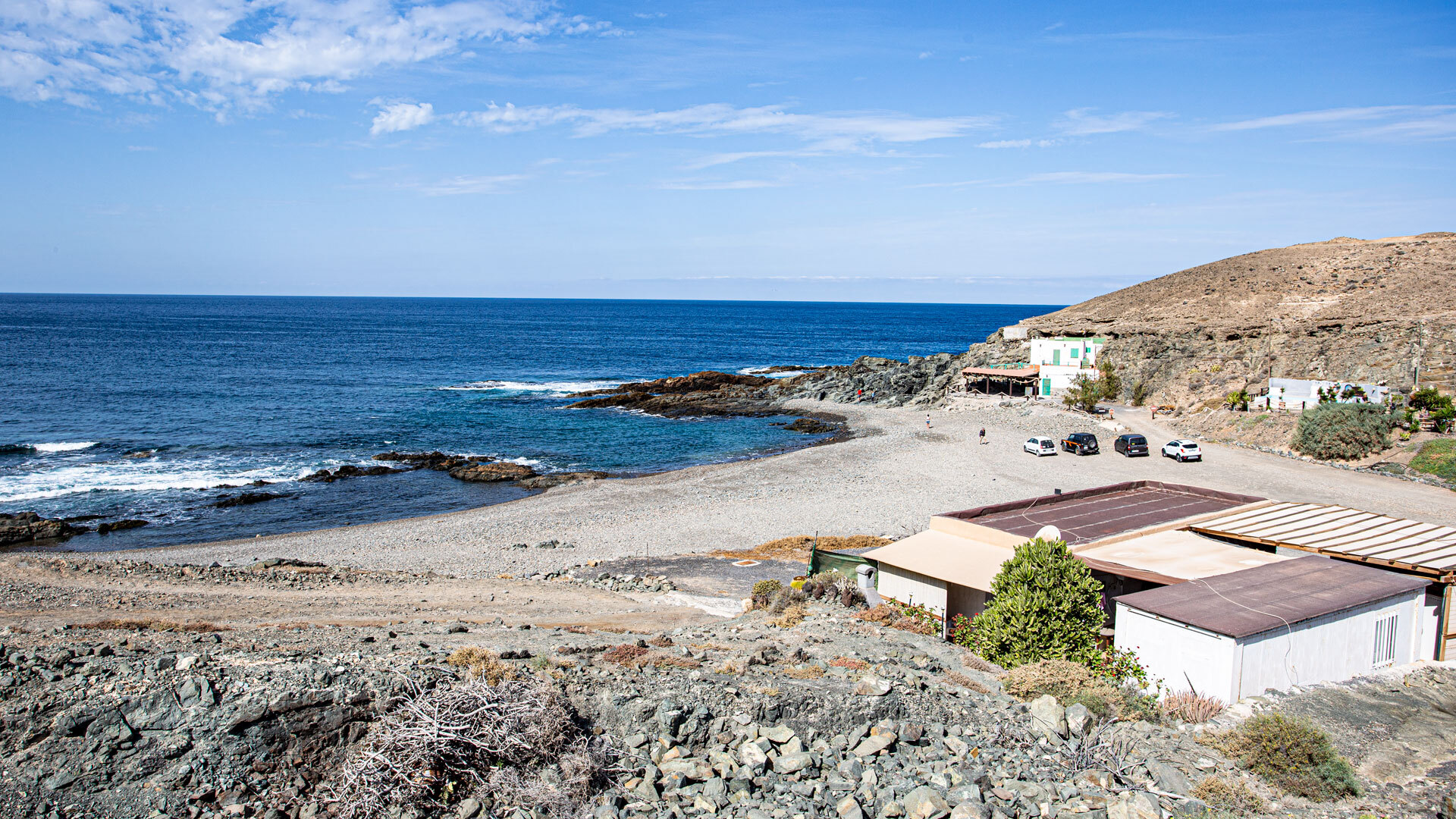
Playa del Valle also belongs to those beaches on Fuerteventura that few people know and many love the moment they visit. The peaceful setting, the dark sand and the largely unspoilt surroundings appeal particularly to travellers who wish to escape the island’s mass tourism.
In the stillness of Playa del Valle, Fuerteventura reveals its most original side: an island that existed long before the first tourist arrived and has preserved its dignity.
Conclusion: Fuerteventura – an Island That Fulfils Every Beach Wish
You could spend weeks visiting a different beach on Fuerteventura every day and never come close to reaching the end of this list. Around 80 coves and beach sections form an offering that holds the right thing for almost every type of traveller. The nature lover finds their solitude in Cofete. The surfer finds their waves at Flag Beach and on the Playas de Sotavento. The family finds their safe cove in Caleta de Fustes and El Cotillo. The explorer finds their history in Pozo Negro and Ajuy.
Fuerteventura is not an island of grand gestures. It whispers. And those who listen carefully hear the sound of the Atlantic – and never want to be anywhere else.