Villa Winter on Fuerteventura – The Mysterious Estate of Cofete
Anyone who has ever travelled around Fuerteventura and believes they know the island thoroughly has not yet seen Villa Winter. Hidden on the wild southern peninsula of Jandía, far from tourist centres and tarmacked roads, a building awaits its visitors that raises more questions than it can answer. Even 39 years after the death of its builder Gustav Winter, the villa still casts its spell over curious visitors, researchers and adventurers alike.
The Road to Villa Winter – An Adventure in Itself
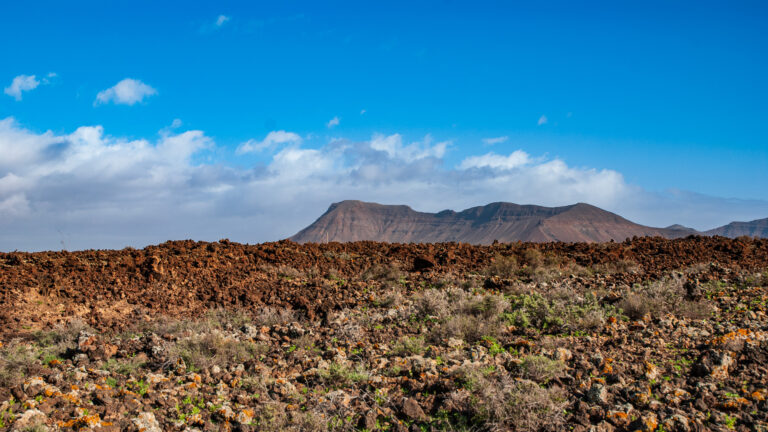
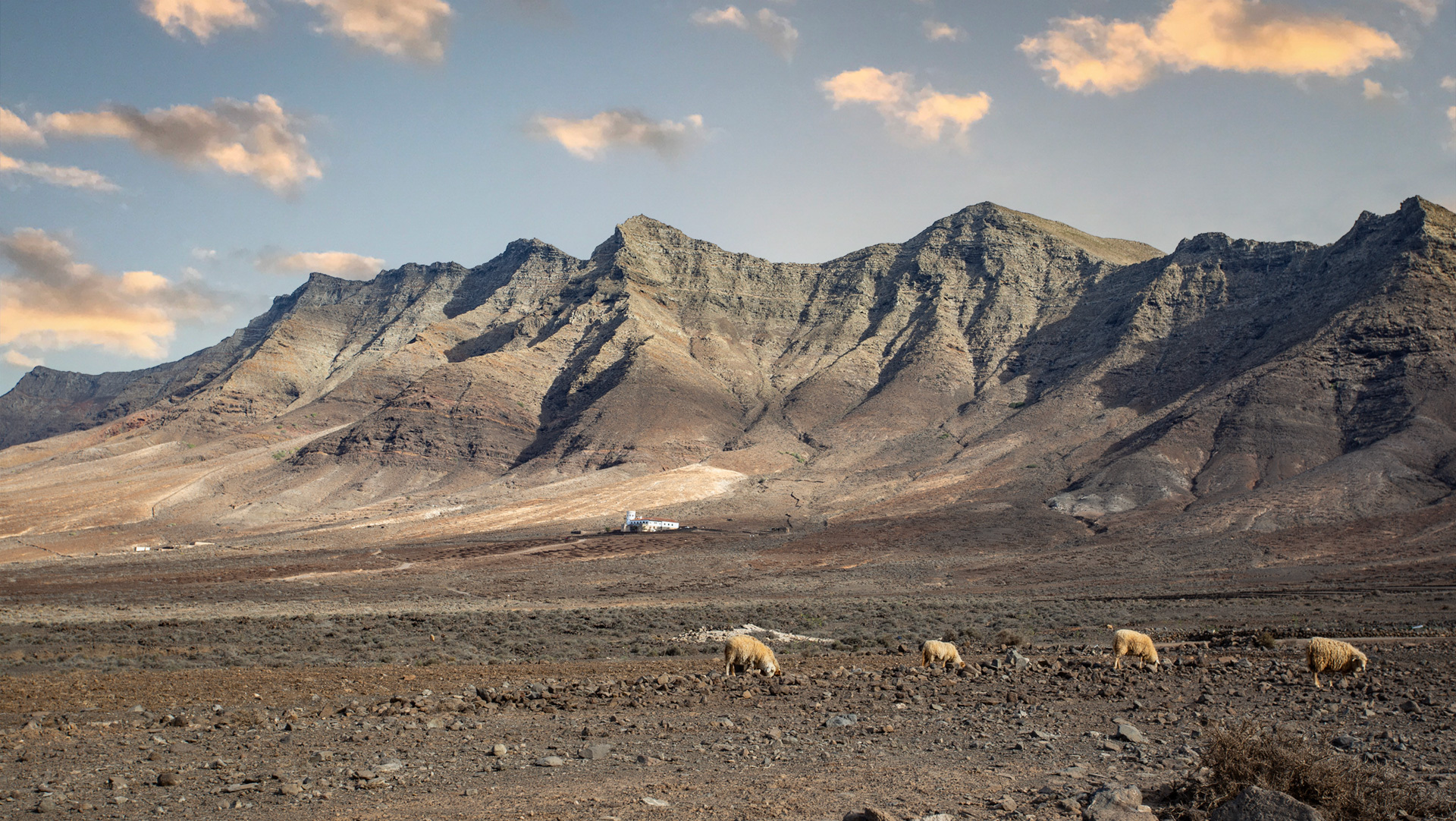
There should be no illusions: the road to Villa Winter near Cofete is no stroll. Serpentine tracks wind through a barren, almost lunar landscape, and only those with a four-wheel-drive vehicle to hand should attempt the drive. Once the remote village of Cofete has been reached, a dusty track leads up to the villa, which sits on slightly elevated ground.
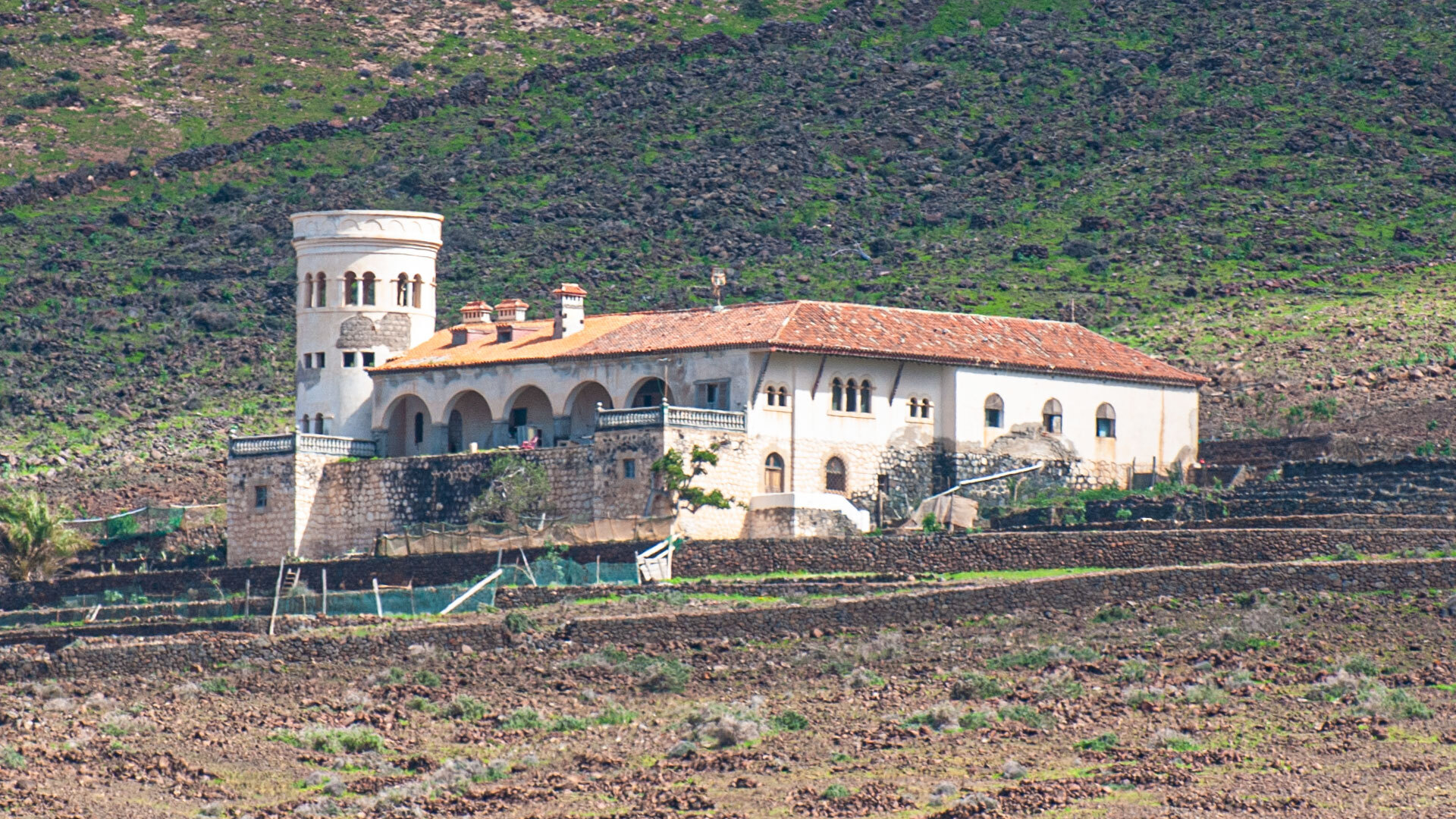
Even from a distance the building stands out against the sky – crumbling plaster, weathered outer walls, the distinctive tower to the north-east. You sense that something was waiting here that is not so easy to put into words.
El Chatel – Architecture Between the Black Forest and the Atlantic
The locals simply call the estate El Chatel. It was built by the German engineer Gustav Winter (1893–1971), who came from the Black Forest and had been resident on Fuerteventura since 1937. The year of construction is itself disputed: Winter maintained throughout his lifetime that he built Villa Winter Fuerteventura in 1958. Other sources date the construction to 1946, placing it in the immediate post-war period.
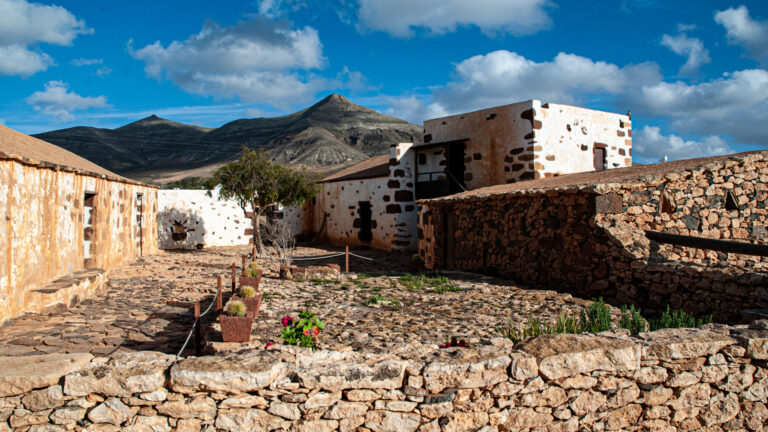
The architectural style cannot easily be assigned to any school. One discovers echoes of a Black Forest farmhouse, Spanish-colonial elements and idiosyncratic details found in no handbook: a water-spouting wooden crocodile head, the monogram »W« engraved on several doors – the hallmark of its creator. The main building is laid out as a square, partly built into the hillside, and opens onto a central courtyard lined with rounded arches.
Anyone who keeps their eyes open will recognise in one section of the façade the same structure as on the small bar in nearby Cofete – a quiet reminder that Winter created his own world here.
A Glimpse Inside the Villa – A Time Capsule from Decades Past
Currently about half of the building is accessible. What you find inside feels like a time capsule: in the garage an old-timer car still stands, and alongside it agricultural equipment of German origin and a rail vehicle by Krupp rust away. The remains of a railway track lead from the grounds to a nearby hill – suggesting earlier mining activity, even though no verified records of it exist.
The tower in the north-east of Villa Winter is visible from afar and can be entered from within. Its function? Still unexplained to this day. You stand inside it, gazing through small rectangular windows out to the Atlantic, and inevitably ask yourself: what was being observed from here?
The reward for the arduous journey is a breathtaking view of the beaches of Cofete and the deep-blue sea – a vista that alone is worth the trip.
The Myth of Villa Winter – Nazi Legends and Secret Bunkers
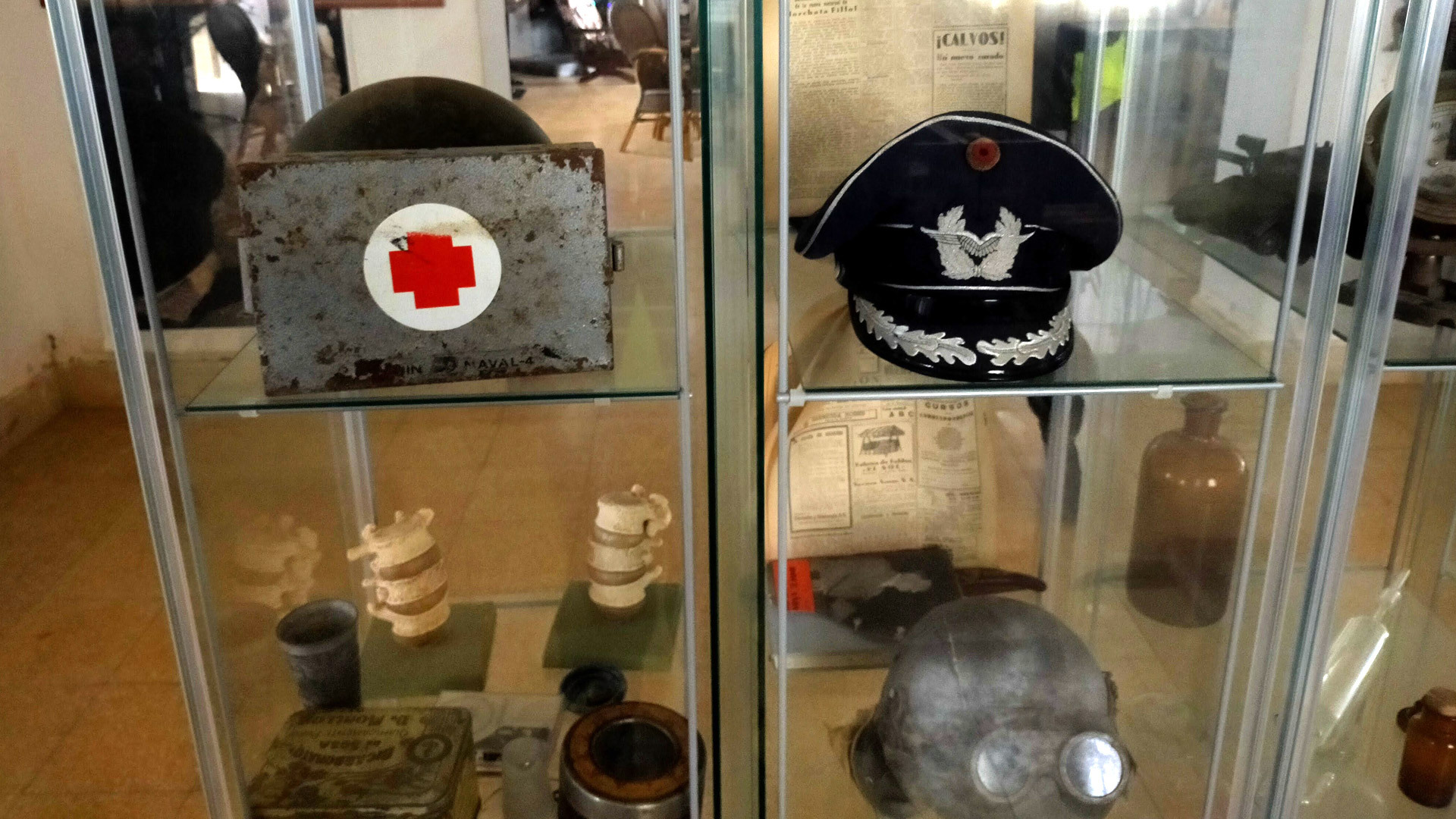
This is where the real chapter begins that makes Villa Winter one of the most mysterious places on Fuerteventura. The estate is surrounded by legends that all lead back to the same dark era: the years of the Second World War.
What is certain is that Winter had been involved as an engineer in various projects in Spain since 1915. In 1937 he leased the entire Jandía Peninsula – a strategically remarkable move. The speculation since then has centred on one crucial question: did Franco personally hand over Jandía to the German for military purposes?
The rumours surrounding Villa Winter are legion. There is talk of secret submarine bunkers said to be connected to the building through underground passages. It is whispered that the villa served as a supply base for German U-boats. Witnesses reported that in 1950 caves on the grounds were blasted open – for what purpose remains unanswered.
The speculation goes further still: was Villa Winter perhaps intended as Hitler’s planned place of exile? Did it serve as a transit point for senior Nazis fleeing to South America? None of these theories has ever been proven beyond doubt – and none has been disproved.
Winter himself appeared unimpressed by such rumours. He claimed he had wanted to build a cement works and a fish factory on Jandía, until the outbreak of the Second World War thwarted his plans. The fact remains: he never actually lived in the villa that bears his name.
After Winter’s Death – Decay and Fascination
Gustav Winter died in 1971. His family subsequently sold the estate to a local construction firm. What remained is a building in an enchanted sleep – half ruined, half preserved, wholly mysterious.
To this day Villa Winter on Fuerteventura draws amateur researchers, history enthusiasts and travellers seeking more than sun, sand and surf. You stand before the walls of this extraordinary place and sense that the truth behind the legends will probably remain hidden for ever.
And perhaps that is precisely the real charm of the mysterious Villa Winter near Cofete: you are free to keep on speculating.
Practical Notes: Villa Winter is only accessible with a four-wheel-drive vehicle. The drive along the track to Cofete is demanding and should not be underestimated. A visit is well worth combining with a detour to the secluded beach of Cofete.