The Most Beautiful Holiday Destinations in the North of Fuerteventura – Cotillo, Corralejo & More
The north of Fuerteventura is a place where time takes on a different meaning. White houses glow in a light found nowhere else. Black lava rock meets fine, pale sand. The Atlantic throws its waves against the coast, as if reminding the island of what it truly is – unspoilt, raw, possessed of a quiet beauty that never imposes itself.
Fuerteventura stretches over 100 kilometres from north to south. Those who know the island only from its large tourist centres barely know it at all. It is the north that carries the heart of this island – with small villages, authentic landscapes and a way of life that has not yet fully surrendered to mass tourism.
This article guides you through the five most beautiful places in the north of Fuerteventura – for everyone who seeks more than a sun lounger by the hotel pool.
Where to Stay in the North of Fuerteventura?
The question of where to stay on Fuerteventura cannot be answered in a blanket fashion – and that is a good thing. The island offers a remarkable variety: from simply elegant holiday homes on Fuerteventura in quiet villages to small boutique hotels and well-equipped tourist centres along the coast.
The east coast of Fuerteventura is the side of calm coves, clear turquoise water and long sandy beaches – ideal for a relaxed beach holiday on Fuerteventura. The west coast, by contrast, is rougher, windier, with a wild energy that attracts surfers from around the world.
Those wishing to stay in a traditional country house on Fuerteventura will find the finest options in the north. Holiday homes in the north of Fuerteventura offer privacy, flexibility and a more honest glimpse of island life – far from the bustle of the large resorts.
El Cotillo – The Authentic Surfers’ Village on the West Coast
At first El Cotillo appears only as a pale shimmer on the horizon. Then you immerse yourself in it: whitewashed house façades, the roar of the waves, an atmosphere that sits somewhere between relaxed and electrified.
El Cotillo is arguably the best-known surfers’ village on Fuerteventura – and for good reason. Throughout the year, waves of considerable force strike the north-west coast. Those wishing to learn to surf will find the ideal environment in the numerous surf schools in El Cotillo. Those who are already more advanced seek out one of the less crowded spots along more remote stretches of coastline.
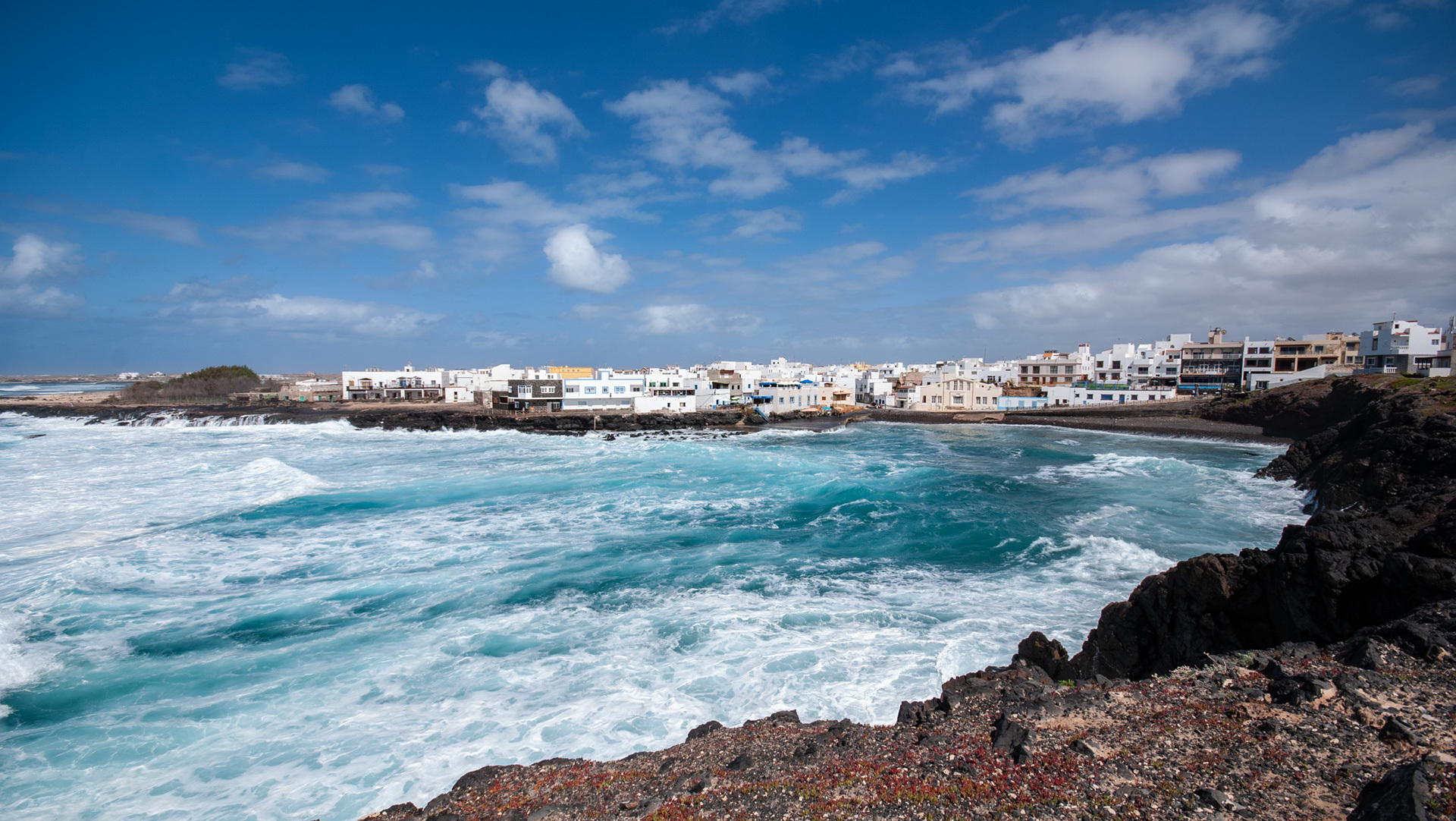
Surfing in El Cotillo
The best surf waves on Fuerteventura break along the north-west coast – and El Cotillo stands at the centre of this action. The beach of La Escalera ranks among the most spectacular spots on the entire island. Piedra Playa, by contrast, offers more beginner-friendly conditions – shallower waves, clear water and a good view of what is coming.
Beginners are advised to start in the water with a surf school in El Cotillo. That way you not only learn the waves, but also get to know the spots that match your level.
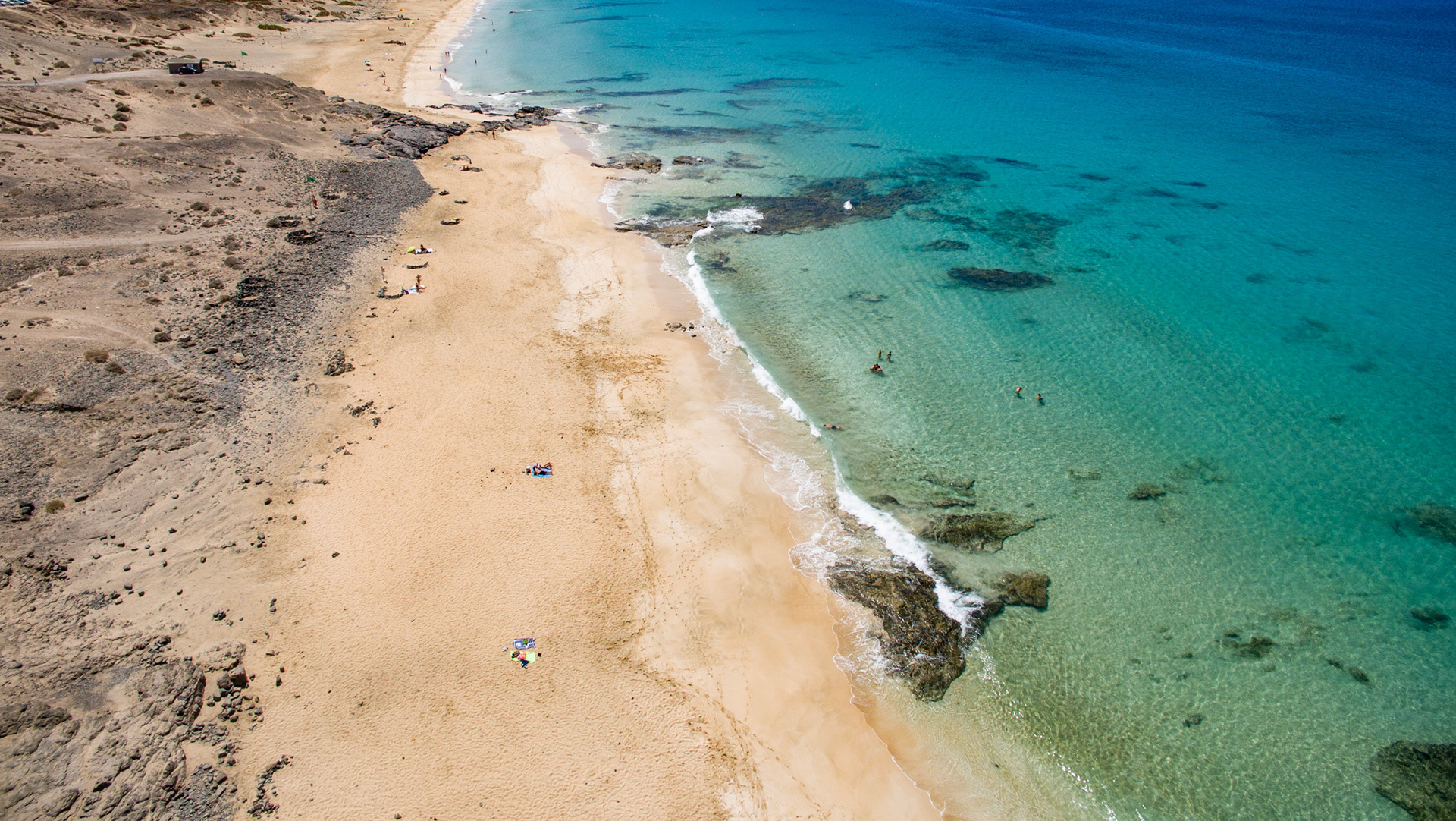
Beaches of El Cotillo
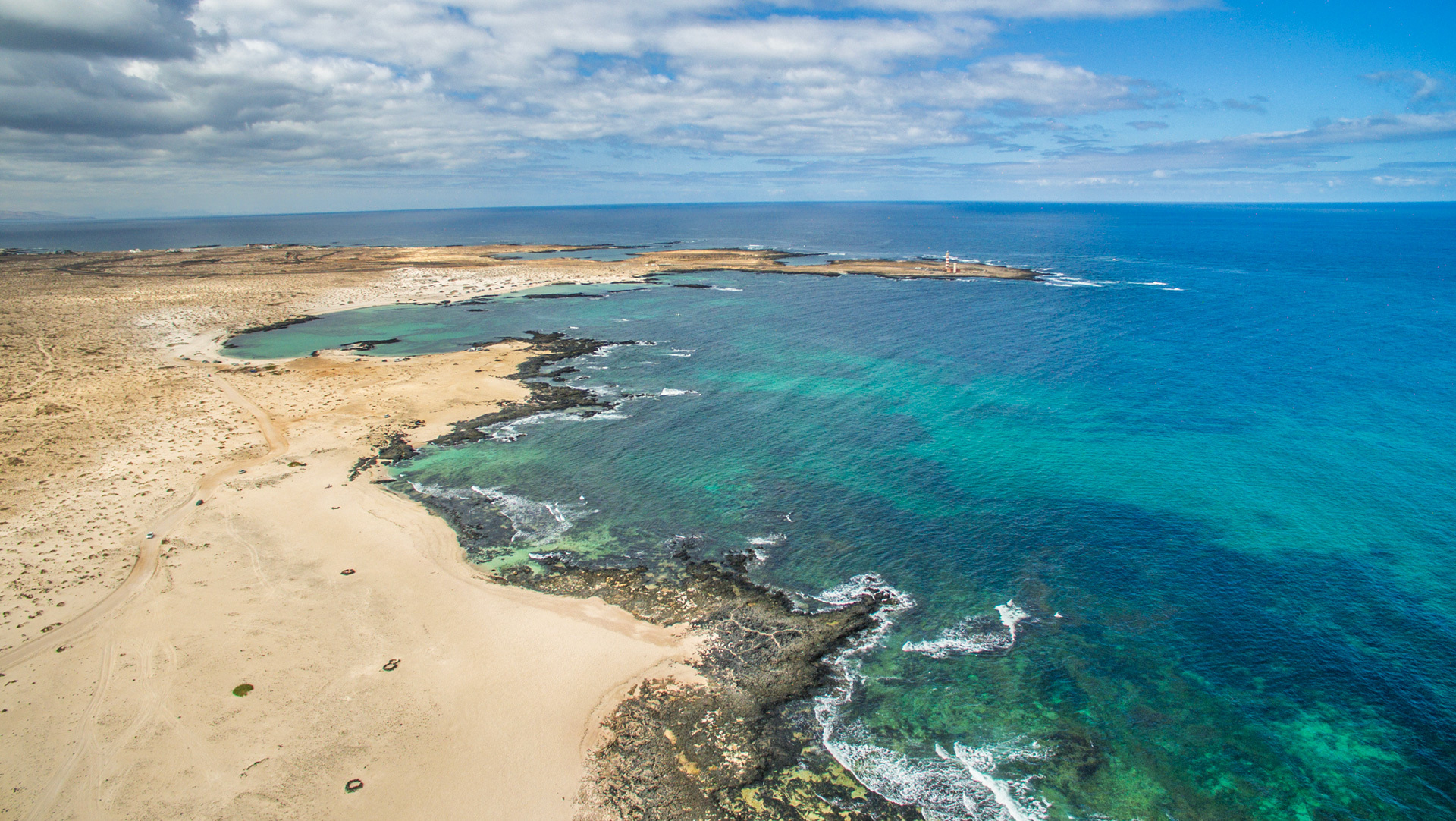
The beaches of El Cotillo possess a beauty that could never be staged. Snow-white, fine-grained sand meets water in a shade of turquoise so vivid it seems almost unreal. The deep black lava rock forms a dramatic contrast – and natural protective barriers that turn some coves into sheltered bathing paradises.
To the north of the village lie the quieter family coves. To the south stretches a flat plain with several coves beneath the cliffs – popular surf beaches on Fuerteventura and magical spots for watching the sunset.
Sights and Restaurants in El Cotillo
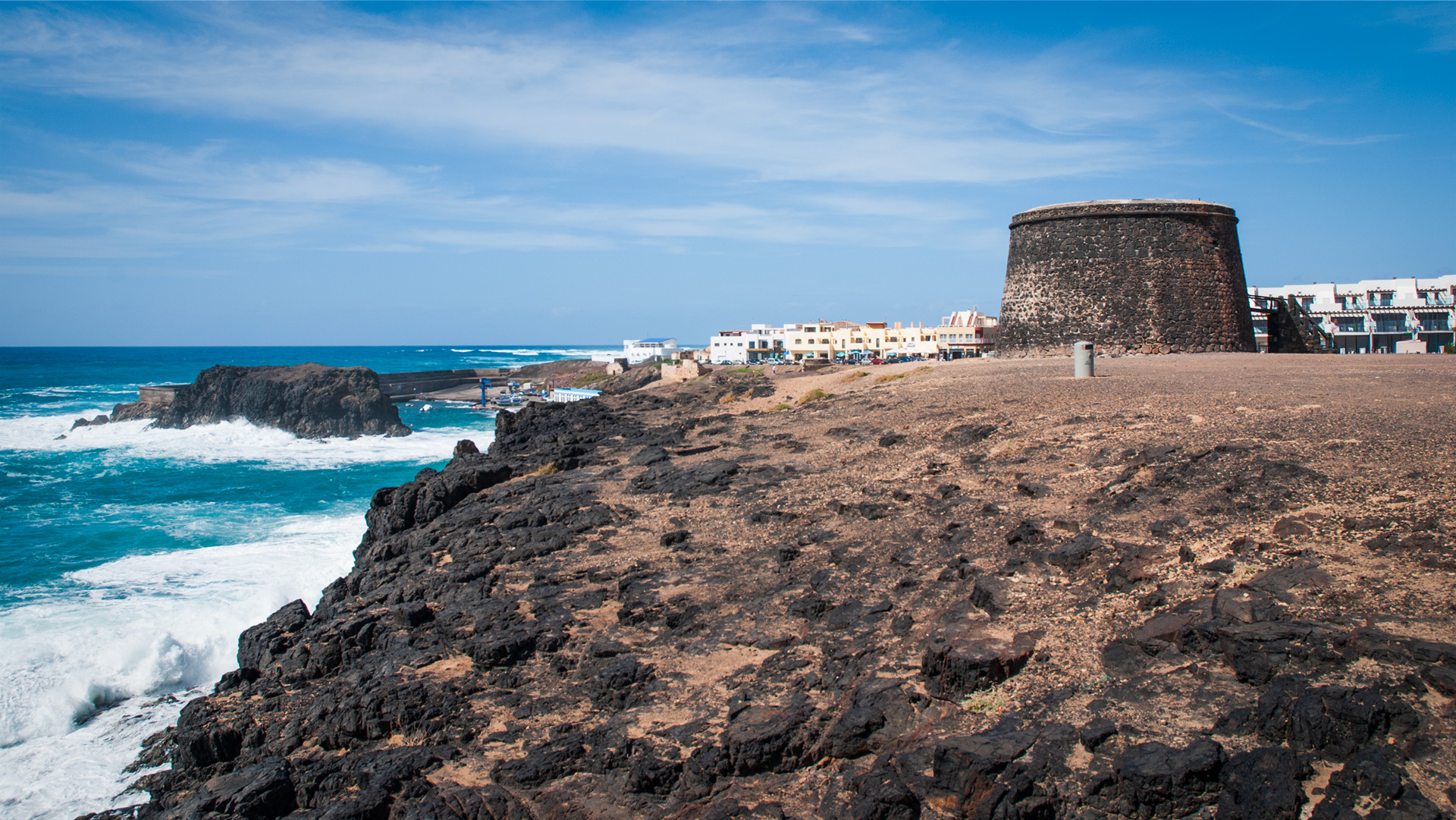
Those spending time away from the water should visit the Torre del Tostón – a historic watchtower that glows in a warm orange-red at sunset and affords a sweeping view over the coastline.
Every Friday evening the old harbour transforms into a small market: handmade jewellery, unique textiles, decorative items – a place that makes the slow rhythm of village life tangible.
For dining, the Restaurant Santa Ana del Cotillo is recommended for traditional Canarian cuisine at fair prices. At La Ballena you will find fresh fish specialities with a view of the sea and the Castillo del Tostón. Vegan food can be found at the Happy Cactus – one of the few places on the island that takes this cuisine seriously.
El Cotillo as a holiday destination: Ideal for surf enthusiasts, beach lovers and all those seeking peace without isolation. The selection of hotels in El Cotillo is limited – those wanting more comfort should opt for a holiday home in El Cotillo or head to Corralejo.
Lajares – The Meeting Point for Digital Nomads on Fuerteventura
Lajares lies in the northern interior of the island, far from any beach bustle. Those who arrive here sense it immediately: this is not a place for mass tourism. This is a place for people who are discerning – in the very best sense of the word.
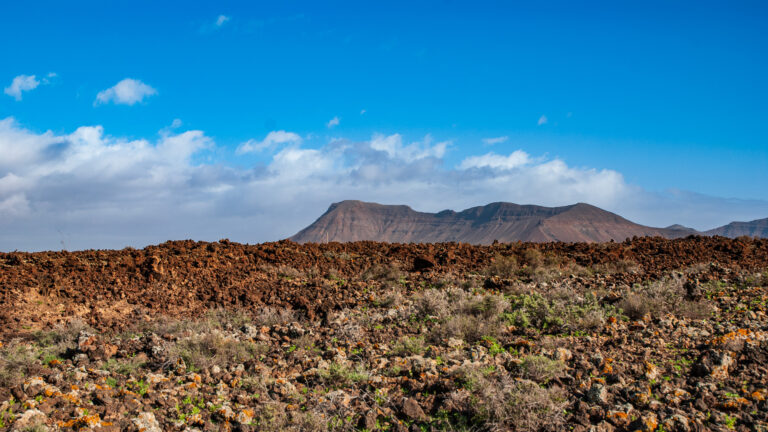
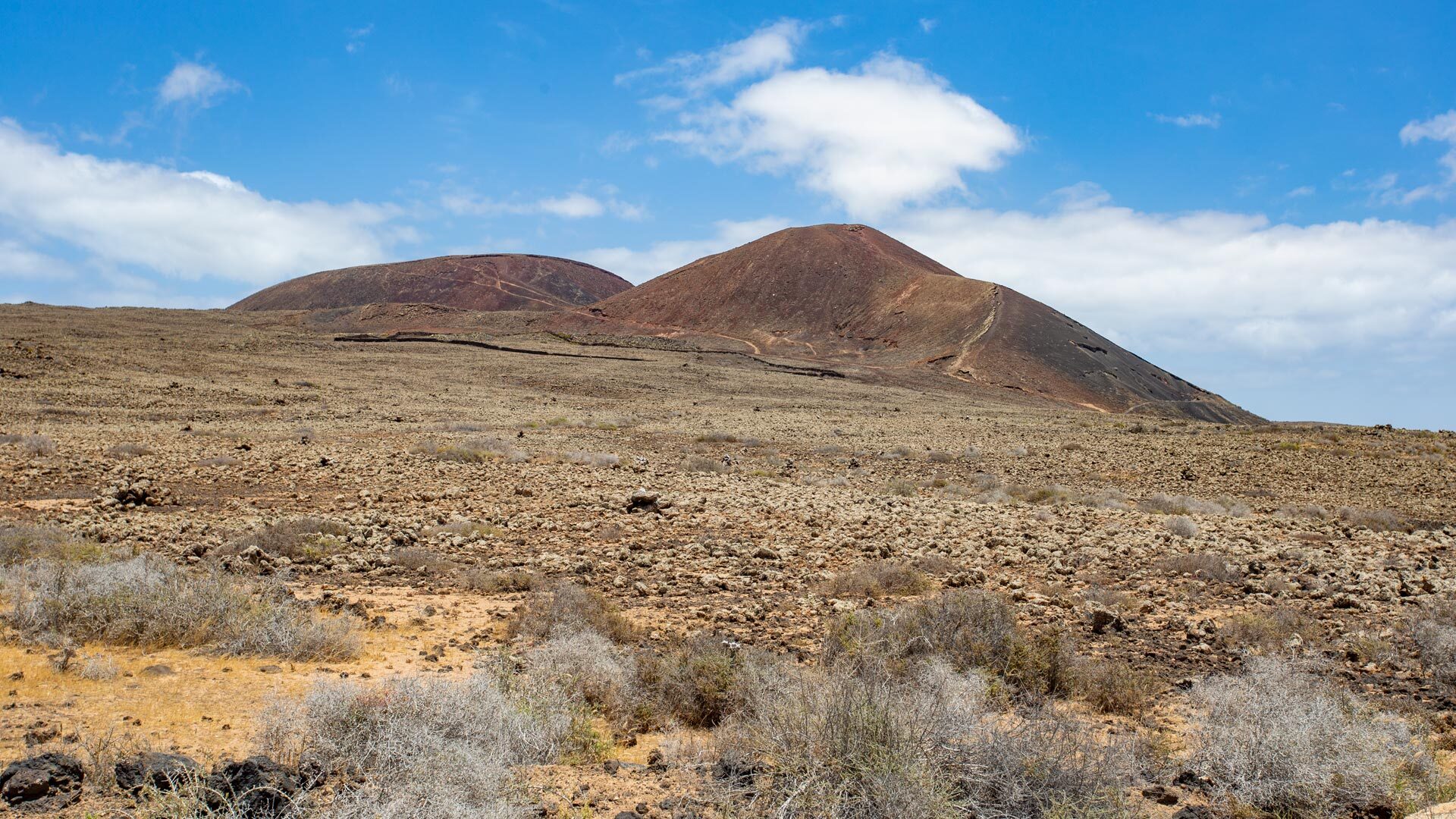
The landscape around Lajares is sparse, vast, possessed of a meditative stillness. Volcanic cones define the horizon. Nothing unnecessary distracts. And for precisely this reason, this small village has developed into a genuine hotspot for digital nomads on Fuerteventura.
Coffee, Crafts and Volcanoes
In the small, trendy cafés in Lajares people sit with laptops and books, travel plans and thoughts. On Saturdays, the Lajares craft market opens – a weekly gathering of the creative community that has settled on the island.
Those wishing to stretch their legs can hike up the Calderón Hondo volcano – best done at sunrise, when the light falls golden over the black crater walls and you feel as though you are entirely alone in the world.
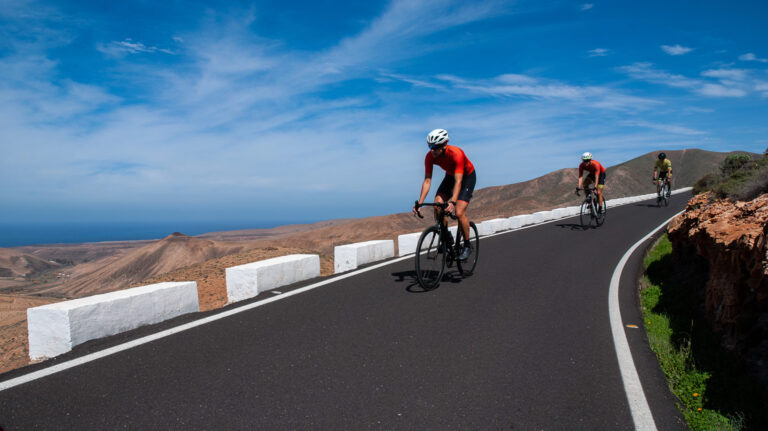
Lajares is also the ideal starting point for cycling trips and further hikes in the north of Fuerteventura. From here begins a chain of volcanoes that can be explored via various hiking routes. El Cotillo is not far – so the next surfing excursion is always within reach.
An Excursion to Tefía and the Ecomuseo de La Alcogida
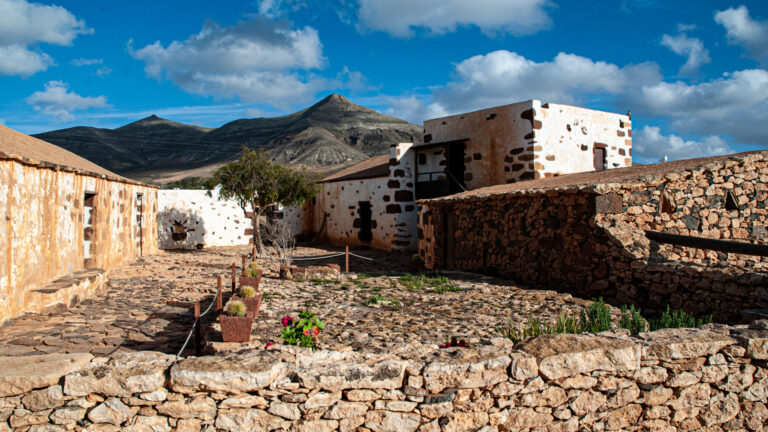
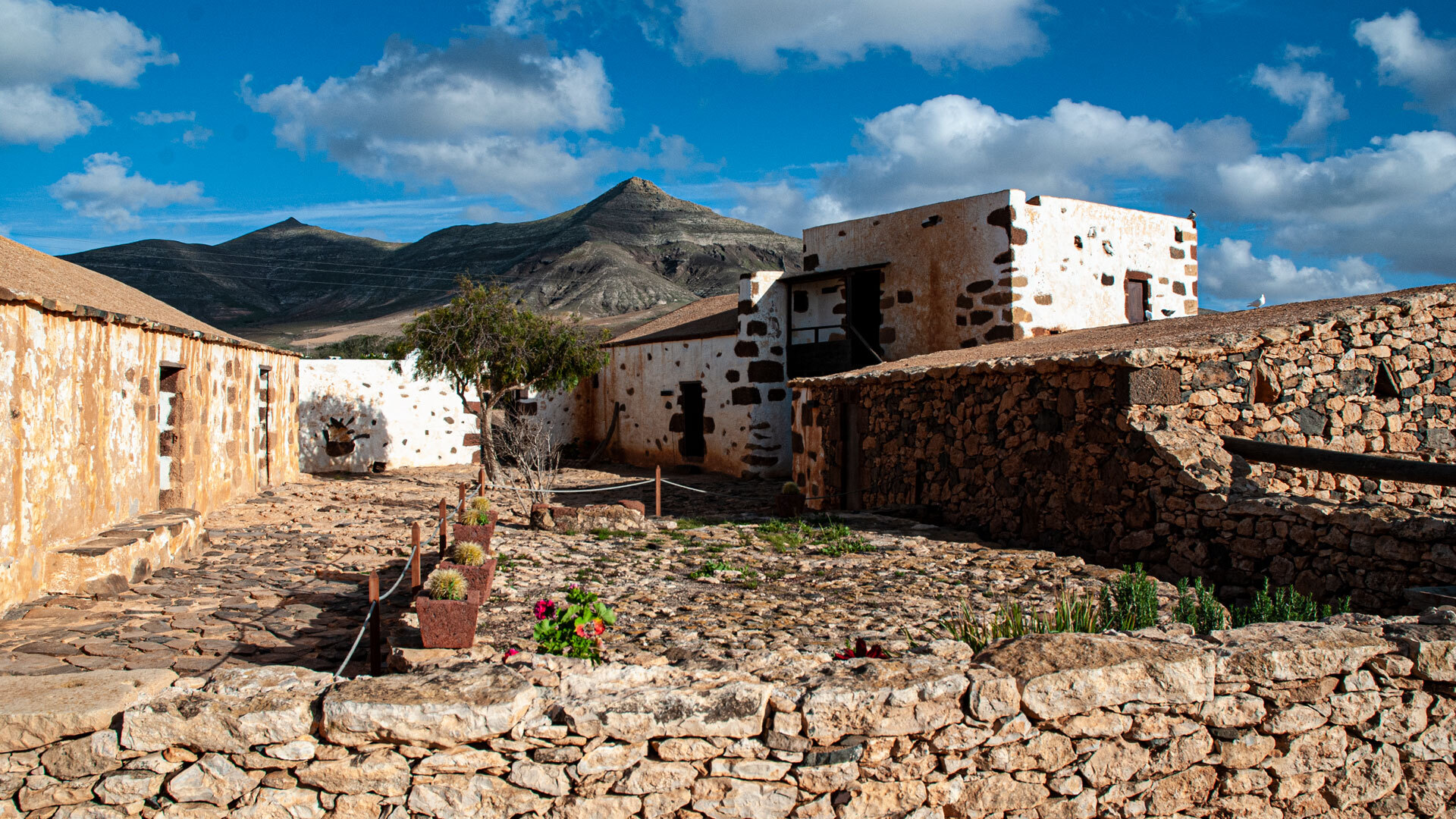
Not far from Lajares lies Tefía – a village that hardly anyone knows, and for that very reason is well worth a visit. The Ecomuseo de La Alcogida offers a profound insight into the history and everyday culture of the Canarian rural population. Old craftwork, restored buildings, a quiet echo of the past.
Lajares as a holiday destination: Ideal for all those who place authenticity above comfort – whilst still wanting access to the island’s activities. The holiday homes in Lajares are often beautiful, but not cheap. For hikers and those in search of peace, this village is one of the finest choices on Fuerteventura.
Tefía and Tetir – Quiet Villages in the Northern Interior
Some places exist beyond the reach of guidebooks. Tefía and Tetir are among them – small, quiet villages that one tends to discover by chance rather than seek out deliberately.
Hikers are well rewarded here. From Tetir, a solitary path leads through the Valle de Tetir, over a small pass and on towards Tefía. A route you rarely share with others. Black rocks, sparse vegetation, the wind as your only companion.
Holiday homes in Tefía and Tetir are few and far between – but those who secure such accommodation will find a silence that has become rare in our time. The journey to the south of the island is long. Yet those who regard this as a disadvantage have not yet understood the purpose of these places.
La Oliva – The Cultural Heart of Fuerteventura
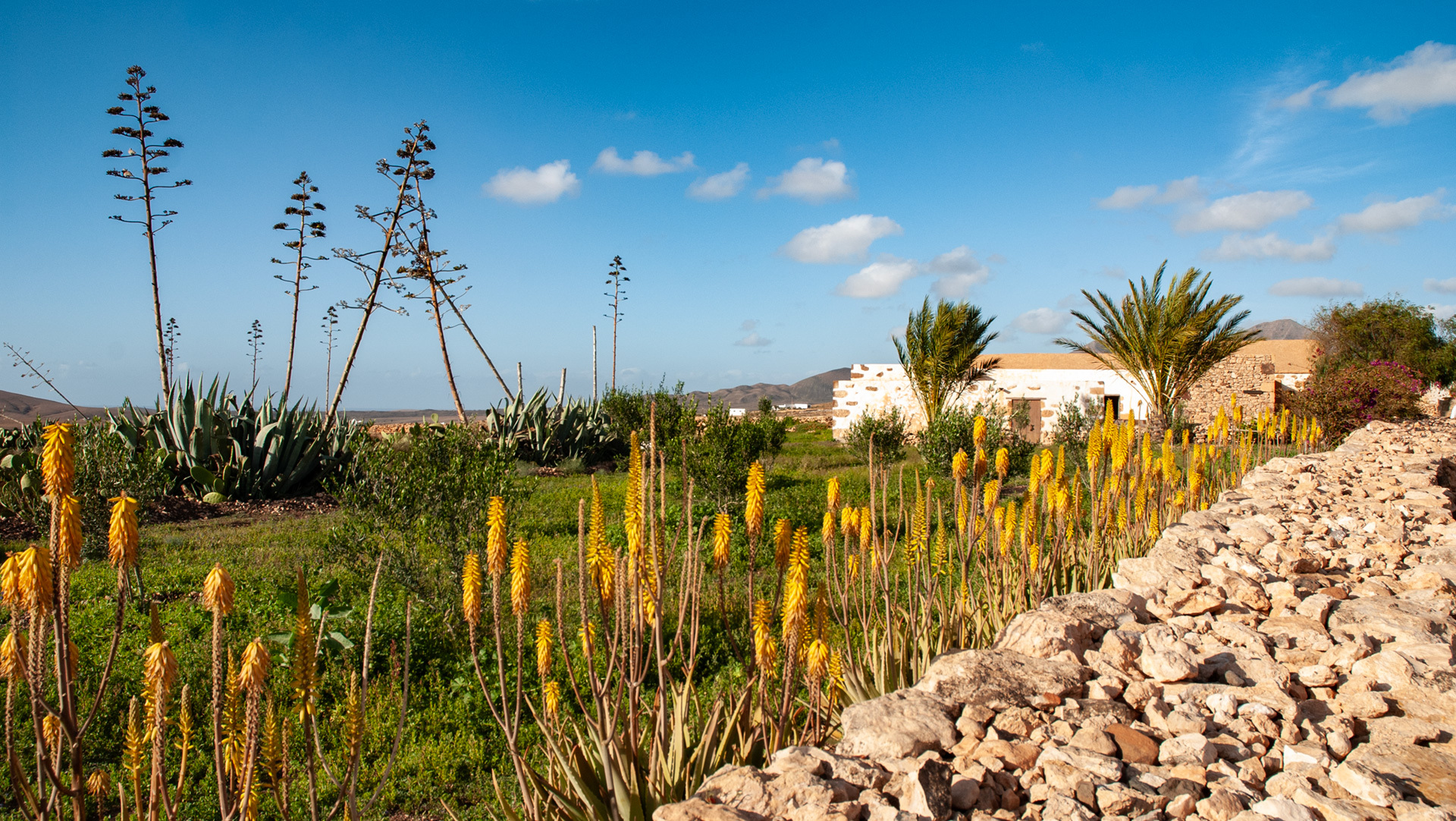
At the foot of a volcano, on a fertile plain, lies La Oliva – named after the wild olive trees that once grew here. Even the Majos, the indigenous original population of Fuerteventura, settled in this area. Later came people from Castile, who farmed the fertile land and erected buildings that still stand today.
La Oliva is not a typical tourist destination. But it is the place on Fuerteventura where history becomes palpable – in the walls, in the alleyways, in the silence of the plaza.
Historic Buildings and Canarian Architecture
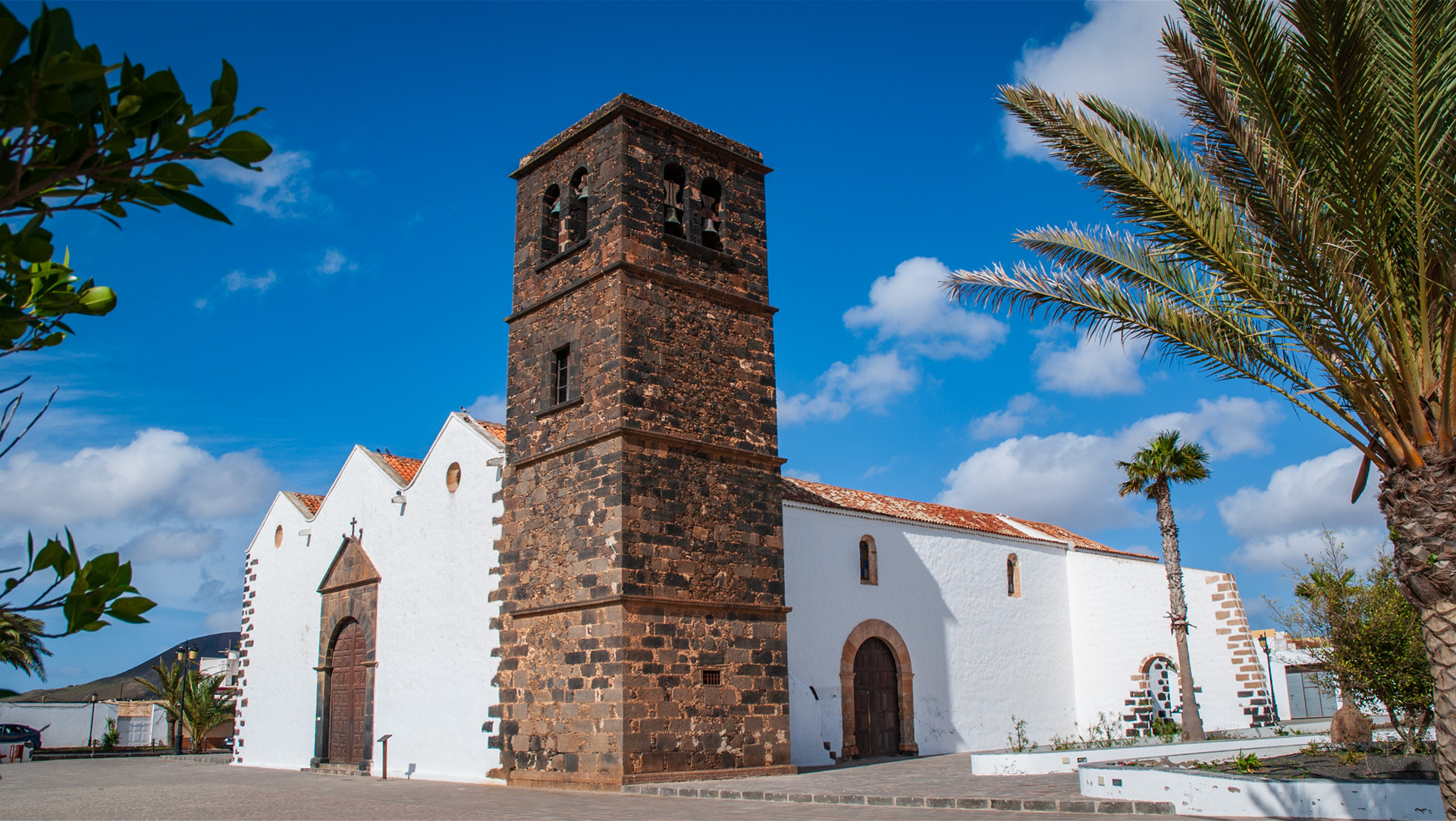
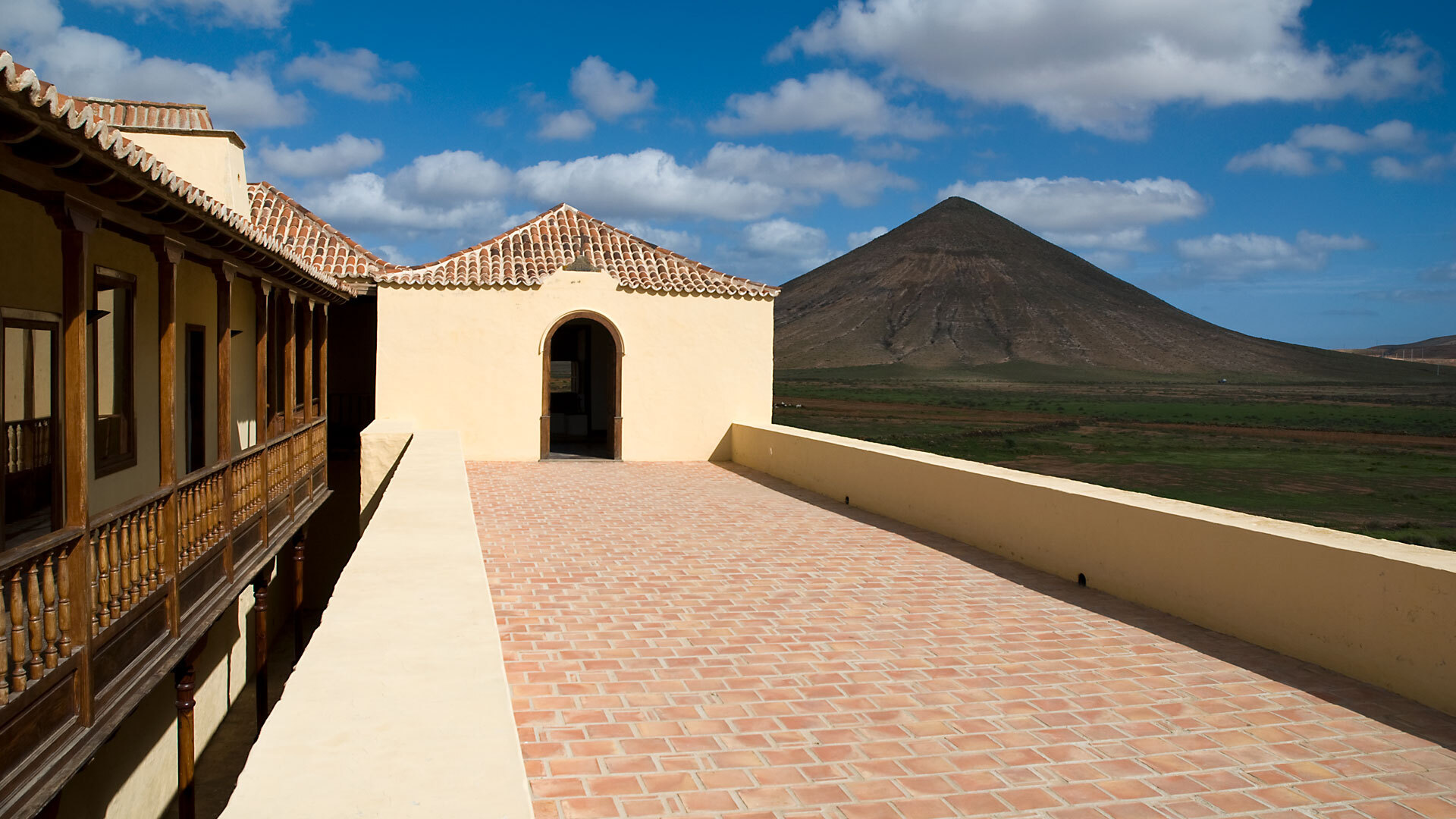
The Casa de Los Coroneles is the most impressive building in the village – the former seat of the military governors, architecturally outstanding, with a long and not always glorious history. A visit is well worthwhile.
The Casa de la Cilla offers more insight into the agricultural history of the village – a small grain museum that keeps alive the connection to the land and the simple life on the island.
Ruta de los Coroneles
Those who truly want to understand La Oliva should book the Ruta de los Coroneles – a guided tour of the village’s most significant buildings, in which historical actors bring the past to life. An unusual way to experience history – and one that stays with you long afterwards.
Hikers are also well rewarded: the 3rd stage of the GR 131 between La Oliva and Tefía leads through solitary landscape, past windmills and fields that paint a picture of a long-vanished world.
La Oliva as a Holiday Destination:
Only conditionally recommended for a purely leisure-focused stay – the tourist infrastructure is minimal and there is no good restaurant to speak of. For a cultural holiday on Fuerteventura, for quiet holiday homes in the north and for those genuinely seeking silence, La Oliva is nonetheless a hidden gem.
Corralejo – The Vibrant Centre of the North
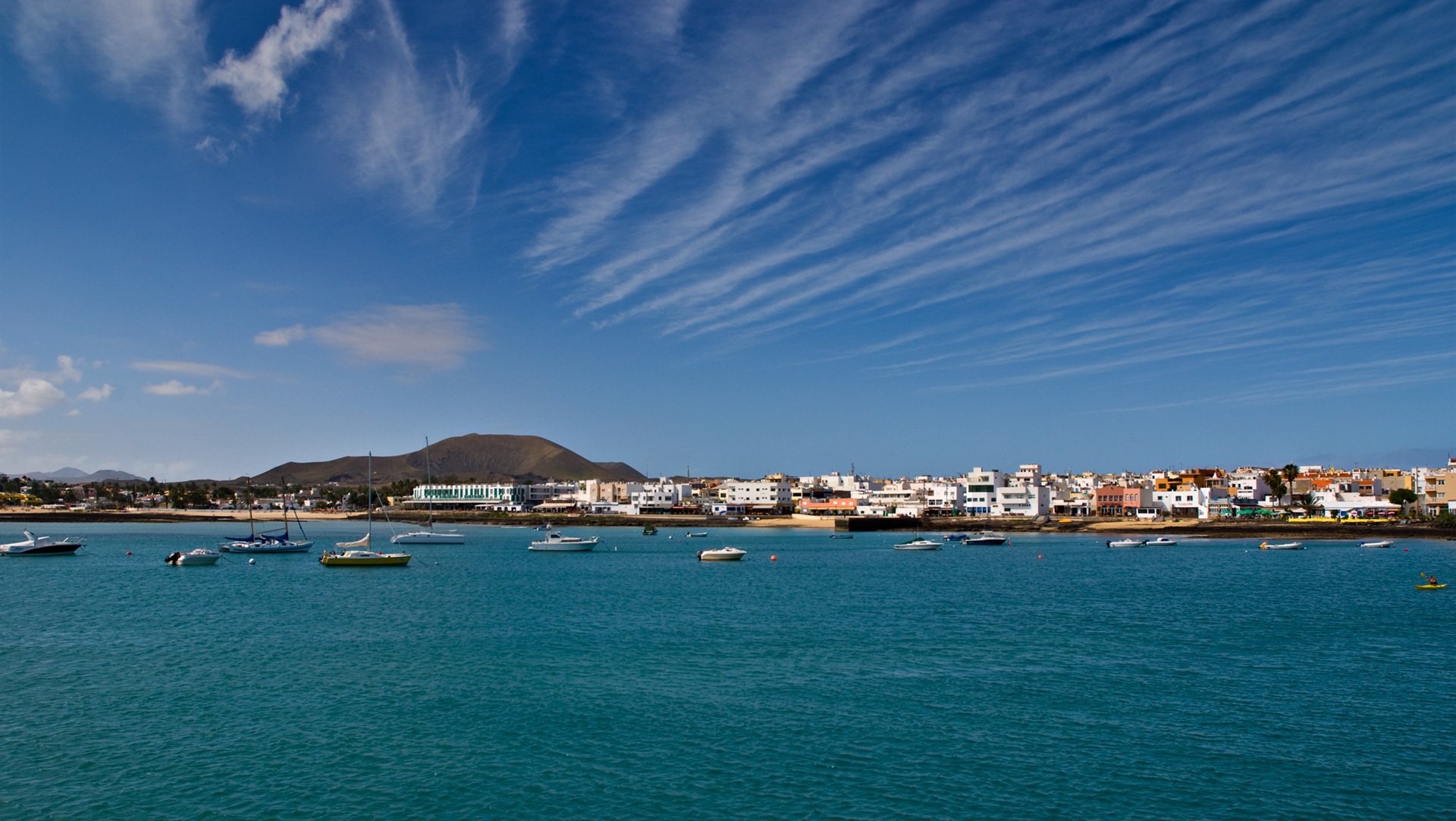
If the north of Fuerteventura had a capital, it would be Corralejo. The coastal town is the largest settlement in the north of the island – and the place where tourism and authenticity coexist most harmoniously.
The old town of Corralejo surprises. Its alleyways reflect a Canarian architecture that has absorbed Andalusian and Portuguese stylistic elements. Colourful natural stone walls, decorative wooden balconies, a harbour where fishing boats lie alongside smart yachts – as if two worlds were living peacefully side by side.
Corralejo Natural Park – The Dunes of El Jable
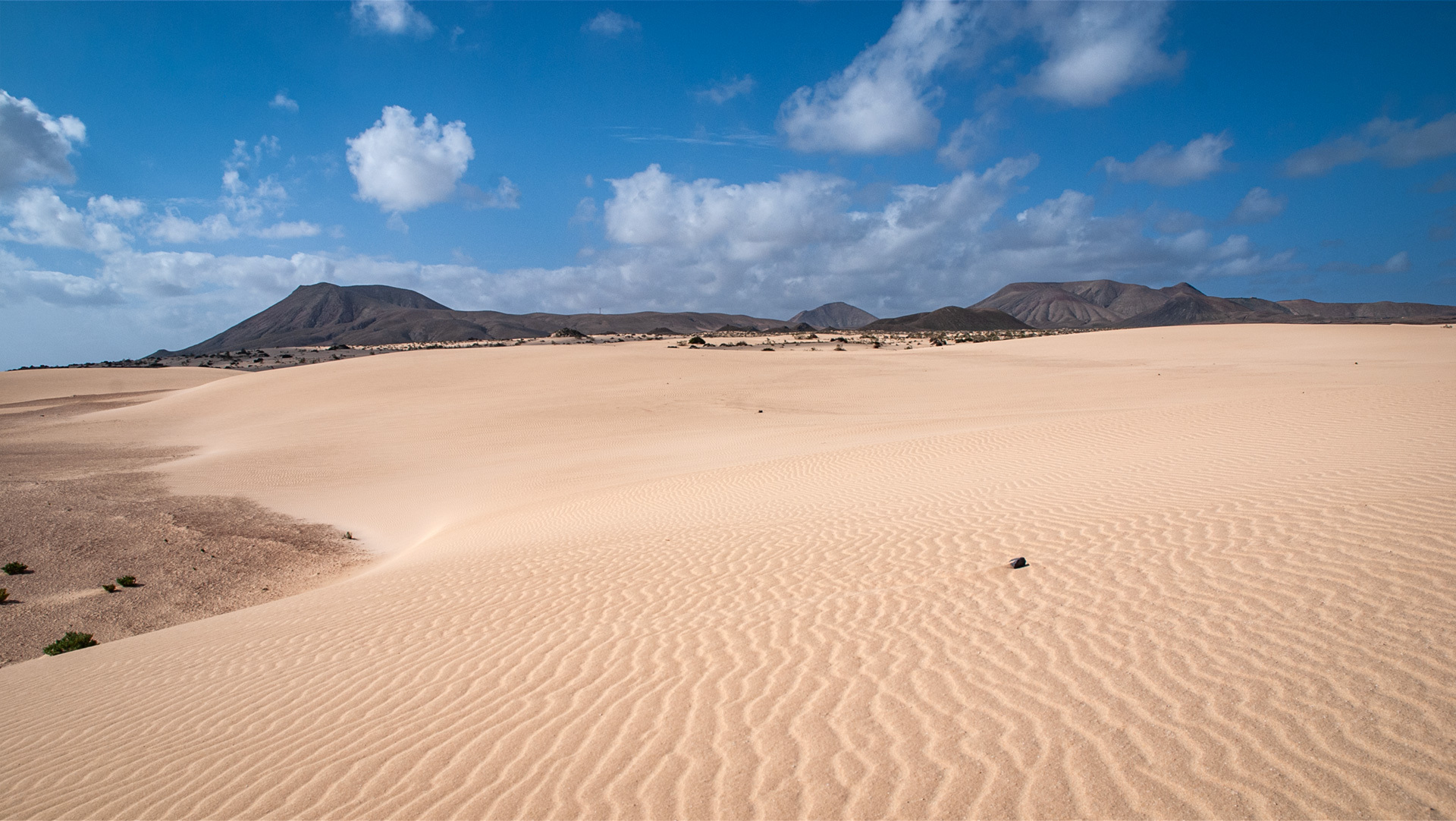
The absolute highlight of Corralejo is the Corralejo Natural Park with its famous El Jable sand dunes. Eleven kilometres of white sand stretching like a desert landscape along the coast – with the deep blue Atlantic as its backdrop.
The dunes of Fuerteventura are among the most visited attractions on Fuerteventura – and rightly so. A walk here at sunset, when the light turns the sandy peaks pink and golden, is an experience that defies description.
Beaches, Nightlife and Excursions
The seafront promenade of Corralejo invites long strolls. Playa Waikiki – also known as Galera Beach – is the largest town beach in Corralejo and offers ample space for families, water sports enthusiasts and sunbathers. Directly on the sandy beach lies the Waikiki Beach Club, from whose terrace you can enjoy a breathtaking view of the island of Los Lobos. In the evenings, the restaurants fill with fish, Canarian specialities and international cuisine.
The nightlife in Corralejo is lively by Canarian standards – beach bars, discotheques, places where you let the day fade away.
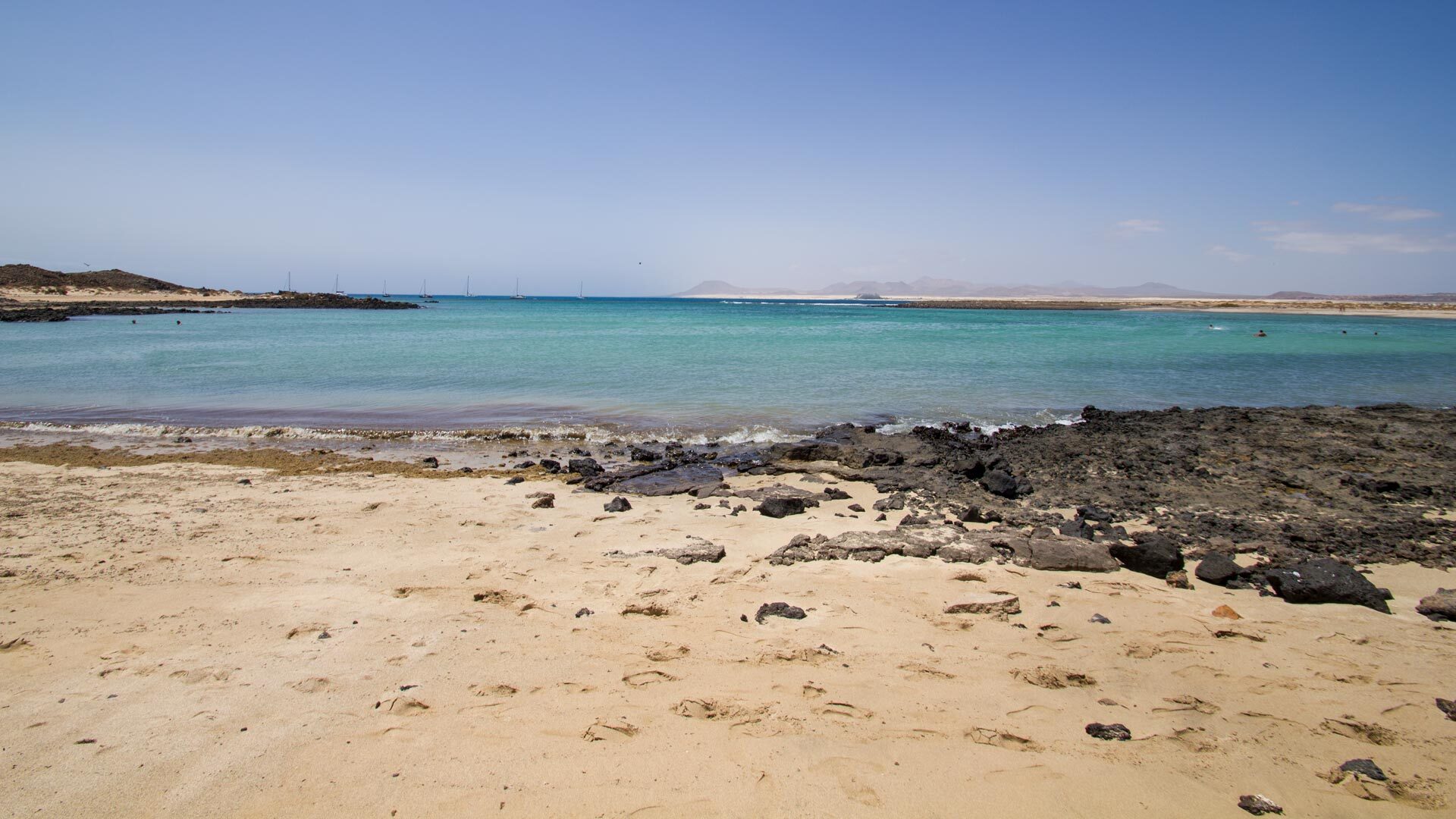
From Corralejo’s harbour, excursions depart to the island of Los Lobos – a small, uninhabited nature reserve – as well as ferries to Lanzarote. Those wishing to explore the north of Fuerteventura will find this the best possible base.
Surfing in Corralejo
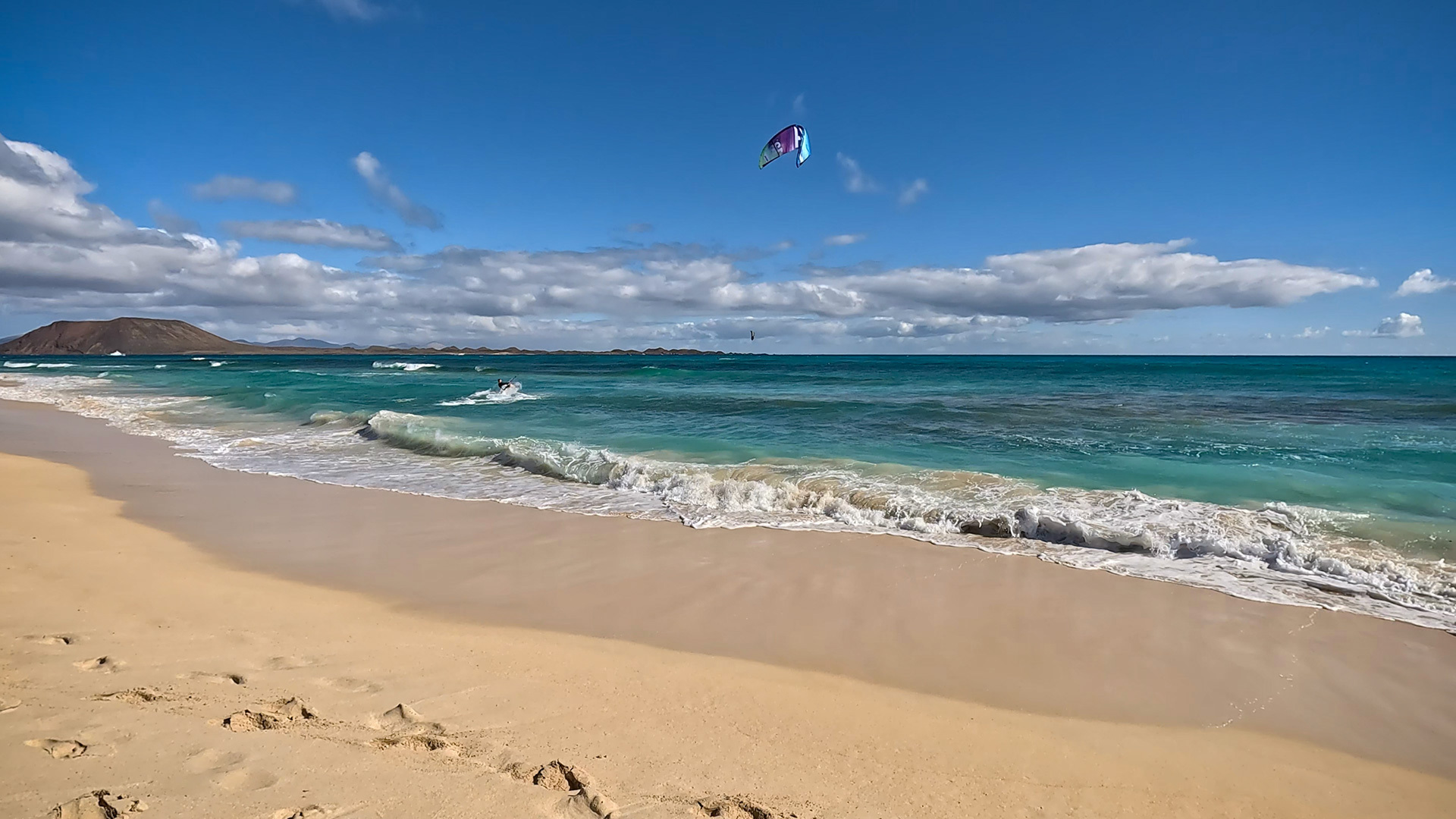
Surfing in Corralejo is also well catered for – numerous surf schools in Corralejo offer courses for beginners and the more advanced. The surrounding beaches are easily accessible, and the range of accommodation is the largest in the north of the island.
Corralejo as a holiday destination: Absolutely recommended – for families, surfers, culture enthusiasts and all those who wish to combine activity with relaxation. Hotels in Corralejo are available at every price point. Those who prefer private accommodation will also find a good selection of holiday apartments in Corralejo.
Conclusion: The North of Fuerteventura – More Than Just a Holiday Destination
Those who wish to visit the most beautiful places in the north of Fuerteventura arrive with a list – and leave with a different way of seeing. El Cotillo teaches what freedom in the water means. Lajares shows what stillness can make productive. La Oliva whispers history into the stones. Corralejo proves that tourism and soul need not be mutually exclusive.
The north of Fuerteventura is the region for all those who wish to experience an island authentically – with real people, real food and landscapes that do not feel like a holiday backdrop, but like reality itself.
Those who have been here once return. Not because everything is perfect. But because it is real.