Fuerteventura Nature Parks – Where the Earth Still Breathes
There are places in this world where you get the feeling that time has stood still. Fuerteventura is one of them. The oldest of the inhabited Canary Islands wears its history on its sleeve – in every rock formation, every grain of sand, every breath of wind that sweeps across the barren plains. Anyone who enters Fuerteventura’s nature parks steps into another world: ancient, silent and breathtakingly beautiful.
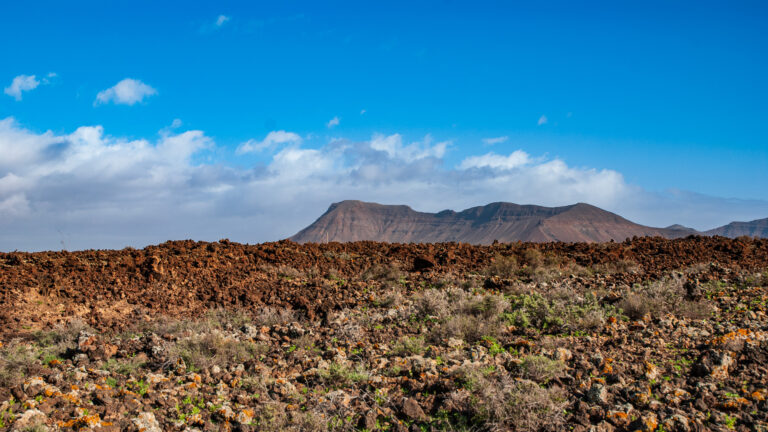
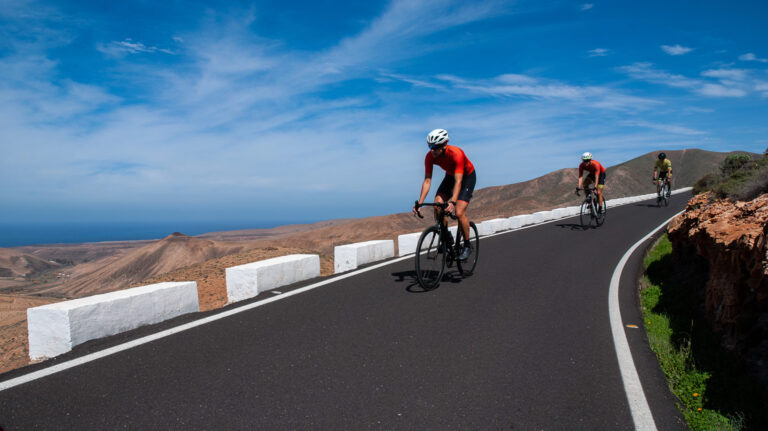
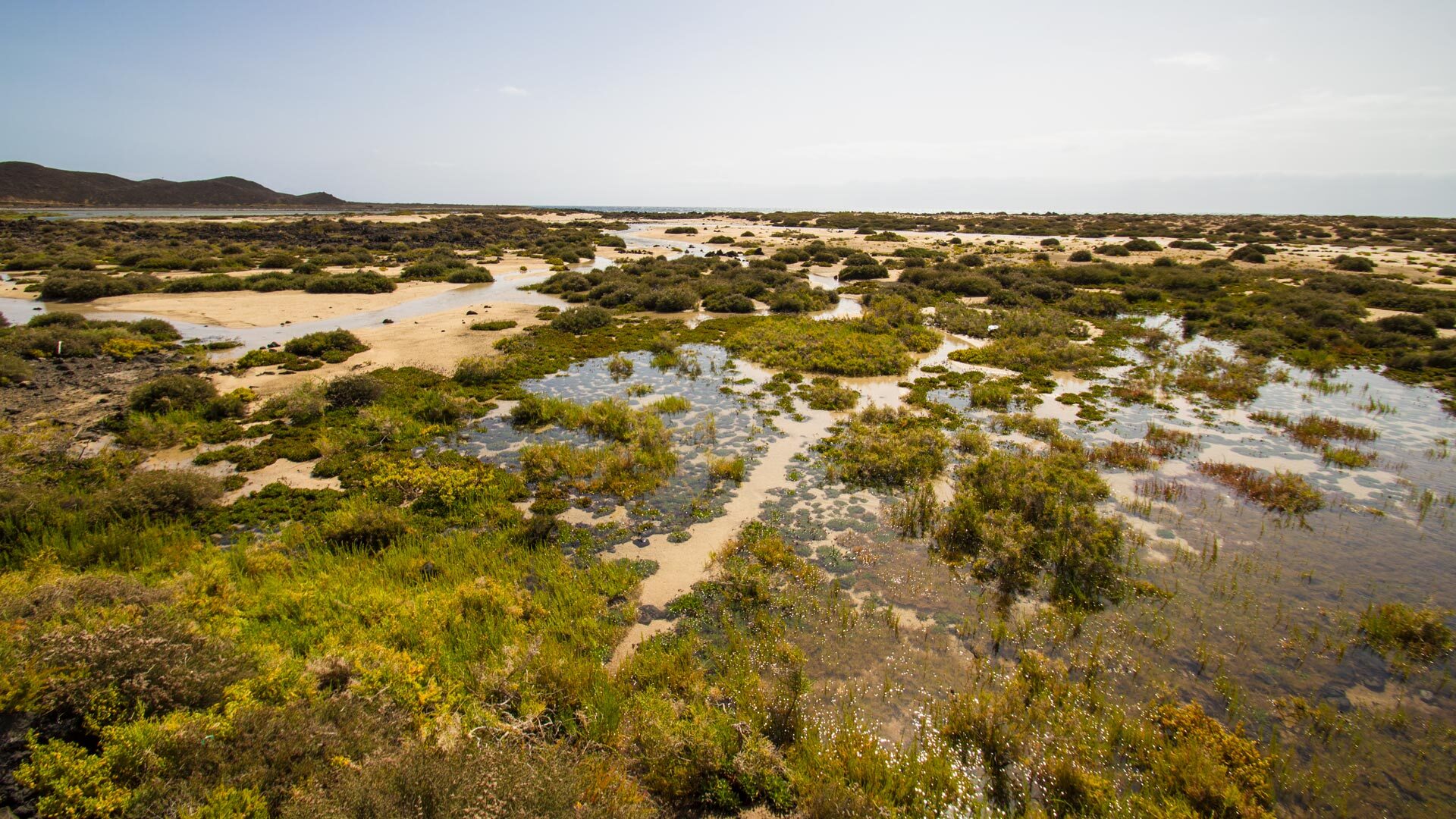
Large parts of the island are now under strict nature conservation – and for good reason. Fuerteventura’s nature reserves include the iconic dunes of Corralejo in the north, the mysterious island of Los Lobos, the fossilised limestone deposits of Ajuy – older than the Canary Islands themselves – as well as large parts of the Jandía Peninsula in the south. Desert-like areas, rugged rocky coasts, salt marshes and a remarkable array of flora and fauna characterise this landscape. Numerous birds and reptiles have preserved their habitat here, undisturbed by the noise of the modern world.
Parque Natural de Jandía – The wild heart of the south
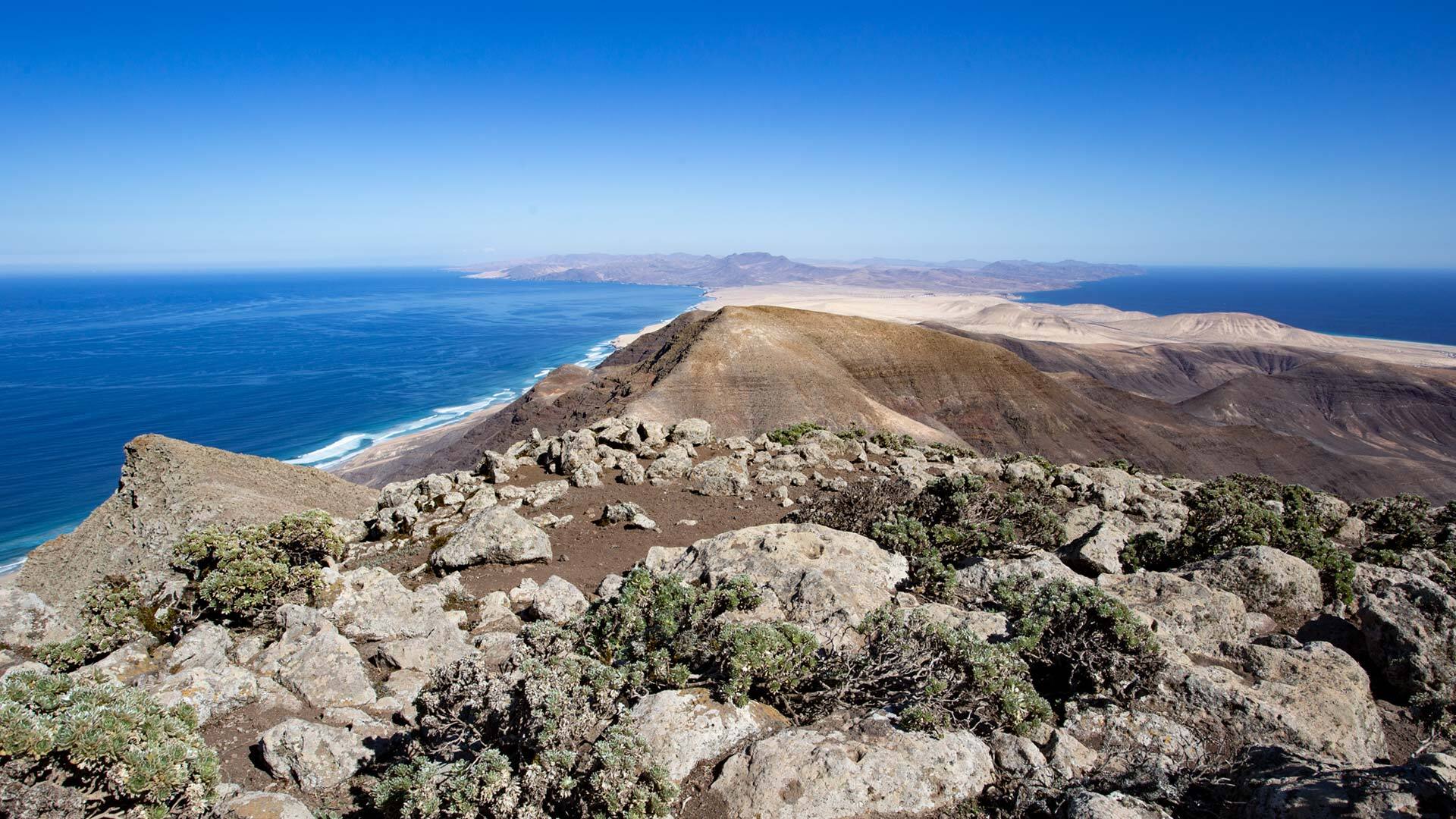
Anyone seeing the Parque Natural de Jandía for the first time is bound to stop in their tracks. In the far south of Fuerteventura, this nature reserve stretches out like another world: endless, rugged and imbued with a quiet grandeur that is difficult to put into words.
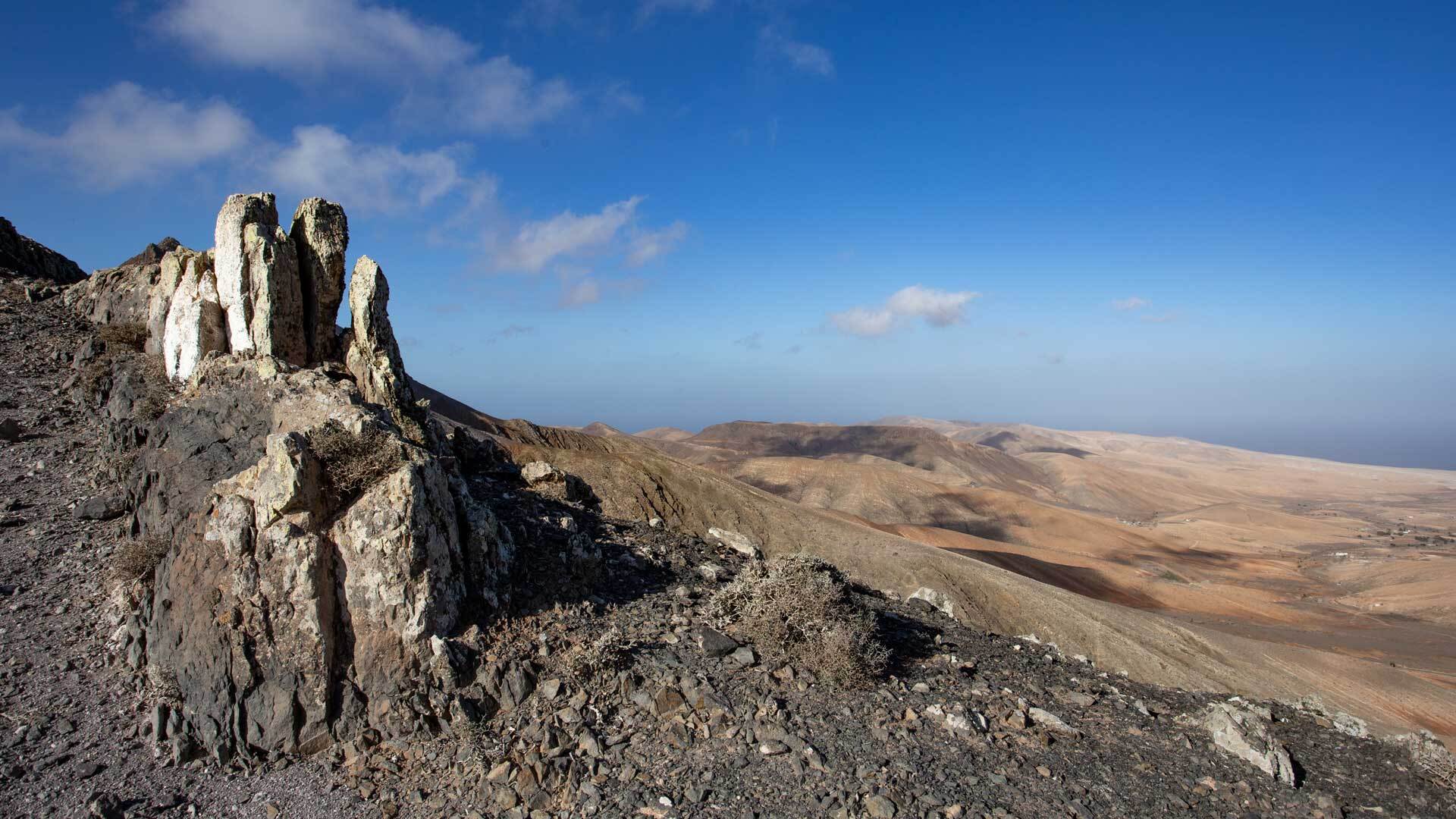
The walking trails in Jandía Natural Park lead through extraordinary dune landscapes, past rugged coastal cliffs and up into the majestic Jandía Mountains – the island’s highest mountain range. Up here, where the wind whistles and the sea shimmers on both sides of the peninsula, a panorama unfolds that you won’t forget in a hurry.
The unique flora and fauna of the nature reserve are the quiet wonder that unfolds off the beaten track. If you walk slowly and look closely, you’ll discover endemic plant species, rare migratory birds and traces of a natural world that thrives against all odds.
Parque Rural de Betancuria – history and nature in one
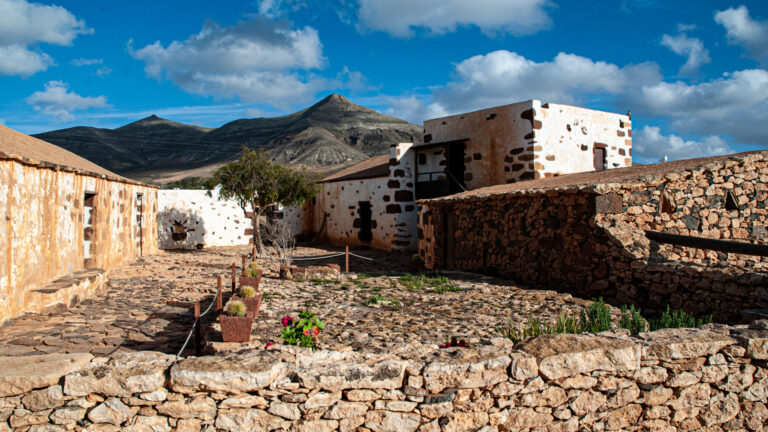
Anyone who associates Fuerteventura solely with beach holidays has not yet seen the island’s interior. The Parque Rural de Betancuria is the green heart of an island that often appears dry and barren from the outside. Here, in the historic capital of Betancuria and the surrounding gorges, the island reveals its gentler side.
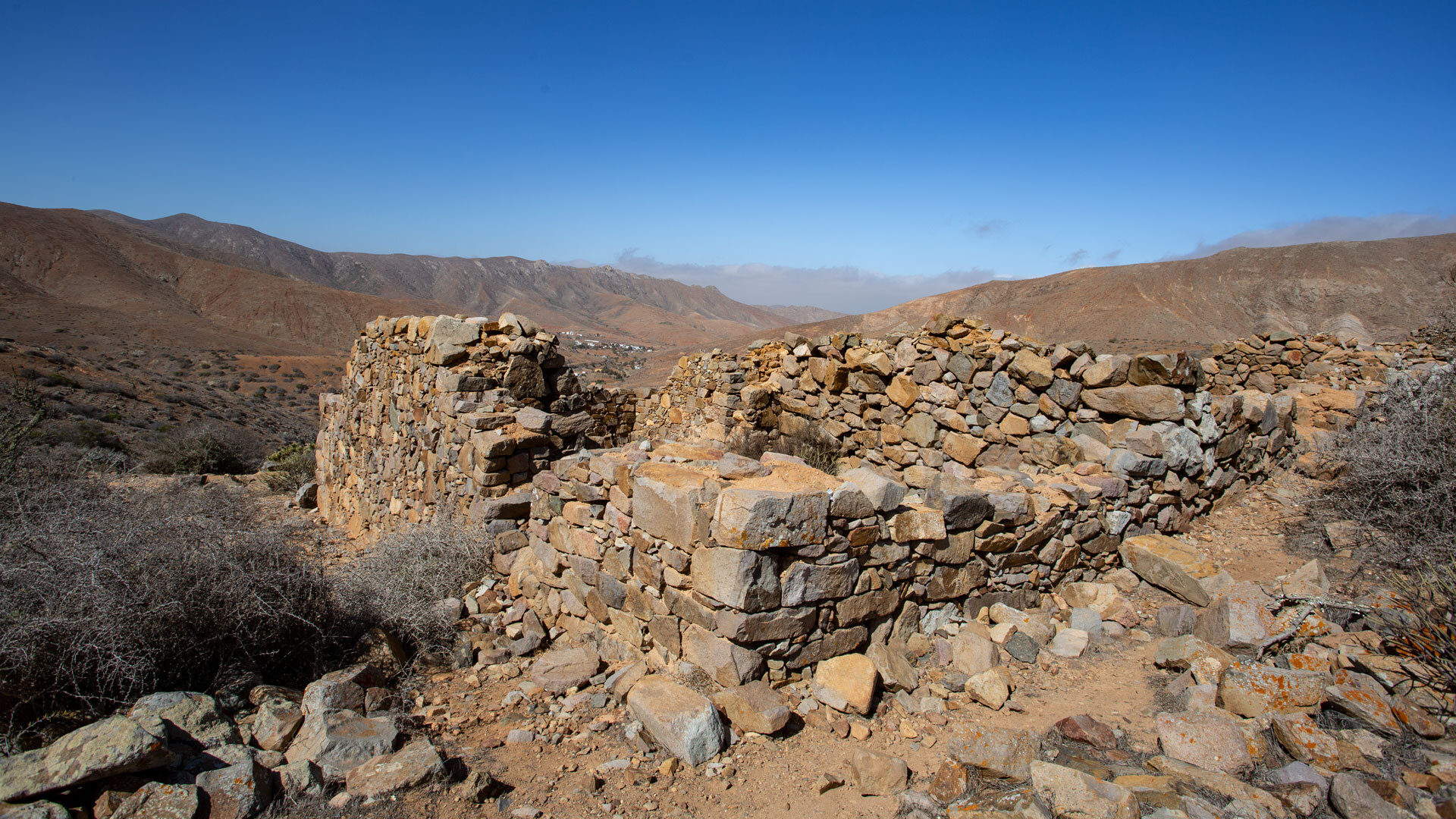
The walks through the Parque Rural de Betancuria wind their way through hilly, at times astonishingly green landscapes, past charming villages such as Vega de Río Palmas, through narrow rocky gorges and over mountain ridges offering breathtaking views. Here, you’re not just walking through a natural landscape – you’re walking through centuries of history.
A particular highlight is the detour to Las Peñitas, where a small reservoir lies amongst bizarre rock formations, forming a tranquil oasis amidst the island’s rugged landscape. The geology and flora of this region are of exceptional scientific value – and offer an even greater experience.
West Coast Trail – Adventure on the wild Atlantic coast
There are hikes you plan – and there are hikes that change you. The Fuerteventura West Coast Trail falls into the second category.
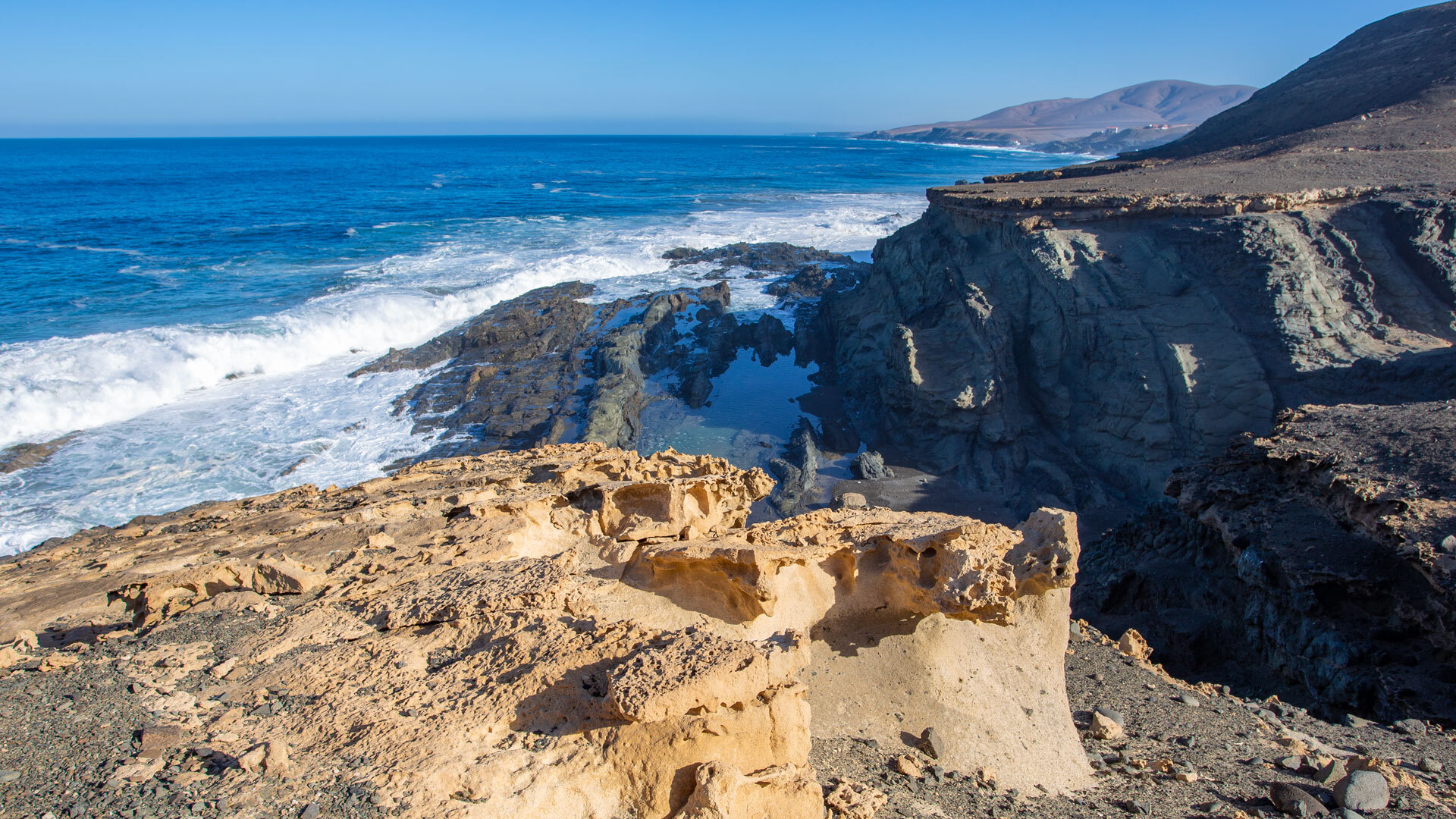
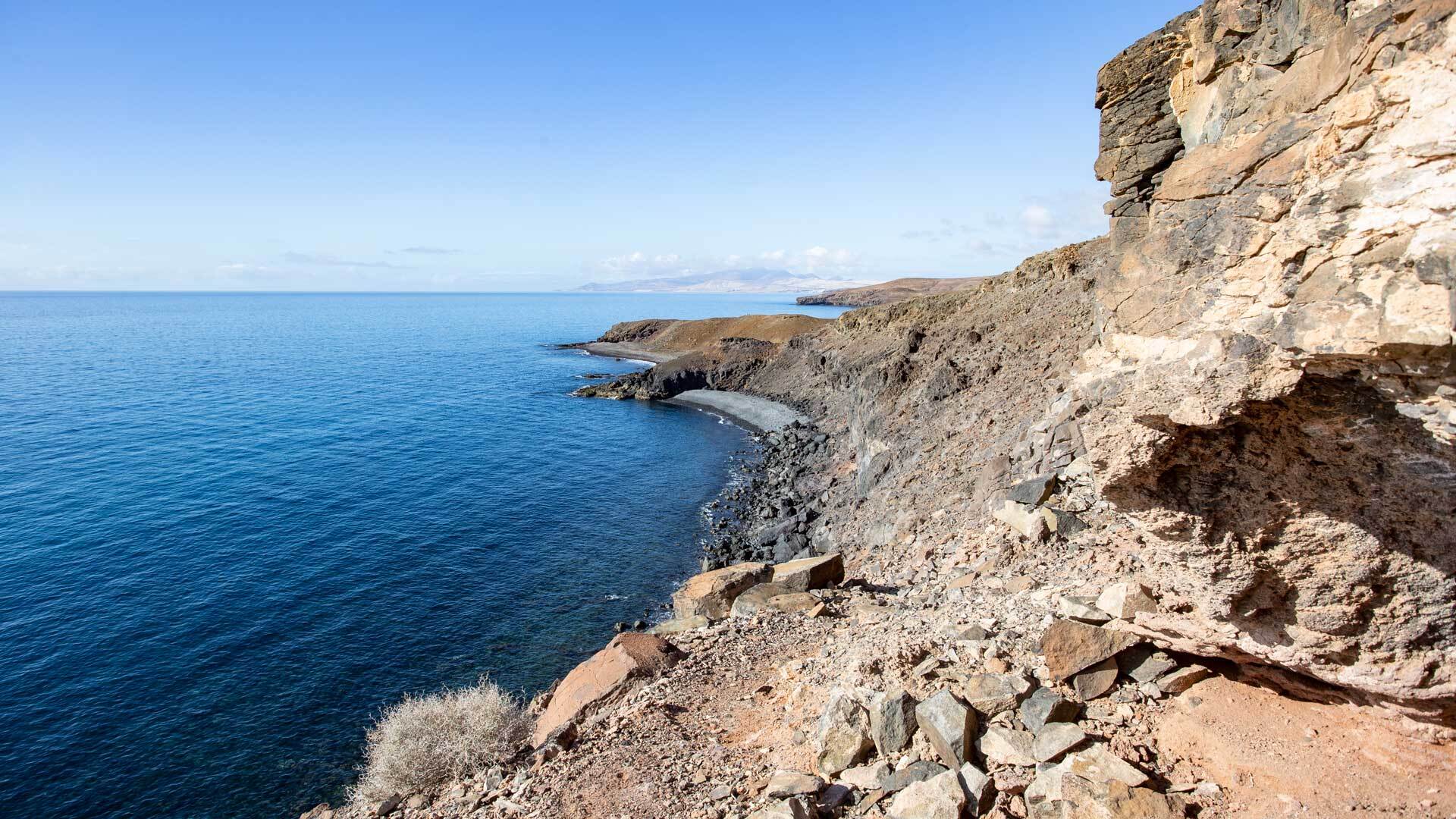
Running along the rugged west coast, this challenging trail winds through a landscape that seems as though it has never truly yielded to human presence. Steep cliffs plunge vertically into the sea. Deep gorges open up abruptly. Secluded beaches, accessible only on foot, invite you to take a break – surrounded by nothing but the roar of the Atlantic waves.
The rock formations on the west coast of Fuerteventura are a geological masterpiece: of volcanic origin, shaped by millions of years of wind and water. You can physically feel the elemental power of this place when you stand here and gaze upon the Atlantic in all its untamed might.
This coastal walk on Fuerteventura is not for leisurely strolls – it is an invitation to truly immerse yourself in the island.
Monumento Natural de Montaña Cardón – Where the indigenous people knew awe
Near the quiet village of Pájara lies one of Fuerteventura’s most impressive natural monuments: the Monumento Natural de Montaña Cardón. The name sounds like a promise – and it delivers on that promise.
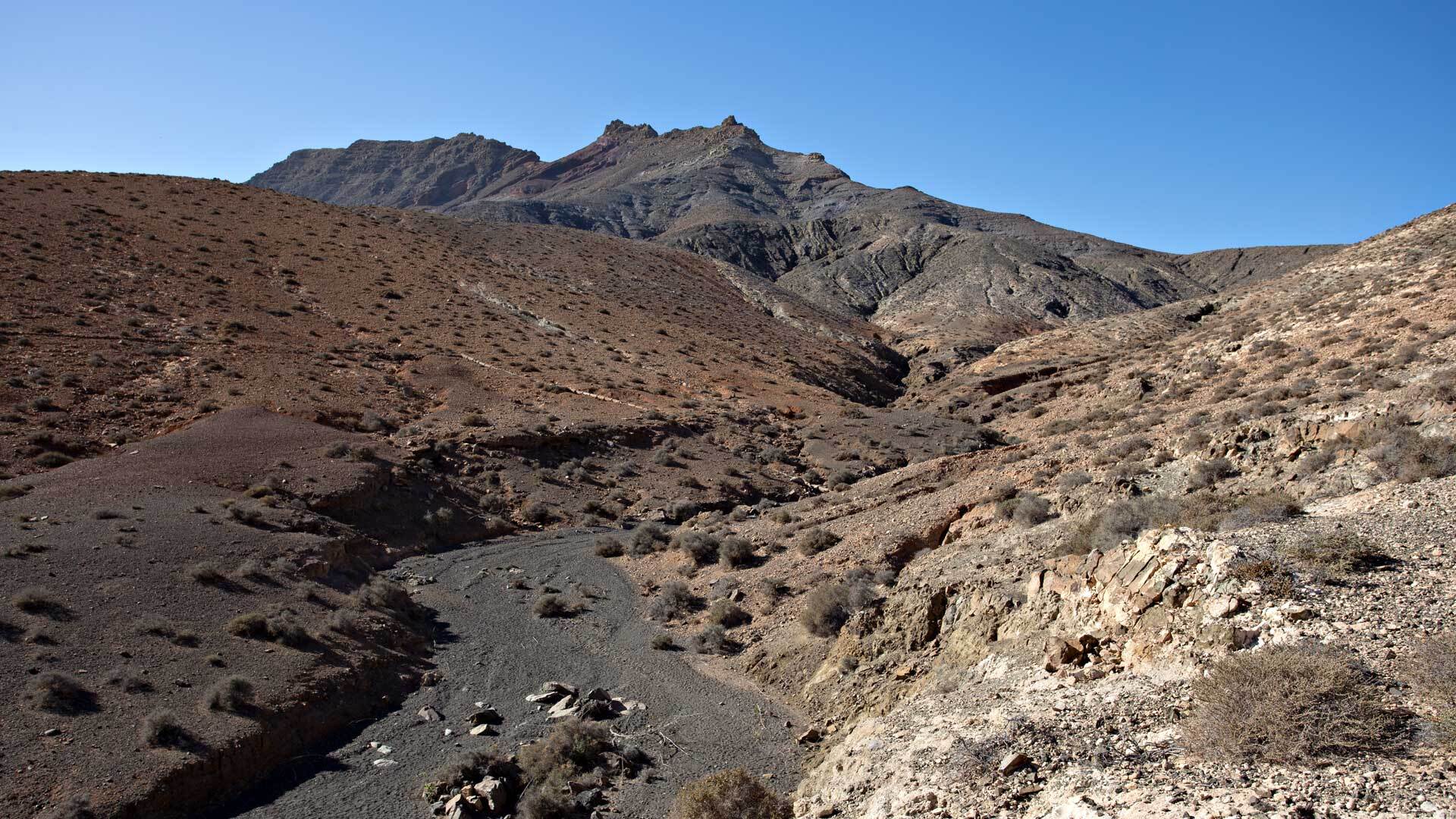
The walking trails around Montaña Cardón lead to stunning summits and offer panoramic views so vast they are almost hard to believe: the sea in the distance, the barren plains of the island below, and the endless blue sky above.
What makes this place even more special is that it was once sacred ground for the Majoreros, the original indigenous people of Fuerteventura. Whilst hiking, you can sense something of this ancient reverence – a quiet solemnity that defies explanation but is clearly palpable.
The walking trails near Pájara combine cultural heritage with a unique experience of nature and are among the island’s most underrated routes.
The north of Fuerteventura – volcanoes, dunes and the scent of freedom
The north is the face of Fuerteventura that most people see first – and yet it holds so much more than meets the eye. Corralejo, with its world-famous dunes, is just the beginning of a natural landscape that stretches far into the island’s interior.
The Corralejo Nature Park protects a dune field of remarkable extent – golden sand dunes rising between the azure blue sea and the black-brown volcanic landscape. A sight that has something almost surreal about it, like the Sahara by the sea.
Further inland, the walking trails in the north of Fuerteventura lead to imposing volcanic cones, through historic cultural landscapes and into the tranquil village of Lajares, which, with its windmills and unspoilt character, offers a wonderful contrast to the tourist hustle and bustle of Corralejo.
The offshore island of Los Lobos – easily accessible by ferry – is another gem of this region: a fully protected nature reserve with crystal-clear water, unspoilt vegetation and a tranquillity that is rarely found these days.
Fuerteventura’s east coast – peaceful paths, hidden treasures
The east coast of Fuerteventura is the quieter counterpart to the island’s wild west side. Here, the sea glows in soft shades of turquoise, whilst the paths wind along flat coastlines and through picturesque gorges that hardly any visitors know about.
Particularly impressive is the walk along the Antalaya Caracol – an imposing mountain range whose paths wind through narrow ravines and past striking rock formations. The silence here is almost palpable. You can hear your own breathing, the crunch of the ground beneath your feet, and occasionally the call of a bird.
The small coastal villages of Giniginamar and Tarajalejo invite you to take a break after strenuous hikes. Fresh fish, your feet in the sand, the sea before your eyes – in moments like these, you understand why the people who live here seem to have little desire to be anywhere else.
The walking trails on the east coast are a real hidden gem for anyone who wants to discover Fuerteventura off the beaten track.
Fuerteventura – An island you have to walk
You can admire Fuerteventura from a sun lounger. But you can also walk it – step by step, trail by trail, nature reserve by nature reserve. And anyone who experiences it this way comes to understand this island in a way that no guidebook or photograph can explain.
Fuerteventura’s nature reserves are not an open-air museum. They are living ecosystems, shaped over millions of years, silent witnesses to a geological history that began long before humankind – and is set to extend far beyond it. Protecting these landscapes is not just a gift to future generations. It is a duty to the very spirit of wonder itself.
Anyone who has ever stood in the dunes of Corralejo, climbed the cliffs of the West Coast Trail or paused in the tranquillity of the Parque Natural de Jandía will carry a piece of this island within them forever.
Experiencing Fuerteventura’s nature – that is more than just an excursion. It is an encounter.
Please note: All hikes should be well prepared: plenty of water, sun protection, sturdy footwear and up-to-date maps are essential. Many trails in the protected areas are subject to specific rules of conduct – please check locally for details.