Road Trip Fuerteventura: 171 Kilometres Through the Wild Heart of the Island
Steering wheel in hand, windows down, a road ahead that seems to lead nowhere – and that is exactly where the real Fuerteventura awaits. Not behind the pool of the nearest resort, not in the souvenir shop. Out there, in the heart of the island, where the roads narrow, the villages shrink, and the stories grow large. This road trip through Fuerteventura covering around 170 kilometres is not a must-do itinerary. It is an invitation to disappear.
Pack your sunscreen. Forget the clock. Let’s go.
Kilometre 0: Caleta de Fuste – Engine On, Time to Go
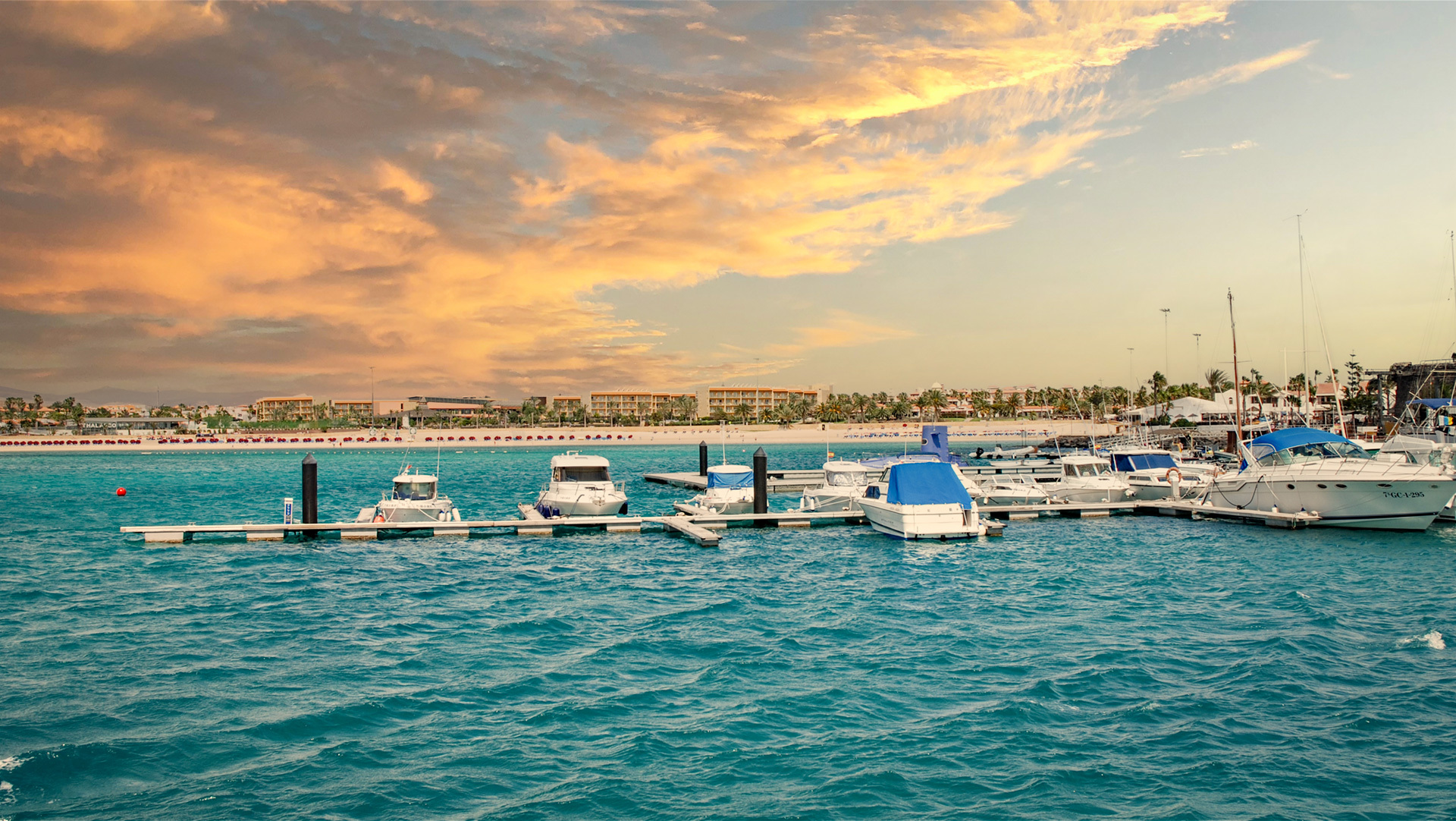
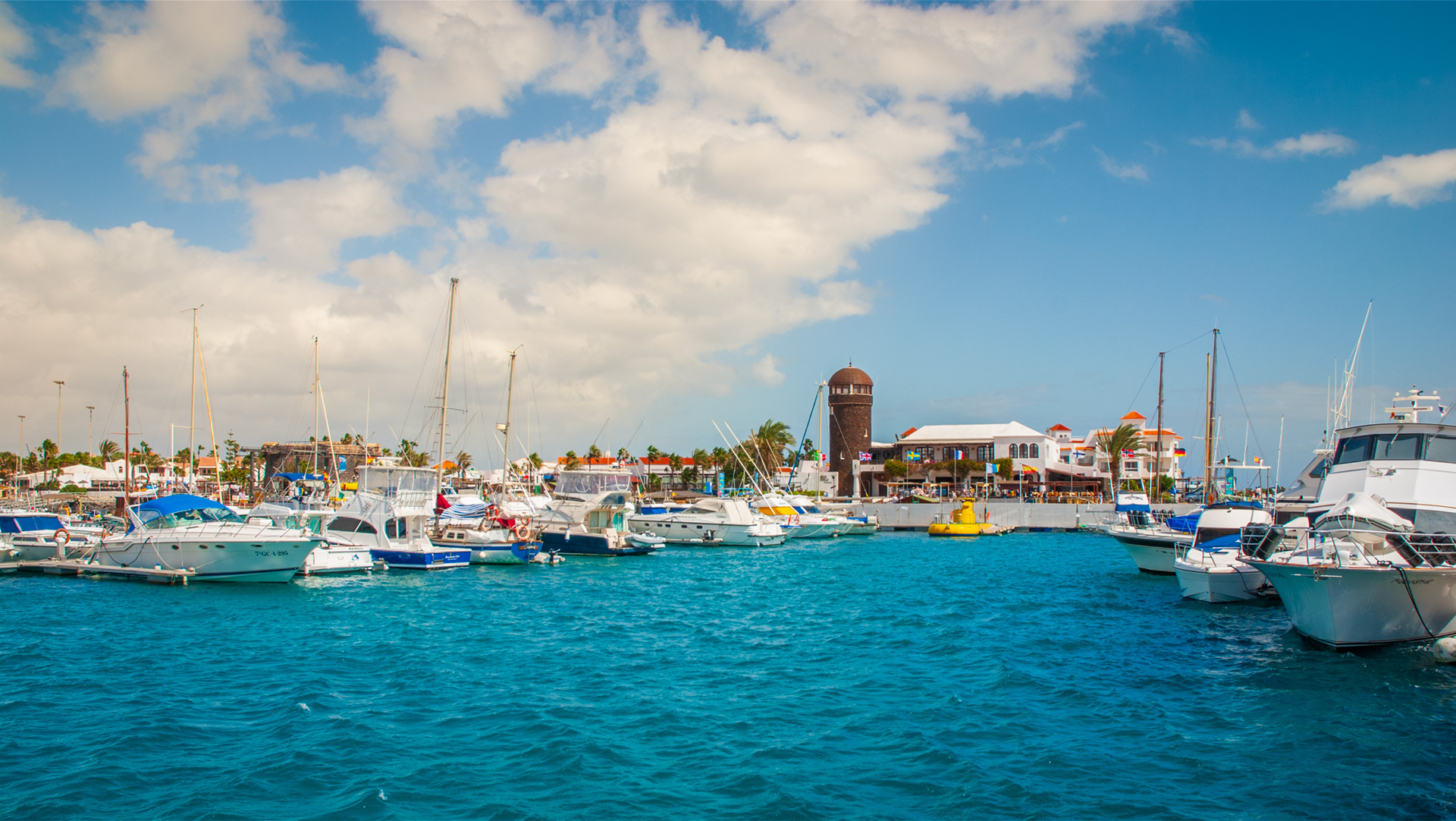
Caleta de Fuste is the perfect starting point – not because it is particularly wild, but because it has everything you need to set off: a hire car, a full tank, coffee. The resort on the east coast, officially Costa Caleta since 2004, is friendly and uncomplicated. If you fancy it, take a quick dip in the sea – the sheltered bay is shallow, calm, and ideal. Then: FV-2 heading north, turn onto the FV-20, and everyday life stays in the rear-view mirror.
Kilometre 18: Casillas del Ángel – The First Stop Barely Anyone Knows About
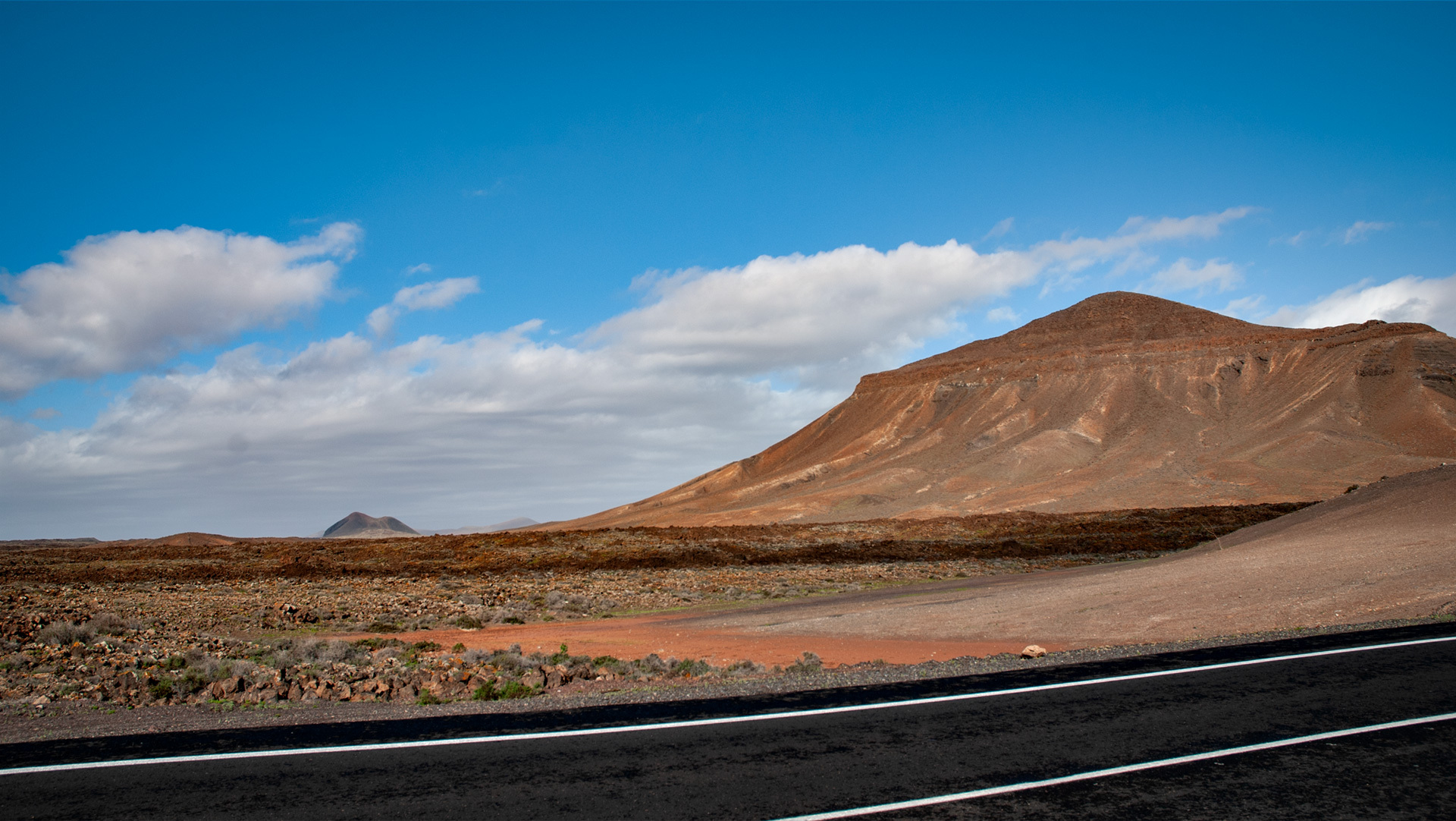
On the FV-20, the adventure begins with the world growing quieter. Wide plains, lava fields, barely any traffic. After about 18 kilometres, Casillas del Ángel appears – “Houses of the Angels”. If you are not paying attention, you will simply drive straight through. Don’t.
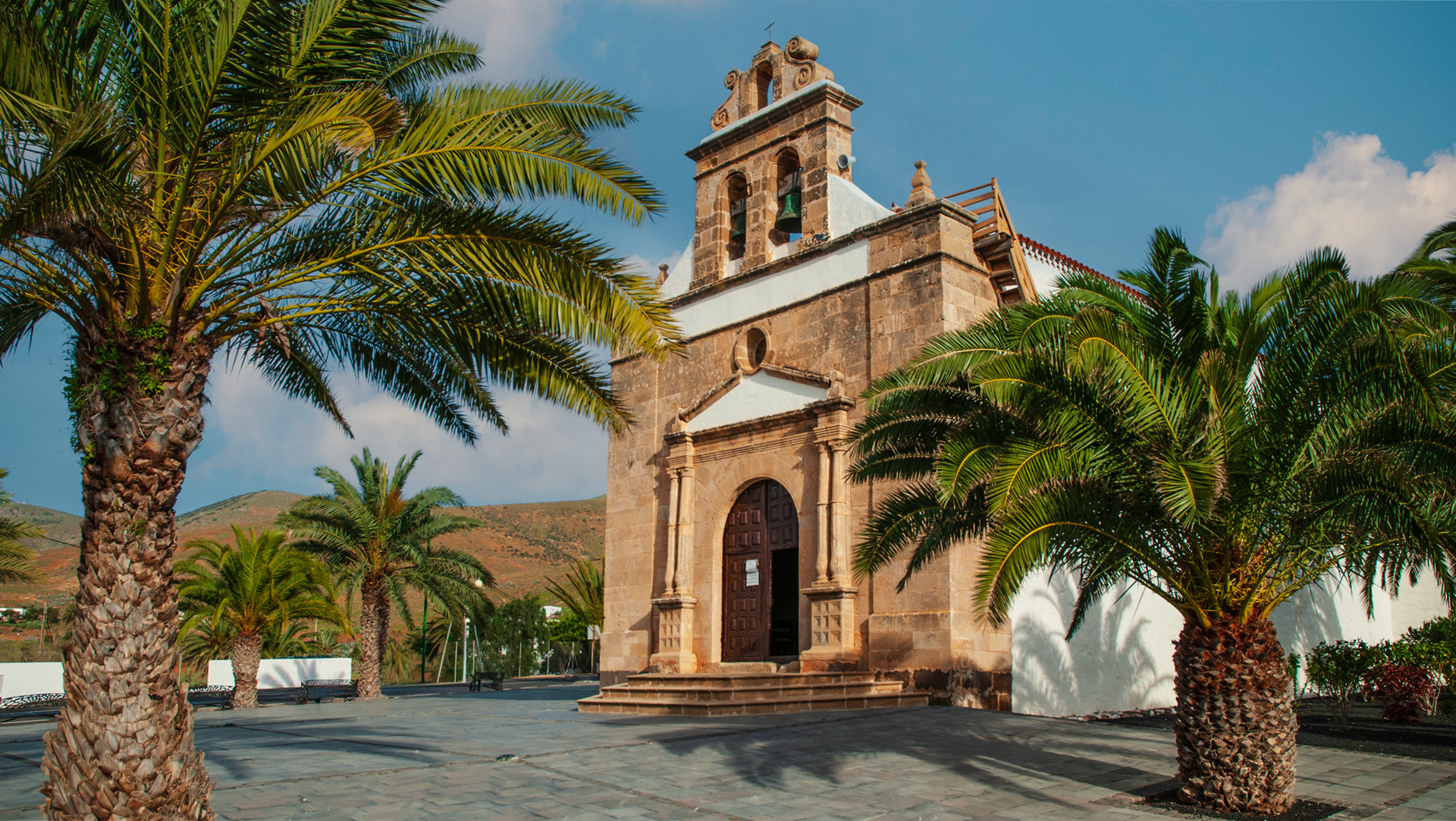
The bell tower of the Iglesia Santa Ana, dating from the 18th century, is the first sign that something special is waiting here. The church is locked? No problem – the key is kept at number 20, just across the road. That is still how things work in the real Fuerteventura. In spring, the almond trees around the village burst into full bloom. A sight you simply do not forget.
Kilometre 28: Valle de Santa Inés – Potters, Altars, and the Feeling of Travelling Through Time
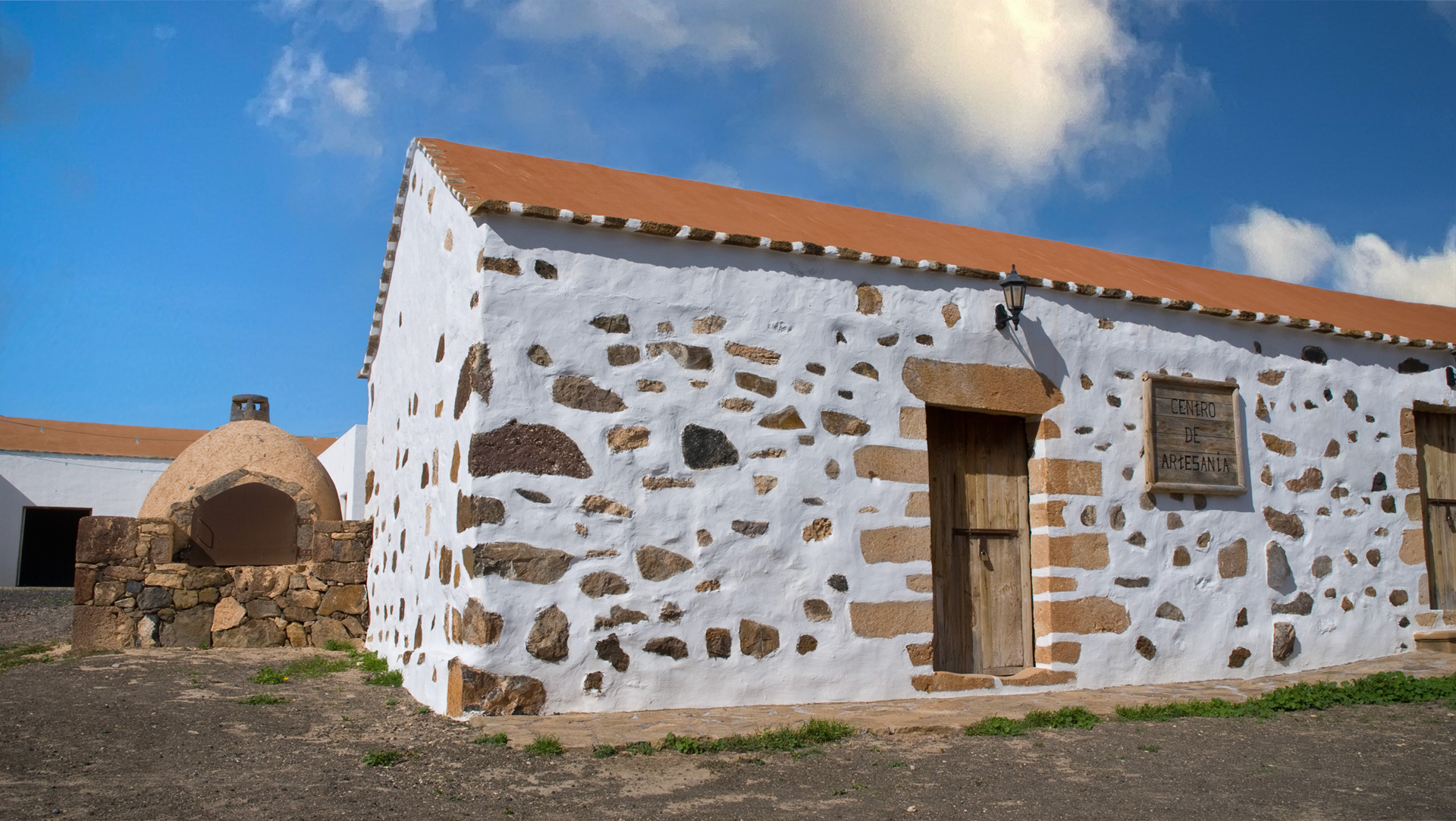
Turn right onto the FV-30, eight kilometres further on, and you arrive in Valle de Santa Inés – a valley that looks as though someone simply stopped time. A pottery workshop on the edge of the village beckons: kilns, clay vessels, the ancient craft of the island’s original inhabitants, still very much alive. And then the small 17th-century chapel – inside, a Baroque altar and paintings considered the finest on the entire island.
Nobody is here. The silence belongs to you alone.
Kilometre 35: Betancuria – The Town That Has Survived Everything
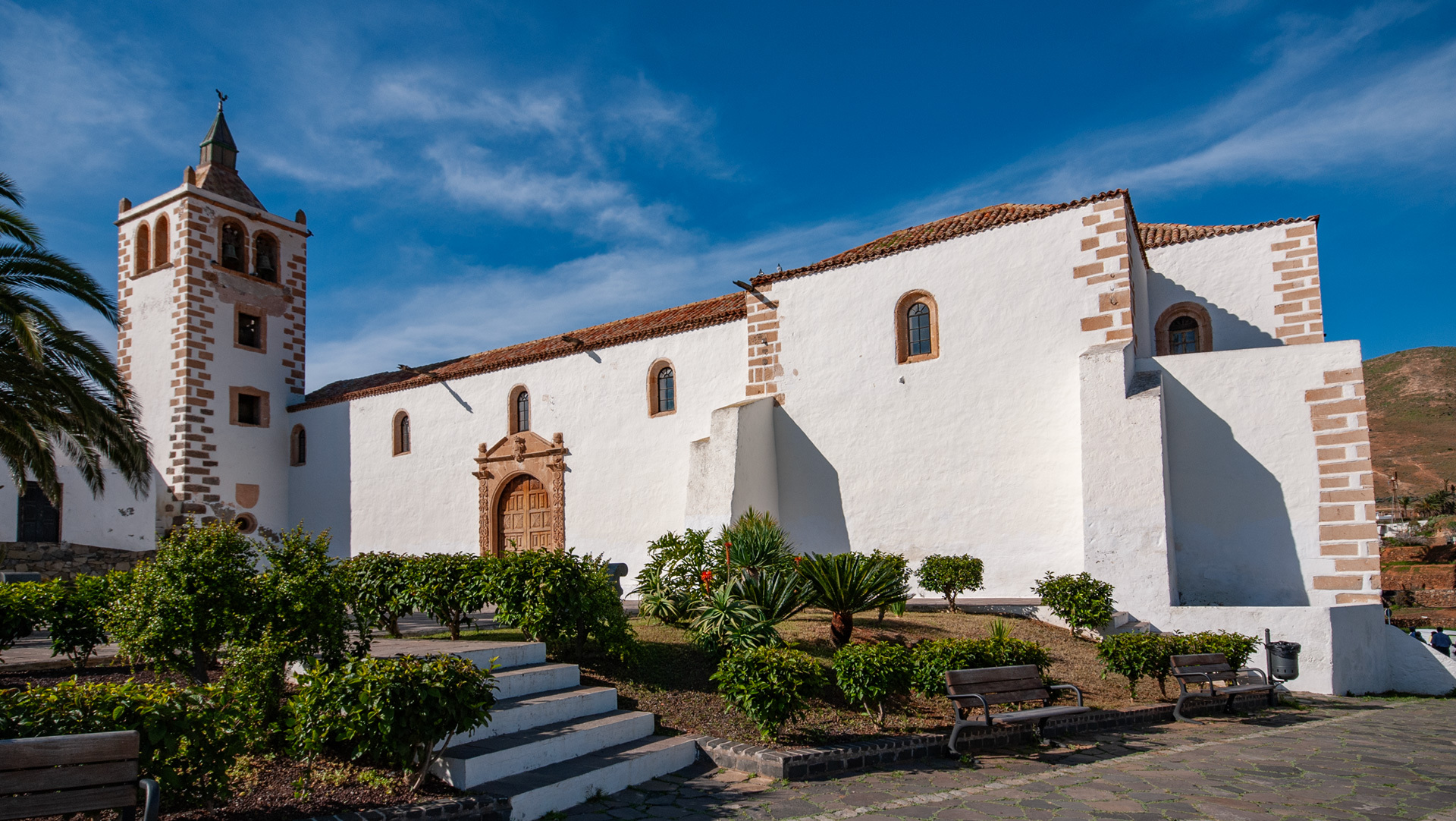
Five kilometres further on the FV-30 and you are standing in Betancuria – the old capital of Fuerteventura, which has survived pirates, raids, and centuries of history. The streets are narrow, the houses white, the gardens ornate. Town houses serve as a reminder that power and culture once made their home here.
The Iglesia de Santa María is a must: a three-aisled fortified church with walls thick enough to repel pirate attacks. Inside, the contrast is striking – a delicate pine-wood ceiling in the Mudéjar style, a gold-adorned altar. History you can feel.
Betancuria Fuerteventura is the place where you plan for one hour and stay for two.
Kilometre 40: Vega de Río de las Palmas – Oasis in the Middle of Nowhere
Anyone who assumes Fuerteventura is nothing but desert after visiting Betancuria is in for a surprise. Vega de Río de las Palmas is a genuine oasis – the most fertile valley on the island, with the finest palm groves for miles around. Tomato fields, a dried-up riverbed that only fills in winter, and at the end the abandoned reservoir, long since transformed into a quiet nature reserve.
Two churches await those willing to explore: the Iglesia Nuestra Señora de la Peña from the 17th century in the village – and the small Ermita de Virgen de la Peña to the west, along a hiking trail known only to those in the know.
Kilometre 50: Pájara – The Aztec Puzzle of the Canaries
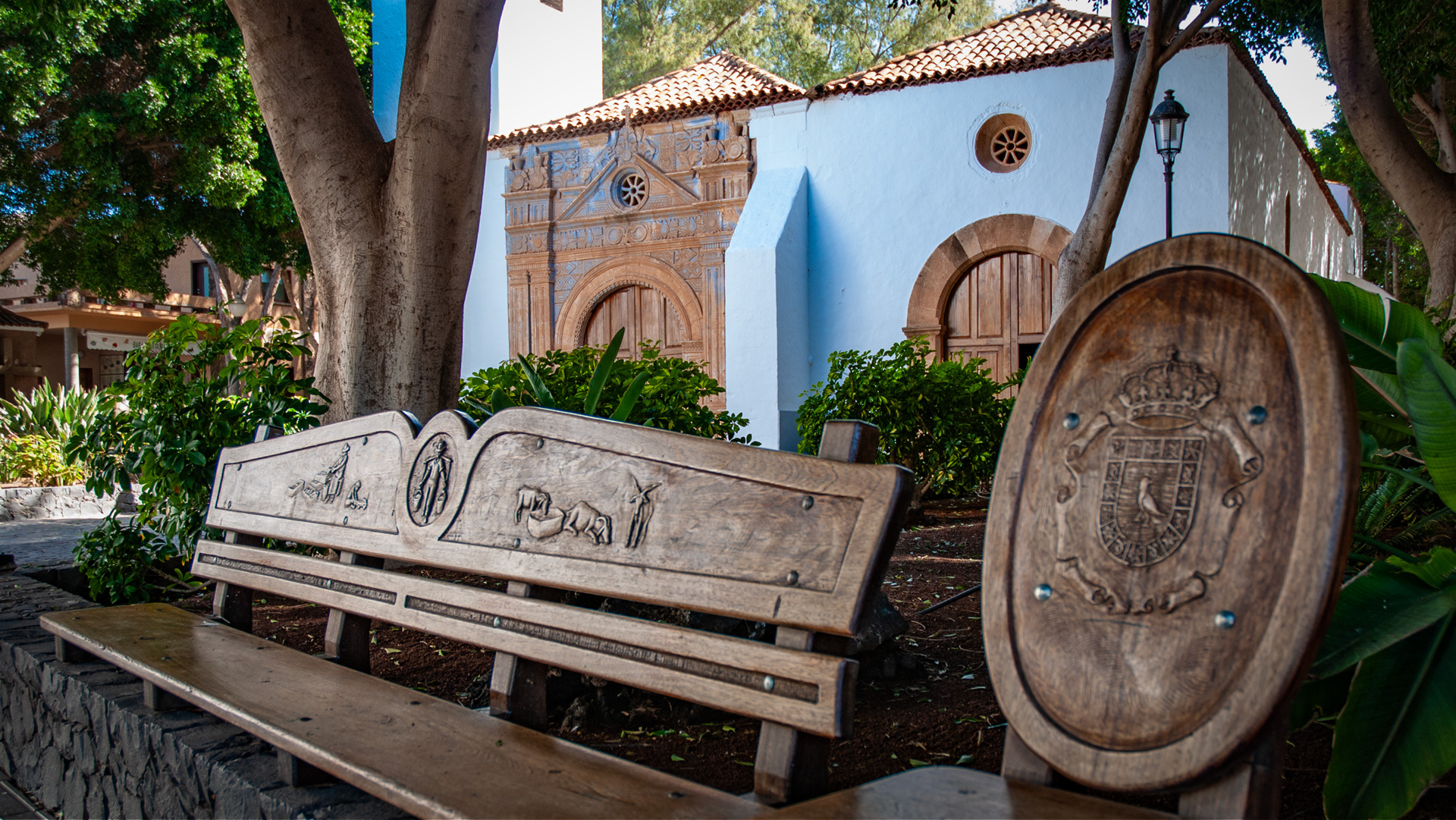
The winding FV-30 continues for ten more kilometres to Pájara. The municipality’s administrative centre carries itself with confidence: town houses, green spaces, an open-air swimming pool. But the real talking point is the portal of the Iglesia de Virgen de la Regla – decorated with Aztec motifs that nobody would expect to find here, on the Canary Islands. Where did they come from? Historians are still debating. One of the small goosebump moments of this tour.
Kilometre 58: Ajuy – Pirate Coast, Black Caves, Fresh-Caught Fish
From Pájara, the FV-621 leads eight kilometres westward to the sea – and what a sea it is. Ajuy is not a bathing resort. Ajuy is a place with character, claws, and a history full of pirates.
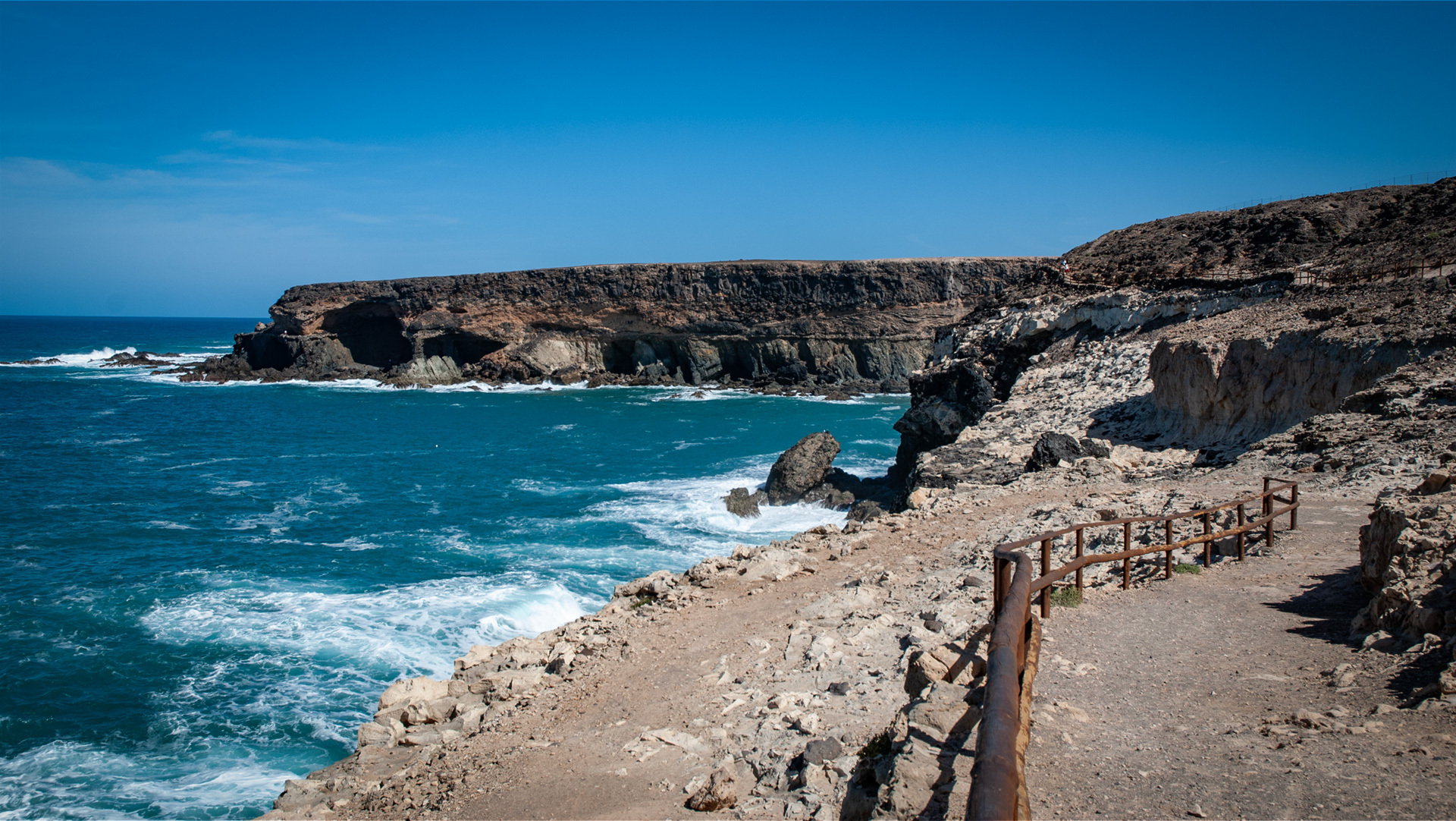
The Playa de los Muertos – the “Beach of the Dead” – earned its name for good reason. Black rocks, wild Atlantic, a coastline marked by centuries of raids. Swimming here is not a good idea. Exploring, however, very much is. A little further north lies Caleta Negra, a black-sand cove with branching cave systems you can enter – carefully, with a torch, with the thrill of genuine discovery.
If you are hungry afterwards – and you will be – head to one of the fish restaurants in Ajuy. Freshly caught, unpretentious, outstanding.
Kilometre 87: Gran Tarajal – The Urban Side of Fuerteventura
Back on the FV-621, then FV-605 through Cardón, finally FV-2 southbound and turn right: Gran Tarajal, the second-largest town on Fuerteventura. No tourist bustle – just real everyday life in the Canaries.
The centrepiece is the palm grove – once nearly lost through over-extraction of groundwater, now carefully maintained and set within a park. Local residents sit in the cafés on the square in front of the church, children play, life moves at its own pace. This is the place to take a break, drink a coffee, and watch Fuerteventura breathe when nobody is photographing it.
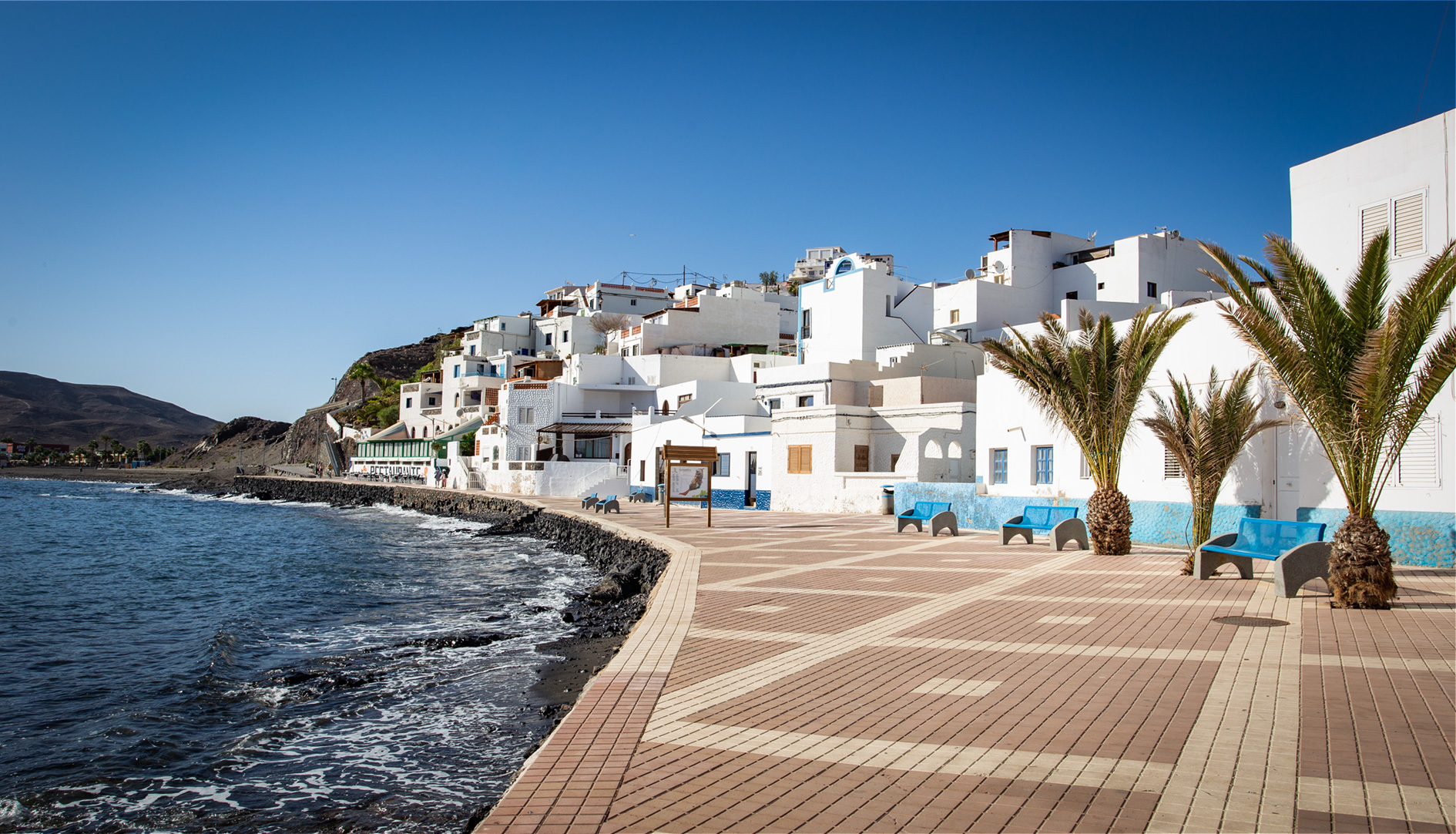
Kilometre 91: Las Playitas – The Fishing Village on the Hillside
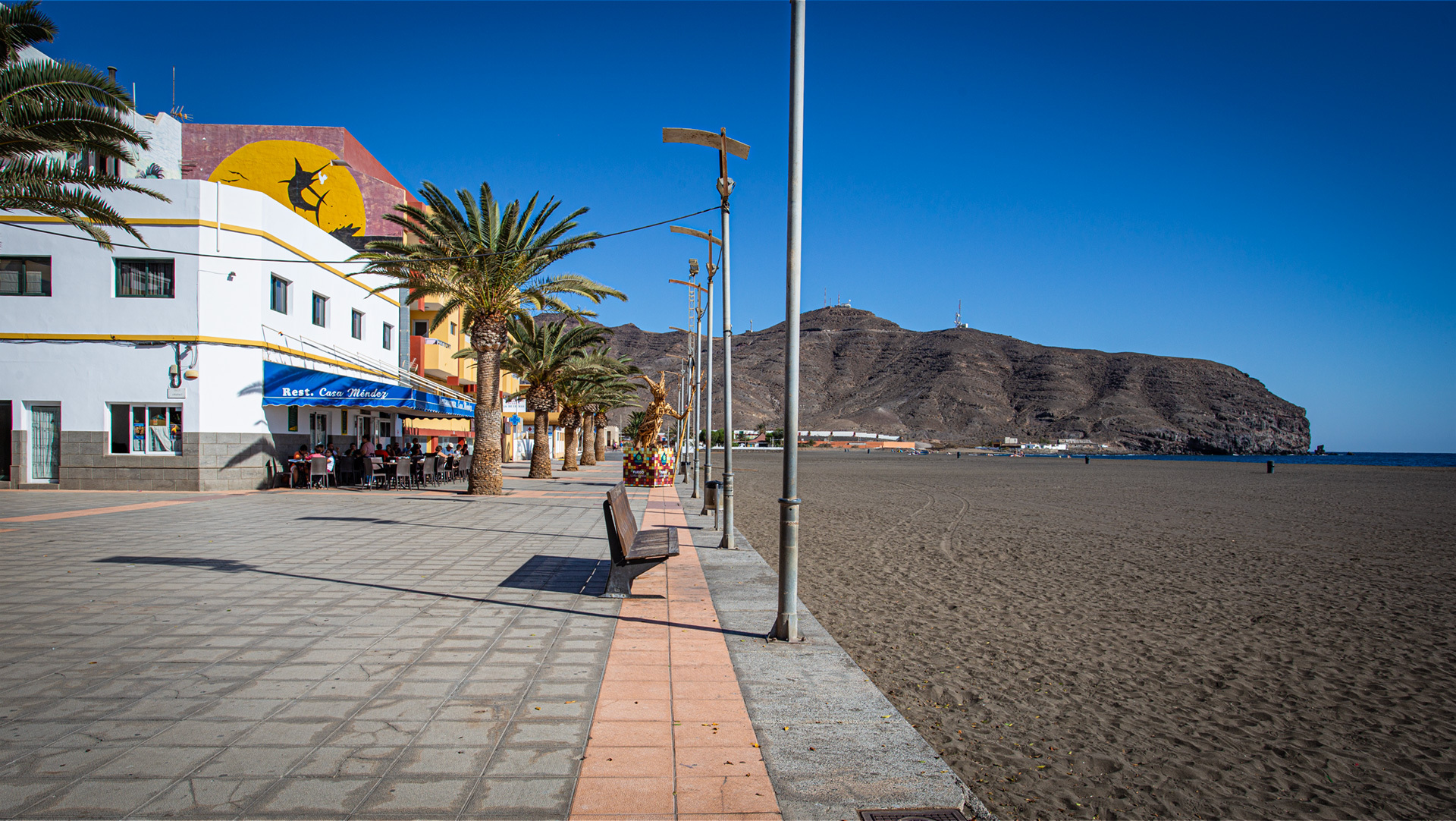
Four kilometres east along the FV-512 lies Las Playitas, and anyone who arrives there immediately understands why locals spend their summer holidays here. The houses stack picturesquely on top of one another along the hillside, each with a sea view, each with a story. The village is quiet, almost drowsy – and that is precisely the point.
Here, too: fish restaurants, fresh catch of the day, the sound of the waves. The second unmissable stop for food lovers on this tour.
Kilometre 104: La Atalayita – A Settlement from Another Age
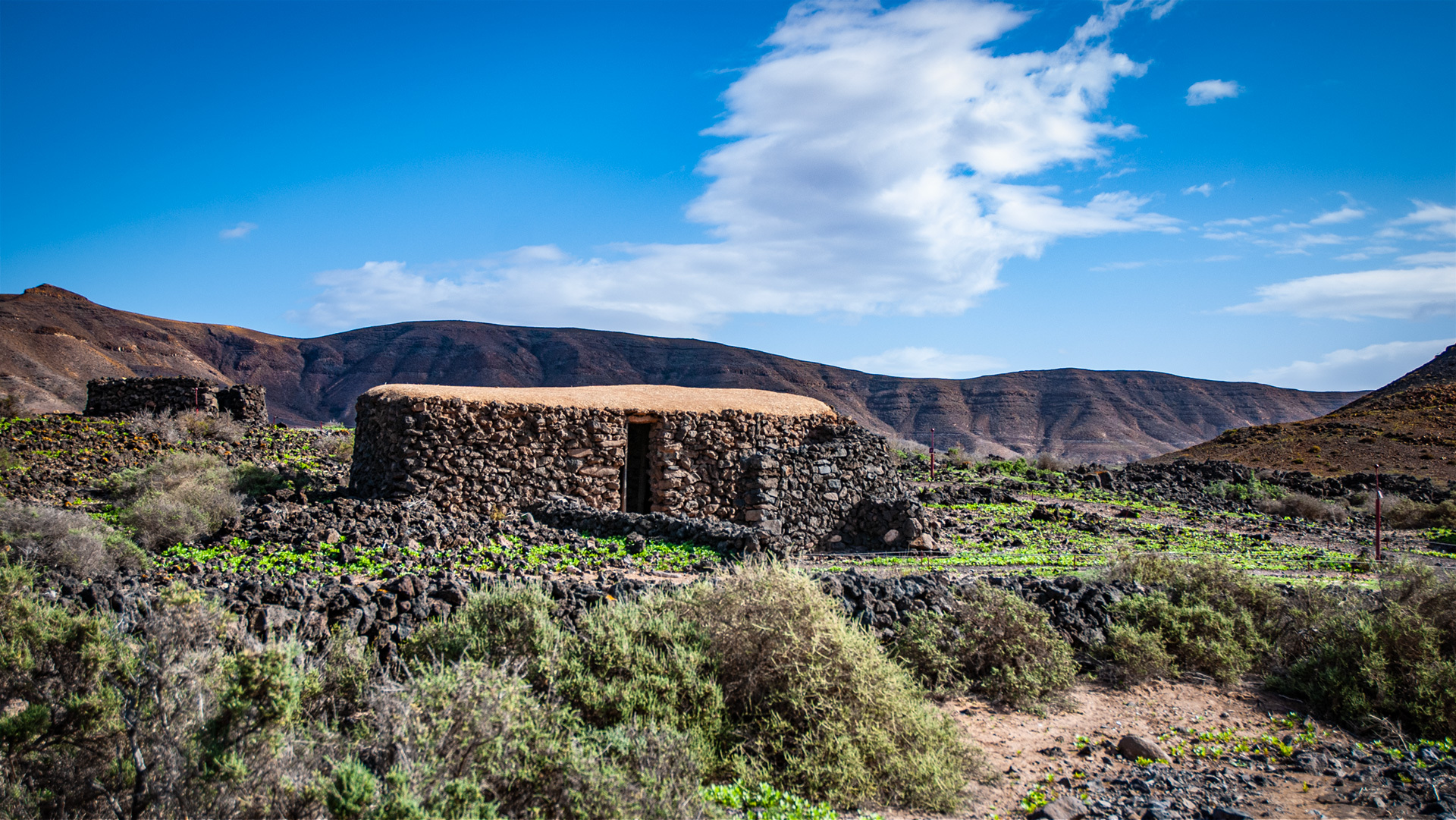
Back on the FV-2, then FV-420, then a dirt track: those willing to drive a few kilometres of gravel road will be rewarded. La Atalayita is a restored settlement of Fuerteventura’s original inhabitants – the Guanches built here, lived here, left behind stones that still stand today. Marked paths lead through the site, and a visitor centre provides the context. It is one of those places where you suddenly understand just how ancient this island really is.
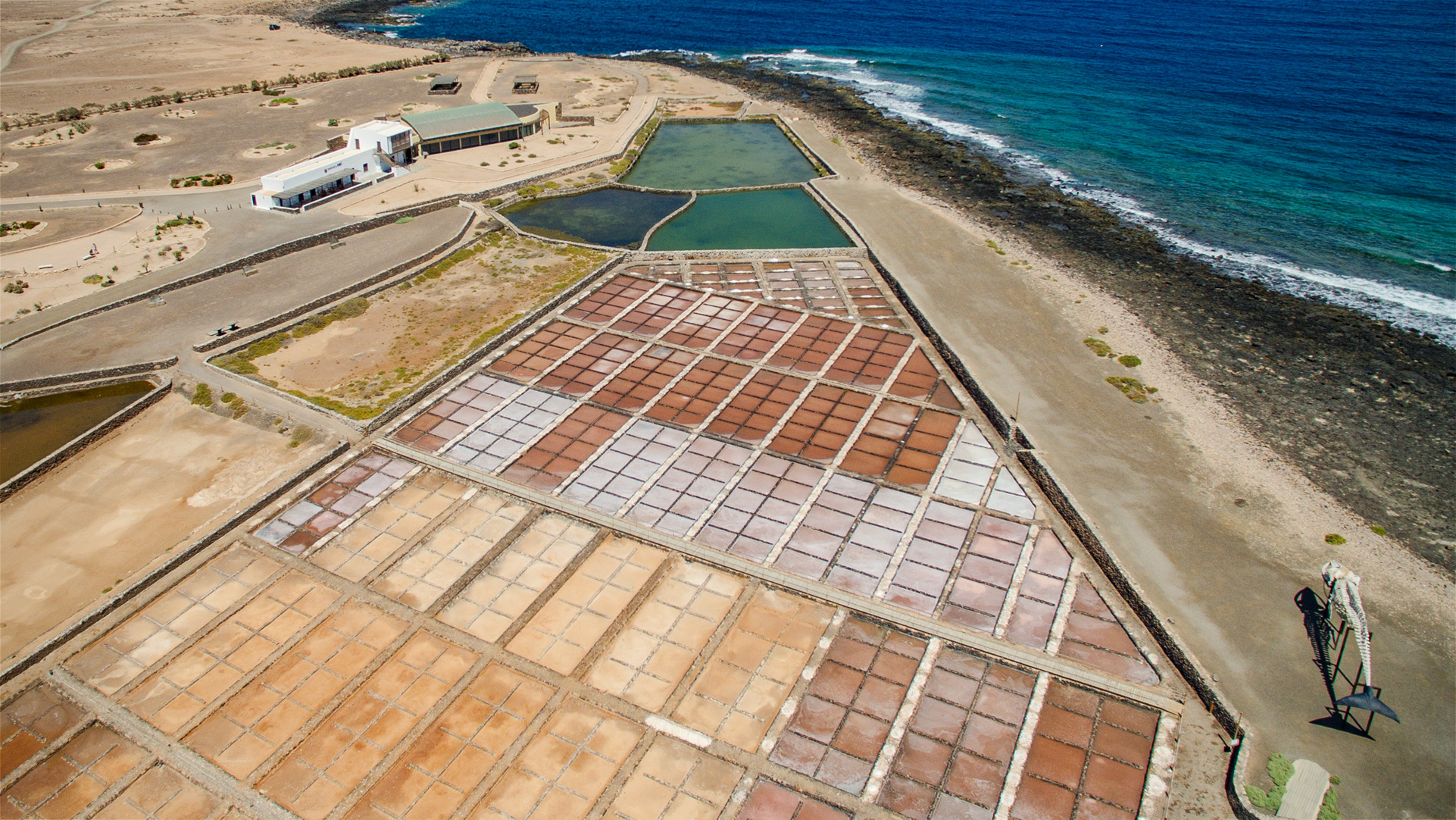
Kilometre 116: Salinas del Carmen – White, Still, Surreal
Twelve kilometres further along the FV-2 – attention: turn sharply right after 2.5 kilometres – and you are standing before the Salinas del Carmen. White salt fields as far as the eye can see, silence, sun, the shimmer of crystals in the light. What was once salt production is now a visitor centre with guided tours. The process of salt extraction can be observed live in the fields – meditative, almost unreally beautiful.
A good place to breathe deeply. The final kilometres are waiting.
Kilometre 128: Back in Caleta de Fuste – Arrival After a Long Day
The FV-2 leads northward back to Caleta de Fuste. The sea glitters. The road is empty. At some point the familiar resort reappears – and it looks different now. Smaller. More relaxed. Because you now know what lies behind it.
171.7 kilometres. An old capital. Pirate shores. Aztec churches. Black caves. Fish straight from the Atlantic. The heart of Fuerteventura is no longer a secret once you have seen it. But as long as you keep it to yourself – why not?