Whale Watching in Fuerteventura – where the Atlantic reveals its secrets
The wind smells of salt, and beneath the keel the deep blue waters of the Atlantic glide past. Anyone on Fuerteventura who views the sea not merely from the beach but ventures out – out into that vast expanse between island and Africa – understands why these waters rank among the most exciting whale-watching destinations in Europe.
Glass-Bottom Boats in Corralejo – a Window into Another World
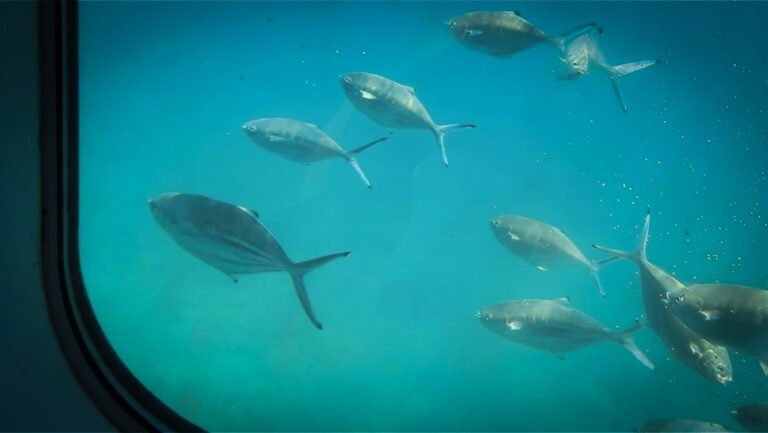
In the north, in the lively town of Corralejo, several operators run tours to Isla de Lobos – an uninhabited nature reserve island with turquoise water and white sandbanks. On board glass-bottom boats such as the Catamarán Celia Cruz or the El Majorero, you can look directly through the hull into the underwater world. Small rays glide past, shoals of fish drift by. The crossing takes around 45 minutes – more than enough time to marvel. Operators such as Fuertecharter and Naviera Nortour round off the programme with snorkelling, SUP and kayaking.
The Pirate Ship in Morro Jable – Adventure for Young and Old
Anyone in the south of the island, in Morro Jable, looking for a special boat trip in Fuerteventura will find it quickly: the Pedra Sartaña, a restored two-masted schooner from 1940 that once sailed as a cargo vessel under the Spanish flag, lies in the harbour waiting for new adventurers. Completely restored in the late 1980s, the “pirate ship” is today a floating experience.
Children learn under supervision how to tie sailor’s knots. There is swimming, snorkelling and fishing. Anyone who wishes can survive “dangerous sea manoeuvres” together with the crew. The 5-hour tours depart in summer at 9:30 and 14:30, in winter mornings only. Refreshments are included – everything is taken care of on board.
Whale Watching Fuerteventura – 28 Species in the Channel off Africa
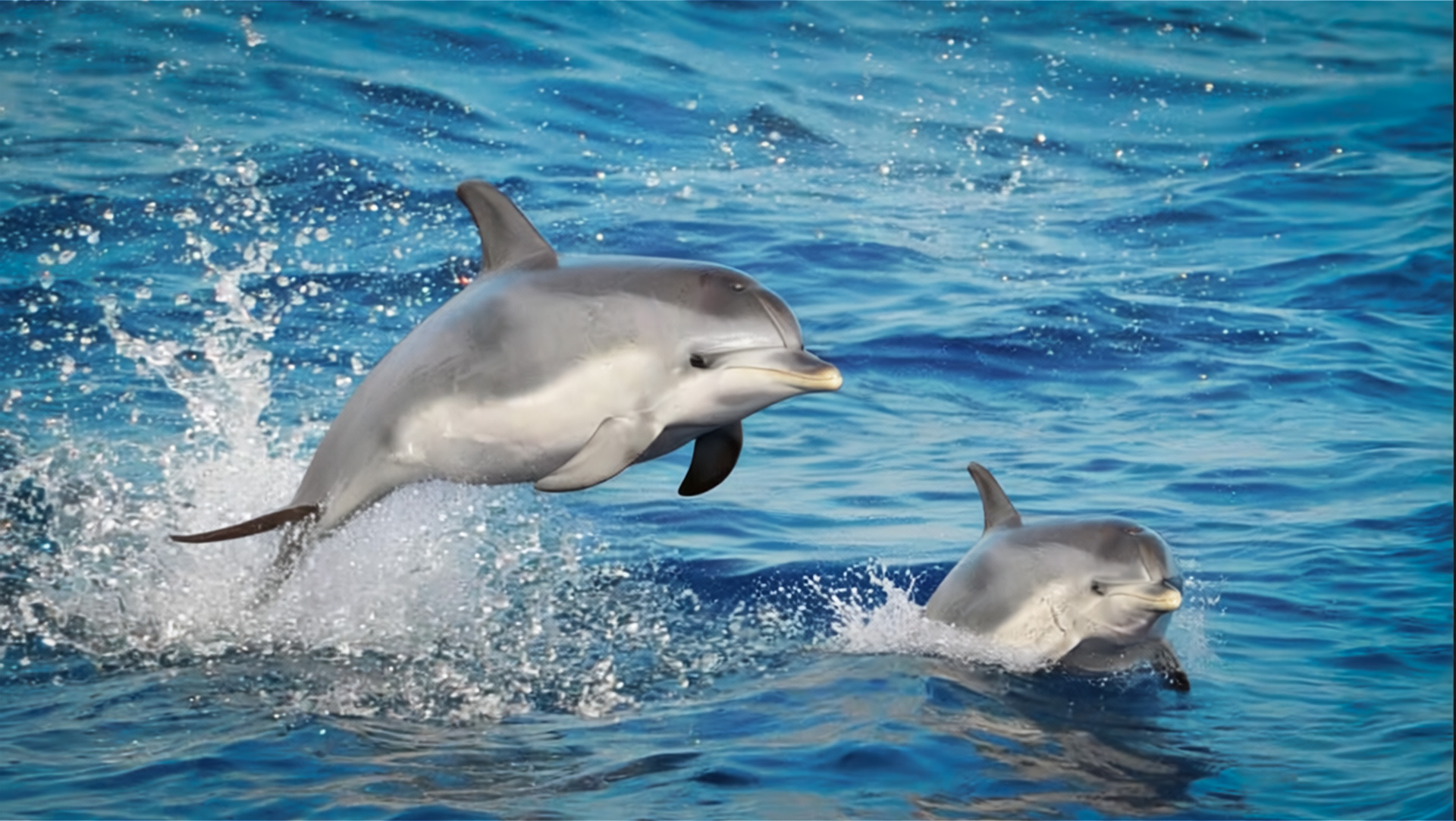
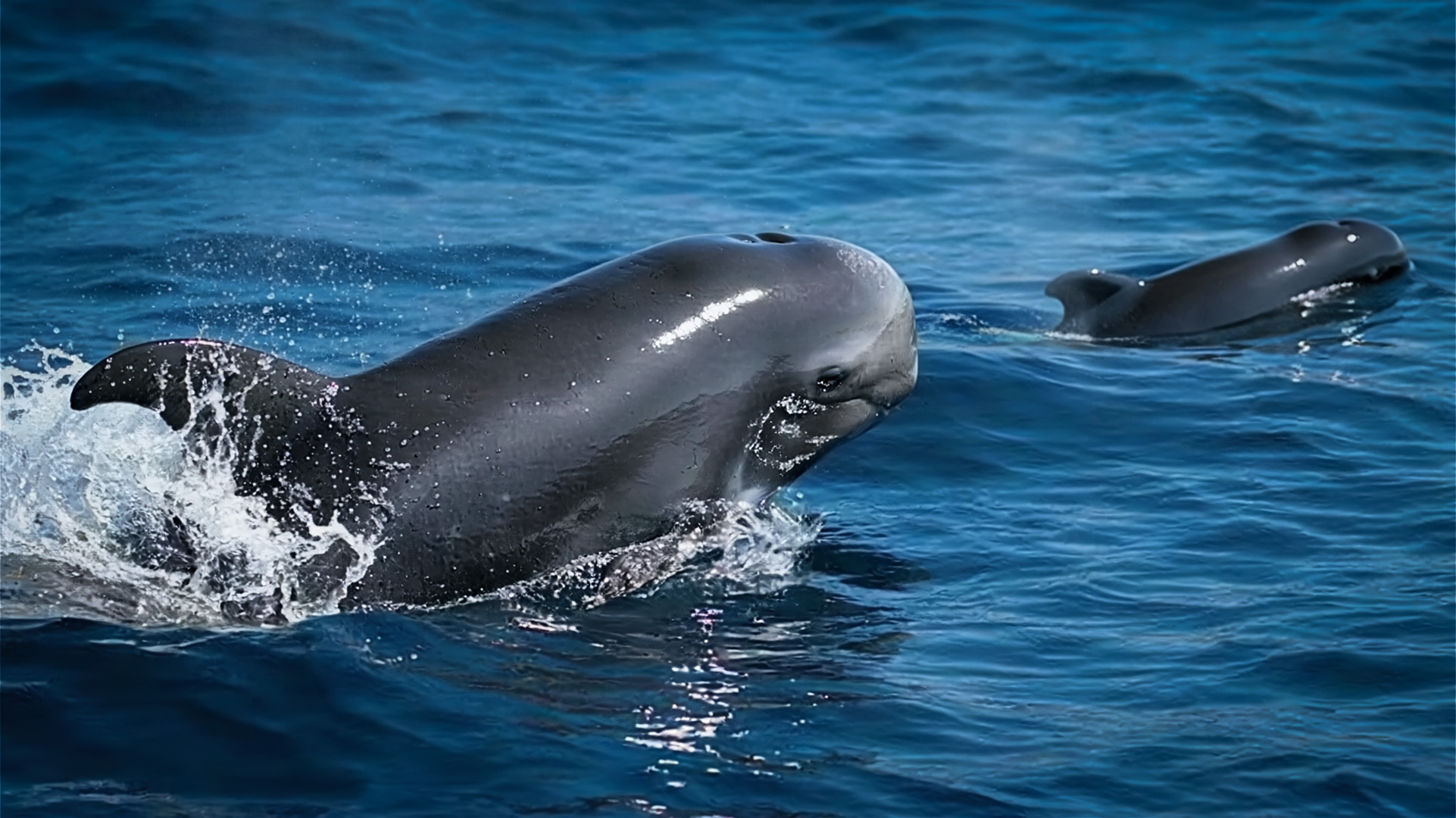
The channel between Fuerteventura and the African coast is a major migration route for more than 28 species of whale and dolphin. Common bottlenose dolphins, pilot whales (long-finned pilot whales) and rare deep-sea species pass through these waters throughout the year, with a particular concentration in spring and early summer.
With a bit of luck they surface beside the boat, accompany the bow or leap on the horizon. Such a moment cannot be bought – but you can improve your chances by choosing the right operators.
🐬 Important: When booking, look for the “Barco Azul” seal (yellow flag with blue logo). Only these boats observe the legal protection distances and do not disturb the animals.
The Best Spots at a Glance
South – Jandía / Morro Jable: Here the chances of spotting dolphins and pilot whales are greatest. Tours last 3–4 hours and head far out into the open Atlantic.
North – Corralejo: The focus is on Isla de Lobos, snorkelling and the dreamlike clear water. More relaxed than wildly romantic.
East – Caleta de Fuste: A good mix of coastal sightseeing and the targeted search for migrating whales. Operators such as Oby Cat or Oceanarium Explorer offer exclusive, small-group tours here.
Top Operators for Boat Trips & Whale Watching 2026
| Operator | Departure point | Boat type | Highlights | Price approx. |
|---|---|---|---|---|
| Odyssee 3 | Morro Jable | Glass-bottom catamaran | Underwater view, water slide, food & drinks incl. | 65–75 € |
| Magic Select | Morro Jable | Large catamaran | Stable, high sighting chances, focus on dolphins | 59 € |
| Fuertecharter | Corralejo | Speedboat / catamaran | Isla de Lobos, snorkelling, SUP & kayaking incl. | 55–65 € |
| Oby Cat | Caleta de Fuste | Sailing catamaran | Exclusive, frequent pilot whale sightings | 69 € |
Direct Contacts for Operators (WhatsApp / Phone)
South & Central:
North:
Tips Before Departure
Advance booking: Whale-watching tours in Fuerteventura are often fully booked 2–3 days ahead. Booking via WhatsApp is quick and easy – most operators reply in German or English.
Seasickness: The Atlantic can get rough. Anyone prone to motion sickness is better off choosing a large catamaran – it sits more steadily than a speedboat.
Best time to visit: Dolphins can be seen year-round. Whales are spotted more frequently between spring and early summer.
Hotel pick-up: Many operators collect guests from the hotel free of charge – it is always worth asking, especially for visitors staying in Costa Calma.