Fauna Fuerteventura: What to Expect in the Island’s Wilderness
You’re standing on a lava ridge, the wind warm against your face – and suddenly something darts across the rock. In a flash. Silently. Perfectly camouflaged. Welcome to the wilderness of Fuerteventura. The island has a reputation for being barren, empty. But those who look closely encounter genuine nature – raw, surprising and sometimes breathtaking.
Land Animals: Few, but Full of Character
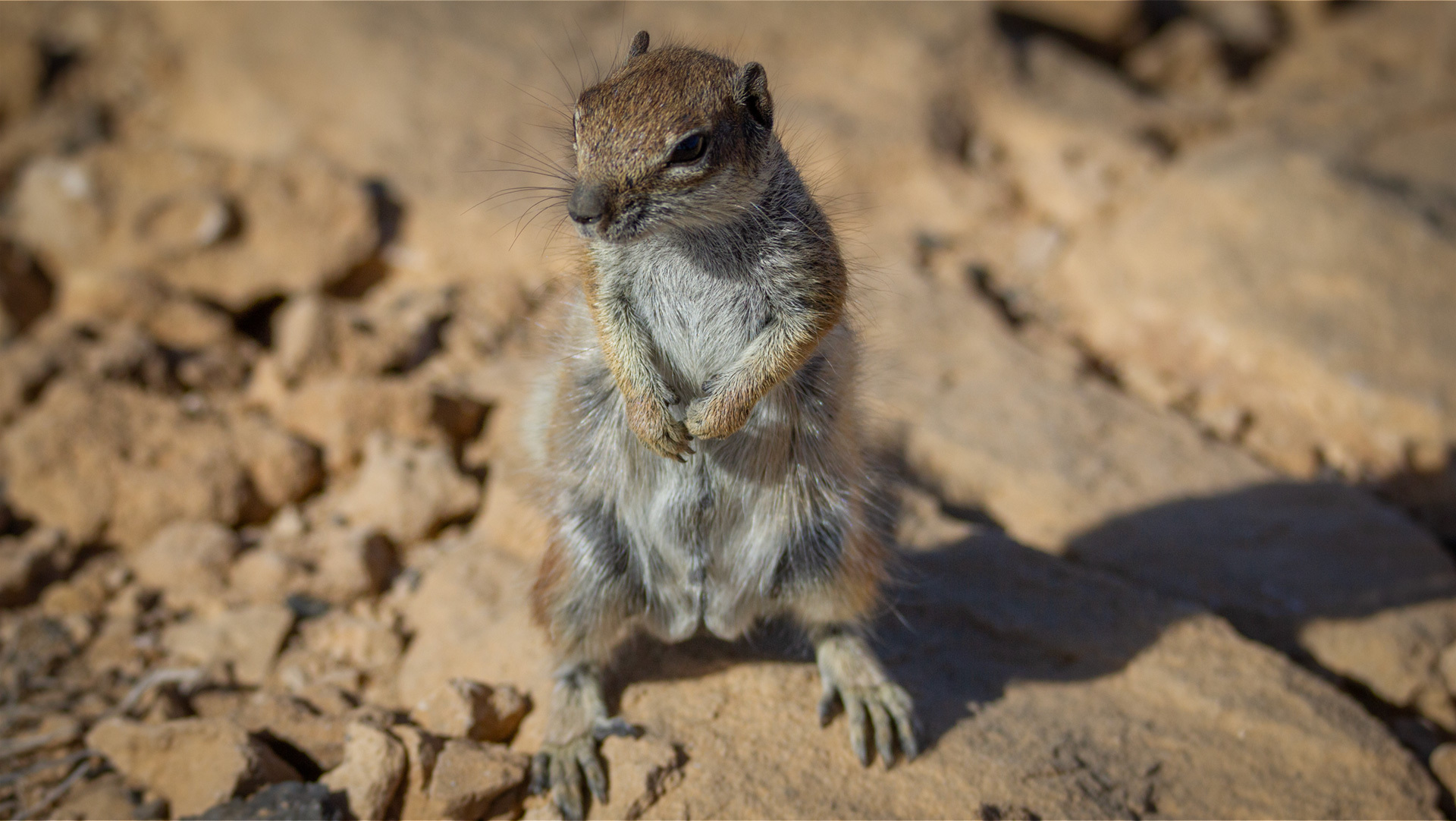
Large wild animals? None to speak of. Instead, Fuerteventura has its own stars: rabbits, hedgehogs, bats and the sprightly North African ground squirrels, darting between stones like wound-up toys. The island’s most iconic creature remains the dromedary – once a beast of burden, today a photogenic travel companion.
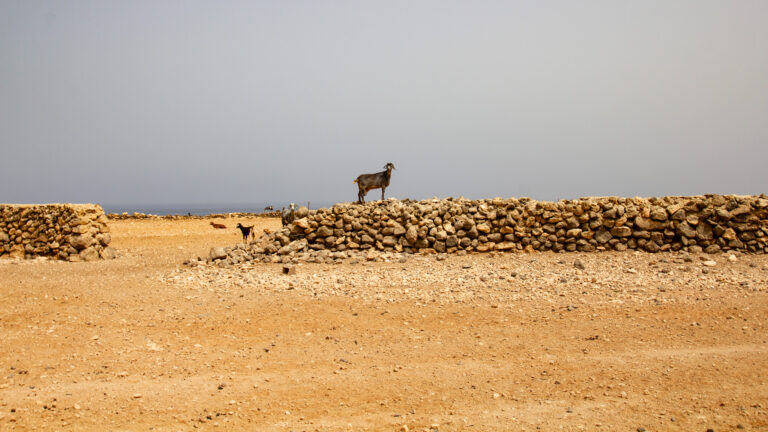
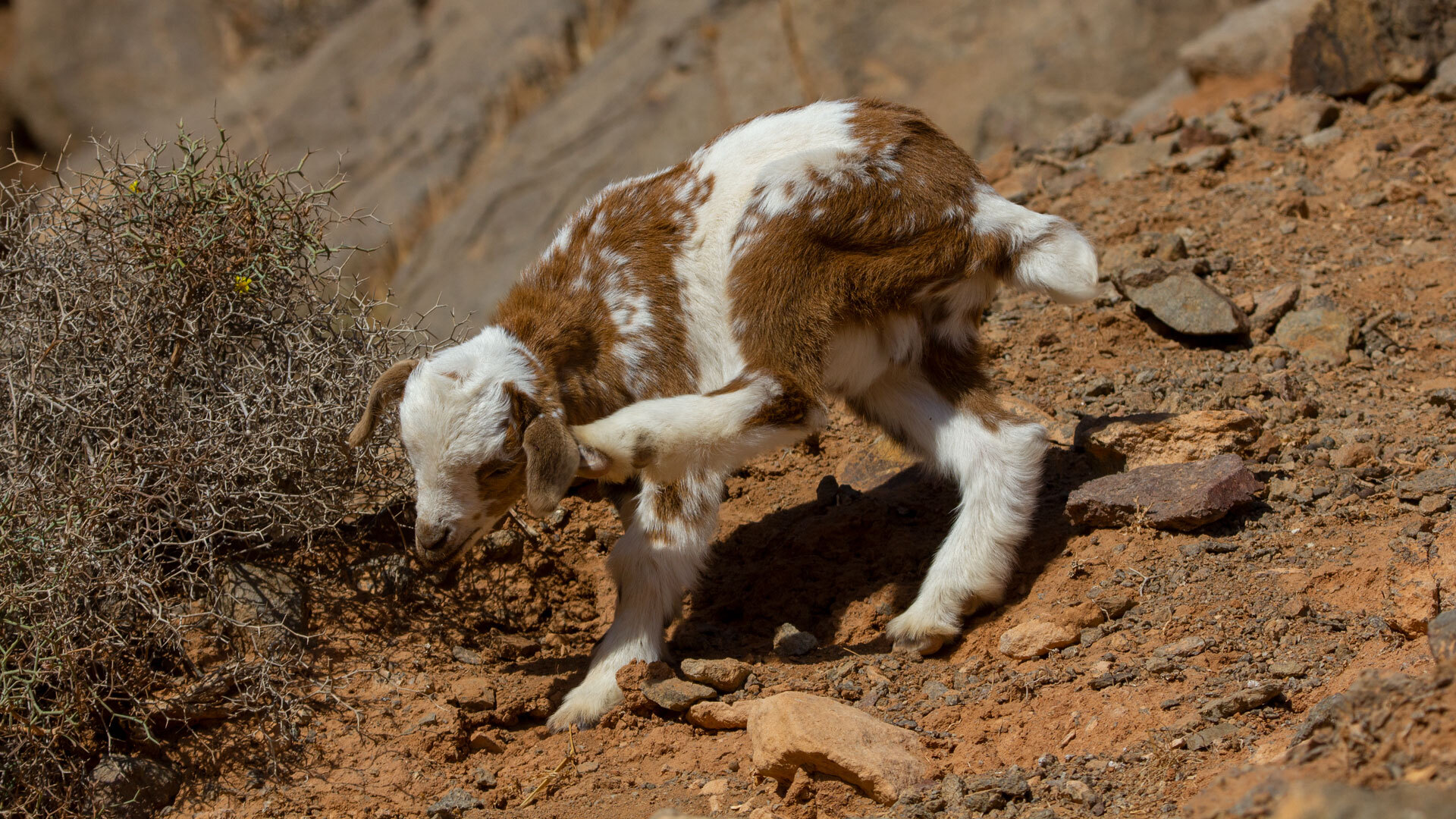
And then there are the 40,000 free-roaming goats. Loud, curious, carefree – and a genuine challenge for the island’s sparse ecosystem.
Reptiles: Small Creatures, Big Cool Factor
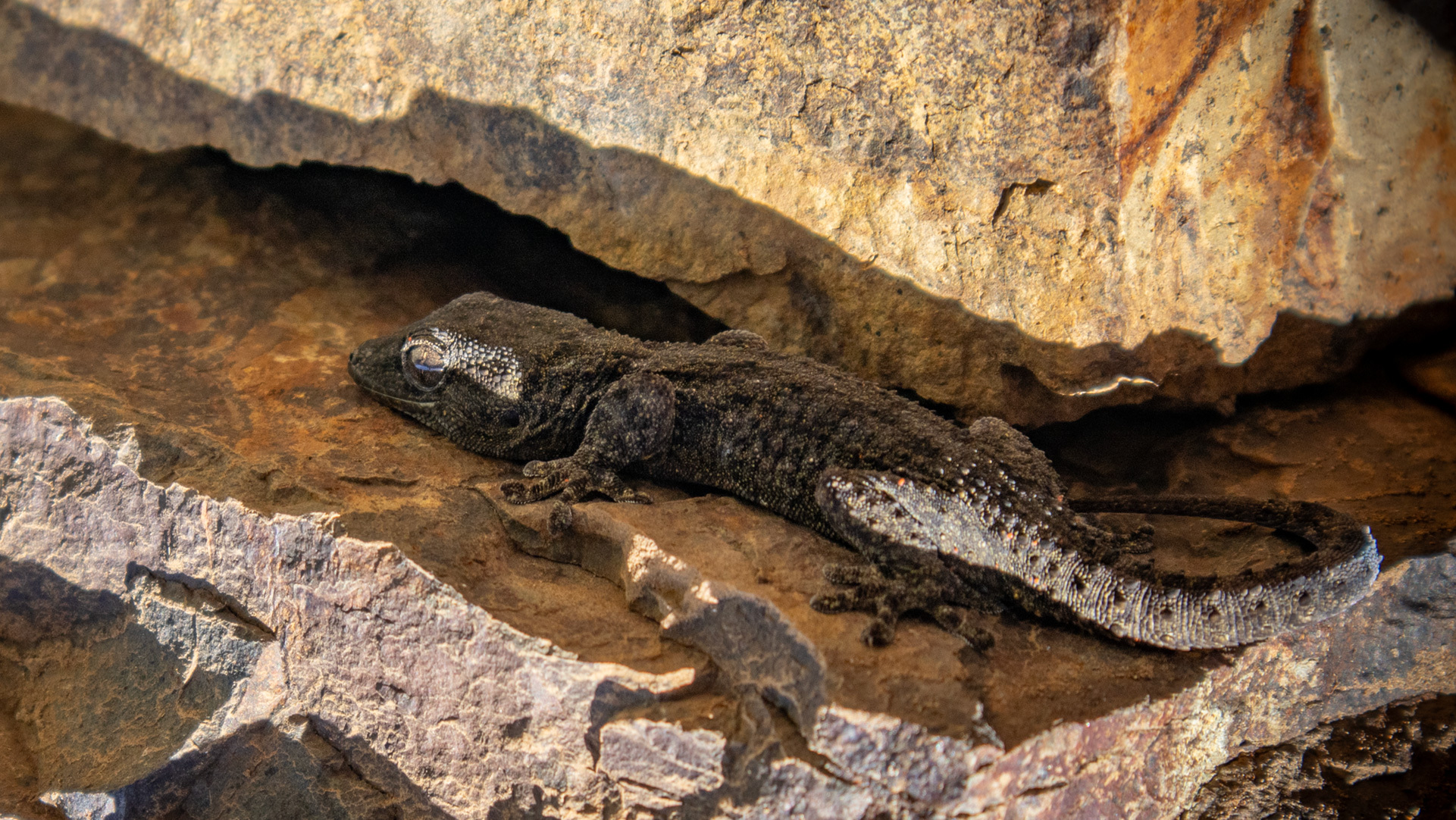
The Canary Islands lizard (Gallotia caesaris) is everywhere: on the dunes, the lava ridges, in the rock crevices. Up to 25 centimetres long, shifting colour from the pale sandy tones of youth to the darker adult coat. Even more resourceful is the gecko – barely 8 centimetres, masterfully camouflaged and ready, if necessary, to simply shed its tail. Survival mode at its finest.
Joining them is the little-known East Canary skink – up to 25 centimetres long, hiding in rocky, damp niches. A reptile for true explorers.
Birdlife: Over 50 Species – and Constant Activity
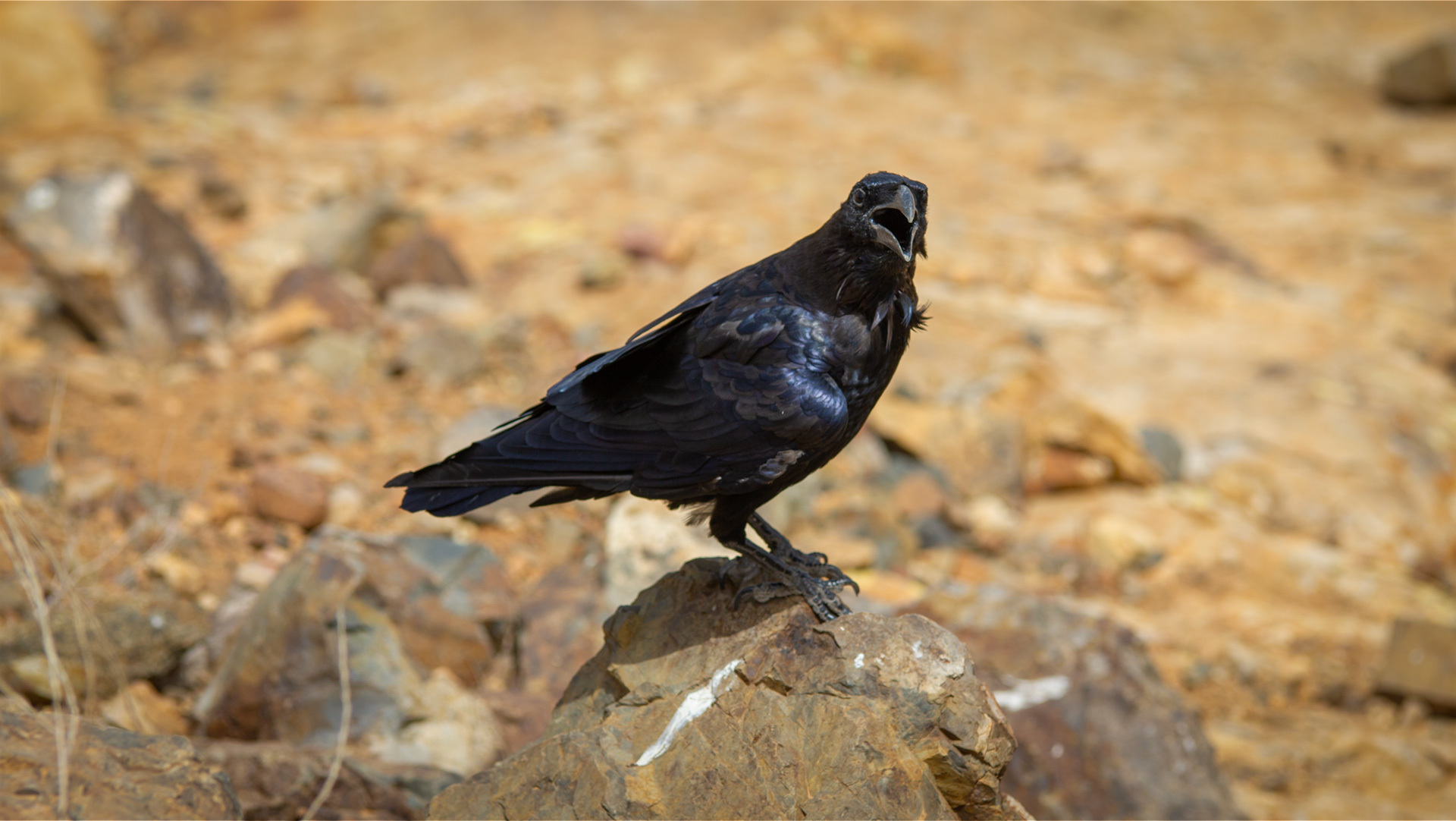
Watching birds on Fuerteventura is like a live stream that never pauses. Over 50 species populate the Canary Islands, and the line-up shifts with the seasons: migratory birds come and go, with the semi-desert attracting genuine rarities.
The cream-coloured courser (Cursorius cursor) is the ninja of desert birds – sand-coloured plumage, flattened to the ground at the first sign of danger, practically invisible. The pin-tailed sandgrouse, by contrast, makes itself known: yellow wings, black belly, 35 centimetres of pure desert aesthetics.
Discovering Endangered Species
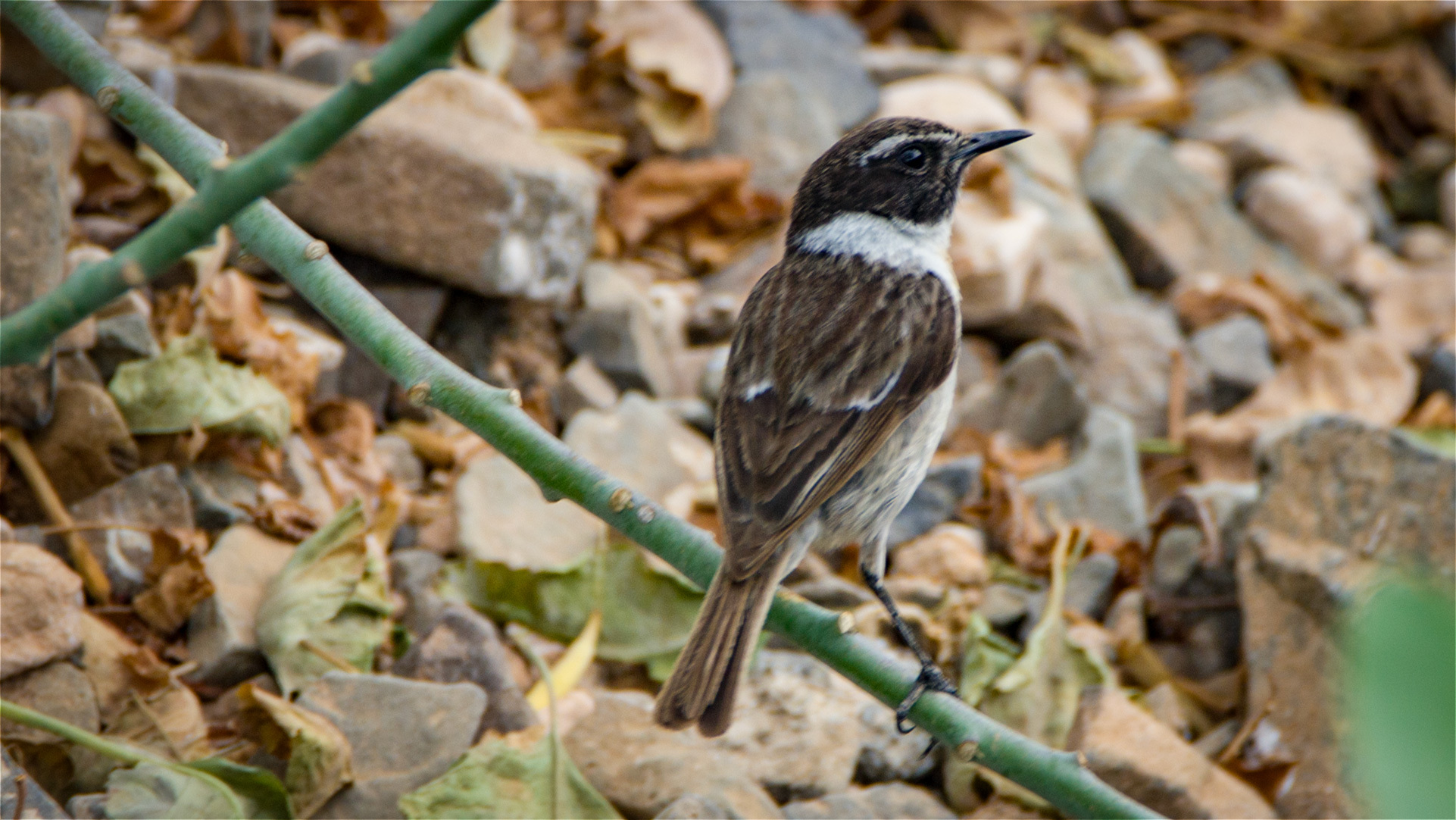
Two names to know: the Fuerteventura bustard and the Canary Islands stonechat. Both are critically endangered. The stonechat now exists only here – on Lanzarote it is already gone. Only a few hundred individuals remain, sheltering in the scrubland.
The bustard is most likely to be spotted in the evening hours, in the hills between La Oliva and Lajares. Whoever sees it is truly fortunate – and has a moment they won’t forget in a hurry.
Atlantic Canary & Hoopoe: The Instagram-Worthy Duo
The Atlantic canary (Serinus canaria) is the original ancestor of the domestic canary – greenish plumage, speckled yellow and black, a real head-turner. Even more striking is the hoopoe: orange-brown feathers, black-and-white wings and a spectacular crest it can raise like a rock star. Then there’s the osprey – white head, black stripe, plummeting into the water. Pure nature, no filter needed.
Underwater World: This Is Where It Gets Truly Wild
550 species. Five hundred and fifty. The underwater world of the Canary Islands is a universe of its own. The parrotfish with its distinctive beak. The enormous manta ray – up to 7 metres in wingspan – glides silently past like a shadow from another world. And then the stingray: 2 metres, venomous barb with a serrated edge. Beautiful. But keep your distance.
Whales & Dolphins: Whale Watching
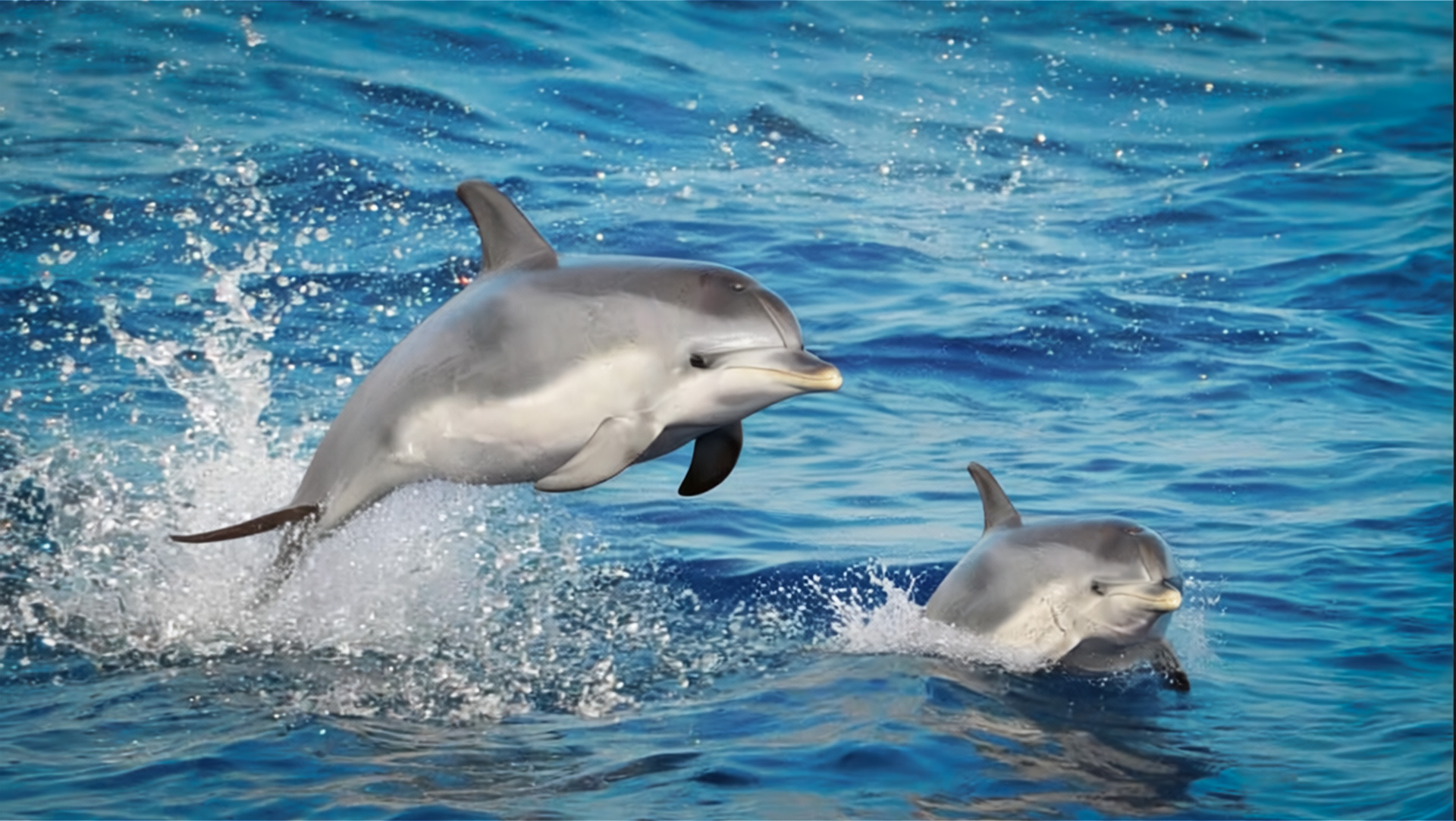
Dolphins off Fuerteventura are no rare sight – hunting and playing in groups of up to 50 in the Atlantic. But the real headliner arrives in October: the sperm whale. Up to 20 metres long and up to 60 tonnes in weight. A creature that puts everything into perspective.
Also in residence: the pilot whale – 6.3 metres, 3 tonnes, and ideal to observe thanks to its short dive times of just 10 minutes. Whale watching in the Canary Islands is on every bucket list for good reason.
Conclusion: Fuerteventura Is Wilder Than You Think
The wildlife of Fuerteventura is no museum piece. It is alive, surprising and – with a little patience – absolutely unforgettable. Whether on the lava ridge, in the scrubland or deep underwater: this island reveals itself only to those who truly look. And once you have, you will never see Fuerteventura with the same eyes again.