Fuerteventura: An Island Carved from Stone
Anyone who sees Fuerteventura for the first time will think they have ended up in the wrong place – too barren, too dry, too silent. Yet it is precisely this silence that refuses to let you go. The second-largest Canary Island does not wear its beauty openly. You must seek it out, between frozen lava fields, behind sand dunes and beneath the surface of the Atlantic.
Geology: Fire, Time and Erosion
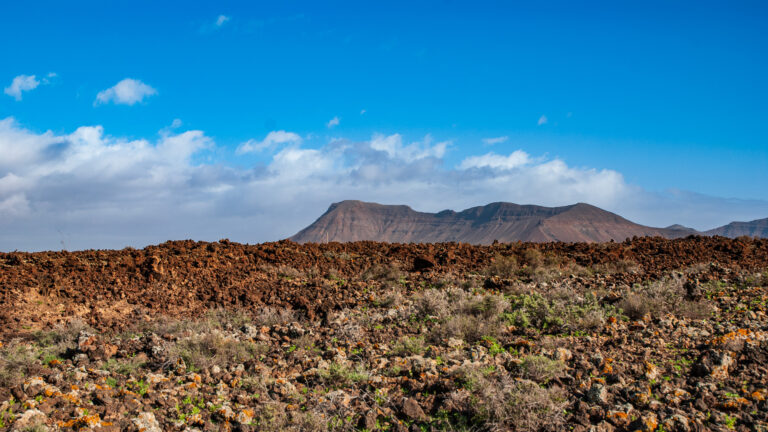
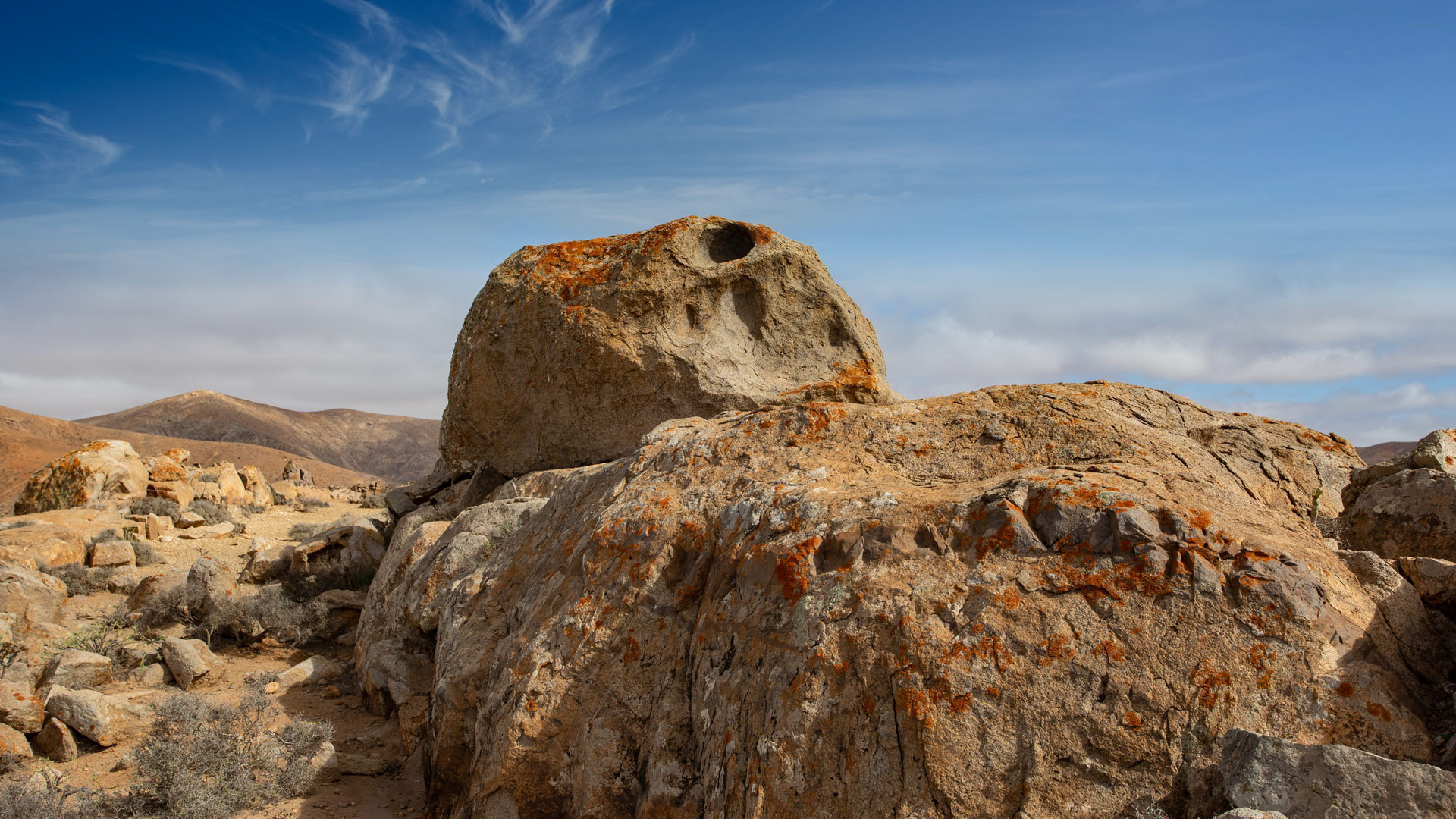
Fuerteventura’s volcanic origins are the foundation of everything. Millions of years ago, the island burst from the ocean as a mountain of fire, and even today volcanic cones and dark lava fields – the so-called Malpaís – bear witness to that incandescent past. What sets Fuerteventura apart from the other Canary Islands is its age: it is the oldest among them, and erosion has done correspondingly thorough work. Millions of years of wind and water have planed down what were once steep flanks, until an almost flat, desert-like expanse emerged.
Water – that remains the island’s most precious commodity. Fuerteventura’s low-rainfall climate makes water supply a serious challenge to this day. The island wears its dry face not as a blemish, but as the expression of a long, unrelenting geological history.
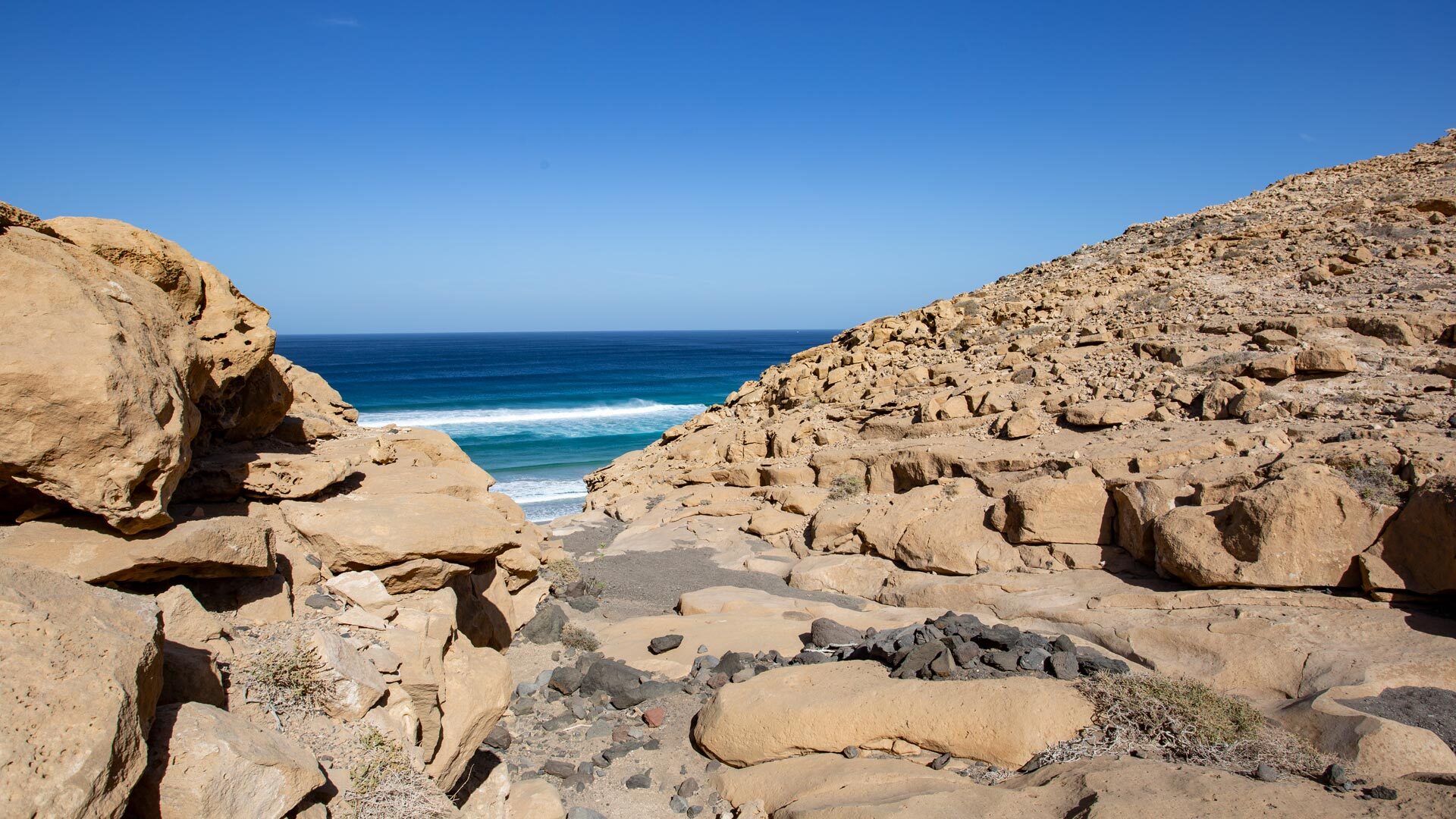
Landscape Highlights: Where the Island Breathes
Some travellers catch their breath at the first sight of the Corralejo Dunes. In the north-east of the island, this natural park stretches out like a miniature Sahara – fine, pale sand shaped by the trade winds, as far as the eye can see. Here one begins to understand why Fuerteventura has been recognised as a UNESCO Biosphere Reserve since 2009.
To the south, the Jandía Peninsula awaits with a different energy: rawer, wilder, more forbidding. Pico de la Zarza rises to 814 metres – the island’s highest peak – and gazes down upon the natural beach of Cofete, which ranks among the most impressive and unspoilt stretches of coastline in the entire Atlantic.
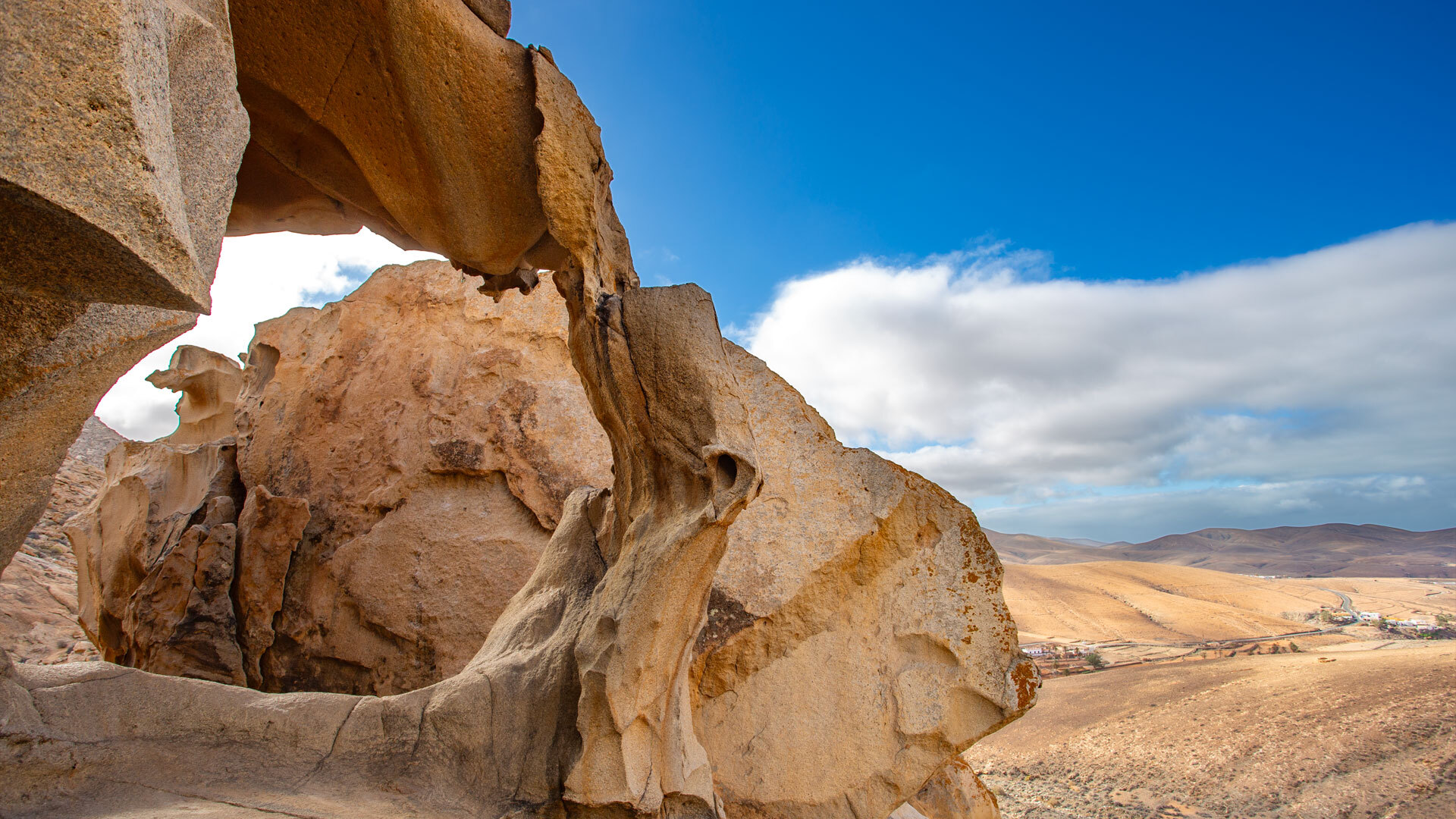
Those who walk the coastline encounter surprises: Popcorn Beach, where fossilised algae lie scattered across the rock like white popcorn, or the natural stone arch Arco de las Peñitas, which appears to have been carved from the rock like a sculpture.
Flora: Life in the Drought
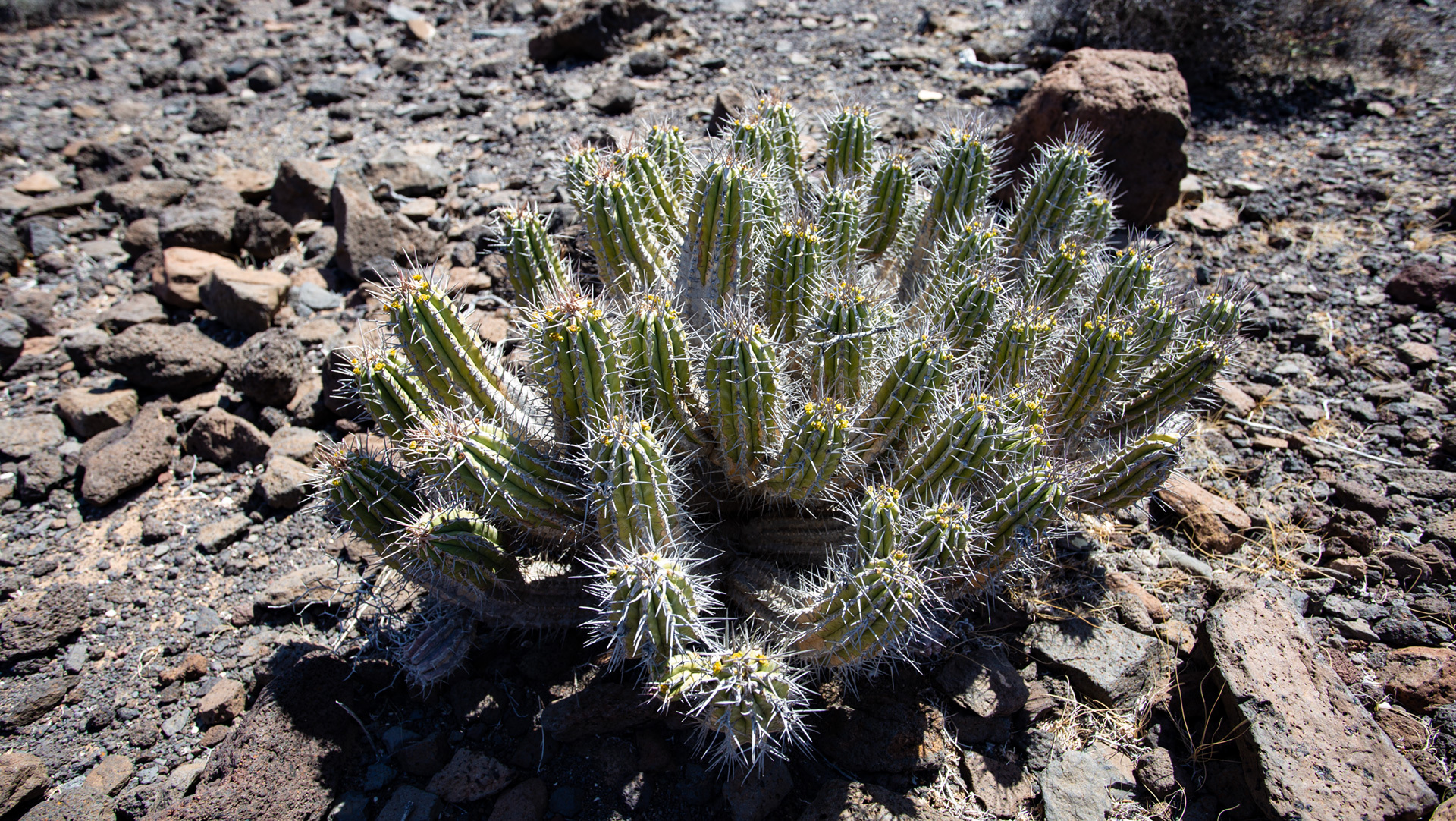
On an island that scarcely knows rain, life has learnt to be frugal. Succulent plants dominate Fuerteventura’s flora. The candelabra spurge (Euphorbia canariensis) stretches its cactus-like arms towards the sky – an endemic plant that carries toxic milky sap and belongs to the distinctive Canarian vegetation.
Aloe vera is far more than a houseplant on Fuerteventura: the island is renowned for its large-scale aloe vera cultivation, and at farms such as Finca Canarias one can experience the medicinal plant at close quarters. In the sheltered valleys where the scarce water gathers, small oases take shape: the Canary Island date palm, tamarisks and agaves grow here as if from another world.
Fauna: Silent Inhabitants of a Barren Island
Large, free-roaming mammals are nowhere to be found on Fuerteventura. Yet those who look carefully will discover the island’s abundant wildlife. The approachable North African ground squirrels dart across the rocks, herds of goats move through the landscape – archaic, as though time had stood still.
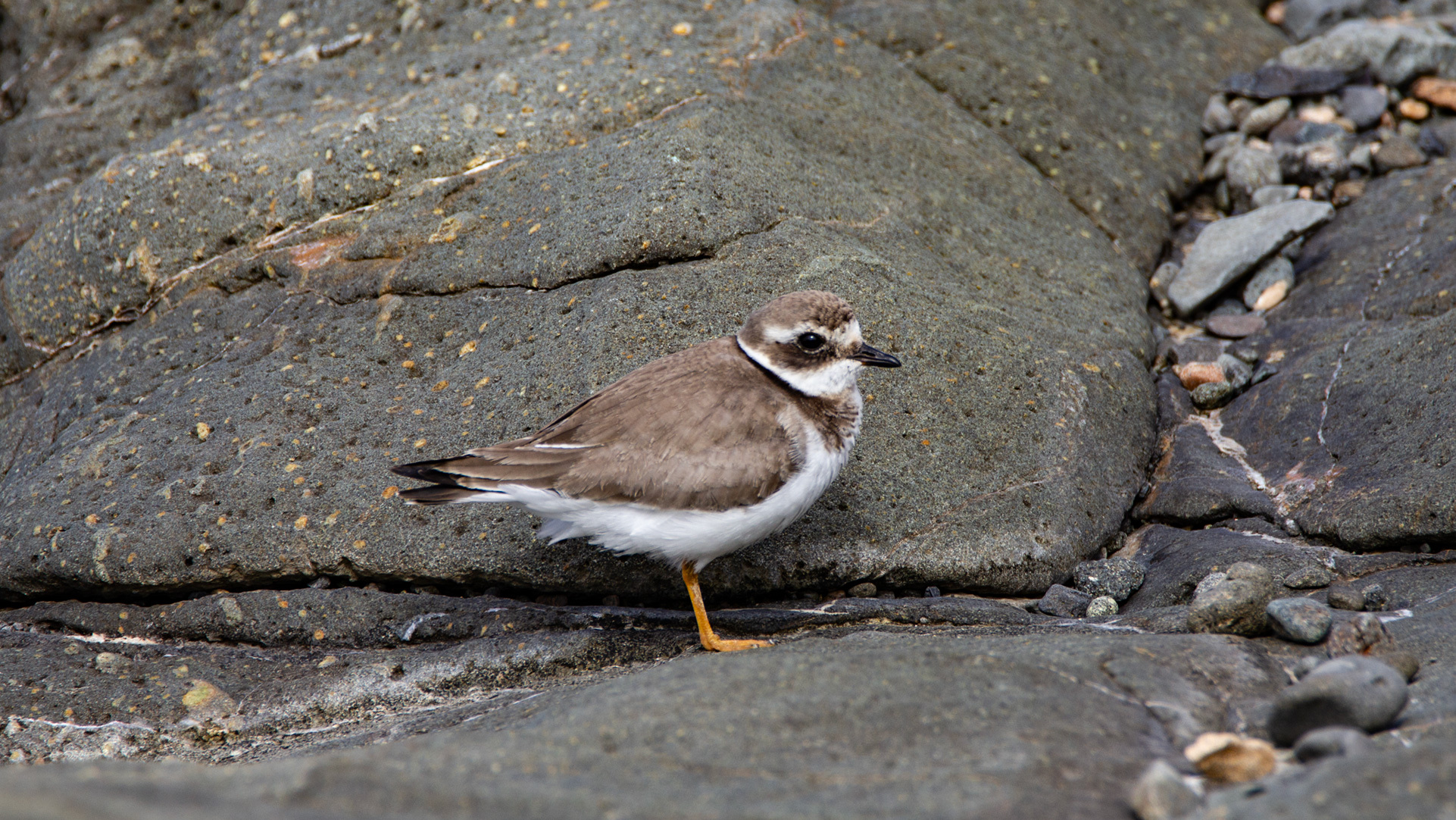
The sky belongs to the birds. Fuerteventura is a coveted destination for birdwatchers: around 50 species of bird are resident on the island, among them the swift cream-coloured courser, the elegant Canary Islands stonechat and the rare Egyptian vulture, which soars high above the plateaux.
Beneath the water, another universe opens up. Dolphins, manta rays and parrotfish populate the coastlines. In the harbour of Morro Jable, a sea turtle breeding station carries out vital conservation work – the animals are later released into the wild at the natural beach of Cofete.
Respect for Wild Nature
Fuerteventura’s nature is fragile, even when it appears indestructible. Leaving metalled tracks with vehicles – so-called off-road driving – is strictly prohibited on the island and is punished with substantial fines. The delicate vegetation of the biosphere reserve requires this protection to remain what it is: one of Europe’s last unspoilt natural landscapes.
Those who truly wish to see Fuerteventura do so slowly. On foot. With open eyes.